
Best Air Compressor for Painting in 2026: Clean Air and Steady Pressure
Disclosure: We may earn a commission when you buy through links on this page, at no extra cost to you. As an Amazon Associate I earn from qualifying purchases. Learn more

The best air compressor for painting cars, cabinets and walls gives a spray gun enough CFM, a steady tank and clean dry air. Learn what to check before you buy.
A spray gun is the least forgiving air tool you will ever hook up. Sanding forgives a tired compressor, but painting shows every weakness as orange peel, sputtering, and moisture spots in the clear coat. Finding the best air compressor for painting means working backward from your gun: its CFM appetite, the tank volume that smooths delivery, and the filtration that keeps water and oil out of the finish. The comparison table below compares the classes that work, and this guide explains the numbers behind them.
Painting in this guide means spray painting with HVLP or LVLP guns, on cars, cabinets, furniture, and equipment. Airbrushing is a tiny scale version with tiny needs, while airless sprayers use no compressor at all. Everything below assumes a gun spraying finish material, where air quality matters as much as air quantity.
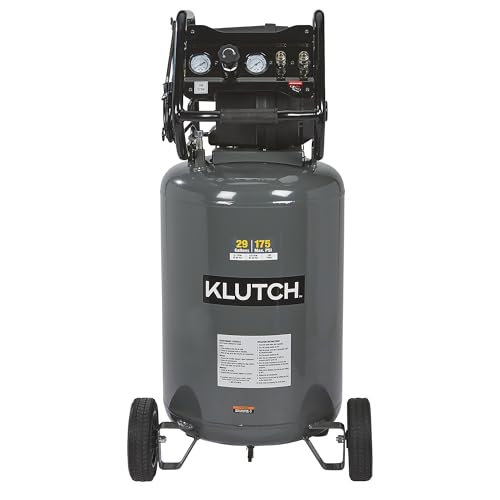
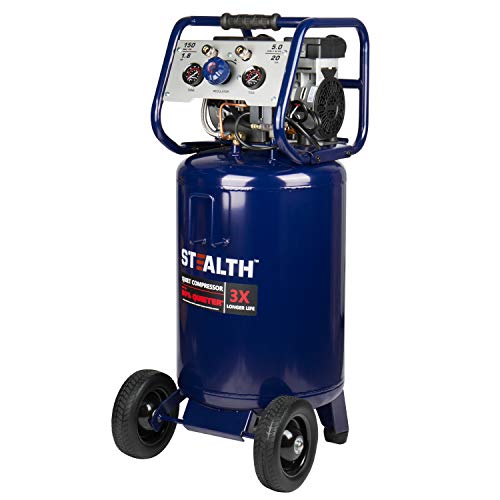


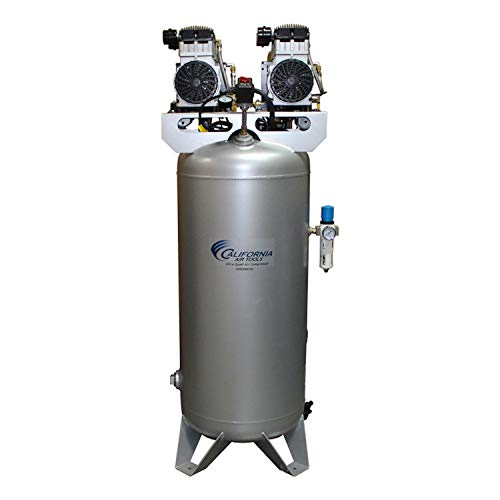
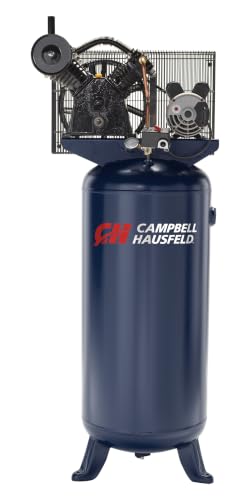

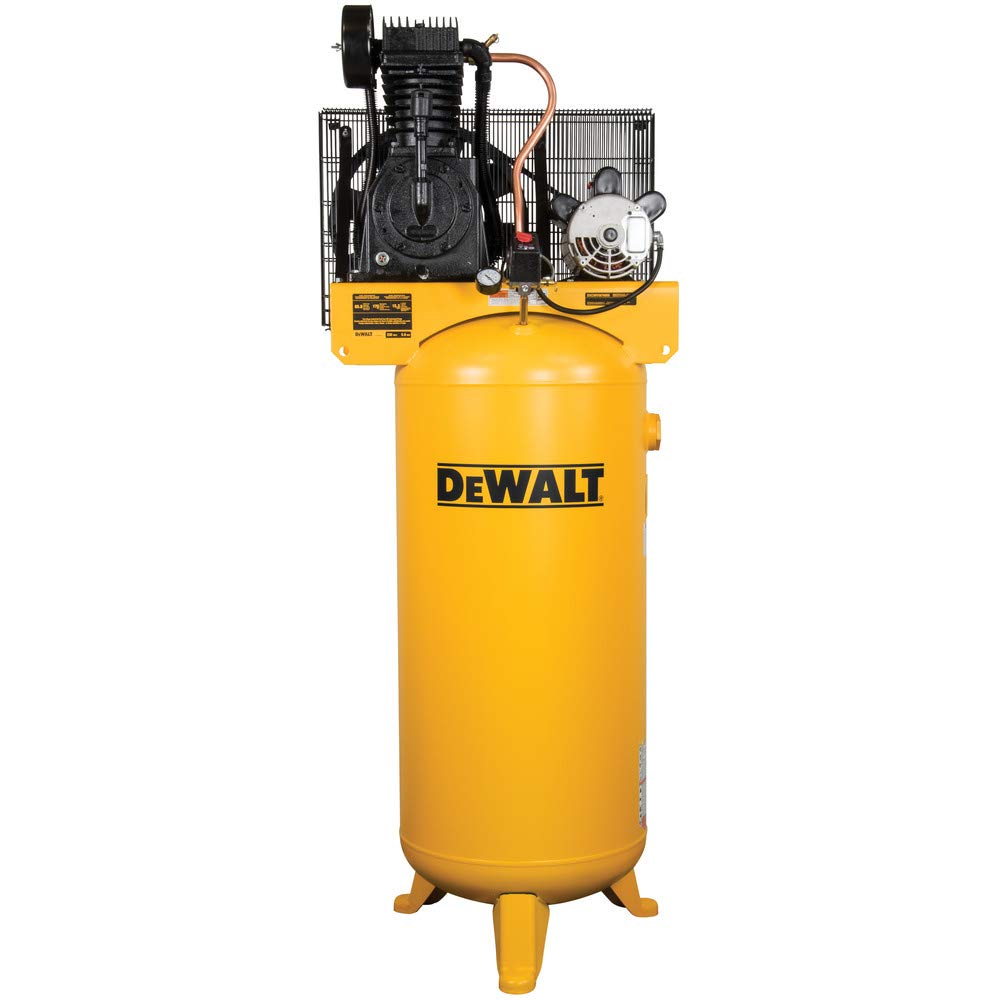
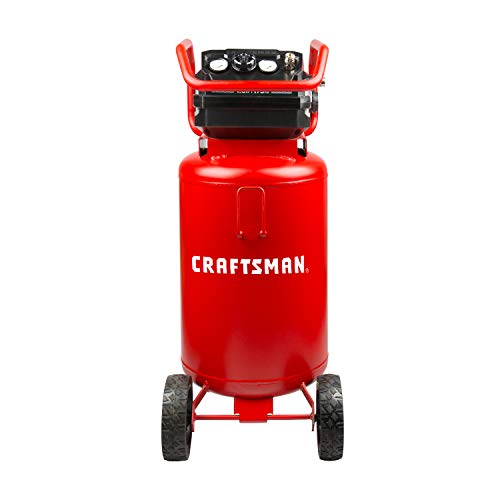
Who Should Buy Which Air Compressor for Painting?
Your project size sets the tank and CFM class. A compressor that paints a chair happily may die halfway down the side of a car.
Furniture and Cabinet Painters
Your panels are modest and your coats are thin, so a mid size setup works: a compressor delivering about 5 to 7 CFM at 90 PSI with a 20 to 30 gallon tank keeps a small HVLP or an LVLP gun fed across cabinet doors without sagging pressure. LVLP guns are your friend here, since they were designed to spray well on smaller compressors. Clean, dry air still matters at your scale, because a single water droplet in a cabinet door finish means sanding and respraying the door.
Car and Equipment Painters
A full vehicle side is one long, unbroken spray pass, and full size HVLP guns can demand 10 to 14 CFM at the gun. That appetite pushes you to the 60 gallon class with a strong two stage or high output single stage pump, because the compressor must hold pressure while the pump runs continuously, not just catch up between panels. Our shop class coverage in the guide to the best air compressor for home garage setups shows the stationary machines that live in this territory.
Homeowners Spraying Fences, Walls, and Projects
If painting means a fence, a shed, or latex on outdoor projects with a general purpose spray gun, your demands sit between the two groups above. A 30 gallon class compressor with honest CFM covers utility spraying comfortably. Be honest about latex, though: thick wall paint sprays poorly through finish guns, and many homeowners end up happier rolling walls and spraying only the trim, doors, and projects where a fine finish pays off.
Key Features to Compare
CFM Delivery Versus Gun Requirements
Every spray gun lists an air consumption figure, and your compressor must exceed it at the pressure the gun uses. HVLP guns spray at low pressure at the cap but still swallow large air volumes, commonly 8 to 14 CFM supplied at around 90 PSI at the tank regulator. LVLP guns cut that to roughly 4 to 7 CFM, which is why they exist. The working rule is to choose a compressor rated at least one and a half times your gun appetite, so the pump cycles instead of running flat out and heating the air, since hot air carries more moisture straight to your finish.
Tank Size and Pressure Stability
The tank is a buffer between the pump and the gun. A bigger tank means pressure at the gun stays steady through a long pass even as the pump cycles, and steadiness is what lays down an even coat. Small tanks let pressure sag mid panel, and the pattern narrows and spits exactly where you cannot afford it. For panel by panel work, 20 to 30 gallons can serve; for car sides and continuous spraying, 60 gallons is the comfortable class. This is why the small units in our guide to the best pancake air compressor are inflators and nailer tools, not painting tools, whatever the box art suggests.
Dry, Clean Air: Separators and Filters
Compressed air carries water vapor, and compression concentrates it. Without a water separator and a filter between the tank and the gun, that moisture lands in your paint as fisheyes and blisters. Fit a separator at the outlet, a finer filter closer to the gun, and drain both during long sessions. Painters who spray all day add a desiccant stage or a refrigerated dryer. However strong your compressor is, this filtration chain is not optional for finish work, and it is the cheapest quality upgrade in the whole setup.
Oil Free Versus Oil Lubricated Pumps for Paint
Oil lubricated pumps run cooler and last longer, but a worn one can pass oil mist into the air stream, and oil in paint is a disaster of fisheyes. Oil free pumps remove that risk at the source, which is why many painters prefer them, accepting more noise and a shorter pump life. Either choice works if the filtration is right and maintained, because a good oil separator catches pump oil before the gun. Decide by your duty level: daily spraying favors an oil lubed pump with disciplined filtration, while occasional finish work favors oil free simplicity.
Duty Cycle and Recovery Time
Duty cycle describes how much of each ten minutes a pump can run without overheating, and painting pushes pumps hard because spraying is continuous. A compressor with a 50 percent duty cycle that falls behind your gun will run constantly, overheat, and pump hotter, wetter air as the session goes on. Recovery speed, how fast the tank refills from cut in to cut out pressure, tells you whether the machine catches up while you reload paint. Match a generous duty cycle to your longest spray session, not your shortest.
Setting Up the Air Chain for a Clean Finish
The compressor is only the first link. Run the shortest, widest hose you can, because long thin hoses drop pressure and make the gun feel starved even behind a strong compressor. Set pressure with the gun trigger pulled and air flowing, not at a static gauge, since flowing pressure is what the gun actually sees. Place the regulator and separator a few feet of hose away from the tank so the air cools and sheds water before the filter. These setup habits, plus the filtration above, separate a frustrating paint day from a clean one more than any single spec. Our main guide to the best air compressor range covers the general machine classes if you are still deciding on format, while battery inflators from our guide to the best cordless air compressor models have no place in this chain at all.
One safety point belongs in every painting setup. Spray work fills the air with solvent vapor and fine particles, so wear a proper respirator rated for paint vapors, keep the space ventilated, and keep ignition sources away from the spray area. Your lungs and your finish both benefit from moving air out of the booth.
Common Mistakes to Avoid
- Buying by tank gallons alone, then discovering the pump CFM cannot feed the gun through one full panel.
- Skipping the water separator, so moisture from the tank lands in the clear coat as fisheyes and blisters.
- Setting gun pressure at a static gauge, which reads far higher than the pressure the gun sees while spraying.
- Using a long, narrow hose that starves the gun and gets blamed on the compressor.
- Draining the tank never, so rust and water build up and every session starts dirtier than the last.
- Choosing an HVLP gun with a huge CFM appetite for a small compressor, instead of an LVLP gun matched to it.
How to Make Your Painting Compressor Last Longer
Drain the tank after every session without exception. Painting compressors work hard and condense a lot of water, and a tank left wet rusts from the inside while feeding that rust toward your filters. Drain the separator bowls too, and replace filter elements when they discolor or pressure drop grows, because a clogged filter quietly starves your gun.
Follow the pump oil schedule on oil lubed models and keep intake filters clean, since a painting compressor that breathes dusty shop air wears its rings and valves early. During spraying season, check fittings for leaks with soapy water and listen for the pump note changing, a sign of valve wear. A machine kept dry, fed clean intake air, and filtered at the outlet will deliver finish grade air for many years.
FAQ
What should I look for in an air compressor for painting?
Start with CFM at 90 PSI that exceeds your gun rating by about half, then tank size for your longest spray pass, then filtration. A water separator is mandatory, a second filter near the gun is wise, and a healthy duty cycle keeps the air cool and dry. Horsepower and gallon figures on the box matter less than those three checks. If a listing hides its CFM at 90 PSI number, treat that silence as your answer.
How big of an air compressor do I need to paint a car?
Plan on a 60 gallon class machine delivering roughly 12 to 14 CFM at 90 PSI for full panels with a standard HVLP gun, because a car side is minutes of continuous spraying. An LVLP gun trims the requirement enough that a strong 30 gallon unit can manage panel by panel work with pauses. Either way, budget for the separator and filter chain, since a car finish shows moisture defects mercilessly.
Is an air compressor for painting worth it over an airless sprayer?
For fine finishes, yes. A compressor and gun lay down thinner, smoother coats on cabinets, furniture, and cars than an airless sprayer, with far less overspray on small work. Airless wins for walls, fences, and volume where finish quality is secondary and speed is everything. Many painters own the compressor setup for finish work and rent airless for the house exterior, using each where it is strong.
How do you keep moisture out of spray paint?
Drain the tank before you start, run a water separator at the outlet and a filter near the gun, and drain both during long sessions. Let the air cool by placing the separator several feet of hose from the tank, since warm air holds moisture that condenses later in the line. On humid days, shorten sessions or add a desiccant stage. If fisheyes still appear, the filter elements are saturated and due for replacement.
How long does an air compressor for painting last?
With drained storage and clean filters, an oil lubed painting compressor can serve fifteen years or more, while oil free models under regular spray duty usually land in the five to ten year range. Filters and separators are consumables with much shorter lives, and replacing them on time is what keeps the machine output paint grade. As with all shop compressors, internal tank rust from skipped draining is the usual cause of early retirement.
Final Thoughts
Work backward from your gun, demand CFM headroom and a tank that steadies long passes, and treat filtration as part of the machine, not an accessory. Compare classes and ratings in the product table above, set up the air chain with care, and the best air compressor for painting in your shop will reward you with finishes that need no excuses.


