
Best 6 ft Ladders (2026): A Buying Guide for Real Projects
Disclosure: We may earn a commission when you buy through links on this page, at no extra cost to you. As an Amazon Associate I earn from qualifying purchases. Learn more

Homeowners and painters can choose the best 6 ft ladder by comparing duty ratings, materials, platform steps and storage size.
Six feet is the ladder size that lives in the house rather than the garage rafters. It reaches standard ceilings, tall shelving and the top of kitchen cabinets while staying light enough to carry one handed through a hallway. The best 6 ft ladder for you depends on its duty rating, its material, and whether its top step design matches the work you actually do.
This guide explains how far a 6 ft ladder really reaches, how to read the rating labels, and which comfort and safety details matter during a long painting session. The comparison table below shows the main configurations side by side.
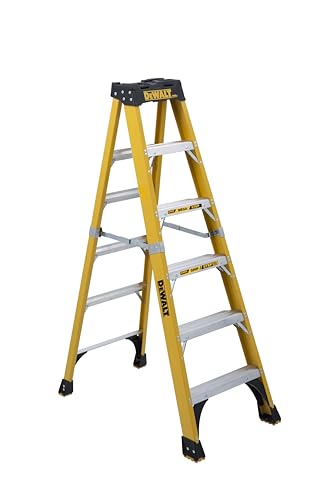

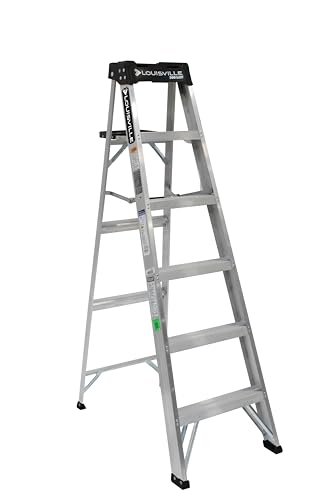


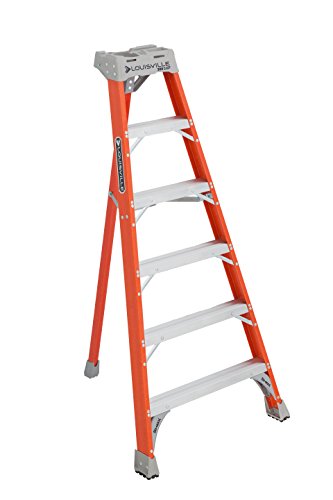

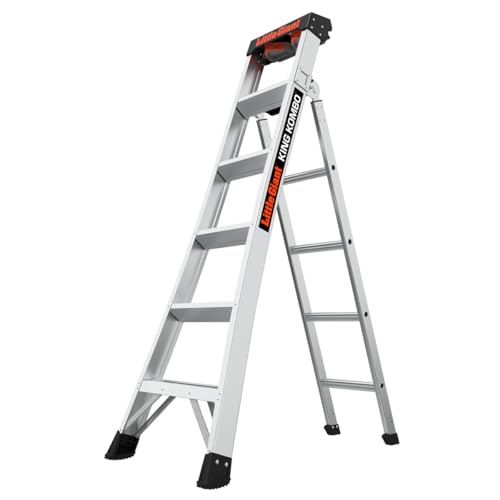
Who Should Buy Which 6 ft Ladder?
Homeowners With 8 to 9 Foot Ceilings
This is the core case for the size. Standing on the highest allowed step of a 6 ft step ladder, most adults reach an 8 to 9 foot ceiling comfortably for painting, light fixtures and smoke detector batteries. A model with a project tray keeps your brush or screws at hand. For the full range of home ladder types, our guide to the best ladder for home use compares sizes against ceiling heights.
Painters and Decorators Working Long Sessions
Hours on a ladder reward wide steps and a platform you can stand on with both feet flat. Platform models trade a rung of height for a large standing area and noticeably less calf fatigue. Fiberglass rails also shrug off paint and solvent splashes without corroding. If your work grows to exterior walls and rooflines, you will outgrow this size quickly, and our general roundup of the best ladder options covers the taller classes.
Apartment and Small Space Dwellers
A 6 ft ladder folds to a slim profile that slides into a closet or behind a door, which is exactly why this size suits small homes. Weight matters here: aluminum models around 15 to 20 pounds carry up stairs without a struggle. Telescoping designs shrink further still, and our guide to the best telescoping ladder covers that format. Fixed attic access is a different product entirely, handled in our best attic ladder roundup.
Key Features to Compare
Duty Rating: Type I, IA and IAA
The duty rating is the total load the ladder is built to carry: you, your clothes and everything in your hands and tool belt. Type II supports 225 pounds, Type I 250, Type IA 300 and Type IAA 375. Add your weight to your typical load honestly, because paint, tools and a bucket add up faster than people expect. For most homeowners, Type I is the floor and Type IA is the comfortable choice that also feels sturdier underfoot. The rating appears on the side rail label, and a ladder without a clear ANSI rating is one to leave in the store.
Material: Fiberglass vs Aluminum
Fiberglass rails do not conduct electricity, which makes them the safer default anywhere near wiring, panels or outdoor lines. Fiberglass also feels more rigid and resists dents, at the cost of extra weight. Aluminum is lighter and cheaper and fine for painting and indoor work away from electrical hazards, but it bends rather than cracks, and a bent rail retires the ladder. Never use any ladder near overhead power lines, and treat fiberglass as a safety margin, not a permit to work on live circuits: that work belongs to a licensed electrician.
Reach Height and the Highest Standing Step
A 6 ft step ladder gives most adults a reach of about 10 feet, figured as your height plus arm reach from the highest safe step. That highest step is marked on the label, and the top cap is never a step. When you shop, match the ladder to the task height: changing a bulb at 9 feet is comfortable, while working with both hands at 10 feet means you belong on a taller ladder. Standing higher than the marked step raises your center of gravity past the rails and is how most home ladder falls happen.
Steps, Platform and Top Cap Design
Standard steps are about 3 inches deep, and wider slip resistant treads feel far more secure during long tasks. Platform ladders replace the top steps with a large standing deck and a taller safety bar to lean against, which changes painting from a balancing act into steady work. The top cap deserves a look too: slots for brushes, a magnet for screws and a bucket hook keep you from climbing down for every small item. Every trip down you avoid is one less chance to rush and misstep.
Feet, Spreaders and Storage Profile
Rubber boots on the feet grip hard floors and protect them from scratches, and they are replaceable on better models. Sturdy spreader bars that lock positively on both sides keep the ladder from folding or racking while you shift weight. Check the folded depth before buying: most 6 ft models fold to about 5 to 7 inches thick, which fits a utility closet. Weight and folded size together decide whether the ladder gets used or stays buried, and an easy ladder is a used ladder.
Is a 6 ft Ladder the Right Size for You?
Choose 6 ft when your tasks top out at standard ceilings, interior painting, high shelving and light fixtures in rooms up to about 9 feet. It is too short for gutter cleaning on most houses, two story entry lighting and any roof access, where reaching the work would put you on the forbidden top steps. It is also more ladder than you need for kitchen cabinets alone, where a step stool suffices. The size earns its place as the household default because it covers the ceiling tasks that come up every month and stores where you can actually reach it.
Common Mistakes to Avoid
- Standing on the top cap or the step above the marked highest standing level, which removes the rails from your grip.
- Ignoring the duty rating and loading the ladder past it with body weight plus a full paint bucket.
- Setting up on a rug, drop cloth or uneven floor, so one foot rests on a soft or shifting surface.
- Leaning sideways to reach instead of climbing down and moving the ladder, the classic cause of tip overs.
- Carrying the ladder unfolded through the house and striking lights, door frames and other people.
Ladder Safety Basics Worth Following Every Time
Inspect the ladder before each use: rails straight, steps tight, spreaders locking, feet intact. Set it on a firm, level surface with all four feet planted, and face the ladder as you climb, keeping three points of contact. Keep your belt buckle between the rails and move the ladder rather than reaching. Falls from even this height can break bones or cause head injuries. If you strike your head in a fall, or feel dizzy, confused or nauseous afterward, get medical care the same day rather than waiting to see how you feel. Anyone unsteady on their feet should hand ceiling work to a professional instead.
How to Make Your Ladder Last Longer
Store the ladder indoors, folded and dry, because sun degrades fiberglass resin over years and moisture corrodes aluminum fittings and steel hardware. Wipe paint and mud off the steps so the slip resistant surface keeps its bite, and check the rivets and step joints each season for looseness. Replace worn rubber feet before the rails touch the floor directly. Never paint a fiberglass ladder, since paint hides cracks in the rails, and retire any ladder with a bent rail, cracked step or loose joint rather than trusting it one more time.
FAQ
How high can you reach with a 6 ft ladder?
Most adults reach about 10 feet while standing on the highest permitted step, which covers ceilings of 8 to 9 feet for painting and fixture work. Your own height shifts the number a little, but the standing step is the fixed limit. If the work itself sits at 10 feet and needs both hands, choose an 8 ft ladder instead of stretching. Reach claims on packaging assume that same math, so compare ladders by standing height, not overall height.
What size ladder do I need for a two story house?
A 6 ft step ladder is not the tool for two story work. Gutters and second floor windows call for an extension ladder sized so its top extends above the work point with the rails at the correct angle, often 24 feet or more. The 6 ft ladder still earns its place indoors for the first floor ceilings. Buying both sizes is normal for a two story home, and using the short ladder outside beyond its reach is how injuries happen.
Is fiberglass or aluminum better for a 6 ft ladder?
Fiberglass is the safer all around choice because it does not conduct electricity and feels stiffer under load, and it is worth the extra weight for most homeowners. Aluminum wins when you carry the ladder often, up stairs or between floors, and your work stays away from wiring. Either material fails if it is bent or cracked, so condition matters more than the label. When in doubt, the fiberglass Type IA is the ladder buyers rarely regret.
Can you stand on the top step of a 6 ft ladder?
No. The top cap of a step ladder is a shelf for tools, not a step, and the label on the rail states the highest standing level, usually the second or third step down. Standing above it puts your knees past the rails with nothing to hold and your balance at its worst. Platform models are the exception in feel only: their deck is a designed standing surface, and even then the safety bar marks where your body should stay behind.
What is the best 6 ft ladder for painting a room?
Look for a platform or wide step model with a Type IA rating, a project tray on the top cap and slip resistant steps, because painting means long standing time and constant small reaches for the tray. Fiberglass rails tolerate splashes and clean up easily. If your rooms have 8 foot ceilings, that combination makes a full day of cutting in feel steady instead of precarious. The ladder disappears under you, which is exactly what you want while your eyes are on the line.
Final Thoughts
The product table above compares the main 6 ft classes on rating, material and standing design. Choose the best 6 ft ladder by confirming the duty rating covers you plus your load, then pick the step or platform style that matches how long you stand on it. Sized and rated honestly, this is the ladder that handles home ceiling jobs for years and stores in the space of a broom.


