
Best Car Jacks for Home Garage in 2026: A Buying Guide
Disclosure: We may earn a commission when you buy through links on this page, at no extra cost to you. As an Amazon Associate I earn from qualifying purchases. Learn more

Choose the best car jack for home garage work with the right profile, lifting speed and storage size for sedans, wagons and weekend brake jobs.
A home garage jack lives a different life from a shop jack. It must slide under a low sedan on Saturday, lift a family wagon on Sunday, then roll into a corner and stay out of the way for a month. The best car jack for home garage use balances a low starting height, a quick pump, and a size you can store without tripping over it. Heavy duty pro gear is usually more jack than a driveway mechanic needs.
The comparison table below lays out the main styles, and this guide explains how profile height, lifting speed, and release control translate to real garage tasks like tire rotations and brake pads. You will also find a short storage and safety routine that keeps a home jack ready after long idle stretches.

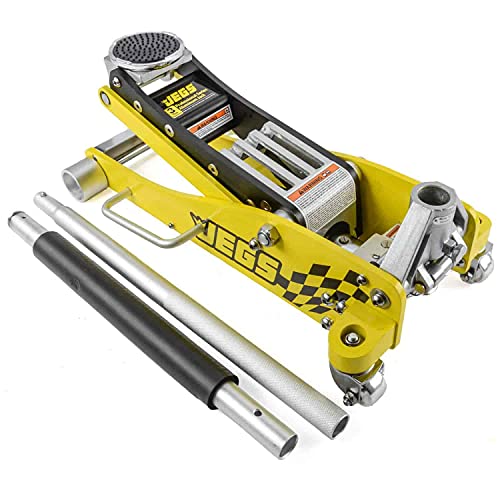

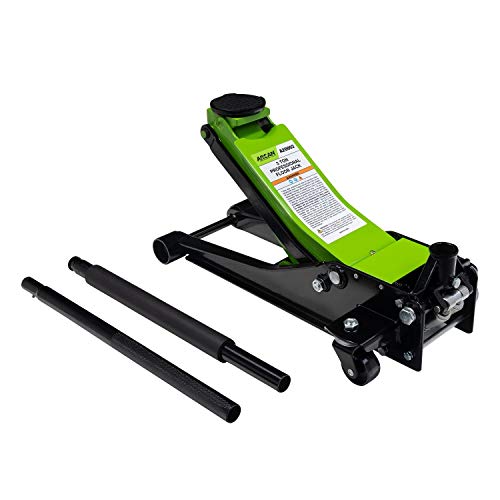
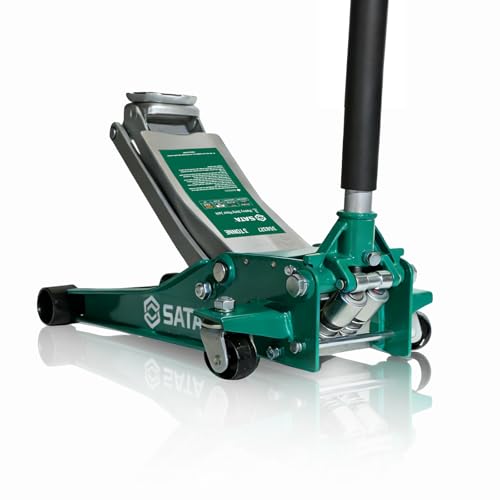


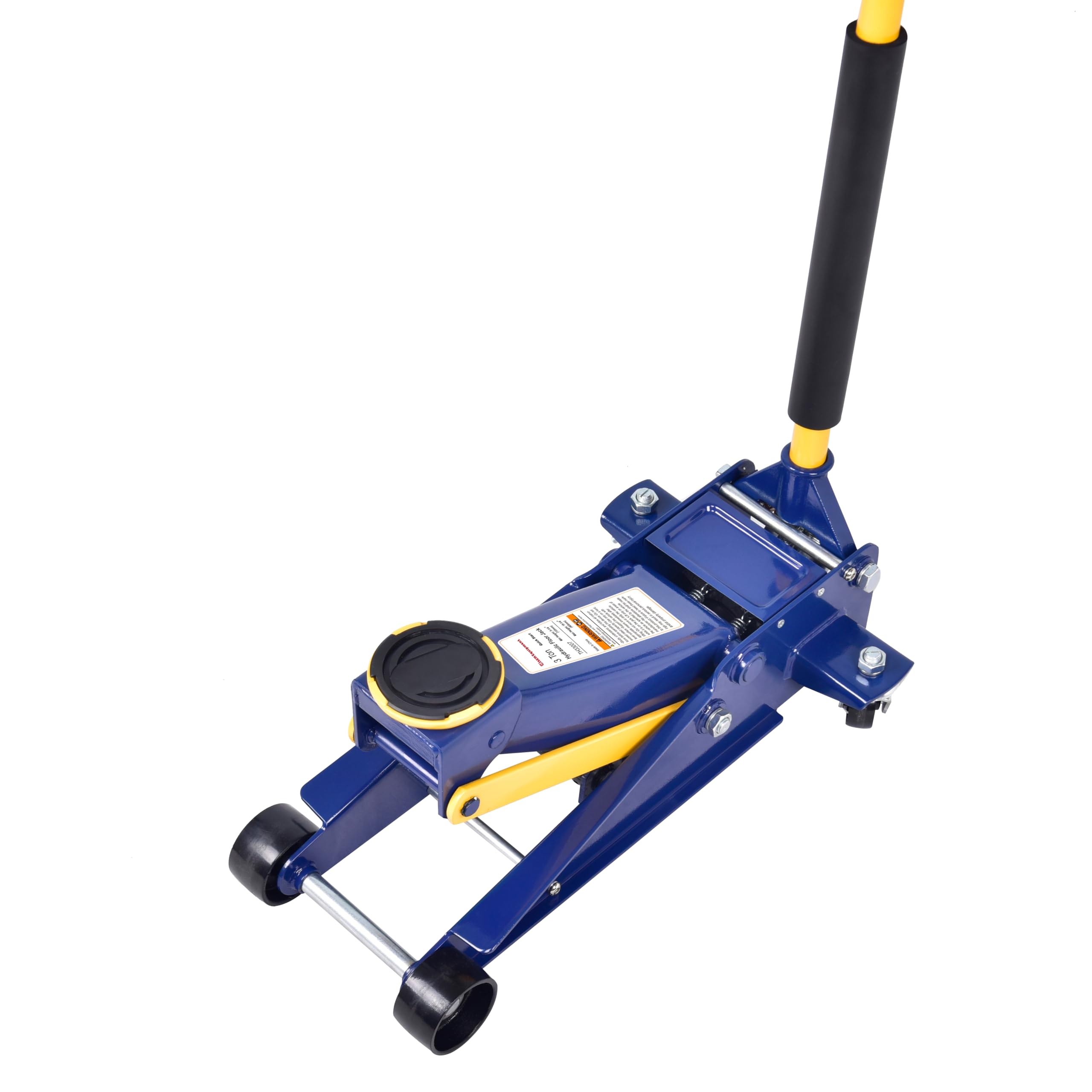


Who Should Buy Which Car Jack for a Home Garage?
Weekend Tire Rotators With a Low Sedan
If your car sits low and rotations are your main job, minimum height is your headline spec. A low profile floor jack slides under side skirts and subframes that stop standard jacks cold. You will find the detailed options in our best low profile car jack guide, which focuses on exactly that clearance problem. Pair it with two stands and your rotations become a calm thirty minute routine.
DIY Owners Doing Brakes and Fluid Work
Brake jobs need the car steady at a comfortable working height for an hour or more, so controlled lowering and stand placement matter more than raw speed. A standard 3 ton floor jack with a smooth release valve covers most sedans, wagons, and crossovers in a home fleet. If you are comparing types, the general best car jack overview shows how floor, bottle, and scissor designs differ before you commit.
Small Garage Owners Short on Storage
When every square foot counts, the jack footprint and weight decide whether it lives in the garage or migrates to a shed. Aluminum floor jacks weigh far less and hang on a wall hook more easily. A compact bottle jack stores in a cabinet for occasional use, though it gives up speed and stability. Choose based on how often you truly lift, not on the one big job you imagine.
Key Features to Compare
Minimum Height and Vehicle Clearance
Measure the gap at your usual lift point with the car on the ground, then compare it with the jack saddle height before buying. Sedans and sportier trims often leave only about 4 to 5 inches of room. A jack that starts at about 3.5 inches removes the old trick of driving onto boards to gain clearance. Remember that a flat tire drops the car further, so the jack that fits a healthy car may not fit the same car at its lowest moment.
Pump System and Lifts to Full Height
Dual piston pumps bring the saddle to the load in a few strokes and then switch to power strokes for the lift itself. Single piston jacks are cheaper and fine for occasional use, but the pumping adds up across four corners of a rotation. Count the strokes to full height if you can find the figure, since a jack that tops out in eight strokes feels very different from one needing twenty when you are kneeling on concrete.
Release Valve Control
Lowering is where cheap jacks show their flaw: a touchy release drops the car in a lurch instead of a glide. Look for a valve that opens gradually through a long handle twist, so you can ease the car onto stands millimeter by millimeter. This control also matters when you lower an engine cradle or a transmission on a jack during bigger jobs. Test reviews and owner comments for words like smooth and predictable rather than fast.
Capacity for a Mixed Home Fleet
Most home fleets mix a sedan with a crossover or wagon, and one jack should serve them all. A best floor car jack rated at 3 tons covers that mix with margin, since a single lift carries only part of the vehicle. The focused look at the best 3 ton car jack class explains why this rating became the garage standard. A 2 ton jack is fine for a single small car, but it leaves no headroom when a heavier vehicle joins the household.
Chassis Length and Maneuverability
A longer chassis reaches center lift points without the handle hitting the bumper, and it tracks straighter as you roll the loaded jack a few inches to settle it. Short compact jacks store easily but can feel twitchy under load. Steel casters roll well on smooth concrete, while nylon wheels run quieter and do not mark coated floors. In a tight one car garage, a jack that turns in its own length earns its place every time you use it.
Weight and Storage Footprint
Steel 3 ton jacks often weigh about 70 to 90 pounds, which is fine if the jack lives on the floor where it works. Aluminum versions cut that to roughly 45 to 60 pounds, a difference your back notices when you carry the jack around the car. Consider where the handle stores too, since a removable two piece handle tucks into a corner that a fixed handle cannot. The best home jack is the one still in the garage, not exiled to a basement.
A Simple Garage Lifting Routine
Park on the flat garage slab, set the brake, and chock the wheel at the far corner. Roll the jack to the maker specified lift point, pump until the saddle kisses the metal, and give the setup a last look before committing to the lift. Raise the car just past stand height, slide the stand in at its rated point, and lower gently until the stand takes the weight. Keep the jack touching lightly as a backup, and reverse the process with the same patience when the job ends. Followed every time, this two minute routine is what makes the best car jack for home garage owners a safe tool rather than a gamble.
Common Mistakes to Avoid
- Measuring clearance with the car on a lift at a shop, then finding the jack will not fit at home ride height.
- Storing the jack with the ram up, which invites rust on the exposed piston and shortens seal life.
- Using the jack on a sloped driveway apron because the garage was full, letting the load lean as it rises.
- Trusting a jack that drifts down slowly instead of servicing it, until it drifts during a job.
- Lifting by the tow hook or a suspension arm that the manual never listed as a lift point.
How to Make Your Home Garage Jack Last Longer
Home jacks fail from neglect more than wear, since they sit idle for months between jobs. Pump the handle and raise the saddle a few times every couple of months to keep seals lubricated and spot spongy action early. Keep the ram wiped clean and the jack under a cover or in a cabinet, because garage dust and winter salt slush both attack the finish. Check the oil level yearly and use only hydraulic jack oil, never brake fluid or motor oil, which swell or shrink the seals.
FAQ
What jack height do I need for a typical sedan?
Most sedans need the saddle to start under about 5 inches and rise to roughly 14 to 18 inches for wheel and brake work. That range covers rotations and pad swaps on nearly all family cars. Cars with sport suspension sit lower and reward a true low profile model. Measure your own car at the lift point rather than trusting averages, since trim and tire choices change the gap.
Is a 2 ton jack enough for home use?
For one compact or midsize car, lifted one corner at a time, a quality 2 ton jack is usually adequate. The margin shrinks with heavier sedans and crossovers, and an overloaded jack wears faster and lifts less steadily. If your household may add a larger vehicle, the small price step to 3 tons is the safer long term buy. Ratings assume a centered, vertical load, so real world angles eat into the margin further.
How do I keep a floor jack from sinking or slipping on concrete?
Smooth sealed concrete is actually the ideal surface; problems start on cracked slabs, expansion joints, or gravel. Position all four casters on sound concrete, keep the load centered on the saddle, and avoid rolling the loaded jack sideways. A thin rubber saddle pad adds grip on pinch welds. If the caster wheels chatter or dig in, the surface, not the jack, is usually the problem to fix first.
Can I leave a car on a jack overnight?
No. A jack is a lifting device, not a support device, and hydraulic pressure can bleed down silently over hours. Transfer the load to rated jack stands for any pause longer than the lift itself, even if nobody will work under the car. Stands cost little and remove the time limit entirely. If a job must wait for parts, the car waits on stands, wheels chocked, with the jack removed.
Why does my jack squeak and feel rough after storage?
Dry pivot points and a dusty ram are the usual causes after months of sitting. Clean the ram, oil the pivot pins and caster axles lightly, and cycle the jack without load a few times. If the lift still feels gritty or the saddle creeps down, bleed the hydraulics and check the oil. A jack serviced once a year rarely surprises you on the day you actually need it.
Final Thoughts
Check the product table above for the profile heights and ratings that fit your own car and your storage corner. The best car jack for home garage use is the one that slides under your lowest vehicle, lifts with control, and then disappears into its corner until the next job. Fit and routine care matter more here than professional duty ratings.


