
Best 7 1/4 Inch Circular Saws (2026): How to Choose by Depth and Power
Disclosure: We may earn a commission when you buy through links on this page, at no extra cost to you. As an Amazon Associate I earn from qualifying purchases. Learn more

Compare the best 7 1/4 inch circular saw class by cutting depth, power source, shoe material and bevel range to choose the right saw for your work.
The 7 1/4 inch blade size is the standard for a reason: it is the smallest saw that still cuts framing lumber in a single pass, and the largest that stays easy to handle all day. Finding the best 7 1/4 inch circular saw for your work means looking past blade diameter to motor strength, shoe quality, and how the saw tracks a line. The comparison table below shows how the main classes in this size compare.
This guide walks through the buyers each class fits, the features that change cut quality, and the size question every buyer should settle first. If you are comparing blade sizes across the whole category, the hub guide to the best circular saw puts this size in context with its smaller and larger siblings.
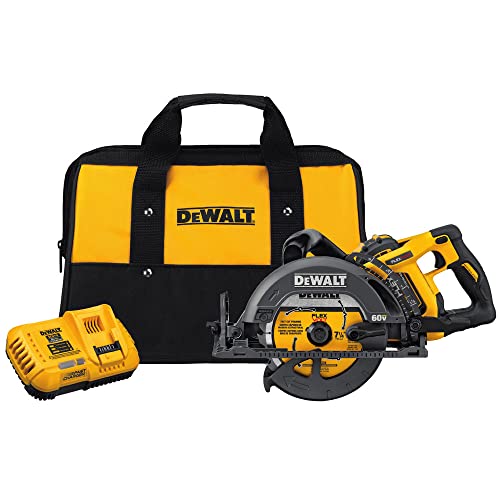
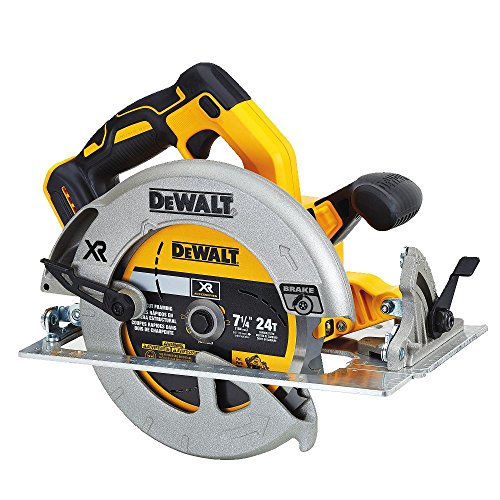
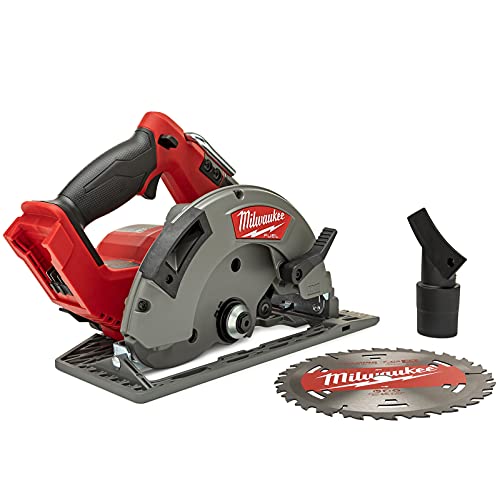

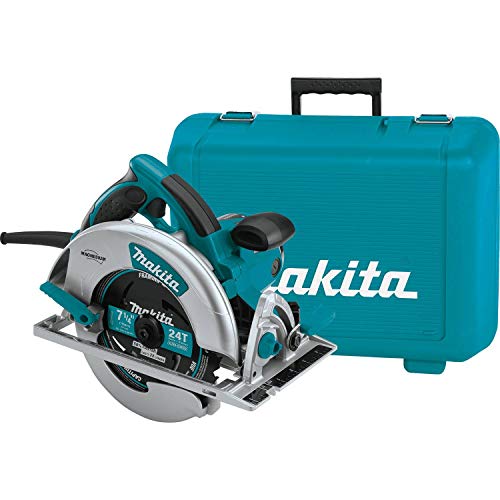

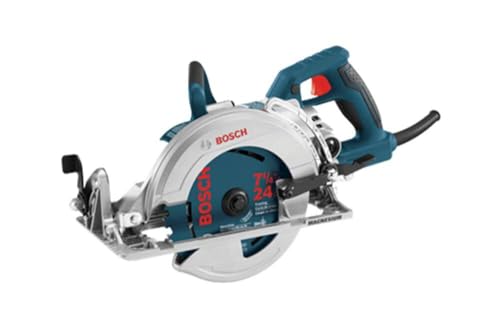

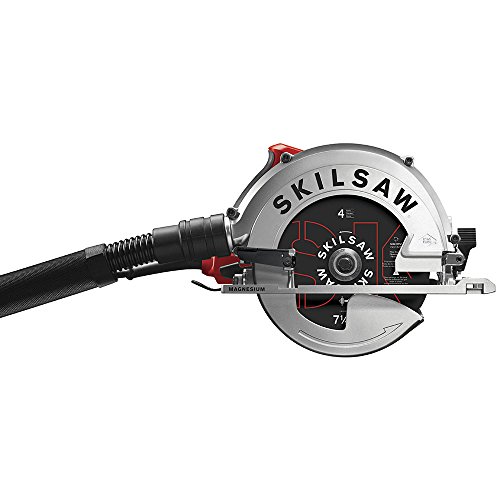

Who Should Buy Which 7 1/4 Inch Circular Saw?
Framers and Remodelers Cutting Lumber Daily
Your saw earns money, so power and durability come first. A corded 15 amp model or a flagship brushless cordless saw gives you the sustained cutting speed that framing demands, and a magnesium shoe keeps weight down without giving up rigidity. Bevel detents you can trust and a guard that retracts smoothly over angled cuts save time on every rafter and joist. This group should also weigh worm drive designs, covered in the features below, because the torque and sight lines differ in ways framers feel immediately.
DIYers Breaking Down Sheet Goods and Building Projects
Your cutting list is plywood, decking, fencing, and the occasional 2x frame, usually guided by a straight edge. A mid range saw with an electric brake and a flat, stiff shoe will serve you better than raw power, because accuracy on sheet goods comes from the base plate and the line of sight, not the motor. Cordless models shine here for quick cuts without hunting for an outlet. Keep a fine tooth blade for plywood and a coarse framing blade for lumber, and the same saw covers both worlds.
Homeowners Replacing a Worn Out Saw
If the old saw strains, wanders, or has a bent shoe, a modern 7 1/4 inch replacement is the simplest upgrade in the shop. This size reuses the blades you may already own and handles every household cut from laminate flooring to shed framing. Buyers cutting only a few times a year can choose a lighter, simpler model and put the savings into good blades and a speed square. Renters and apartment dwellers who mostly cut small stock should also peek at the smaller class in the guide to the best mini circular saw, which stores in a drawer.
Key Features to Compare
Cutting Depth at 90 and 45 Degrees
A 7 1/4 inch blade typically delivers about 2 3/8 to 2 5/8 inches of depth at 90 degrees, which passes through 2x lumber, about 1 1/2 inches thick, with room to spare. At a 45 degree bevel the depth drops to roughly 1 3/4 to 1 7/8 inches, still enough to bevel the same stock in one pass, which is the entire point of this blade size. Check both figures on the box rather than assuming, because shallow designs exist that fail the bevel test on thicker material. Depth adjustment should move smoothly and lock without creep, since a shoe that sags mid cut ruins accuracy and invites binding.
Corded Amps vs Cordless Power
Corded saws rate power in amps, with 15 amps the full strength standard, while cordless saws depend on motor design and battery output. In daily terms, a good corded saw never fades during a long ripping session, while a cordless saw trades a little sustained pace for total freedom of movement. Runtime on cordless models is measured in cuts per charge and improves sharply with larger, high output packs. The dedicated comparison in the guide to the best corded circular saw helps if your work is shop based and outlets are always near. Let your cutting locations, not habit, make this call.
Shoe Material and Base Plate Flatness
The shoe, or base plate, is the saw foundation, and it steers every cut you make. Magnesium shoes are light and stiff and dominate the better models, while stamped steel shoes on cheap saws can bend in a drop and never cut straight again. Sight down the shoe edge in the store and reject any saw whose plate is visibly warped. Also check the front edge markings for rip and bevel scales that are stamped or printed clearly, because you will read them on every setup. A shoe with a smooth, wide front lip rides a straight edge guide without chattering.
Bevel Capacity and Detents
Most saws in this class bevel to 45 degrees, and better ones reach 56 or 57 degrees for steep roof and trim work. Positive stops at 45 degrees, and sometimes at 22.5 degrees, speed up repeatable angled cuts, but only if the stop is accurate out of the box, so plan on checking it against a square during setup. The bevel lock should be a lever you can operate with gloves on, positioned where your hand does not have to cross the blade path. Also look at how far the bevel scale reads: clear degree markings matter more than an extra degree of range you will never use.
Blade Side, Sight Lines, and Handling
Sidewinder saws mount the motor beside the blade, keeping the tool short and light, while worm drive saws place the motor behind, adding torque and length. Blade position follows the layout: right handed sidewinders usually put the blade on the right, and worm drives put it on the left, which many framers prefer because the cut line stays visible without leaning over the saw. There is no universal winner, only the layout that matches how you stand and sight. The full comparison of layouts lives in the guide to the best worm drive circular saw, and it is worth reading before spending pro level money.
Brakes, Guards, and Dust Management
An electric brake stops the blade within a couple of seconds of releasing the trigger, which matters when you make repeated cuts and set the saw down between them. The lower guard should snap back crisply when you test it by hand and slide open smoothly when the saw meets the edge of a board; a sticky guard is the most common source of awkward, dangerous starts. Dust ports and blowers clear the cut line on sheet goods, and a rafter hook sounds trivial until you work on a roof or ladder and need both hands free. Treat these as daily use features, not accessories.
Is a 7 1/4 Inch Circular Saw the Right Size for You?
Stay with this size if your work centers on framing lumber, decking, and sheet goods, because it is the only compact class that bevels 2x stock in one pass. Step down to a 6 1/2 inch saw if you mostly cut trim, flooring, and single sheets and want the lightest tool possible, accepting that thick bevel cuts take two passes. Step up in layout rather than size, to a worm drive, if you rip long lumber all day and want the torque and sight line that design gives. Timber framing and beams beyond 2x stock leave circular saw territory entirely and call for a beam saw or a chainsaw with a guide.
Common Mistakes to Avoid
- Cutting with a dull or wrong tooth blade, which causes burning, wandering, and most kickback events.
- Letting the offcut fall away unsupported, so it pinches the blade at the end of the cut.
- Setting the blade far deeper than the material requires, exposing more blade than the cut needs.
- Pinning the lower guard back to start cuts, removing the protection the guard exists to give.
- Ignoring the blade rotation arrow when changing blades, which makes the saw tear instead of cut.
- Forcing a slow cut to go faster, overheating the motor and glazing the blade.
How to Make Your 7 1/4 Inch Circular Saw Last Longer
Blades and shoes decide how long this saw stays accurate. Clean pitch off blades with a household cleaner soak and a nylon brush, because a gummed blade cuts like a dull one and strains the motor. Check the shoe for flatness after any drop, and verify the blade still sits square to the plate with a small square before blaming your technique for crooked cuts. Keep the lower guard moving freely by clearing packed sawdust from its pivot, and never oil it, since oil traps grit. Store the saw with the blade retracted or covered, keep cordless packs indoors, and a saw treated this way will hold its settings for years.
FAQ
What is the best 7 1/4 inch circular saw?
The best model is the one whose shoe is flat, whose bevel stops are accurate, and whose power source matches where you cut. Framers should shop the corded 15 amp and worm drive classes, while project builders get more from a mid range cordless with a good brake. A quick store test settles most arguments: set a 45 degree bevel, lock it, and check it against a square, then reject any saw that needs fiddling to land true.
How deep can a 7 1/4 inch circular saw cut?
Expect about 2 3/8 to 2 5/8 inches at 90 degrees and roughly 1 3/4 inches at a 45 degree bevel, depending on the model. Here is the number that matters in practice: a single pass through 4x4 posts is beyond this class, since a 4x4 measures about 3 1/2 inches. The standard workaround is to cut from two opposite sides with careful layout lines, which works well for posts and landscape timbers.
What size circular saw do I need for 2x4 lumber?
A 7 1/4 inch saw is the comfortable answer, because it cuts 2x stock at 90 degrees and at a 45 degree bevel in single passes, and both cuts appear constantly in framing and deck work. A 6 1/2 inch saw handles the straight cuts but falls short on bevels. If nearly all your lumber cutting is straight crosscuts on a bench, a miter saw does that job with more repeatability, so let the share of bevel and rip cuts in your projects make the decision.
Is a corded or cordless 7 1/4 inch circular saw better?
Corded is better for long ripping sessions, all day framing, and buyers who do not want batteries in the budget. Cordless is better everywhere else: quick cuts, roofs, yards, and job sites where dragging a cord is a trip hazard. Modern brushless cordless saws cut framing at a pace close enough that most users never feel the gap. The honest tie breaker is the rest of your tool shelf, since sharing big batteries with other tools changes the real price of cordless.
How long does a circular saw blade last?
A sharp carbide framing blade can cut for many months of regular use, while a single session in dirty demolition lumber or one hidden nail can end it in seconds. Judge by cut quality rather than a calendar: burning, extra effort, and chipped plywood veneer all say the blade is done. One habit extends blade life more than any other: keep a cheap blade mounted for demolition and pressure treated stock, and save your good blades for clean material.
Final Thoughts
The best 7 1/4 inch circular saw is the one with a flat shoe, honest power, and bevel stops you can trust, in the layout your hands prefer. Use the product table above to compare classes on those grounds, decide the corded versus cordless question by where you actually cut, and spend what you save on blades. A saw in this size, chosen carefully, is the tool that builds decks, sheds, and half the furniture in the house.


