
Best 9 Inch Angle Grinders for 2026: A Buying Guide
Disclosure: We may earn a commission when you buy through links on this page, at no extra cost to you. As an Amazon Associate I earn from qualifying purchases. Learn more

Pick the best 9 inch angle grinder for deep cuts and demolition by comparing amps, weight, guard design and the safety features this size demands.
A 9 inch angle grinder is a demolition class tool: heavy, powerful and built for deep cuts in concrete, stone and thick steel that smaller grinders simply cannot reach. Choosing the best 9 inch angle grinder is mostly about power delivery, weight you can control for a full shift, and safety features sized for the energy this disc carries. This guide explains what separates the classes and who should, and should not, own one.
Below you will find the crews this tool serves, the features that matter at this scale, and a section on the cutting work it exists for. The comparison table below summarizes the main classes, and the FAQ covers sizing, service life and cleaning. Prices are approximate, and at this size the purchase decision should start with your workload rather than your budget.


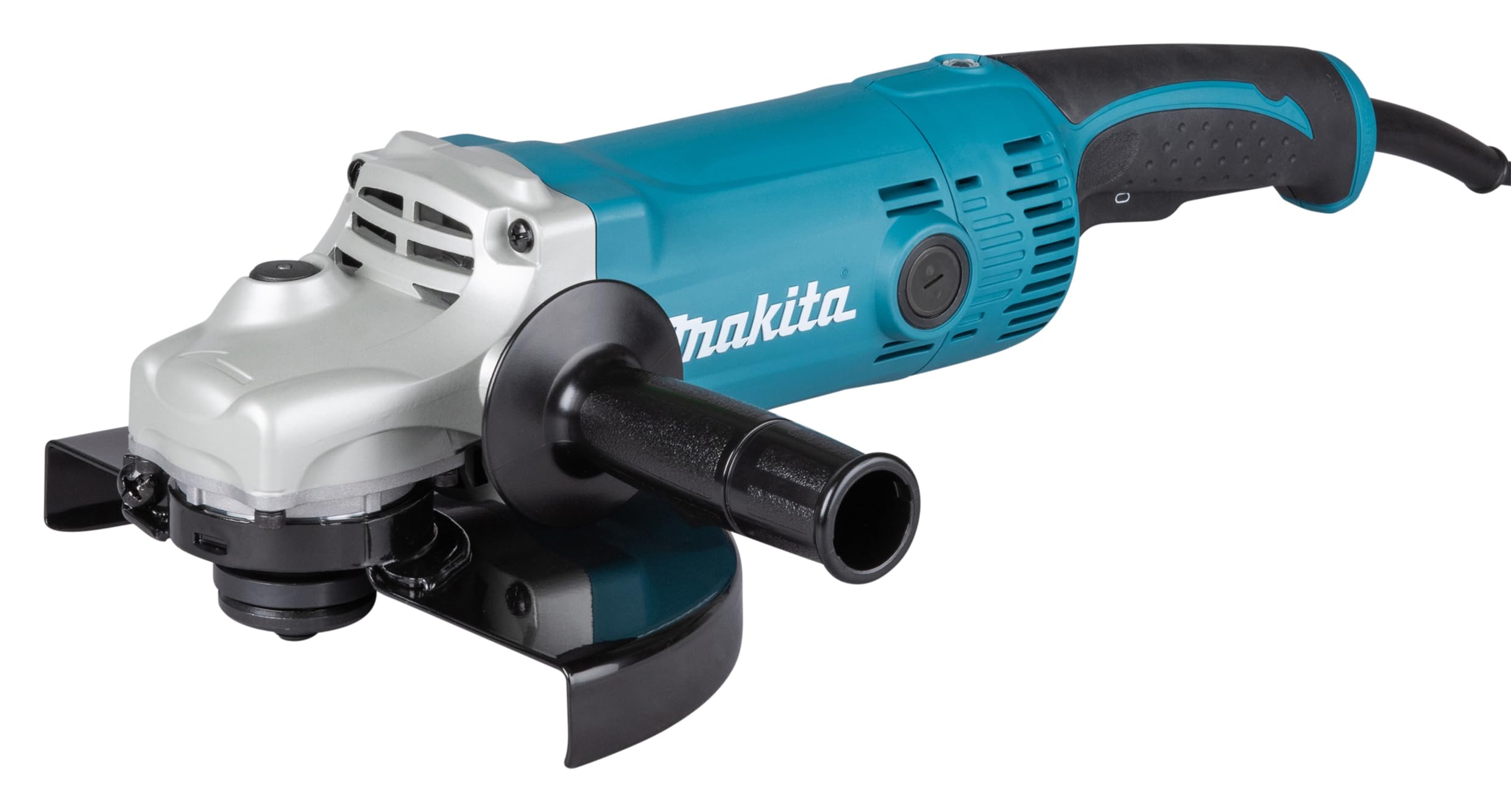
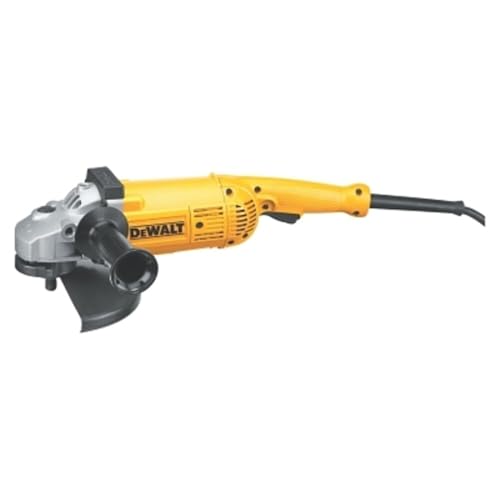
Who Should Buy Which 9 Inch Angle Grinder?
Concrete and Demolition Crews
Cutting door openings, trimming slabs and removing sections of wall are the home ground of this size. A 9 inch diamond blade reaches about 3 inches deep, enough to score most slabs and block from one side. Choose a corded model with a 15 amp class motor and a rotating rear handle, so your grip stays natural on vertical and horizontal cuts. Dust extraction shrouds in this size are common on professional models and are close to mandatory indoors, since a 9 inch cut generates dust at a rate small grinders never approach.
Industrial Fabricators and Shipyard Style Work
Heavy plate, large pipe and structural sections justify the size in metal work. A 9 inch grinding wheel removes material fast during beveling and weld cleanup on thick sections, where smaller discs would take several times longer and wear out rapidly. These users should prioritize motor durability, sealed bearings and a dealer who stocks discs locally, since a crew stopped by an empty disc shelf loses more than the tool costs. Weight matters less here because most work happens at bench or waist height with two hands.
Property Owners With Occasional Heavy Jobs
Some owners face a short list of heavy tasks: cutting a concrete pad, removing a steel post set in concrete, trimming thick stone. For a one off job, renting this class is often smarter than buying, because the tool is specialized and storage hungry. Buy instead if heavy projects recur across seasons, such as ongoing masonry work on a property. Either way, treat the learning curve seriously, since this size punishes casual technique. New users should practice on scrap concrete before touching finished work.
Key Features to Compare
Motor Power and Duty Cycle
Nearly every tool in this class is corded and rated around 15 amps, delivering the sustained torque deep cutting demands. The real differences hide in duty cycle and cooling: professional models are built to run for long stretches without thermal shutdown, while lighter duty versions need rest breaks. Check the stated no load speed, about 6,600 RPM for this size, and confirm any disc you buy is rated for it. Cordless 9 inch tools exist on high voltage platforms, yet runtime measured in minutes per pack makes them niche choices for remote cutting rather than main tools.
Cutting Depth and Disc Range
Depth is the reason this size exists: roughly 3 inches with a fresh diamond blade, against about 1 5/8 inches for a 5 inch tool. That reach cuts most concrete slabs, pavers and block in a single pass and slices large diameter pipe without rotating the work as often. Disc choices include diamond blades for masonry, cutoff wheels for steel and heavy grinding wheels for surface work, all on the same 7/8 inch arbor fitting used by smaller grinders. Disc prices are higher and local stock thinner, so factor a starter disc supply into the purchase budget.
Weight, Handles and Rotating Grips
Expect about 10 to 14 pounds before the disc, which is why handle design decides whether the tool is usable or exhausting. A rear handle that rotates lets you keep a neutral wrist on wall cuts and floor cuts alike. The side handle should offer multiple positions and a firm, vibration damped mount. Anti vibration systems matter more here than in any other grinder class, because fatigue at this power level leads directly to loss of control. If you cannot comfortably hold a model at arm height in the store, it will not get easier on a ladder.
Guard, Brake and Kickback Behavior
A bind in a deep cut stores serious energy, and when a 9 inch disc grabs, the tool twists hard. Look for a guard that covers the operator side fully and adjusts without tools, an electronic or mechanical brake where available, and restart protection on corded models. Some professional tools add clutch systems that slip under sudden load spikes, softening kickback. None of this replaces technique: cutting straight, supporting the work so the kerf cannot close, and standing out of the disc plane remain your primary protection at this size.
Switch and Cord Management
Lock on paddle or trigger switches are typical, and the choice is about control during long cuts. A dead man style switch that stops the tool on release is the safer default for demolition environments full of trip hazards. Cord length and strain relief deserve attention, since these tools live on extension cords across sites. Confirm the tool draws within your cord and breaker capacity, as a 15 amp tool on a light cord runs hot and loses power. Generator users should verify the tool starts cleanly on their unit before the job depends on it.
The Work This Size Exists For
Deep scoring of concrete before breaking, cutting openings in block walls, trimming thick stone, and sectioning large steel are the four jobs that justify a 9 inch grinder. For everything shallower, a smaller tool is faster to handle and cheaper to feed with discs. Readers choosing between classes should review the best angle grinder size overview, and those whose heavy work is all metal can compare priorities in the best angle grinder for metal guide. Sustained corded power is the norm here, as the best corded angle grinder class shows.
Common Mistakes to Avoid
- Buying this size as a first grinder, before building technique on smaller, more forgiving tools.
- Standing in line with the disc during deep cuts, exactly where a kickback or disc failure throws debris.
- Letting the cut close on the blade by cutting unsupported slabs, which binds and twists the tool violently.
- Fitting cheaper discs not rated for the tool speed, risking failure at the highest disc energy in the range.
- Skipping dust control indoors, where a single long cut can coat a house in fine concrete dust.
- Using speed rated accessories from slower classes; jobs needing low speeds belong with a best variable speed angle grinder instead.
How to Make Your Angle Grinder Last Longer
Concrete dust is the enemy at scale, so blow out the vents and switch area after every session and store the tool in a closed case away from damp floors. Allow the motor to run unloaded for a few seconds after heavy cuts, which lets the fan pull heat out of the windings. Inspect diamond blades for segment cracks and undercutting wear on the core, and retire any blade with missing segments. Keep the gearbox grease service in mind on professional models, since a regreased gear head outlasts a dry one by years. Check handle mounts and guard clamps for cracks after any drop, because this tool weight makes falls damaging.
FAQ
What is the best 9 inch angle grinder?
The best choice for most crews is a 15 amp corded model with a rotating rear handle, effective vibration damping, restart protection and a guard that adjusts without tools. Demolition users should add dust shroud compatibility to that list, and fabricators should add dealer disc support. Use the product table above to compare classes against your dominant work. At this size, fit and control outrank small spec differences, because a grinder you can hold steady cuts straighter and safer than a stronger one you fight.
What size angle grinder do I need for concrete?
Match depth to the slab. A 9 inch grinder cuts about 3 inches deep, which handles most residential slabs, block walls and thick pavers from one side. Thinner work like scoring joints or cutting tile is better served by 4 1/2 or 5 inch tools with finer control. Material deeper than 3 inches needs cuts from both sides or a dedicated concrete saw. Also plan water or extraction dust control before choosing, since deep dry cutting produces more dust than small tools by a wide margin.
How long does an angle grinder last?
In professional demolition use, a quality 9 inch grinder lasts years of daily work when dust is cleaned out and discs are kept balanced. Bearings, switches and cords are the common wear items, and all are replaceable on trade grade tools. Home users who store the tool dry may never wear one out. The fastest way to shorten its life is running it choked with concrete dust, which overheats the motor and grinds the bearings from inside.
Is a 9 inch angle grinder worth it?
It is worth it when deep cuts are a recurring part of your work, because no smaller grinder reaches 3 inches and renting repeatedly costs more than owning. It is not worth it for general metal and home use, where its weight, disc prices and hazard level all argue for a smaller tool. Be honest about frequency: a tool this specialized should earn its shelf space monthly, not yearly, to justify ownership over rental.
How do you clean a 9 inch angle grinder?
Disconnect power, remove the disc, and blow dust from the vents, switch and handle joints with dry compressed air, working outdoors because the dust volume is large. Wipe the guard and housing with a dry cloth and inspect the disc mounting faces for grit. Check the cord along its full length for cuts, since site cords suffer under this tool weight. Never hose down a grinder, and let it cool fully before boxing it, because a hot tool sealed in a case traps moisture.
Final Thoughts
Treat this class with the respect its disc energy deserves: buy for control and durability, practice on scrap, and plan dust management before the first cut. If your workload truly includes deep concrete and heavy steel, the classes in the product table above will narrow the field quickly. Chosen for the right work, the best 9 inch angle grinder does in minutes what smaller tools cannot do at all. Prices and availability can change, so check the product page before ordering.


