
Best A Frame Ladders for 2026: A Size and Safety Guide
Disclosure: We may earn a commission when you buy through links on this page, at no extra cost to you. As an Amazon Associate I earn from qualifying purchases. Learn more

Compare the best a frame ladder options by height, single or twin sided design, duty rating and material, with setup tips for home and trade use.
Some ladders need a wall. An A frame ladder needs nothing but flat ground: it opens into its own support, stands in the middle of a room and lets you work in any direction. The best a frame ladder is the one whose height, duty rating and frame material match the jobs you actually climb for, from ceiling paint to warehouse shelving.
This guide explains the choices that matter in this format: single or twin sided climbing, step height versus reach, and aluminum versus fiberglass. Use the comparison table below to line up heights, ratings and weights side by side. For the full landscape of ladder types before you commit to this one, our guide to the best ladder covers extension, telescoping and platform formats too.

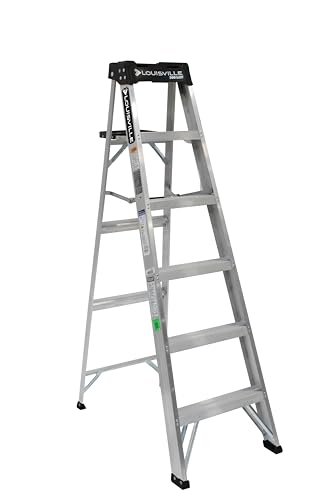


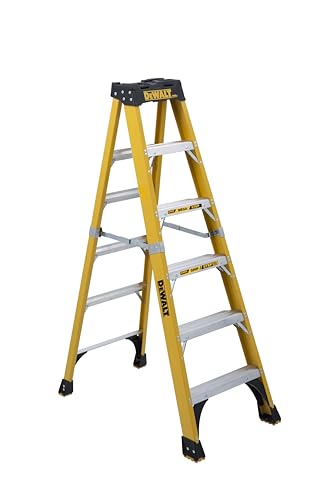
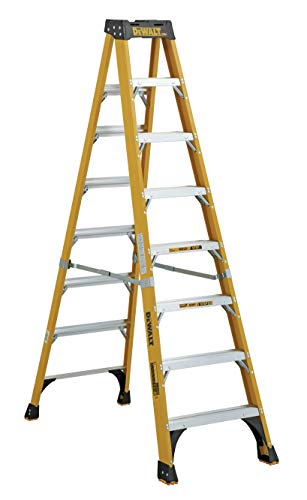


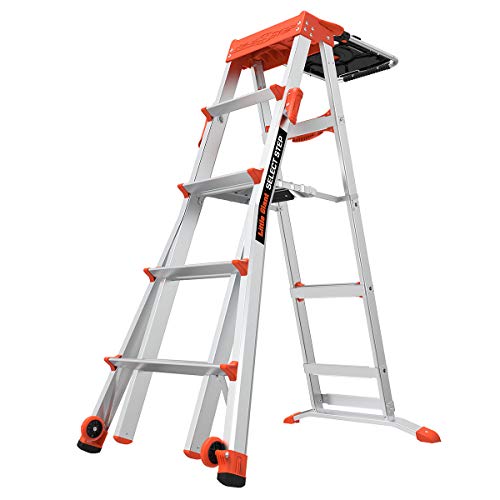

Who Should Buy Which A Frame Ladder?
The best a frame ladder choice comes down to how you climb: alone or in pairs, indoors or out, for minutes or for whole days.
Homeowners Handling Everyday Indoor Jobs
For painting rooms, swapping light fixtures, reaching closet shelves and cleaning ceiling fans, a 4 to 6 foot aluminum model is the household standard. It is light enough to carry with one hand, opens in seconds and stores behind a door. If your list also includes step stools and small reach aids for the kitchen, compare your options in our best ladder for home use guide before you overspend on height you will never climb.
Decorators and Two Person Crews
Twin sided A frame ladders let two people climb at once, one on each face, which is how decorating pairs hang paper on opposite walls or how a helper feeds material up to the person working. Each side carries its own rating, and the ladder must be rated for the combined style of use. Solo painters also like twin models, because you can climb whichever face points at the work instead of dragging the ladder around to reposition.
Electricians and Trades Working Near Power
Anyone who climbs near wiring, panels or overhead lines should choose fiberglass rails, because fiberglass does not conduct electricity when clean and dry. The weight penalty is real but irrelevant next to the safety gain. Trades users should also step up to a Type 1A rating, since tool belts, drills and material push the total load well past body weight, and a ladder that feels rock solid keeps its user calm at height all day.
Key Features to Compare
Single Sided vs Twin Sided Design
A single sided ladder has steps on the front face and plain rails on the back, which keeps it light and cheap. A twin sided model has full steps on both faces and a higher total capacity, at the cost of extra weight. The hidden benefit of twin designs is workflow: you climb the side facing the task, and a second person can stand on the far side as a stable helper. If you always work alone on short jobs, single sided is the honest buy. If your jobs involve pairs or constant repositioning, twin sided earns its weight.
Height, Reach and Ceiling Fit
A frame ladders are named by their open height, and your useful reach is roughly that height plus about 4 feet for an average adult standing on the highest allowed step. The highest allowed step is the key limit: the top cap and the step just below it are not standing surfaces, a fact printed on the rail label. For 8 foot ceilings, a 5 or 6 foot ladder is the classic fit. Going taller than the room allows is a real problem, because an 8 foot ladder opened under an 8 foot ceiling leaves your head in the drywall.
Duty Rating and Step Treads
Ratings climb from Type 3 household ladders at 200 pounds to Type 1A at 300 pounds, and the rating covers you plus everything in your hands and on your belt. Steps matter as much as rails: look for treads about 3 inches deep with a ribbed or serrated surface, because narrow smooth steps tire your feet and invite a slip in dusty shoes. On twin models, confirm the rating applies per side and check the combined limit, since two climbers plus tools can exceed a casual guess.
Frame Material: Aluminum, Fiberglass or Wood
Aluminum is the default for good reasons: light, strong, rust free and affordable. Fiberglass is the choice near electricity and in plants where chemical splashes attack metal. Wood A frame ladders still exist for orchard and traditional trade use; they are heavy and need indoor storage, but they shrug off sparks and heat. Whatever the material, inspect the rails for dents and cracks before you buy, because a damaged rail on a new ladder means it was crushed in shipping and should go straight back.
Top Cap, Tray and Folding Storage
The top cap is your workbench at height, so look for slots that hold a drill and screwdrivers upright, a magnet or tray for screws and a hook or recess for a paint can. A separate pail shelf that folds out behind the cap suits painters, as long as you remember it is a shelf, never a step. Storage decides whether the ladder lives ready or buried: measure the folded depth, check that the ladder stands folded without leaning, and note the weight, because the best ladder is the one you can grab without a grunt.
When an A Frame Is the Wrong Ladder
An A frame cannot lean, so it cannot put you at a roof edge, a gutter or a high exterior wall; those jobs need an extension ladder used at the proper angle. For attic access through a ceiling hatch, you need a folding pull down unit like the ones in our best attic ladder guide, not a step ladder balanced under the opening. And if storage space is your hardest limit, a best telescoping ladder collapses into a closet corner no A frame can match. Knowing what this format cannot do is part of buying it well.
Common Mistakes to Avoid
- Standing on the top cap or the pail shelf, so your weight sits on parts rated for paint cans, not people.
- Climbing the back rails of a single sided ladder, so you hang off a face with no steps and no grip.
- Setting up with one foot on a rug or a ramp, so the ladder rocks each time you shift your weight.
- Carrying tools up in both hands, so you climb with no hand free to hold the rail.
- Using a metal ladder beside a live panel, so one slip of the rail turns a reach into an electrical accident.
How to Make Your A Frame Ladder Last Longer
Keep the hinges and spreader bars clean and check that both bars lock flat before every climb, because grit in the joint is what makes a ladder feel loose with age. Wipe mud and paint off the steps the day it lands there, since dried paint on a tread is a slip surface. Store the ladder folded, dry and out of the weather; aluminum shrugs off a garage, fiberglass fades under constant sun and wood rots if it lives outdoors. Tighten any bolt that develops play, and retire the ladder the day a rail bends or a step cracks. If a fall leaves you dizzy, confused or with a headache that grows, get checked by a doctor the same day rather than climbing again.
FAQ
Are a frame ladders worth it?
Yes, for any work that happens away from a wall: ceilings, room centers, shelving aisles and garden trees. A ladder that supports itself removes the hunt for a safe leaning spot and the wall damage that leaning can cause. Households that only ever change bulbs beside a wall may be fine with less, but most owners find the A frame becomes the most borrowed tool they own.
Can you use an a frame ladder on stairs?
A standard A frame ladder should not be used on stairs, because the four feet must share one flat level surface. A few models are built with one leg that extends for stair work, and only those should ever straddle steps, set exactly as the maker directs. The common workaround of stacking blocks under one foot is genuinely dangerous and voids the rating, so borrow or buy the stair rated model instead.
What height a frame ladder do I need for a 9 foot ceiling?
A 6 foot ladder is the comfortable match, because it puts the highest allowed step at a level where your hands work at ceiling height without your head crowding the surface. A 5 foot model works if you are tall, but shorter users end up standing higher than they should. One practical check: you want to paint or drill while looking slightly up, not while ducking, and the 6 foot size gives that posture for most adults.
Can two people climb a twin a frame ladder at the same time?
Yes, that is what the twin design is for, as long as each climber stays within the per side rating and the pair respects the combined limit in the manual. Both climbers should face their steps, keep three points of contact and agree before either one descends. What you must never do is put two people on one side of any A frame ladder, twin or not, because the rails and steps are not built for that load path.
What is the best a frame ladder for painting?
Look for a 5 or 6 foot aluminum model with a pail shelf, a top cap with tool slots and a Type 1 rating or better, since paint, tray and tools add sneaky weight. Deep ribbed steps keep your feet comfortable through long cutting in sessions. If you paint in pairs or paper whole rooms, the twin sided version of the same ladder saves constant repositioning across a long day.
Final Thoughts
Pick the height for your ceilings, the rating for your real total load and the material for your hazards, and the rest is detail. Compare the shortlist in the product table above with those three numbers in hand, and check the rail label when the ladder arrives. Sized and rated honestly, the best a frame ladder becomes the steady platform your projects quietly depend on for years.


