
Best 10000 Watt Portable Generators Made Simple: A Clear Buying Guide for 2026
Disclosure: We may earn a commission when you buy through links on this page, at no extra cost to you. As an Amazon Associate I earn from qualifying purchases. Learn more

Shopping for the best 10000 watt portable generators for the first time? Learn the terms, compare options, and avoid rookie mistakes with this easy guide.
Buying your first large portable generator can feel confusing, because the box leads with a big watt number while the details that decide daily use sit in smaller print. This guide to the best 10000 watt portable generators starts with the plain language basics, then walks you through sizing, fuel, outlets, noise, and safe setup in a calm order.
By the end, you will know what 10000 watts can realistically run, which features deserve your money, and which extras you can skip with confidence. Start with the comparison table below, then use the sections that follow to check each option against your own home and habits.

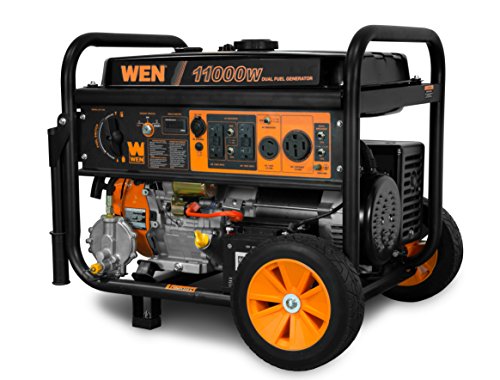


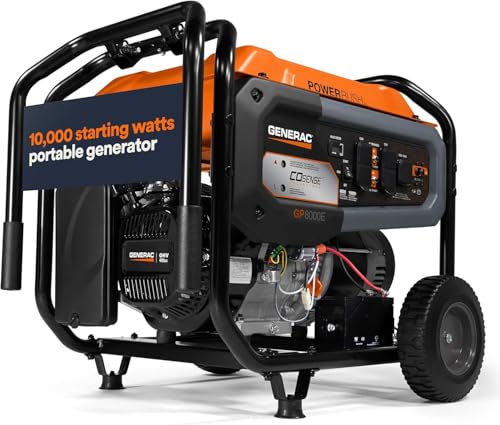


Who Should Buy Which 10000 Watt Portable Generator?
Homeowners Who Want Whole Home Backup Without a Fixed Unit
You are the classic buyer for this size class if you want lights, refrigeration, a well pump, and heating support during an outage, but you do not want a permanently installed system. Look for a 50 amp outlet, a long runtime at half load, and an electric start you can manage in bad weather. Readers comparing the next step up can also see our guide to the best portable generators over 10000 watts before deciding.
Owners of Workshops, Farms, and Large Properties
You need power in more than one place, so portability matters as much as output for your buying decision. Prioritize a strong frame, large wheels that roll over gravel and grass, and enough outlets to run tools without constant swapping of cords. A heavier machine is fine here if two people can load it, because the generator will mostly serve one work area at a time rather than travel daily.
Families Preparing for Storm Season on a Careful Budget
You want dependable backup a few times a year, not daily job site power, so value and simple upkeep should lead your choice. A conventional dual fuel model around $900 to $1300 often fits, since it covers the core loads without paying for the quietest operation or the cleanest power. Spend first on safe connection gear and fuel storage, and treat convenience extras as later upgrades.
Key Features to Compare
Running Watts Versus Starting Watts
Running watts describe the power a generator can supply hour after hour, while starting watts describe the brief surge it can handle when a motor switches on. A unit sold as 10000 watts often delivers about 8000 to 9000 running watts, and that lower figure is the one your load list must respect. Add up everything you plan to run at once, then add the largest single motor surge on top, because a refrigerator, a sump pump, and a furnace blower rarely start in a tidy sequence. Leave a margin of about 20 percent so the engine is not straining at its limit all night, which also keeps voltage steadier and fuel use calmer.
Fuel Type, Tank Size, and Runtime
Gasoline is easy to find and gives the highest output on most dual fuel models, while propane stores for far longer and burns cleaner, though it usually trims peak watts a little. Runtime claims only mean something at a stated load, so compare hours at half load rather than the longest number on the box. A large tank of about 6 to 8 gallons can carry a home through the night without a cold refill trip in the rain. If outages in your area last for days, easy fuel access may matter more than a small difference in tank size.
Outlets and Transfer Switch Connection
The outlet panel decides how safely and simply the generator can serve your home, and this is where first time buyers most often underbuy. A 50 amp 240 volt outlet lets an electrician connect the generator to a transfer switch or an interlock with an inlet box, which powers chosen circuits without a web of extension cords. Smaller 30 amp outlets suit lighter loads, while standard household outlets help outdoors but should never be stretched into a whole home plan. Never connect a generator to house wiring through a dryer outlet or any improvised cord, because that can send power back into utility lines and endanger line workers.
Power Quality and Total Harmonic Distortion
Total harmonic distortion, often shortened to THD, describes how clean the electrical output is, and lower numbers are gentler on sensitive electronics. Many conventional models in this class sit at higher THD levels, which is usually fine for motors, lights, and heating equipment, but less ideal for delicate devices. Inverter models deliver cleaner power and steadier voltage, though at this size they cost more and are less common. A practical approach is to run laptops and medical devices through a quality surge protector or a separate small power station, and to ask the device maker what power quality it requires.
Noise, Weight, and Real Portability
Portable is a relative word at this size, since most 10000 watt models weigh about 200 to 280 pounds and need two adults and a ramp for vehicle loading. Noise ratings around 74 to 78 decibels at a standard test distance mean conversation is possible nearby but sleep in the next room may not be. Wheel size, handle design, and balance decide whether one person can reposition the unit on a driveway without help. Before buying, picture the exact storage spot, the path to its running position outside, and who will move it during a storm at night.
Starting Method and Carbon Monoxide Protection
An electric start with a recoil backup gives you the easiest routine start and a fallback if the small starter battery runs down after months in storage. A carbon monoxide sensor that shuts the engine off when gas builds up is now a core safety feature, not a luxury, and you should treat any model without one with caution. Look as well for low oil shutoff, which protects the engine if oil runs low during a long outage. Keep the starter battery charged by running the generator monthly, a habit that also keeps fuel moving through the system.
Sizing Your Loads and Setting Up Safely
Make a written load list before you shop, room by room, and mark each item as essential, useful, or easy to skip during an outage. Typical draws include a refrigerator at about 150 to 250 running watts, a sump pump at about 800 to 1300 watts, and a central air conditioner that can demand far more at startup than its running figure suggests. If air conditioning pushes you past this class, compare the best 12000 watt portable generators rather than hoping a smaller unit will cope. If your list totals well under this class, the best 8000 watt portable generators may save money, weight, and fuel.
Setup follows a fixed safe pattern that you should practice once in daylight before any real outage arrives. Place the generator outdoors at least 20 feet from doors, windows, and vents, with the exhaust pointing away from the house, and never run it in a garage, porch, or basement. Let it cool before refueling, keep fuel in approved containers away from living space, and check local rules for any added requirements. Readers who want a broader view of this watt class can also read our guide to the best 10000 watt generators for stationary and portable options side by side.
Common Mistakes to Avoid
- Buying on the starting watt number alone, which leaves too little running power and causes overload shutdowns during the first real outage.
- Running a generator in a garage or near an open window, which can fill the home with carbon monoxide that you cannot see or smell.
- Plugging the generator into house wiring without a transfer switch or interlock, which can backfeed utility lines and create a lethal hazard.
- Skipping the practice setup, which means your first attempt happens in darkness, rain, and stress with cords and outlets you have never handled.
- Storing gasoline for many months without a plan to rotate it, which leads to hard starting exactly when you need the machine most.
- Ignoring the weight of the unit, which turns a good generator into one nobody in the household can move to its safe running spot.
How to Make Your Portable Generator Last Longer
Run the generator under a modest load for about 20 to 30 minutes each month, because regular exercise keeps seals supple, charges the starter battery, and reveals small faults while there is still time to fix them. Change the oil after the first short break in period and then at the interval in the manual, since large air cooled engines depend on clean oil more than on any other single habit. Check the air filter, spark plug, and fuel lines each season, and clean cooling fins so the engine can shed heat on hot days.
For storage, either run the carburetor dry or use fuel stabilizer as the manual directs, and store the machine dry, covered, and off bare concrete if possible. Keep a small kit with the generator that holds spare oil, a plug, filters, and the funnel you actually use, so maintenance never waits on a shopping trip. Note the date of each oil change on a card tied to the handle, a simple record that prevents guesswork a year later.
FAQ
How long can a 10000 watt portable generator run continuously?
A 10000 watt portable generator can often run about 8 to 12 hours on a tank at half load, and many owners run one through a full day with refueling breaks. Continuous duty still needs pauses for oil checks and cooling before refueling, because heat and low oil are the real limits. During a long outage, a rhythm of running for several hours and resting the machine protects both the engine and your fuel supply.
Is a conventional or inverter 10000 watt portable generator better for a home?
A conventional model is usually better value for home backup, while an inverter model gives cleaner power and calmer operation at a higher price. For motors, lights, and heating equipment, conventional output is generally adequate and the savings can fund a proper transfer switch. Choose the inverter route mainly if the maker of sensitive equipment in your home specifies low distortion power, or if you will use the generator close to living space every week.
Can a 10000 watt portable generator run a refrigerator and other kitchen appliances together?
Yes, a generator in this class can run a refrigerator along with lights, a microwave used briefly, and several small appliances at the same time. The catch is staggering the heavy draws, since a microwave, a coffee maker, and a space heater together can consume most of your running watts. One practical habit is to give the kitchen a simple outage menu of meals that need only one heating appliance at a time.
Do I need a transfer switch for a 10000 watt portable generator?
Yes, you need a transfer switch or an approved interlock if you want the generator to power house circuits, and a licensed electrician should install it. Extension cords through a window can serve a few plug in loads, but they cannot safely run a furnace, a well pump, or hardwired lights. Budget for this installation from the start, because it is the part of the system that protects your family, your wiring, and utility workers.
What size portable generator does a typical house actually need?
A typical house needs about 5000 to 7500 running watts for essentials alone, and this 10000 watt class adds room for a well pump, larger heating equipment, or partial air conditioning. Homes with modest needs may find the best portable generators 7500 watts easier to move and cheaper to feed. The honest method is your own load list, since two houses of the same size can differ by thousands of watts once pumps and heating are counted.
Final Thoughts
For a first purchase, focus on three things in order: enough running watts with a sensible margin, a safe and legal way to connect to your home, and a weight you can truly manage. Fuel choice, noise, and starting method then refine the shortlist from the product table above. Chosen that way, the best 10000 watt portable generators stop being a confusing wall of numbers and become a calm, practical layer of protection for your household.


