
Best 7500 Watt Portable Generators: Matching the Right Model to Your Routine for 2026
Disclosure: We may earn a commission when you buy through links on this page, at no extra cost to you. As an Amazon Associate I earn from qualifying purchases. Learn more

Compare the best 7500 watt portable generators by use case: home backup, job site power, and farm work, plus the features that matter for each routine.
There is no single best machine in this size class, because a 7500 watt portable generator does very different jobs in different yards. One runs a house through an ice storm, another feeds saws on a framing site, and a third keeps a barn and a well working on a rural property. This guide to the best 7500 watt portable generators starts from your routine, then matches features to it, so you buy for the work you actually do instead of the largest number on the shelf.
Machines in this class typically deliver about 7500 running watts with higher starting watts for motor surges. The comparison table below shows the current field, and each section that follows ties a feature back to one of the three routines above.
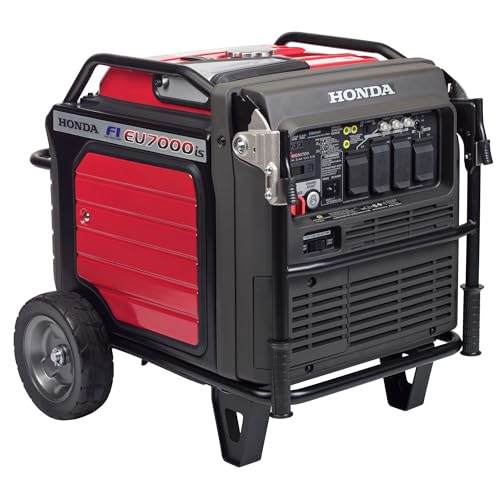


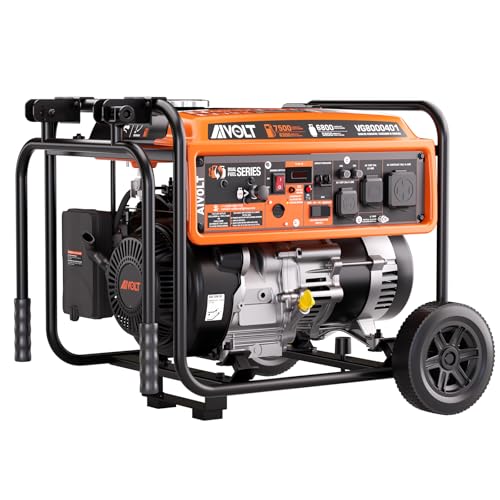

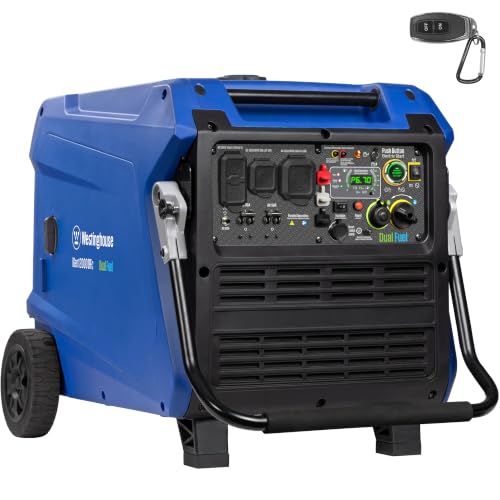
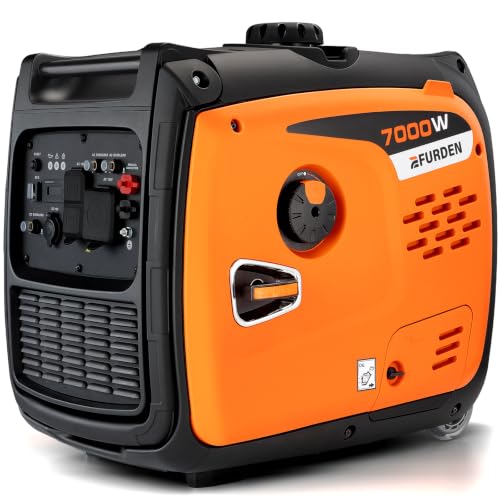
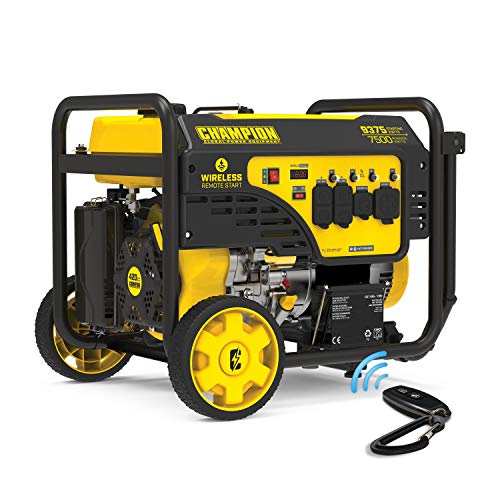
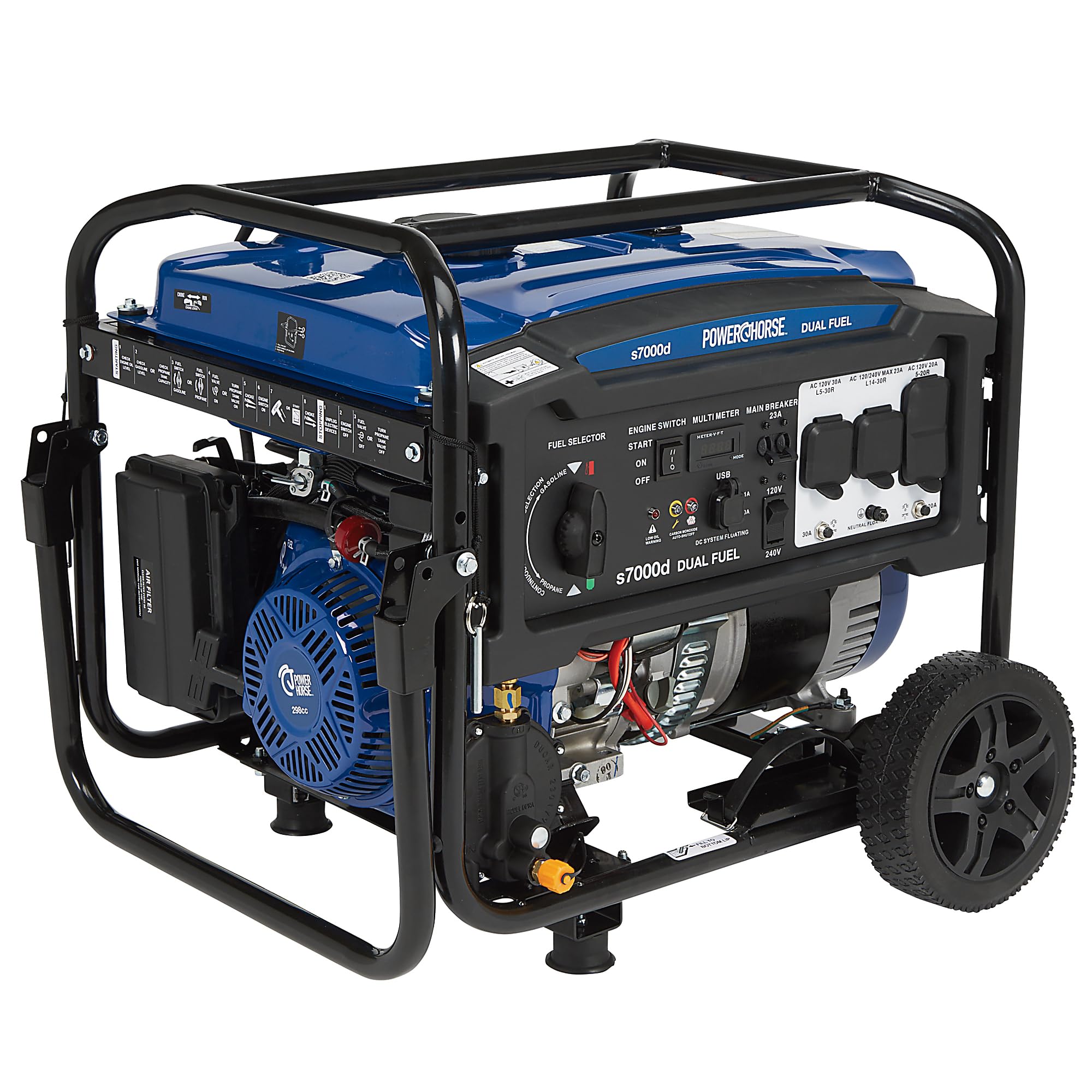
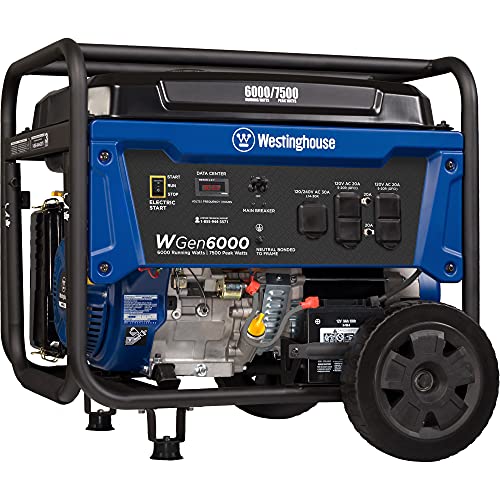
Who Should Buy Which 7500 Watt Portable Generator?
Homeowners Running Most of the House During Outages
Your routine is a transfer switch or an inlet box, a furnace, a well pump, refrigeration, lights, and a few outlets, all through one storm weekend. Prioritize a 240 volt 30 amp or 50 amp outlet, electric start, and a large tank that carries the house overnight. Dual fuel earns serious attention in your case, because propane stored on site stays ready between seasons. If your load list grows to include central air with no load management at all, step up to the best 10000 watt portable generators rather than asking this class to do a job it cannot.
Contractors and Crews Powering a Job Site
Your generator works daily, rides in a truck, and feeds compressors, saws, and chargers in dust and weather. Prioritize a strong steel frame, GFCI protected outlets, covered receptacles, and a job site tough wheel kit. Clean power matters less for most tool motors, so a conventional model often fits your budget better than an inverter at this size. Look hard at the warranty terms for commercial use, since some brands shorten coverage for work duty, and that single clause can matter more than a few hundred watts of headline output.
Rural and Farm Users Covering Wells, Barns, and Freezers
Your routine mixes distance and duty: a well pump at the house, freezers in the barn, and long cable runs between them. Prioritize runtime per tank, a fuel gauge you can read at a glance, and simple controls that anyone on the property can operate. A model with a reputation for easy cold starts earns its place during winter chores. Owners comparing the broader field can also scan the best rated portable generators to check how this class balances output against weight and noise for property use.
Key Features to Compare
Running Watts, Starting Watts, and 240 Volt Output
The headline 7500 figure should be running watts on any model you seriously consider, with starting watts several thousand higher for motor surges. The 240 volt outlet is the gateway feature of this class, because it feeds a transfer switch or inlet box and lets one machine serve many circuits. Confirm the outlet amperage, since a 30 amp outlet caps how much of the output your panel can draw at once even when the engine has more to give. Match that cap to your panel plan with your electrician before you buy, not after the inlet is installed.
Fuel System, Tank Size, and Runtime
Gasoline models in this class carry tanks of about 6 to 8 gallons and commonly run about 10 to 12 hours at half load. Dual fuel versions add propane, trading a little output for fuel that stores for years and keeps the carburetor clean between outages. Runtime claims assume a partial load, so a house pulling near full output will drain a tank far sooner. For storm country, plan storage for at least two full days of fuel, rotated into your vehicles each season so the gasoline you count on is never the stale can in the corner.
THD and Electronics on Whole House Loads
Conventional portables at this size often produce THD above 5 percent, which older appliances tolerate but modern furnaces, LED lighting, and electronics may not. Some newer models advertise low THD output under 5 percent, and that line on the spec sheet deserves a close read if your furnace has an electronic control board. A board failure during a heating outage turns a power problem into a frozen pipe problem. If sensitive loads dominate your list, this single spec can push you toward a low THD model or toward whole home inverter options in a larger class.
Electric Start, Weight, and Moving the Machine
Expect about 180 to 220 pounds before fuel, so the wheel kit, handle design, and tire type decide whether setup is a one person job or a wrestling match. Electric start with a recoil backup is the practical standard here, and the battery needs a charge check a few times a year. Flat free tires remove one classic failure, a soft tire discovered as the storm arrives. Measure your storage door and the path to the running spot, because a wide frame that cannot pass the gate or the shed door fails your routine no matter how strong the engine is.
Safety Gear: CO Shutoff and GFCI Protection
A carbon monoxide shutoff sensor belongs on every model in this class, since these engines produce exhaust at a rate that fills a garage or a carport with dangerous gas quickly. The sensor stops the engine when carbon monoxide collects around the unit, but it never makes indoor running safe. GFCI outlets matter for job site and outdoor use, cutting power when current leaks through water or a damaged cord. Test the GFCI button monthly along with your engine run, and replace any cord with a cracked jacket before the season starts rather than during it.
Noise and Placement on a Real Property
This class is loud by generator standards, commonly in the low to mid 70s dBA at a quarter load, and no muffler claim changes that physics much. Placement does the heavy lifting: run the unit at least 20 feet from the house with the exhaust pointed away, on level ground, clear of windows and doors. Distance from bedrooms matters more than the two or three decibels separating brands.
Setting Up a 7500 Watt Portable Generator for Home Backup
The safe path to whole house use runs through an electrician. An inlet box on an outside wall plus an interlock kit or a transfer switch lets the generator feed selected circuits while physically preventing backfeed into the grid. Your electrician will match the inlet amperage to the generator outlet and help you choose which circuits earn a place on the backup panel. Homeowners whose plans outgrow this class mid project should compare the best 8000 watt portable generators and the best 12000 watt portable generators before the panel work begins, since changing size afterward costs far more than choosing correctly now.
Rehearse the full routine once in fair weather. Roll the machine out, connect the cord, start the engine, flip the interlock, and confirm that the furnace, pump, and fridge all run together. Time how long the setup takes and write the steps on a card stored with the cord. A routine you have practiced in daylight takes minutes; the same routine invented at midnight in freezing rain is where mistakes, and carbon monoxide accidents, tend to happen.
Common Mistakes to Avoid
- Buying this class for a fridge and two lamps, which wastes fuel, money, and storage space on output you never use.
- Skipping the electrician and backfeeding a panel through a dryer outlet, a practice that endangers line workers and your wiring.
- Running the generator in a garage with the door open, which still allows carbon monoxide to reach living spaces.
- Ignoring the outlet amperage cap, so the panel can draw less power than the engine rating led you to expect.
- Letting the start battery die in storage, which turns electric start into a hard pull on the coldest night of the year.
- Storing a full tank of untreated gasoline for a year, which invites a gummed carburetor at the worst possible moment.
How to Make Your 7500 Watt Portable Generator Last Longer
Run the engine monthly for about 20 minutes with a real load connected, such as a space heater or a work light, so the windings stay dry and the fuel system stays clear. Change the oil after the first short break in interval, then on the schedule in the manual, and keep a log taped inside the storage area door. Clean or replace the air filter each season, more often for job site duty in dust.
Between seasons, stabilize the fuel or drain the system, charge the battery, and park the machine on a mat in a dry corner with the fuel valve closed. Inspect the cord and plug ends for heat damage or cracks before each storm season. After any long outage, let the unit cool, check the oil, and note the run hours while the details are fresh, because the next service interval arrives based on hours, not on how memorable the storm was.
FAQ
How long can a 7500 watt portable generator run continuously?
On a full tank, most models in this class run about 10 to 12 hours at half load, and they can keep going through a long outage with refueling stops. Always shut the engine down and let it cool before adding fuel, and check the oil at each stop. After roughly 100 hours of operation, plan an oil change even if the outage continues, rotating to a backup plan for that hour if you have one. Heat and dust shorten those intervals on job sites.
Can a 7500 watt portable generator run a refrigerator?
Yes, easily, and that is almost the smallest job this class does, since a refrigerator uses only a few hundred watts once running. The real question is what else shares the circuit plan, because a well pump, a furnace blower, and a microwave can join the fridge without strain if they start at different moments. Use the outage rehearsal to confirm your actual combination. If the fridge is truly your only load, a far smaller and quieter generator will serve you better.
What size generator does a house need for near full backup?
Near full backup without central air usually lands between 7500 and 10000 running watts for a typical home with a well pump and electric water heating excluded or managed. Central air, an electric range, and a dryer running together push past this class entirely and call for load management or a much larger standby unit. An electrician can measure your panel loads and give a number based on your house rather than a national average, which is the estimate worth paying for.
Is an inverter or conventional generator better at 7500 watts?
A conventional generator is the common answer at this size, since large inverter models cost considerably more and stay heavier. Choose a conventional unit with a low THD rating if your furnace controls and electronics need cleaner power. Choose an inverter model only when noise limits or very sensitive loads justify the jump in price. For most home backup and job site routines, a conventional machine with a carbon monoxide sensor and a strong frame delivers the better value per watt.
Does a 7500 watt portable generator need a transfer switch?
For panel connected use, yes, a transfer switch or an interlock kit is the safe and code compliant way to feed house circuits. Extension cords remain fine for a fridge, a freezer, and a few lamps, but they cannot run a hardwired furnace or well pump. The switch also protects against backfeeding, which is the hazard that injures utility crews. Budget the electrician visit into the purchase from the start, since at this size the connection hardware is part of the real system cost.
Final Thoughts
Match the machine to the routine: panel connection and fuel storage for homeowners, frame strength and GFCI outlets for crews, and runtime for rural properties. Check the product table above against those priorities, and the best 7500 watt portable generators for your yard, site, or farm will be the ones that fit your week, not just your wattage math.


