
Best 12000 Watt Portable Generators: Matching the Right Model to Your Routine for 2026
Disclosure: We may earn a commission when you buy through links on this page, at no extra cost to you. As an Amazon Associate I earn from qualifying purchases. Learn more

Match the best 12000 watt portable generators to your routine, comparing runtime, fuel, outlets, safety, and transfer switch readiness.
A generator in this class can carry a whole house through an outage, run heavy tools at a job site, or keep an RV comfortable off grid, but those jobs reward different designs. There is no single winner for every routine. This guide matches the best 12000 watt portable generators to how you will really use one, so fuel choice, outlets, and runtime line up with your needs.
We compare what matters at this size: running watts versus starting watts, tank size, transfer switch readiness, and carbon monoxide safety. Start with the comparison table below, then find your routine in the sections that follow.


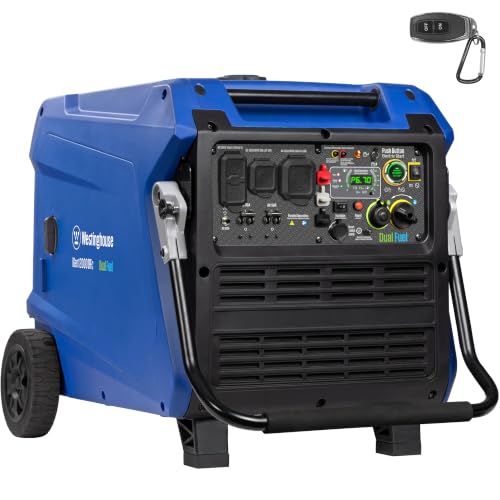

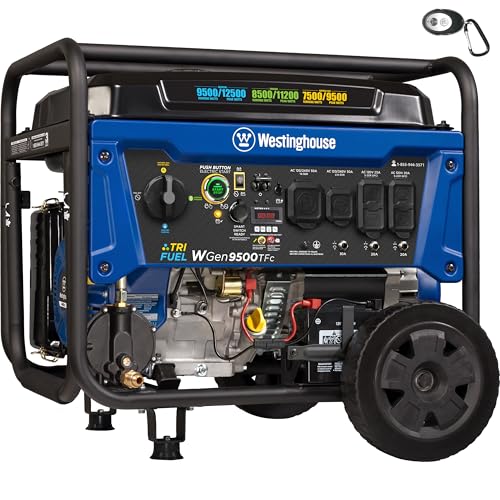


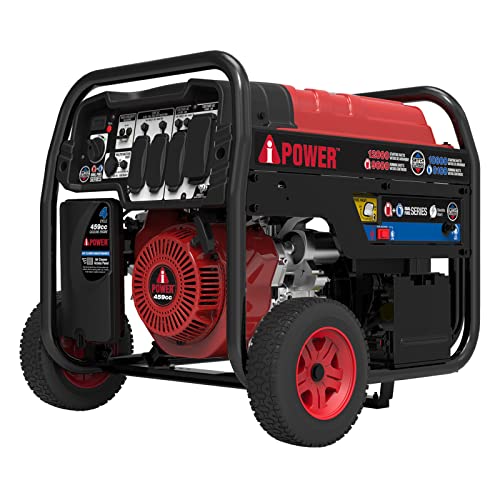

Who Should Buy Which 12000 Watt Portable Generator?
Homeowners Backing Up a Whole House During Outages
You want lights, refrigeration, a well pump, and heating or cooling support when the grid fails. You need a 50 amp outlet and transfer switch readiness above all else, plus enough runtime to sleep through the night. Dual fuel models suit you well, since propane stores safely for months between storms. Electric start is close to a must at this size, because pull starting a large engine in the dark and rain is nobody's idea of fun.
Contractors and Serious Workshop Users
You run table saws, compressors, and chargers where no outlet exists, and downtime costs money. Your priorities are durable frames, large fuel tanks, and multiple outlets that spread loads without tripping breakers. Noise matters less to you than toughness, but runtime per tank still decides your day. Look for models with hour meters and clear maintenance reminders, since a work generator earns its keep only when it starts on the first try every single week.
RV Owners and Property Owners in Storm Country
You split time between travel and home backup, so one machine must do both jobs. You need manageable weight with a solid wheel kit, since this class starts at around 200 pounds dry. A balance of outlets matters: a 50 amp outlet for the house inlet, a 30 amp RV style outlet, and standard outlets for tools. If outages hit your area every season, also weigh propane runtime; our guide to the best portable generators over 10000 watts puts this class in wider context.
Key Features to Compare
Running Watts Versus Starting Watts
The 12000 watt figure on the box is usually starting watts, the brief surge the generator can supply when a motor kicks on. Running watts, often about 9000 to 10000 on these models, is what it can supply all day. Add up the running watts of everything you plan to power, then add the largest single starting surge on top. A refrigerator may run at about 150 watts yet surge near 800 watts at startup, and a well pump surges far higher. Size for the surge or the generator will trip when you need it most.
Fuel Type, Tank Size, and Runtime
Gasoline delivers full rated output and refuels anywhere, but it stores poorly and needs stabilizer for standby duty. Dual fuel models can run on propane at slightly lower output, yet propane never goes stale and connects to a tank you may already own. Runtime claims assume a partial load, often 50 percent, so a tank that promises about 10 to 12 hours at half load will give you less at heavy load. For overnight home backup, runtime at realistic load beats peak watts as a buying factor.
Outlets and Transfer Switch Readiness
Look for a 120/240 volt 50 amp outlet if you plan to feed a home inlet box, since that single connection powers both legs of your panel through a transfer switch or an interlock kit installed by an electrician. A 30 amp outlet serves RV and heavy tool use, and covered standard outlets handle chargers and lights. Never connect a generator to a house with a cord plugged into a wall outlet, since backfeeding endangers line workers. Hire an electrician for the inlet setup; it is the safe and legal path.
Carbon Monoxide Protection and Safe Placement
Carbon monoxide safety is the most important feature on any fuel burning generator. Many current models include a CO sensor that shuts the engine down when gas builds up nearby. That sensor is a backup, never a license to run indoors. Always run the generator outside, at least 20 feet from doors, windows, and vents, with the exhaust pointed away from the house. Never run one in a garage, even with the door open. Read the safety labels before the first start, not during the first outage.
Noise, Weight, and Moving the Machine
Generators in this class are loud, commonly around 70 to 78 decibels at a working distance, roughly like a vacuum cleaner running nonstop. No portable model at this output is quiet, so plan placement with your neighbors and your own sleep in mind. Weight runs from about 200 to 280 pounds with fuel adding more, so a sturdy frame, large wheels, and folding handles decide whether one person can position it. Test the path from storage to your running spot before storm season, including any slope or gate.
Engine, Starting, and Power Quality
Electric start with a recoil backup is the practical standard at this size; remote start adds comfort for home backup. Standard models produce power with higher total harmonic distortion, which most motors, heaters, and chargers tolerate fine. Sensitive electronics run more safely on cleaner power, so if you plan to power medical gear or delicate equipment, ask the maker about distortion ratings or use a quality surge protector and battery backup for those items. Readers stepping down in size can compare the best 10000 watt portable generators to see what a slightly smaller class gives up.
Common Mistakes to Avoid
- Sizing by the starting watts headline alone: the machine trips offline the first time two motors start together.
- Planning to run the generator in a garage or near a window: carbon monoxide can build up indoors within minutes and cause fatal harm.
- Skipping a transfer switch and using a wall outlet instead: backfeeding puts power company crews at risk and breaks electrical codes.
- Storing gasoline for months without stabilizer: stale fuel clogs the carburetor and the generator fails at the first real outage.
- Forgetting the break in oil change: early debris stays in the engine and shortens the life of a major purchase.
- Buying on price while ignoring outlet layout: you end up short of the one connection your house or RV actually needs.
How to Make Your 12000 Watt Portable Generator Last Longer
Run the generator under a moderate load for about 20 to 30 minutes each month, since regular exercise keeps seals supple, charges the start battery, and moves fresh fuel through the system. Change the oil after the break in period the manual sets, then at the stated hours or once a year. Check the air filter and spark plug each season, and keep the cooling vents clear of leaves and dust before every run.
For storage longer than a month, follow the manual: stabilize the fuel or drain the carburetor, and for propane models simply close the tank valve. Store the machine dry, covered, and off bare concrete if your space is damp. Keep a spare quart of the correct oil, a plug, and fresh fuel treatment with the generator, so a midnight outage does not become a parts hunt. Owners comparing ownership costs across sizes may also review the best rated portable generators for a broader view.
FAQ
Do you need a transfer switch for a 12000 watt portable generator?
Yes, you need a transfer switch or an interlock kit to power house circuits safely with this generator. These devices isolate your panel from the grid so power never flows back onto utility lines. A licensed electrician should install the inlet box and the switching gear. If you only run cords to individual appliances, no switch is needed, but you give up hardwired loads such as a well pump or a furnace blower.
How long can a 12000 watt portable generator run on one tank?
Most models in this class run about 8 to 12 hours on one gasoline tank at roughly half load. Heavy loads shorten that span, and light loads stretch it. Propane runtime depends on tank size, with a standard 20 pound tank lasting notably less than a full gasoline tank at the same load. For multiday outages, plan fuel storage in advance and let the engine cool fully before refueling.
Can a 12000 watt portable generator run a central air conditioner?
Many 12000 watt models can start and run a central air conditioner of about 3 to 4 tons, but the starting surge decides it. Check the locked rotor amps on your unit data plate and compare with the generator surge rating. A soft start kit on the air conditioner lowers the surge a great deal and makes success far more likely. Have an HVAC technician confirm the numbers before you rely on cooling during an outage.
Is dual fuel worth it on a 12000 watt portable generator?
Dual fuel is worth it for standby home backup, where stored fuel readiness matters most. Propane output runs about 10 percent lower than gasoline output on the same machine, yet propane stores for years and burns cleaner. If you already keep propane for a grill or a heater, the shared supply adds convenience. Pure job site users who refuel daily often stay with gasoline only. The best 8000 watt portable generators guide shows how fuel choices shift at smaller sizes.
What size generator do you need to power a whole house?
A generator of about 9000 to 10000 running watts covers most whole house needs short of running every large appliance at once. This 12000 watt starting class fits that bill for many homes with gas heat and a moderate air conditioner. Homes with electric heat, a large well pump, and a big air conditioner together may need load management, which means choosing which circuits the transfer switch feeds. An electrician load calculation settles the question for your house.
Final Thoughts
Match the machine to your routine first: transfer switch readiness for home backup, tank size and toughness for work, and wheels plus fuel flexibility for mixed use. Then confirm the running watts, not just the headline number. Compare your finalists in the product table above, plan the safe outdoor running spot today, and the right pick among the best 12000 watt portable generators will be ready long before the next outage. Homeowners weighing a smaller step down can also scan the best portable generators 7500 watts class for lighter duty needs.


