
Best Aluminum Pipe Wrenches in 2026: A Buying Guide
Disclosure: We may earn a commission when you buy through links on this page, at no extra cost to you. As an Amazon Associate I earn from qualifying purchases. Learn more

The best aluminum pipe wrench keeps hardened steel jaws at about 40 percent less weight. Learn how to size it by jaw capacity and when steel still wins.
A steel pipe wrench earns its keep on the first stuck fitting, then spends the rest of the day punishing your shoulder, your tool bag, and your arm on overhead work. The best aluminum pipe wrench keeps the same hardened jaws and self tightening grip while cutting the weight dramatically, and that trade defines who should buy one.
This guide explains where aluminum wins, where steel still rules, and how to size the wrench to your pipe. Look at the comparison table below for the size classes, then read on for the honest limits of the lighter tool.


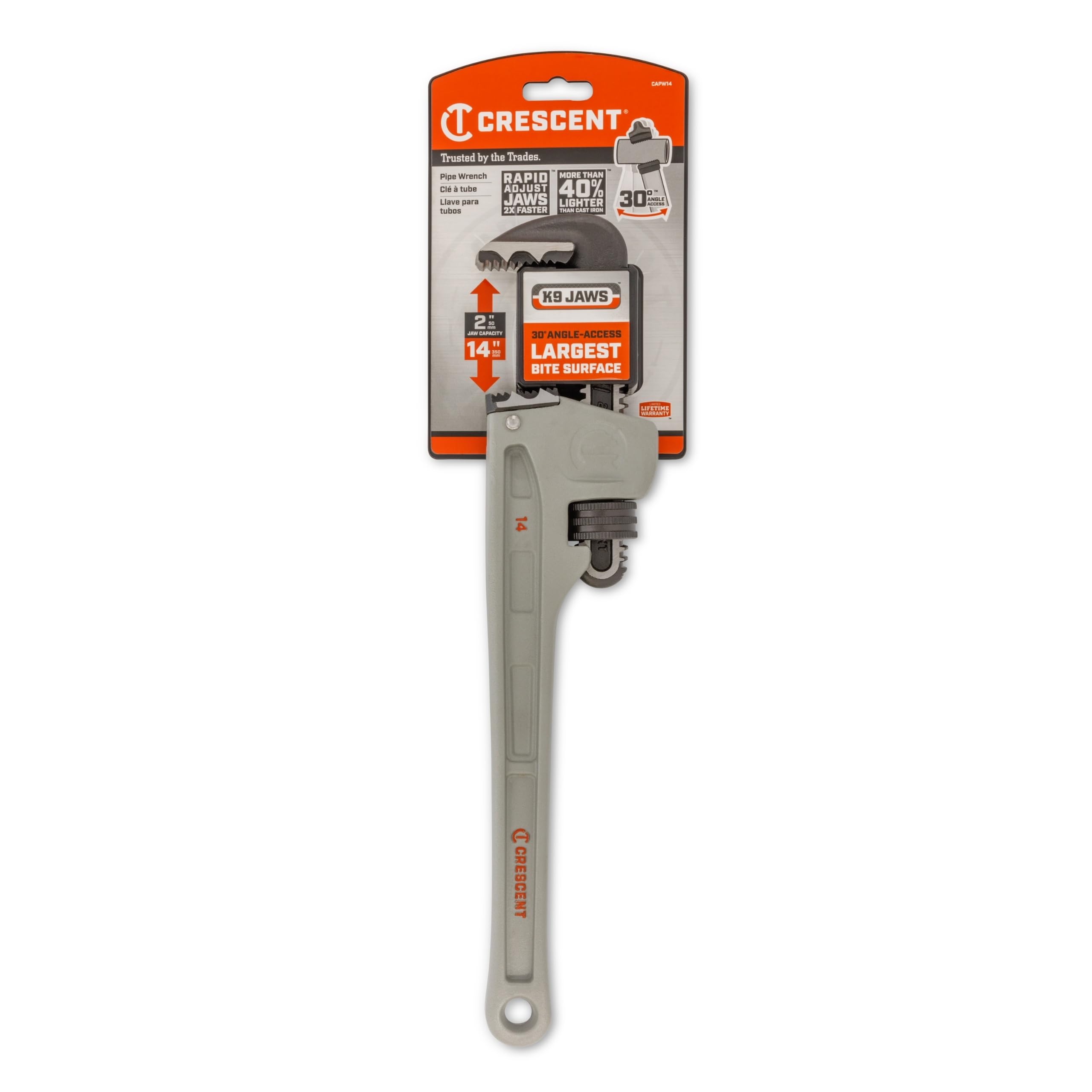


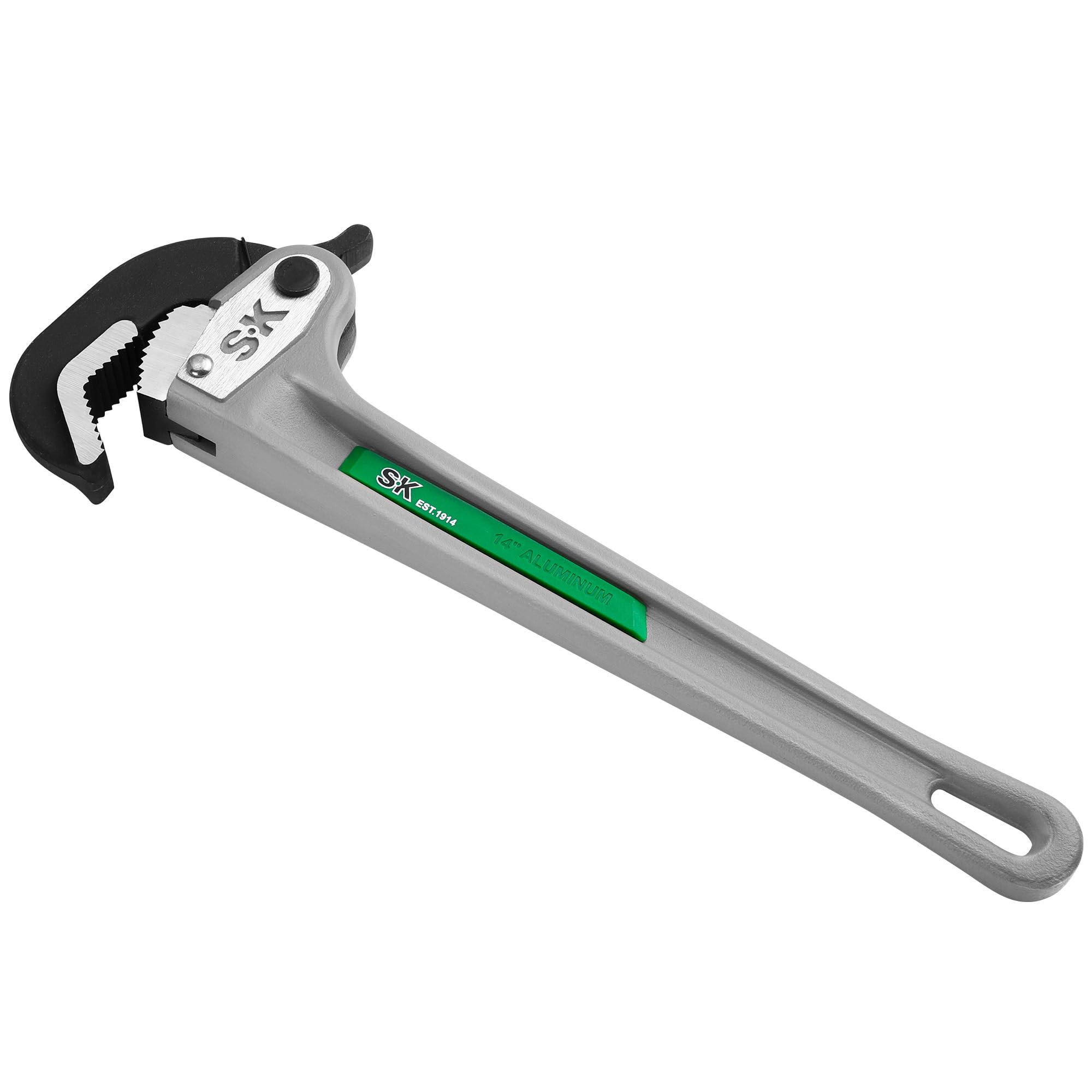

Who Should Buy Which Aluminum Pipe Wrench?
Working Plumbers Who Carry Wrenches All Day
You climb, crawl, and reach with your tools for hours, and every pound in the bag is a pound your back pays for. An aluminum wrench in the 14 inch size handles most of your daily fittings at a fraction of the steel weight, so it becomes the wrench you actually carry instead of the one left in the truck. Keep one steel wrench for the worst seized joints and use aluminum for everything else.
Overhead and Plant Maintenance Workers
Sprinkler lines, plant piping, and ceiling level work mean holding a wrench above your head while it bites. Aluminum transforms that job, because your arm lasts the whole shift and you keep control of the swing. Workers in wet or chemical environments gain a second benefit, since aluminum resists the rust that slowly ruins steel handles stored in damp plants and service trucks.
Homeowners Who Want One Capable Wrench
You face a stuck cleanout plug or a stubborn union a few times a year and want a tool that does not feel like a workout. A 14 inch aluminum wrench covers most home pipe sizes, stores easily, and will not rust in a garage or basement. You pay more than the steel equivalent, but you gain a wrench you will still be happy to grab in twenty years.
Key Features to Compare
Weight Savings and What They Cost You
An aluminum pipe wrench is often around 40 percent lighter than a steel wrench of the same length, a difference you feel in the first minute overhead. The jaws and teeth remain hardened steel, so the grip itself is not compromised. The compromise sits in the handle, which flexes sooner under extreme leverage. Aluminum is the right call for daily carrying and positioning, while maximum breaking force on ancient fittings still belongs to steel.
Jaw Capacity Matched to Pipe Size
Buy by jaw opening, not by handle length alone. As a typical guide, a 10 inch wrench opens to about 1.5 inches, a 14 inch to about 2 inches, an 18 inch to about 2.5 inches, and a 24 inch to about 3 inches of pipe. Measure the outside diameter of the fittings you meet most, then choose the smallest wrench that swallows them, because oversizing adds weight and clumsiness in tight quarters under sinks and inside joist bays.
Teeth and Jaw Design
The bite comes from hardened, slightly angled teeth that dig in as you pull, tightening the grip under load. Look for clean, sharp tooth profiles and a hook jaw that rocks slightly, which helps the wrench seat itself on the pipe. Better aluminum wrenches use replaceable jaw components just like professional steel ones, so a worn jaw is a parts order rather than a new tool. Dull or rounded teeth are the first sign a wrench is near the end of its working life.
Handle Strength and the Cheater Bar Rule
Aluminum handles are strong in normal service, with quality castings rated for the torque their size class expects. What they will not forgive is a length of pipe slipped over the handle for extra leverage, a trick called a cheater bar. That abuse can bend or snap an aluminum handle that a steel handle might survive. If a fitting needs that much force, switch to a larger steel wrench or penetrating oil and patience instead.
Corrosion Resistance and Working Environments
Aluminum does not rust, which makes these wrenches ideal for marine work, food plants, water treatment, and any kit that lives in a damp truck box. The surface can oxidize to a dull gray, but that film is cosmetic and does not weaken the tool or stain your hands the way rust scale does. For crews who wipe tools down rarely, this alone can justify the price premium over steel.
Choosing Between Aluminum and Steel
The full category picture, including offset patterns and end wrenches for tight spots, is covered in our guide to the best pipe wrench designs, and it is worth reading before you commit to a material. The short version is simple. Aluminum wins on weight, corrosion, and daily comfort, and it handles the great majority of fittings a plumber meets. Steel wins on price and on the small set of brutal jobs where a fitting must move or something breaks.
Most professionals end up owning both, with aluminum as the daily driver. If your work is specifically household plumbing, our guide to the best pipe wrench for plumbing maps sizes to the fittings you will actually meet under sinks and around water heaters, which helps you pick the one or two lengths worth buying in aluminum first.
Common Mistakes to Avoid
- Slipping a cheater bar over an aluminum handle, which can bend or crack the casting under sudden load.
- Buying by handle length instead of jaw capacity, so the wrench cannot close on your most common fittings.
- Expecting aluminum to replace a 36 or 48 inch steel wrench on seized industrial joints it was never sized for.
- Leaving worn, rounded teeth in service, which slip under load and chew up the pipe surface instead of gripping it.
- Paying the aluminum premium for a wrench that will live on a bench, where the weight saving never gets used.
How to Make Your Aluminum Pipe Wrench Last Longer
Clean the teeth with a wire brush after dirty jobs, because packed grit and pipe compound stop the teeth from biting and make the wrench slip. A drop of light oil on the knurled adjusting nut keeps it turning freely, and that nut should spin with your thumb when the wrench is healthy. Store the wrench dry and out of standing water, mainly to protect the steel jaw parts rather than the handle.
Inspect the hook jaw and heel jaw for chipped or flattened teeth a few times a year, and replace worn jaw parts promptly, since slipping under load damages both the pipe and the wrench. Never use the handle as a hammer or pry bar, a habit that bends castings and voids any claim of normal use. Treated as the precision gripping tool it is, an aluminum wrench serves for decades.
FAQ
How much lighter is an aluminum pipe wrench than a steel one?
Typically around 40 percent lighter at the same length, which on a 14 inch wrench means the difference between a tool you notice all day and one you forget is in your hand. The savings grow with size, so the case for aluminum gets stronger on 18 and 24 inch wrenches. The jaw assembly stays steel, which is why the grip performance remains equal while the carrying weight falls away.
Are aluminum pipe wrenches as strong as steel pipe wrenches?
For the fittings in their size class, yes, quality aluminum wrenches are rated to do the same work and their steel jaws bite identically. The difference appears at the extremes of abuse, where a steel handle tolerates cheater bars and hammer blows that can damage an aluminum casting. In normal professional use without those tricks, strength is not the reason to choose steel, price and brute breaking work are.
When should you choose a steel pipe wrench instead of aluminum?
Choose steel when the wrench will live on a bench or truck as a rarely used breaker for seized fittings, when your budget is tight, or when you need the very large sizes where maximum leverage matters more than weight. Steel also suits crews who share tools roughly, since it shrugs off treatment that would scar aluminum. Occasional users who will never carry the wrench far may never feel the benefit they paid extra for.
Can you use a cheater bar on an aluminum pipe wrench?
You should not. Extending the handle multiplies the force on the casting far beyond its design, and aluminum tends to bend or crack rather than flex back. If a joint needs more force than the wrench alone delivers, move up a size, apply penetrating oil and wait, or use a steel wrench built for that abuse. Snapping a handle mid pull is also a hand injury waiting to happen, since your weight is committed to the swing.
How long does an aluminum pipe wrench last?
The handle essentially does not wear out in normal service, and the steel jaw components are replaceable, so a quality aluminum wrench can last an entire career. Teeth condition decides real lifespan, because once teeth round over and slip, the tool is done gripping safely until the jaws are renewed. Corrosion, the usual killer of steel wrenches in damp storage, is a non issue for the aluminum body itself.
Final Thoughts
Aluminum pipe wrenches trade a little brute abuse tolerance for a lot of daily comfort, and for most plumbers and serious home users that trade pays off every single day. Size yours by jaw capacity, respect the cheater bar rule, and keep the teeth clean and sharp. Compare the size classes in the product table above before you order. For anyone who carries or lifts a wrench all week, the best aluminum pipe wrench is the one that makes the work feel lighter without giving up the bite.


