
Best And Quietest Generators: A Low Noise Checklist for 2026
Disclosure: We may earn a commission when you buy through links on this page, at no extra cost to you. As an Amazon Associate I earn from qualifying purchases. Learn more

A low noise checklist for the best and quietest generators: decibel ratings, inverter design, eco mode, placement and battery stations for calm backup power.
Noise is the feature you live with every minute a generator runs. A unit that sounds fine in a store video can drone through a campsite, keep a household awake, or draw complaints from the neighbors during a long outage. This guide ranks the best and quietest generators by a practical checklist: honest decibel ratings, the design choices that actually lower sound, and the placement habits that keep the noise you bought from creeping back up.
Begin with the comparison table below, and pay close attention to the load and distance behind each decibel figure. A rating means little until you know how it was measured, and the sections that follow show you how to read those numbers like a sound engineer would.
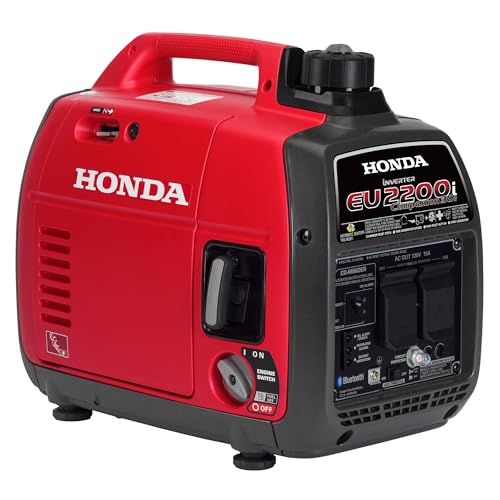
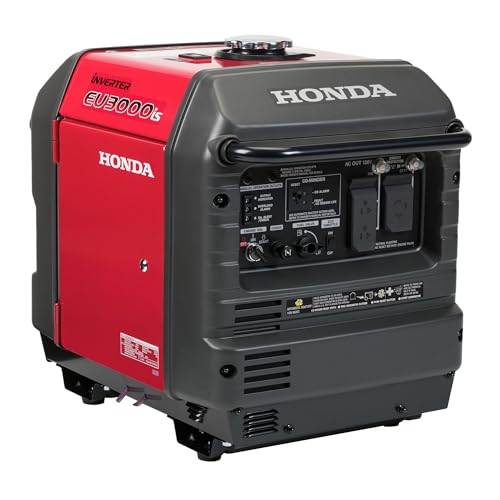
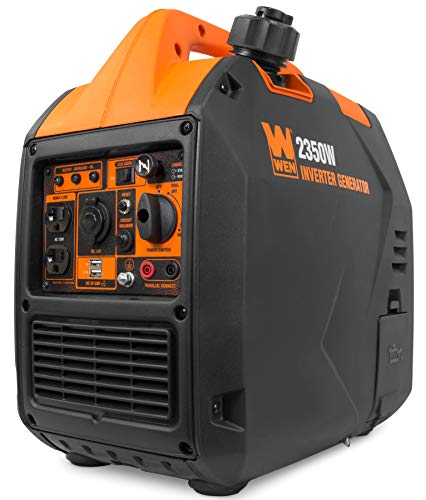
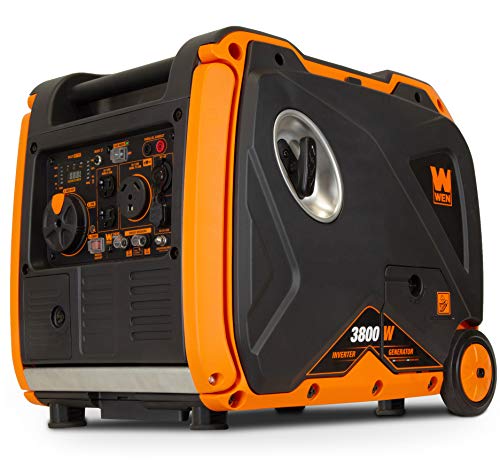
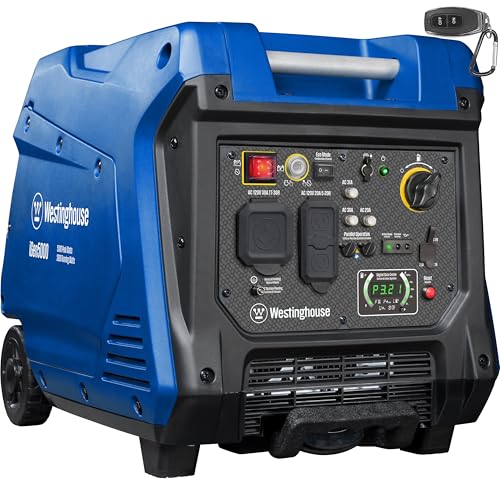


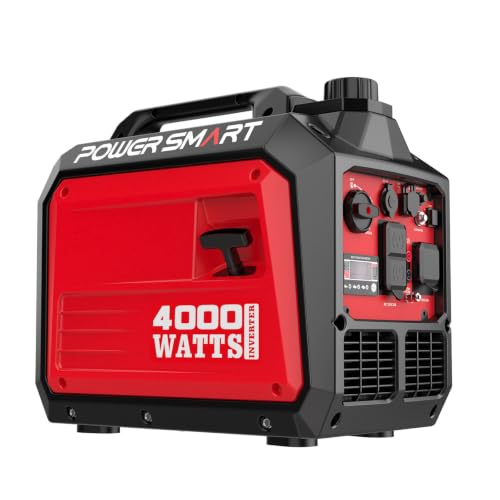

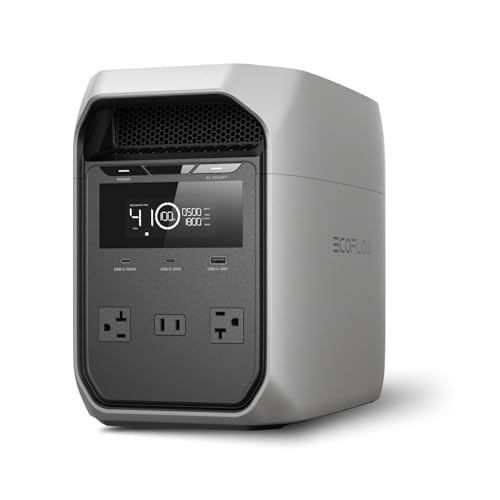
Who Should Buy Which Quiet Generator?
Quiet means different things at a campsite, in a suburb, and beside a food truck. Find your situation below before you set a decibel target.
Campers and RV Travelers Sleeping Nearby
You sleep within a short walk of the generator, and campground rules often limit both noise and generator hours. An inverter model rated in the low to mid 50 decibel range at quarter load suits you best, since it can idle down overnight while running a fan or charging batteries. Weight also matters, because you lift the unit in and out of storage at every stop. Prioritize a compact inverter with eco mode and a padded carry handle over raw wattage.
Homeowners in Dense Neighborhoods
Your outage power runs close to shared walls, fences, and open windows, so a loud conventional unit strains neighborly relations fast. A midsize inverter generator or a fixed standby model with an insulated enclosure fits best. Standby units quote noise at exercise and full load, and their housings are built to soften sound. If you lean portable, our guide to the best and quietest portable generators focuses only on movable models with low noise ratings.
Light Sleepers and CPAP Users
You need power through the night for a CPAP machine, a fan, or a refrigerator, and every surge in engine speed can wake you. A battery power station is the quietest answer of all, since it has no engine and only a faint cooling fan. It suits overnight loads that stay modest. For longer outages, pair a station for the night hours with a quiet inverter generator that recharges it during the day, when a bit more sound bothers nobody.
Key Features to Compare
Five factors decide how quiet a generator truly is in your yard or campsite. Judge each one before you trust a headline decibel claim.
Decibel Ratings and How They Are Measured
Decibels follow a scale where an increase of 10 points sounds roughly twice as loud to your ears. Makers usually measure at a set distance, often 23 feet, and at quarter load, so two ratings are only comparable when both load and distance match. A generator rated at 52 decibels under a light load may reach the mid 60s while carrying a heavy one. Treat the quarter load figure as your cruising noise and expect more sound whenever motors start or large appliances switch on.
Inverter Design and Variable Engine Speed
Inverter generators adjust engine speed to match the load instead of running flat out at a fixed speed. That single trait explains most of their noise advantage, because a slower engine makes less sound and burns less fuel. Inverter output is also clean, with low total harmonic distortion that suits electronics. Conventional models hold a constant high speed to maintain frequency, which is why they sound busy even when powering one lamp. For quiet as a top priority, inverter design is close to nonnegotiable in a fuel burning unit.
Eco Mode and Muffler and Enclosure Design
Eco mode lets the engine drop to a slow idle when demand falls, then rev up the moment a larger load arrives. A well designed muffler and a sound dampening enclosure add the second layer of quiet, trapping exhaust pulses and mechanical clatter inside the case. Look for models that describe both features, since a good muffler on a fixed speed engine still leaves you with constant high revs. Also check where the exhaust points, because aiming it away from seating and windows changes what you hear.
Fuel Type, Including Silent Battery Stations
Gasoline inverter models dominate this category, and dual fuel versions add propane, which often runs a touch smoother and stores better between trips. Battery power stations, many built on LiFePO4 cells, make almost no sound at all and can recharge from solar panels, which suits campsites and apartments where engines are unwelcome. Their limit is stored energy rather than noise, so they fit short and light duty. Diesel and large conventional units sit at the loud end and rarely belong on a quiet focused shortlist.
Size, Load, and the Noise Trade Off
A generator working near its limit is louder and less efficient than a larger unit cruising at half load. If your regular load sits around 1,500 watts, a 2,200 watt inverter will rev hard and sound strained, while a 3,500 watt model may run slower and quieter on the same job. Balance that gain against weight and price, since oversizing adds both. The calmest setup is a right sized inverter loafing along, which is the same logic our guide to the best backup generators applies to home outage planning.
Placement Habits That Keep Power Quiet
Distance is the cheapest noise control you own. Sound drops as you move the generator away, so place it as far from sleeping and seating areas as your cords safely allow, with the exhaust facing away. A surface matters too: soft ground or grass absorbs more sound than a concrete patio, which reflects noise toward the house. Never enclose a running fuel generator in a box or a garage to muffle it, because heat and exhaust create fire and carbon monoxide dangers that no amount of quiet is worth.
For home use, run the generator outdoors at least 20 feet from doors and windows, and fit carbon monoxide alarms inside the home. If neighbors sit close on both sides, a brief word before storm season goes a long way, and running heavy loads during the day while coasting at night keeps goodwill intact. Campers should observe posted generator hours and shut down during quiet times, using battery power for the small overnight loads instead.
Common Mistakes to Avoid
- Comparing decibel ratings measured at different loads: a quarter load figure and a full load figure describe two very different machines in practice.
- Buying the smallest unit that meets your watt list: a generator straining at its limit runs loud all day and wears out sooner.
- Blocking vents with a homemade sound box: trapped heat and exhaust can cause a fire or a carbon monoxide incident.
- Ignoring exhaust direction: pointing the muffler at a patio or tent makes a quiet rated unit sound far louder.
- Forgetting campground generator hours: even the quietest engine can earn a fine or a complaint during posted quiet time.
How to Make Your Quiet Generator Last Longer
Quiet hardware needs the same engine care as any generator. Change the oil on schedule, clean or replace the air filter, and run the unit monthly under a real load so fuel stays fresh and seals stay supple. A neglected engine starts hard and runs roughly, and rough running is loud running, so maintenance protects the quiet you paid for. Inspect the muffler for rust or damage each season, since a perforated muffler can raise noise sharply.
Store the generator in a dry spot with treated fuel or a drained carburetor, and keep the intake and exhaust clear of stored items. For battery stations, store the pack partly charged and top it up every few months. If you want a broader view of owner satisfaction across quiet and conventional models alike, our guide to the best rated generators offers that wider lens, and our guide to the best rated portable generators narrows it to movable units.
FAQ
How quiet is a quiet generator in everyday terms?
A quiet inverter generator at quarter load sounds close to a normal conversation or a running dishwasher, roughly 50 to 58 decibels at a typical measuring distance. That level lets you talk beside it without raising your voice. Remember that the figure rises with load, so a unit charging batteries and running a refrigerator will sound noticeably busier than its headline rating suggests.
What size quiet generator do I need to power a house?
Most homes need a midsize to large inverter or a standby unit to cover essentials quietly, since refrigerators, pumps, and heating blowers add up fast. List your outage loads, total their running watts, then choose a model that cruises near half of its rating on that load. Cruising at half load is the sweet spot where a generator stays calmer, sips fuel, and still has surge room for motor starts.
Do I need a transfer switch with a quiet generator?
You need a transfer switch or an approved interlock only if the generator will feed house circuits through your panel. Many quiet portable units simply power items through extension cords, which needs no switch at all. If you want selected circuits powered automatically and quietly during outages, a standby model with an automatic switch is the cleaner path, installed by a licensed electrician.
Is an inverter generator always quieter than a conventional generator?
An inverter generator is quieter in almost every real comparison, because its engine slows down when the load is light. A conventional model holds full speed at all times to keep its output frequency steady. The one exception is a tiny conventional unit beside a huge inverter at full load, yet at equal loads and equal sizes the inverter wins on noise every time.
How long can a quiet generator run continuously?
A quiet inverter generator can run for roughly 8 to 12 hours on a tank at quarter to half load, and many owners run one through a full day of outage with refueling breaks. Check the oil during long runs, and let the engine cool before refueling. Battery stations run silently until the stored charge is gone, then need a recharge from solar, a wall outlet, or a generator.
Final Thoughts
Read decibel ratings with their load and distance attached, favor inverter models with eco mode and a real enclosure, and place the unit far away with the exhaust turned aside. Follow those three rules and the best and quietest generators on your shortlist will sound as calm in your yard as they did on paper. Compare your finalists in the product table above, and pick the size that cruises at half load on your typical day.


