
Best Brad Nail Gun: A Buying Guide for 2026
Disclosure: We may earn a commission when you buy through links on this page, at no extra cost to you. As an Amazon Associate I earn from qualifying purchases. Learn more

Pick the best brad nail gun for trim and furniture with a buying guide on gauge, depth control, power source and jam clearing for clean results.
Brad nailers exist for one reason: fastening thin stock without splitting it or leaving a crater behind. The best brad nail gun drives 18 gauge brads flush every time, handles the length range your projects need, and clears a jam in seconds instead of ending your afternoon. Pick by gauge and depth control first, and the rest of the spec sheet falls into place.
This guide explains how brad nailers differ by power source, magazine, and firing mode, and which of those choices matter for trim, furniture, and craft work. The product table sums up the main types before the detail sections.
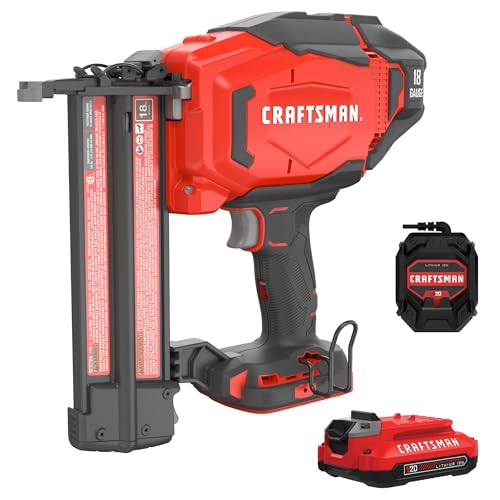
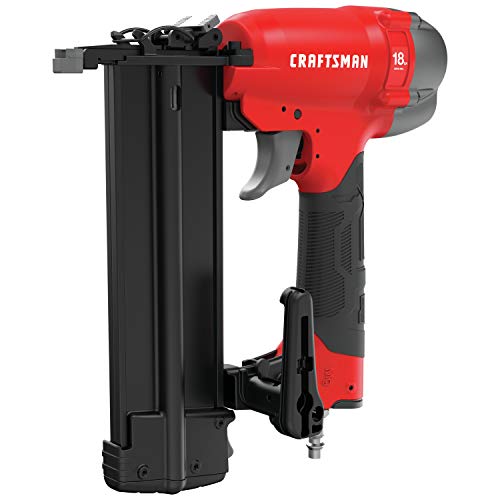

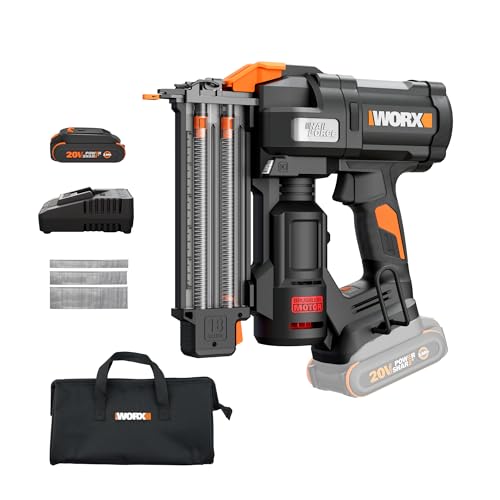

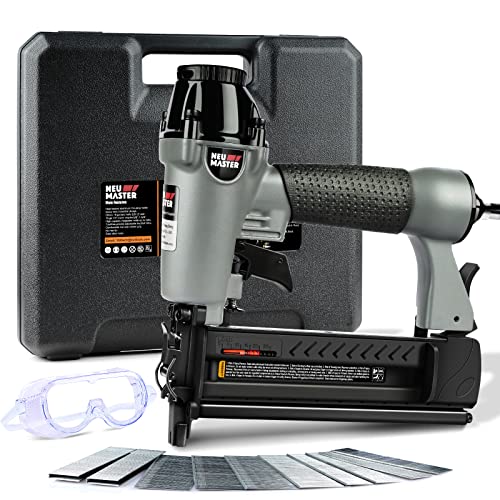

Who Should Buy Which Brad Nail Gun?
Trim Carpenters Working Room to Room
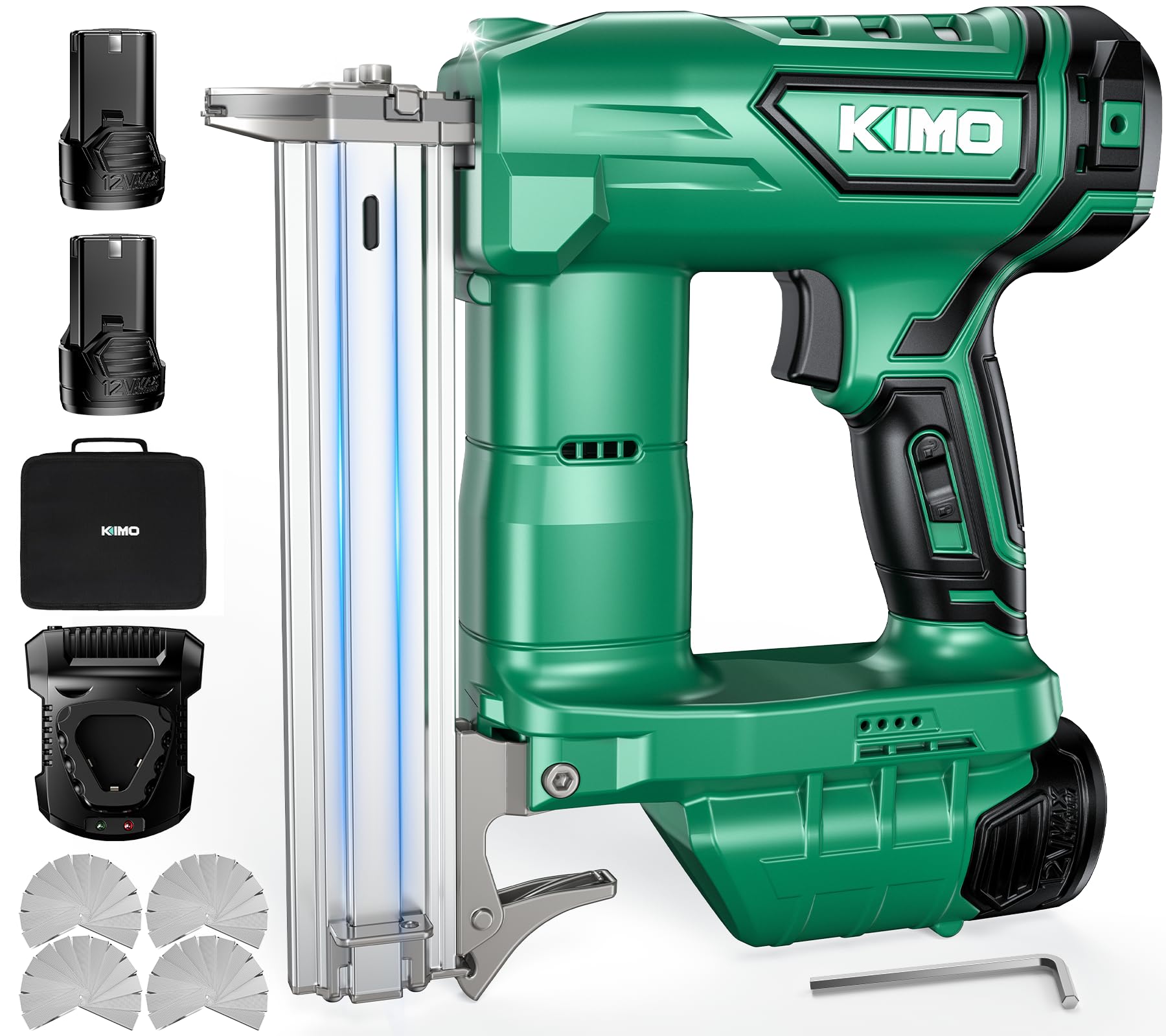
If you install baseboard and casing all day, a cordless brad nailer frees you from dragging a hose and compressor through finished rooms. Runtime on a single battery covers a typical room of trim, and consistent depth matters more than raw power. Our guide to the best cordless nail gun compares battery options across nailer types if freedom from the hose is your top priority.
Furniture Builders in a Fixed Shop
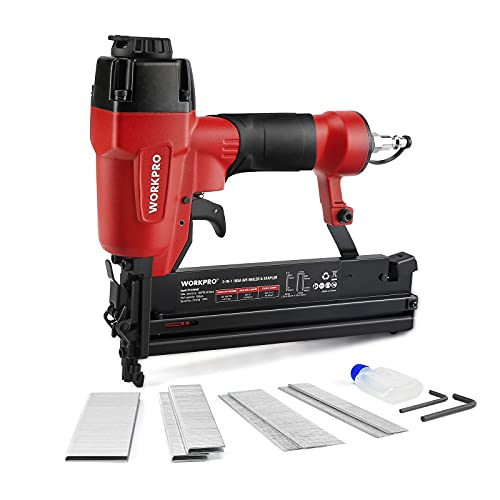
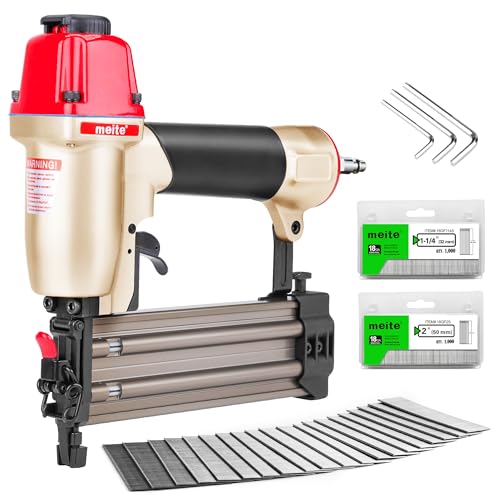
In a workshop with air already plumbed, a pneumatic brad nailer is light in the hand, inexpensive, and fires all day without a recharge. The smaller body also reaches into cabinet assemblies where a battery tool feels bulky. Since the tool runs off the shop compressor, look for low air consumption so a small compressor keeps up without cycling constantly.
Homeowners Tackling Occasional Projects
For picture frames, small repairs, and one or two rooms of molding, an entry level pneumatic or a compact cordless model both work. Decide based on what you already own: a compressor in the garage points one way, an existing battery platform points the other. Our overview of the best nail gun types helps if you are still deciding which nailer family your projects need at all.
Key Features to Compare
Brad Length Range and Magazine Capacity
Brad nailers shoot 18 gauge fasteners, but the length range varies by model. Most accept brads from about 5/8 inch to 2 inches, and some stretch to 2 1/8 inches. Longer brads hold thick casing better, while short brads suit delicate trim that would split under a longer fastener. Magazine capacity near 100 brads keeps reloads rare during a room of baseboard. Check that the magazine loads from the side or top in a way that works with gloves on, because fiddly loading slows real work.
Depth Adjustment and No Mar Tip
Depth control decides whether brads sit flush, proud, or buried below the surface. A tool free dial near the nose is the most convenient setup, since stock thickness changes from piece to piece. The rubber no mar tip protects prefinished trim and softwoods from dents, so confirm a spare tip is included or easy to buy. Try any nailer on scrap from your actual project wood, because depth that is perfect in pine will sink too deep in MDF or not deep enough in oak.
Power Source: Pneumatic vs Cordless
Pneumatic brad nailers are lighter, cheaper, and proven over decades, but they tie you to a hose and need a compressor that delivers roughly 70 to 120 PSI. Cordless models use a flywheel or a gas free mechanical drive, cost more, and weigh more, yet they set up in seconds and travel anywhere. Runtime claims vary widely, so treat nails per charge numbers as rough guides. If your work is mostly in one shop, pneumatic wins on value; if you move between rooms and houses, cordless earns its price.
Firing Modes and Jam Clearing
Most brad work calls for sequential firing, where each nail needs a deliberate trigger pull after the nose is placed. That control prevents accidental doubles on visible trim. Some models add a bump mode for fastening backs and hidden parts where speed matters more. Jams are rare with brads, but when one happens a tool free nose latch gets you working again in under a minute. Avoid designs that need a hex key for every jam unless the price gap is large.
Weight, Grip, and Belt Hook
A brad nailer spends its life at odd angles: overhead on crown, low along baseboards, inside cabinets. A tool around 2 to 3 pounds in pneumatic form, or 5 to 6 pounds cordless with battery, stays comfortable across a full project. A swivel air fitting keeps a pneumatic hose from fighting your wrist. A sturdy belt hook sounds minor until you are on a ladder holding trim with one hand and need the tool parked safely at your hip.
Brad Nailers vs Other Nailers
The 18 gauge brad sits between heavier finish nails and delicate pins. A 16 gauge finish nailer drives thicker nails with more holding power for door casing and heavy crown, at the cost of a bigger hole to fill. A 23 gauge pin nailer leaves an almost invisible hole and is ideal for holding glued joints while they dry, but its pins have almost no structural hold. Many trim carpenters own a brad nailer plus one of the others. If your work involves framing or roofing rather than trim, you need a different tool class entirely, covered in our guide to the best framing nail gun. For choosing between brads and finish nails on a specific molding job, our guide to the best nail gun for trim walks through the decision by trim type.
Common Mistakes to Avoid
- Using brads that are too long for thin trim, so the nail curls and blows out the side of the molding.
- Skipping the scrap trial, then discovering every brad sits below the surface after the room is done.
- Holding the nailer at an angle, which bends brads and leaves raised heads that tear sandpaper later.
- Running a pneumatic nailer above its rated pressure, which drives brads through soft trim entirely.
- Forgetting oil for a pneumatic tool that requires it, leading to sluggish firing and worn seals.
- Nailing too close to the end of a board, splitting the grain where a pilot hole or glue would have held better.
How to Make Your Brad Nail Gun Last Longer
Keep fasteners clean and dry, since surface rust on a brad strip drags in the magazine and causes misfires. For pneumatic models that need oil, add a few drops at the air inlet each work day, and drain the compressor tank so water does not reach the tool. Cordless models last longer when batteries are stored partly charged indoors rather than in a hot truck. Wipe dust from the nose and magazine rails weekly, and store the tool unloaded so the magazine spring keeps its tension over the years.
FAQ
What size brads does a brad nail gun use?
Brad nailers use 18 gauge brads, most commonly from 5/8 inch to 2 inches long. Choose the shortest brad that still passes through the trim and bites well into the stud or backing, usually about twice the thickness of the piece you are fastening. Longer is not automatically better, because excess length invites blowouts in thin stock.
Can a brad nail gun install baseboards?
Yes, for standard baseboard up to about 5/8 inch thick, 2 inch brads into studs hold well, especially with a bead of construction adhesive on wide boards. Thicker or heavier hardwood baseboard holds better with a 16 gauge finish nailer. Mark stud locations before you start, because brads fired into drywall alone have almost no holding power.
Do brad nail guns need an air compressor?
Only pneumatic models do. They need a small compressor that can hold roughly 70 to 120 PSI with a modest tank, since brad nailers sip air compared with framing nailers. Cordless brad nailers run on batteries and need no compressor at all. If you already own a pancake compressor for inflating tires, it will usually run a brad nailer without trouble.
Why does a brad nail gun leave nails sticking out?
Proud nails usually mean the depth setting is too shallow, the air pressure is low, or the tool is not held flat and firm against the work. Increase depth in small steps and try it on scrap of the same wood. On cordless tools, a nearly empty battery can also weaken the drive, so swap in a charged pack before blaming the settings.
Are brad nails strong enough for furniture?
Brads combined with wood glue hold furniture joints well, because the glue provides most of the long term strength and the brads act as clamps while it cures. For load bearing joints like chair rungs, brads alone are not enough; add screws, dowels, or joinery. Brads shine at attaching backs, drawer bottoms, and molding where the fastener stays nearly invisible.
Final Thoughts
Choose by gauge and length range first, then by the power source that fits where you work, and depth control will do the rest. Whether you land on a light pneumatic tool or a hose free cordless one, the best brad nail gun is the one that leaves flush, nearly invisible fasteners without slowing you down. Compare the main types in the product table to narrow the field.


