
Best Butane Soldering Irons in 2026: A Practical Buying Guide
Disclosure: We may earn a commission when you buy through links on this page, at no extra cost to you. As an Amazon Associate I earn from qualifying purchases. Learn more

Compare butane soldering irons by temperature range, tank size, runtime and tip choice, and learn when cord free soldering beats a plug in station.
Soldering a trailer light connector in a wet driveway, with the nearest outlet forty feet away, is the job that makes people look for the best butane soldering iron in the first place. A butane iron carries its fuel in a small tank, lights with a click, and works anywhere: under a dashboard, on a boat, or at a fence line. In exchange, you give up the fine temperature precision of a good bench station, so the buying decision is about how much control your work really needs.
This guide compares butane irons on the factors that matter away from the bench: temperature range, tank capacity, runtime, ignition, and tip selection. The comparison table below puts the headline specs side by side, and the sections that follow explain how each one plays out in real repair work.
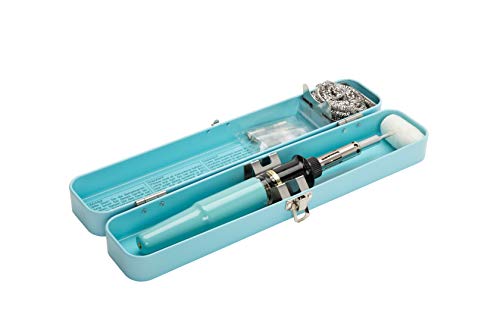

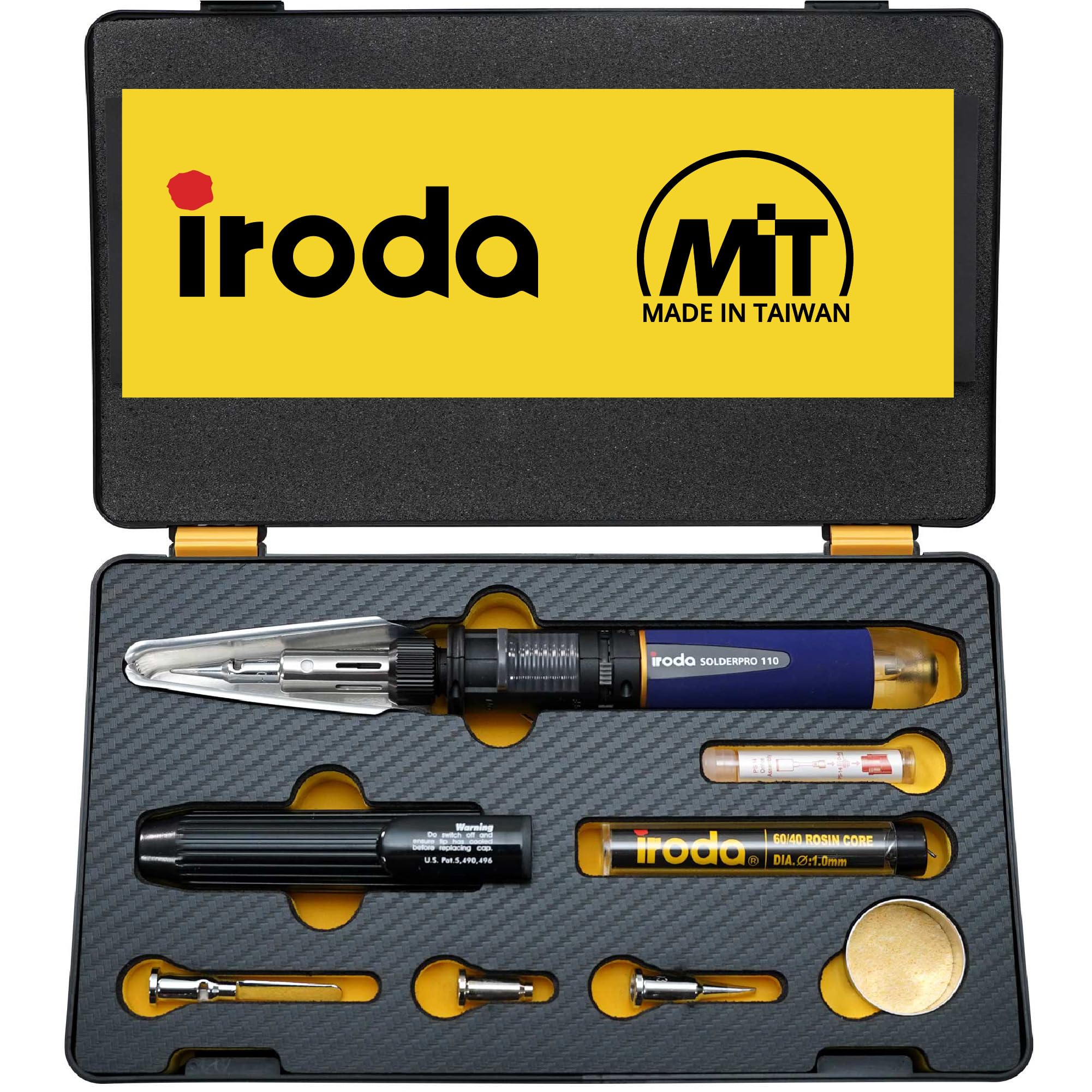


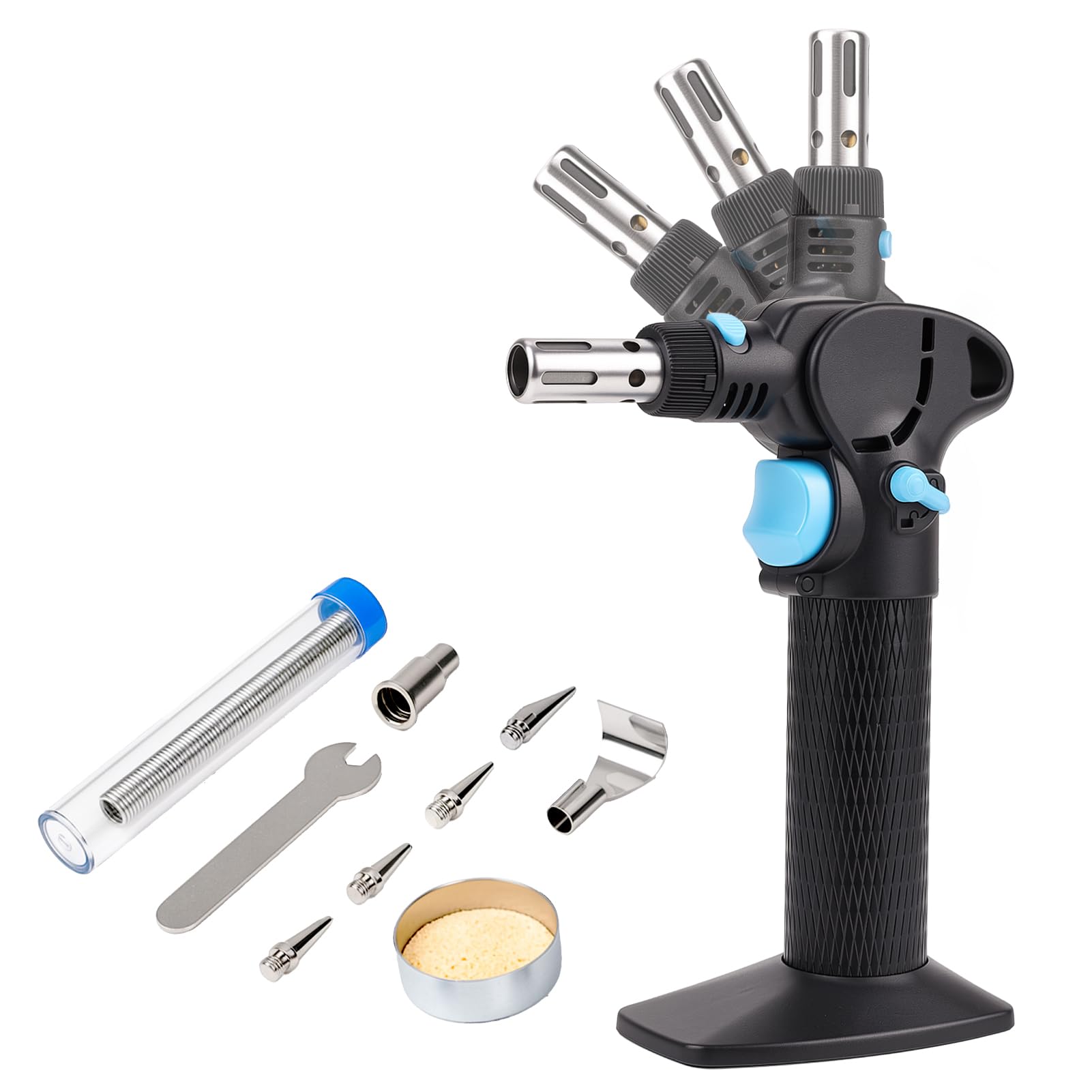
Who Should Buy Which Butane Soldering Iron?
Auto electric and trailer repair users
If your soldering happens at a bumper, a trailer hitch, or a boat ramp, a mid size butane iron with a solid tank and a protective cap is your tool. You mostly join 12 volt wiring, fit heat shrink, and repair connectors, none of which needs laboratory temperature accuracy. Choose a model with a metal tip range that includes a small chisel for harness work, and keep a refill can in the same case so the tool is always ready.
Field technicians and maintenance crews
People who service gates, pumps, alarms, and farm equipment value a tool that works at the top of a ladder or inside a control box. A butane iron with piezo ignition and a fuel level window saves trips back to the truck. Runtime matters more than peak heat here, since a day of small joints adds up. Look for tanks that refill in seconds from a standard canister, the same fuel used by kitchen torches and camping stoves.
Hobbyists who solder away from the bench
Model builders, RC drivers, and stained glass hobbyists sometimes work at a kitchen table, a club field, or a friend's garage. A compact butane iron avoids dragging a station around and stores in a drawer. If most of your work is actually delicate board repair, compare the precision options in our guide to the best soldering iron for electronics before deciding, because butane tools run hotter and less steadily than a regulated station.
Key Features to Compare
Temperature range and control style
Butane irons adjust heat with a slider or dial that meters gas flow, and most cover roughly 500 to 1000 degrees Fahrenheit at the tip, with some torch style tips going hotter. That control is approximate: the tip cools when it touches a big joint and climbs again while idle. For wiring and connectors this is fine. For small circuit boards it is risky, since excess heat lifts pads. If your work mixes both, choose an iron with a wide, clearly marked adjustment range and practise on scrap before touching real parts.
Equivalent wattage and heat recovery
Manufacturers rate butane irons by equivalent wattage, often somewhere between 30 and 120 watts. The number hints at how fast the tip recovers after a joint pulls heat away. Low rated irons feel fine on thin signal wires and then stall on a battery cable lug. Higher rated models push through heavier joints but burn fuel faster and are easier to overheat small work with. Match the rating to your heaviest regular joint, not your lightest, because an iron that cannot finish a joint cleanly leaves you with a cold, weak connection.
Tank capacity and runtime per fill
Tank size decides how often you stop to refill. Small pen style irons may run about 30 to 45 minutes at mid settings, while larger tanks reach 90 minutes or more. Runtime claims assume moderate heat; running flat out on a torch tip can cut them sharply. A visible fuel window is worth having, because guessing wrong mid joint means a cooling tip and a messy result. Refilling takes seconds: hold the canister nozzle into the fill valve until liquid butane spits back slightly, then wait a minute before relighting.
Ignition, safety cap, and build quality
Piezo self ignition is the feature to insist on. Older designs that need a lighter or match are slow and awkward at a work site. A good cap protects the hot tip in a tool bag, and better caps include a safety lock so the iron cannot light inside the case. Check that the tank and valve are metal where they meet the burner, because cheap plastic fittings are the usual leak point. A stable stand or a flattened body shape also helps, since a rolling butane iron on a bench is a burn waiting to happen.
Tip selection and replaceability
The tip is where the work happens, and butane irons live or die by their tip catalog. Look for fine conical tips for wiring, small chisel tips for terminals, and the option of hot knife and torch attachments if you cut rope or light brazing is on your list. Tips on butane irons contain the catalyst that keeps the flame internal, so they wear differently from plain copper tips and cost more. Confirm spare tips are sold separately and in stock before you buy, because an iron with no available tips becomes disposable.
Where a Butane Iron Beats a Corded Station
The honest answer is anywhere the cord cannot go, plus anywhere you solder for five minutes at a time. A station wins on precision: if your main work is board level repair, start with our hub guide to the best soldering iron and treat butane as the second tool. Rechargeable electric models split the difference for light electronics, and our guide to the best cordless soldering iron explains that middle ground. Butane also wins on heat up speed, since most light in under thirty seconds, and it doubles as a small torch for heat shrink and rope sealing. One caution: never use a butane iron near fuel lines, battery charging areas, or solvent fumes, because the burner is an open ignition source even though you cannot see a flame at the tip.
Common Mistakes to Avoid
- Refilling with unfiltered cheap butane: impurities clog the tiny gas jet, so the iron sputters and loses heat until the jet is cleaned or replaced.
- Running the tip at maximum heat for every job: excess heat burns flux instantly, oxidizes the tip, and can damage insulation near the joint.
- Lighting the iron and setting it down loose: a round body rolls, so always use the stand or cap rest to keep the hot tip off the bench.
- Using a butane iron on fine circuit boards: drifting tip temperature can lift pads and cook small components, so save board work for a regulated iron.
- Storing the iron with a nearly empty tank: seals dry out and the next fill leaks, so store it with some fuel and the valve closed.
How to Make Your Butane Soldering Iron Last Longer
Tip care drives most of the lifespan. Tin the tip before you switch off: melt a coat of solder over the working surface so it cools under a protective layer instead of oxidizing bare. When the tip darkens and solder stops wetting it, clean it on a damp sponge or brass wool and retin it rather than filing it, because filing strips the plating and the catalyst surface on butane tips. Use decent quality butane, ideally with a filter claim on the can, and purge the tank once in a while by pressing the fill valve with the tip of a small screwdriver until only gas hisses out, then refilling slowly. Keep the iron in its case or with the cap on, and check the tank window before big jobs so a refill never interrupts a joint halfway.
FAQ
Are butane soldering irons worth it?
Yes, for anyone who solders away from a fixed bench or only solders in short sessions. The freedom from cords and the fast heat up time are real advantages, and fuel costs pennies per hour. The compromise is temperature stability. If you mostly repair wiring, fit connectors, and seal heat shrink, that compromise rarely matters. If you mostly build circuit boards, a station is the better first purchase and the butane iron becomes the backup.
How long does a butane soldering iron run on one fill?
Most mid size models run about 45 to 90 minutes at a moderate setting, and small pen irons run less. Runtime drops fast at maximum heat or with a torch tip fitted. A useful habit is to time your first tank on your normal work; that personal number beats any box claim. Refilling takes under a minute, so many field users simply top up at the start of each job and never think about runtime again.
Can a butane soldering iron handle stained glass work?
It can handle small stained glass repairs away from the bench, but large panels ask for sustained, even heat that suits a heavier electric iron better. Our guide to the best soldering iron for stained glass explains the wattage and tip width that foil work needs. For a quick fix on a suncatcher at a craft fair, the butane iron is fine. For building a full panel, choose the dedicated tool.
Why does my butane soldering iron keep going out?
The usual causes are low fuel, a clogged jet from dirty butane, or lighting it at too high a gas setting so the flame blows itself out. Fill the tank, purge it once, then light it at a low setting and raise the heat slowly. If it still dies when tilted, the catalyst in the tip may be worn, which happens after long use. A replacement tip restores most irons. Keep spare fuel and one spare tip in your kit and this problem rarely stops a job.
How do you clean a butane soldering iron tip?
Clean it hot, never cold. At working temperature, wipe the tip across brass wool or a barely damp sponge, then feed fresh solder onto it until the surface shines. Avoid sandpaper and files, which remove the iron plating and expose the core to rapid erosion. If solder refuses to wet the tip, a tip tinner compound can recover a lightly oxidized surface. Clean the tip at the end of every session, not the start of the next one, so oxidation never gets a head start.
Final Thoughts
Choose by fuel system and tip catalog first, then by heat range. A mid size iron with piezo ignition, a visible tank, and spare tips in stock will cover wiring, connectors, and field repairs for years. For the jobs that need bench precision, the product table above sits alongside our other guides, and picking the best butane soldering iron for your kit mostly means matching tank size to how far you work from an outlet. Keep filtered fuel in the case and the tool will be ready whenever the work is.


