
Best Circular Saws for Woodworking in 2026: Clean Cuts in Sheet Goods
Disclosure: We may earn a commission when you buy through links on this page, at no extra cost to you. As an Amazon Associate I earn from qualifying purchases. Learn more

Choose a circular saw for woodworking with this guide to blade quality, shoe accuracy, dust collection and guide setups for clean sheet goods cuts.
In a woodworking shop, a circular saw does a different job than it does on a job site. Its main work is breaking down plywood and MDF sheets into pieces the table saw can handle, plus the odd long rip in solid stock that will not fit the shop. Accuracy and edge quality are the whole point, and shoppers after the best circular saw for woodworking find that construction reviews barely mention either one.
This guide focuses on the shop side of the tool: shoe flatness and blade alignment, fine finish blades, dust collection, and guide setups that produce glue ready edges. The comparison table below lines up the main saw types, and the sections after it explain which features protect your veneer and your measurements.

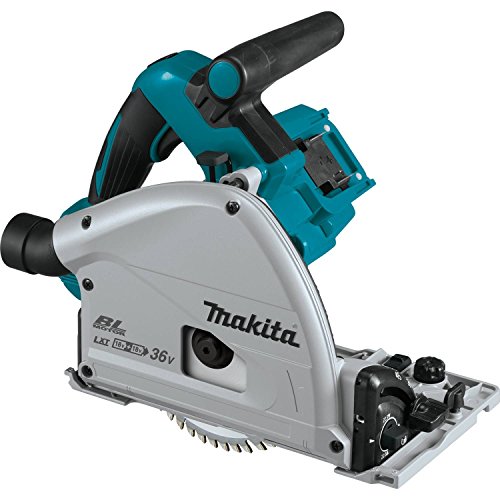


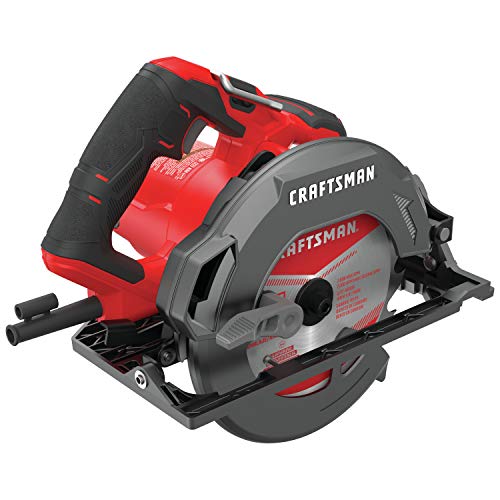

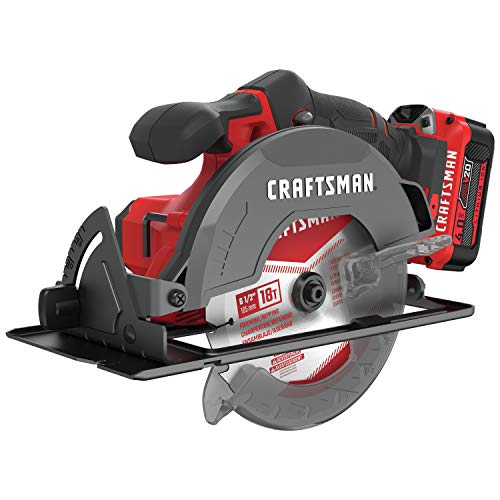
Who Should Buy Which Circular Saw for Woodworking?
Your sheet goods volume and your shop layout decide which saw type earns its bench space.
Hobbyists Breaking Down Plywood for Cabinets and Furniture
If you build cabinets, bookcases, and shop furniture from sheet goods, a quality 7 1/4 inch saw with a flat cast shoe and a fine tooth blade is the workhorse setup. It crosscuts and rips full sheets accurately with a clamped guide, then steps aside while the table saw does final sizing. Most hobbyists are best served here, and our guide to the best circular saw compares this class across brands and prices.
Small Shop Owners Without Room for a Big Table Saw
When the shop is a one car garage, the circular saw often becomes the primary sheet goods tool, guided by long straight edges or a shop made track. These owners should weight shoe rigidity and dust collection highest, because every cut is a finish cut. A corded saw suits this pattern well, since the saw works at one bench for hours and never needs to travel.
Woodworkers Who Also Do Site and Install Work
If your saw splits time between the shop and installing the pieces you build, a cordless model with a good dust port offers the best compromise. It breaks down sheets at the lumber rack, then travels to trim and fit on site. The trade off is a slightly flexible stamped shoe on some cordless models, so check shoe construction closely rather than assuming the pro badge covers it. Installers who cut mostly trim and flooring may also like the smaller class covered in our guide to the best mini circular saw.
Key Features to Compare
These factors decide edge quality and repeatability, which are the currencies of shop work.
Shoe Flatness and Blade Alignment
The shoe, or base plate, is the reference surface every cut follows. A thick cast magnesium or machined shoe stays flat and holds the blade parallel to its edge, which is what lets a guide produce a truly straight cut. Thin stamped shoes flex under hand pressure and can twist the blade out of parallel, a flaw you see as burning on one side of the kerf. Before buying, check that the shoe edge is straight and that depth and bevel adjustments lock without shifting the blade angle.
Blade Quality, Kerf, and Tooth Count
The blade matters more to finish quality than any motor spec. A 60 tooth thin kerf blade leaves a near finish edge in plywood and melamine, while the 24 tooth blade bundled with most saws is built for framing speed and will chip veneer. Thin kerf blades also reduce load on the motor, which helps smaller saws hold speed in thick MDF. Keep two blades, one for sheet goods and one for solid stock, and swap rather than compromise, since a blade change takes two minutes.
Dust Collection and Port Design
Plywood and MDF dust is fine, heavy, and bad for lungs and finishes alike. A rotating dust port that accepts a standard shop vacuum hose keeps the cut line visible and pulls most dust at the source. Saws without a port throw dust forward onto your guide line, forcing you to stop and blow the line clear. In a closed shop, dust control is not a luxury feature, and a vacuum hose that drags the saw off line is its own problem, so look for a port that exits to the rear.
Power Source for Shop Duty
Corded saws deliver constant speed on long rips in 3/4 inch plywood, and speed consistency is what keeps edges from wavering when the motor labors. Our guide to the best corded circular saw covers cord length and motor ratings for bench work. Cordless saws have improved greatly and handle sheet goods fine, but a long day of breakdown cuts can cycle through several batteries. Shops that own the batteries already lose nothing by going cordless for this tool.
Depth and Bevel Accuracy
Woodworking cuts often stop at a set depth, such as scoring cuts or dado cleanup passes, so a depth scale that reads true and a lock that does not creep are worth real money. Bevel stops at 45 and 90 degrees should be adjustable, so you can tune the saw back to square with a machinist square after it gets knocked around. Detents that land slightly off square will ruin mitered returns and picture frame work, so test the saw on scrap and measure the result, not the dial.
Getting Glue Ready Edges with a Guide Setup
The method matters as much as the saw. Clamp a straight edge or a shop made track so the shoe registers against it for the full length of the cut, and support the sheet fully on a foam panel or a flat bench so neither side can sag and bind the blade. Put the show face down for most saws, since the blade exits the top face and that is where tear out appears, and run a strip of painter tape along the cut line on fragile veneer for extra insurance.
Feed at a steady pace and listen to the motor: a rising whine means you are pushing faster than the blade can clear chips. A worm drive saw, with its high torque and blade left view, is a favorite of some sheet goods cutters for long rips, and our guide to the best worm drive circular saw explains where that design shines. Whichever saw you use, cut parts slightly oversize on the first pass and trim to final size on the table saw if the project demands perfection.
Common Mistakes to Avoid
- Using the stock framing blade on finish plywood, which chips veneer no matter how carefully you guide the saw.
- Trusting the bevel dial instead of test cuts, so parts come off a degree out of square and joints gap.
- Letting the sheet sag between sawhorses, which binds the blade and burns the edge mid cut.
- Skipping dust collection in a closed shop, so fine MDF dust coats every surface and your lungs.
- Cutting with the show face up, putting tear out right where everyone will see it.
How to Make Your Circular Saw Last Longer
Shop saws live in dust, so vacuum the guard track, vents, and depth mechanism after sheet goods sessions rather than blowing dust deeper into the motor. Clean pitch and resin from blades with a dedicated cleaner, since buildup adds friction and heat that warps thin kerf blades. Store the saw flat on its shoe or hanging, with a blade guard that snaps shut, and keep spare blades in their sleeves so the carbide teeth do not chip against each other.
Check shoe flatness and blade parallelism once or twice a year with a square and a test cut, and correct drift before it shows up in a project. For corded models, inspect the cord where it exits the handle, the spot that flexes most. A saw that is kept clean, square, and sharp will hold its accuracy for many years of shop work.
FAQ
What is the best circular saw for woodworking in a small shop?
In a small shop, the best circular saw for woodworking is a 7 1/4 inch saw with a rigid cast shoe, a real dust port, and lever adjustments that lock firmly. It does not need framing class torque, because sheet goods reward control over muscle. Spend the difference between a basic and a better saw on blades and a long straight edge, which improve results more than a bigger motor.
What should I look for in a circular saw for woodworking?
Look for a flat, rigid shoe with the blade parallel to its edge, a dust port that fits your vacuum hose, and depth and bevel locks that do not creep. Check that the guard retracts smoothly for guide work near clamps. One detail many buyers miss is the shoe edge itself, since a rolled or uneven edge will wander against a straight edge and defeat the whole guide setup.
How long does a circular saw last in a woodworking shop?
A shop circular saw used weekly often lasts well past ten years, because sheet goods cutting is steady work rather than abuse. Bearings and brushes wear first on corded models and both are serviceable. Accuracy usually drifts before the motor fails, so periodic checks with a square and a fresh blade keep an older saw cutting like a younger one.
Is a circular saw worth it for woodworking if I own a table saw?
Yes, because full sheets are heavy and awkward to push across a small table saw, and breaking them down with a guided circular saw is safer and more accurate. The table saw then handles final sizing on parts that are easy to control. Even shops with large table saws keep a circular saw and a guide for the first cuts on every sheet.
How do you clean a circular saw used on plywood and MDF?
Vacuum out the guard, vents, and shoe rather than blowing dust into the motor, then wipe resin from the blade and check the dust port for packed fines. MDF dust packs hard when it mixes with moisture, so scrape the guard track with a stick if the guard feels slow. Finish by confirming the shoe is clean and flat before the saw goes back on the shelf.
Final Thoughts
Shop work rewards precision over power, so the best circular saw for woodworking is the one with the truest shoe, the cleanest dust control, and a fine blade spinning in it. Compare the saw types in the product table above, budget for a 60 tooth blade and a long guide from the start, and verify square with test cuts before trusting any dial. That routine turns a humble circular saw into a sheet goods machine your table saw will thank you for.


