
Best Compact Circular Saws in 2026: Blade Sizes, Depth and Buying Guide
Disclosure: We may earn a commission when you buy through links on this page, at no extra cost to you. As an Amazon Associate I earn from qualifying purchases. Learn more

Choose the best compact circular saw by blade size, cutting depth, weight and power source, with safety tips, common mistakes and simple care advice.
A full size circular saw is overkill for cutting down sheet goods in a driveway, trimming flooring or breaking down lumber in a small shop, and its weight makes it tiring and harder to control on light cuts. Compact saws shrink the blade and the body to match that everyday work. The best compact circular saw for you depends mostly on blade size and depth of cut, since those decide which materials you can finish in one pass. This guide makes those calls simple.
The comparison table below lines the main sizes up side by side. After it, this guide explains how blade diameter maps to real lumber, why bevel capacity catches buyers out, and the safety habits that matter with any circular saw, compact or not. Smaller does not mean toy, and the right compact saw earns a permanent place in the truck or shop.
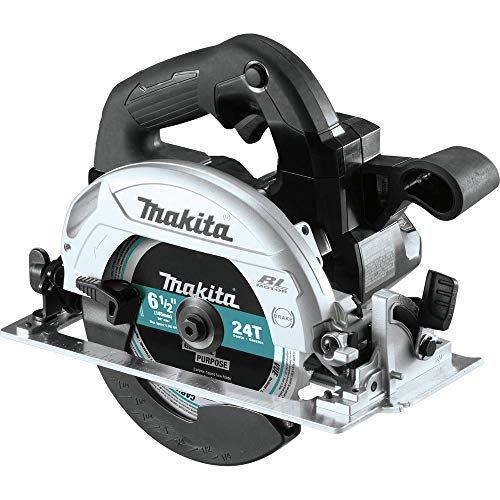
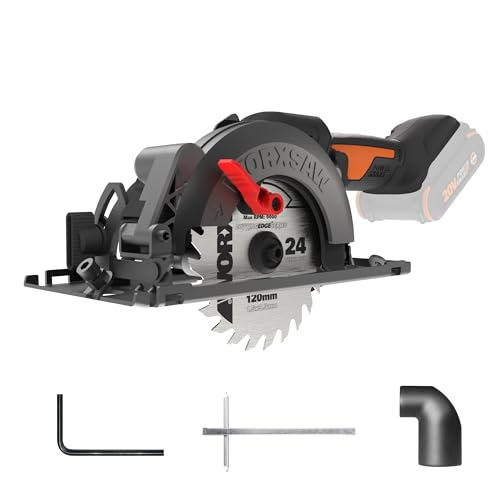

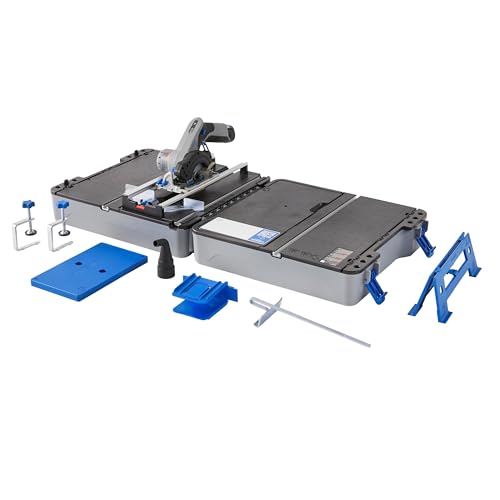

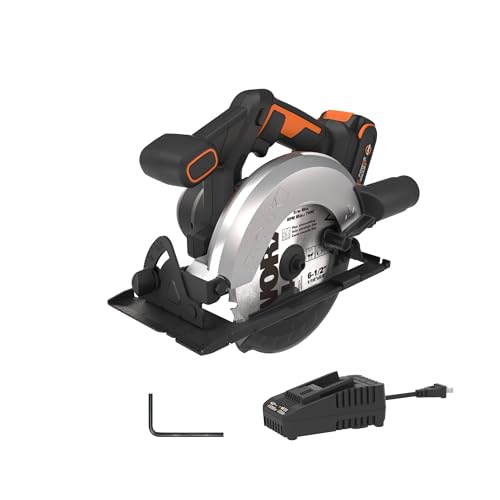


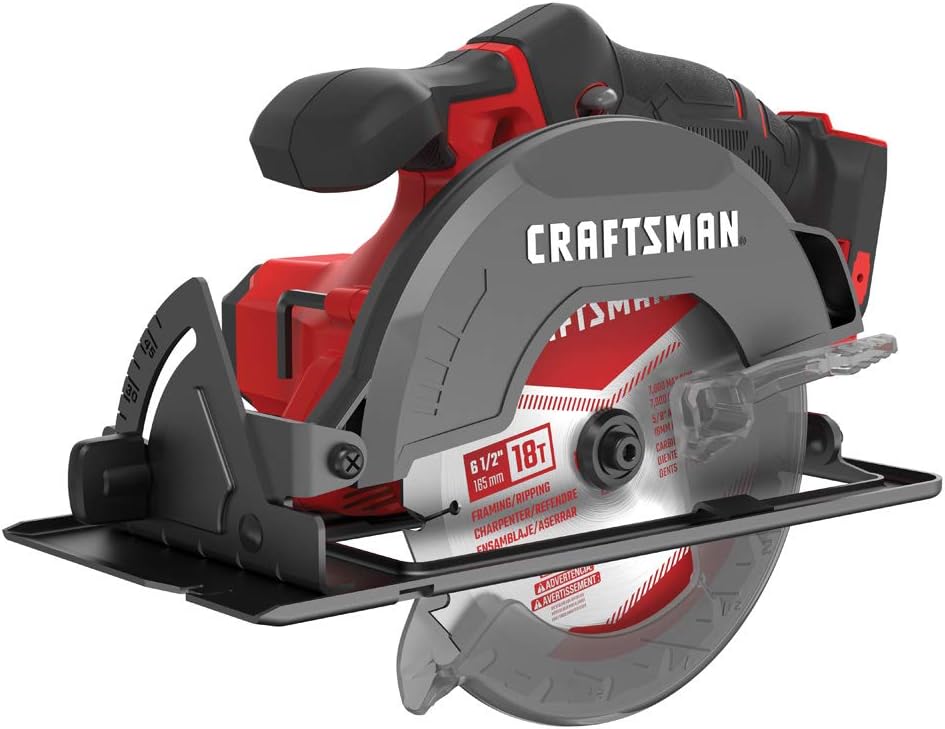
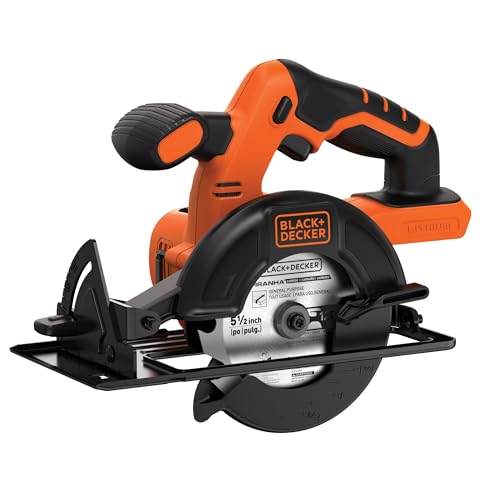
Who Should Buy Which Compact Circular Saw?
Start from the materials you cut most, and the size chooses itself.
Remodelers and Flooring Installers
You cut sheet goods, underlayment, laminate and trim stock all day, often on site and often on sawhorses. A 6 1/2 inch compact saw is your tool: it cuts 2x material at 90 degrees and at a bevel, yet stays light enough for one handed sheet cuts. Our full size guide to the best circular saw range covers the bigger saws if framing dominates your work instead.
DIYers With Small Shops and Storage Limits
A compact saw stores on a shelf, rides in a car trunk and handles the project list of a typical homeowner, from plywood bookcases to deck board repairs. If most of your stock is sheet goods and 1x boards, even a 5 1/2 inch model suffices and costs less. The best mini circular saw class goes smaller still for craft and flooring only work, though it gives up 2x lumber entirely.
Roofers, Siders and Exterior Trim Crews
Exterior work rewards light weight and fast handling on ladders and staging, where a compact saw trims sheathing and siding without the fatigue of a framing saw. Cordless models rule here, and battery sharing with your other site tools decides the brand more than saw specs do. If your cutting turns to heavy ripping and big beams, step up to the best worm drive circular saw class instead of forcing a compact to do framing work.
Key Features to Compare
Blade Size and Depth of Cut
Depth of cut is the number that matters, and blade size sets it. A 6 1/2 inch blade typically cuts about 2 1/8 to 2 1/4 inches deep at 90 degrees, which clears 2x lumber with room to spare. A 5 1/2 inch blade cuts roughly 1 3/4 inches, fine for sheet goods and 1x stock but short of 2x at an angle. Smaller 4 1/2 inch models are panel and flooring tools only. Read the depth spec at both 90 and 45 degrees before buying, since the 45 degree figure is where compact saws differ most.
Bevel Capacity and the 2x Test
Bevel capacity tells you the steepest angle the base tilts, commonly 45 to 50 degrees. The catch is depth at that angle: cutting a 45 degree bevel through 2x stock takes more depth than the same saw needs at 90 degrees, because the blade crosses the wood diagonally. A 6 1/2 inch compact passes this test, and most smaller saws fail it and leave an uncut ridge. If your work includes bevels in framing lumber, that single fact should drive your size choice.
Corded vs Cordless Compact Saws
Cordless owns this category now, and for good reason: compact saws make short cuts in scattered places, exactly where cords annoy most. A modern brushless cordless compact cuts sheet goods all day on a large pack. Corded compacts still suit bench based work and cost less, with no runtime limits, and our guide to the best corded circular saw covers plug in options across sizes. Whichever you choose, judge runtime claims against your longest cutting session, not your average one.
Weight, Grip and Blade Side Visibility
Compact saws are control tools, so ergonomics decide accuracy. A saw around 6 to 8 pounds with the battery fitted can be guided one handed along a straightedge without drifting. Note which side the blade sits on: blade right saws put the blade away from a right handed user, while blade left designs let you watch the cut line directly. Neither is wrong, but your eye line to the blade matters more for cut quality than any laser, so choose the layout that lets you see the line without leaning over the blade path.
Base Plate Quality and Adjustment
The base plate is your reference surface, and a flat, stiff plate, ideally cast magnesium or thick aluminum, tracks a straightedge cleanly where a flexy stamped plate wanders. Depth and bevel adjustments should lock firmly and show clear scales, because compact saws get knocked around in truck boxes and settings drift. Check that the bevel detent at 45 degrees is positive and repeatable. A wobbling base turns a good blade into wavy cuts, and no motor power compensates for it.
Blade Guard, Brake and Dust Handling
The lower guard must snap back instantly and move freely with one finger pressure, since a lazy guard is the most common real hazard on small saws. An electric brake that stops the blade quickly after the trigger releases shortens the dangerous seconds while you move the saw. Dust ports that accept a shop vacuum hose keep the cut line visible on sheet goods. Check the guard in the store by retracting it slowly against an edge: it should never hang up at any angle.
Which Blade Size Fits Your Materials?
Work from your cut list. Sheet goods up to 3/4 inch, 1x boards, flooring, siding and trim all sit comfortably within a 5 1/2 inch saw at 90 degrees. Add any 2x lumber, stair stringers or bevels in framing stock and you need the 6 1/2 inch blade, full stop. Post and beam work, deep rips and production framing belong to full size saws, and no compact should pretend otherwise. Buying one size up from your current list is wise if storage allows, because project lists grow toward the tool you own.
Safety scales with the work, not the saw size. Support sheet goods fully so the offcut cannot drop and bind the blade, clamp a straightedge for long cuts, and let the blade reach full speed before it touches wood. Remove the battery or unplug the saw for every blade change, and wear eye protection, since compact saws throw chips at face height on bench work. If a cut starts to bind or wander, stop, back out and reset rather than forcing the saw forward, because forcing is how kickback starts.
Common Mistakes to Avoid
- Buying a 5 1/2 inch saw for 2x bevel cuts, which leaves an uncut ridge the blade cannot reach.
- Cutting sheet goods on a wobbling support, which lets the panel pinch the blade and kick the saw back.
- Ignoring which side the blade sits on, which forces you to lean across the cut line to see it.
- Leaving a dull blade in place, which makes a light saw feel weak and pushes you to force cuts.
- Carrying the saw by its cord or with a battery fitted and a finger near the trigger, which invites an accident.
How to Make Your Compact Circular Saw Last Longer
Blades are the maintenance. A clean, sharp blade cuts with less force, less heat and less strain on a small motor, so swap or clean blades when pitch builds up on the teeth rather than pushing a dull one. Keep the base plate clean and check it stays flat after any drop. Blow dust from the motor vents and guard pivot, and make sure the lower guard still snaps shut freely after dusty work. Store the saw with the blade guard closed and the depth locked, indoors and dry. Small saws die from neglect and drops more than from honest wear.
FAQ
What size compact circular saw do I need?
Choose by your thickest regular cut. If that is sheet goods and 1x boards, a 5 1/2 inch saw is enough and saves money and weight. If 2x lumber appears even monthly, or you cut any bevels in it, buy the 6 1/2 inch size, because depth at 45 degrees is the spec that separates the classes. Only step down to 4 1/2 inch mini saws when flooring and panels are truly all you cut.
How long does a circular saw last?
A compact saw in home service can last well over a decade, since the motor sees short, light cuts rather than production ripping. Blades are consumables and may need swapping several times a year in remodel work. The base plate and guard are the life limiting parts: a bent plate or a guard that no longer snaps shut ends the useful life of the saw even when the motor still runs strong.
Is a compact circular saw worth it if you own a full size saw?
Often, yes, because the compact becomes the saw you actually grab. Breaking down sheets, trimming boards and cutting flooring are most of the cuts in most projects, and doing them with half the weight saves real effort across a day. The full size saw then covers framing and deep cuts. Owners of track saws sometimes skip the compact, since a track saw already handles sheet goods so well.
How do you clean a circular saw?
Remove the battery or unplug first, then brush and blow dust from the guard, base and vents. Clean pitch off the blade with a blade cleaner or a soak in mild detergent water, and dry it fully before refitting. Check that the lower guard springs back smartly after cleaning, since packed dust in its pivot is the usual cause of a lazy guard. Never hose the saw down or oil the blade, which only spreads dust into a paste.
What is the most reliable compact circular saw type?
Brushless cordless models from established battery platforms have the best reliability record in this class, because the motors run cool on short cuts and the platforms keep fresh batteries available for years. Among corded models, simple mid priced saws with cast base plates have proven durable for decades. The practical answer is the compact saw that shares your existing batteries, since a saw with a charged pack is the one that never lets you down.
Final Thoughts
Let depth of cut at 45 degrees make the size decision, then weigh the saw with its battery and check the guard action before anything else. The product table above lines the sizes up for a fast comparison. Matched to your materials, the best compact circular saw becomes the saw that lives out of the case and ready, and the big framing saw can rest until it is truly needed.


