
Best Compact Impact Wrenches in 2026: A Practical Buying Guide
Disclosure: We may earn a commission when you buy through links on this page, at no extra cost to you. As an Amazon Associate I earn from qualifying purchases. Learn more

Compare compact impact wrenches by drive size, breakaway torque, weight and battery platform, and see which specs matter for tight spaces and car work.
A full size impact wrench is useless when it cannot fit between a caliper bracket and a suspension arm. That tight gap is where the search for the best compact impact wrench starts: you need honest breakaway torque in a body short enough to reach the fastener. Compact models give up some raw power compared with high torque guns, but they win on access, weight, and control, and for most car and shop tasks that trade is the right one.
This guide walks through the specs that actually separate one compact wrench from another: drive size, working torque, battery platform, speed controls, and retention style. The comparison table below lines the key numbers up side by side, and the sections after it explain what each number means for the work you do every week.


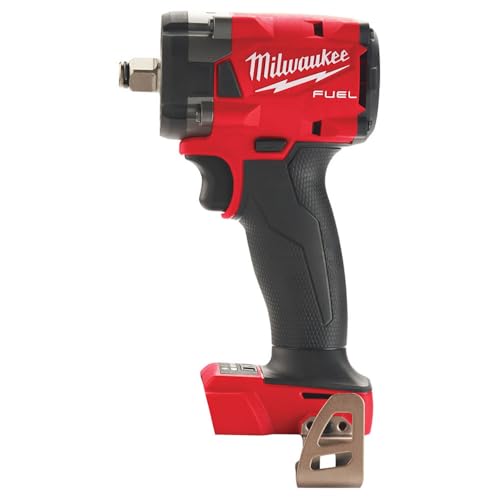
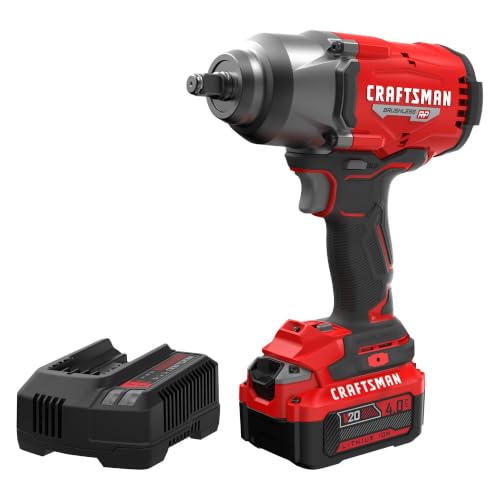


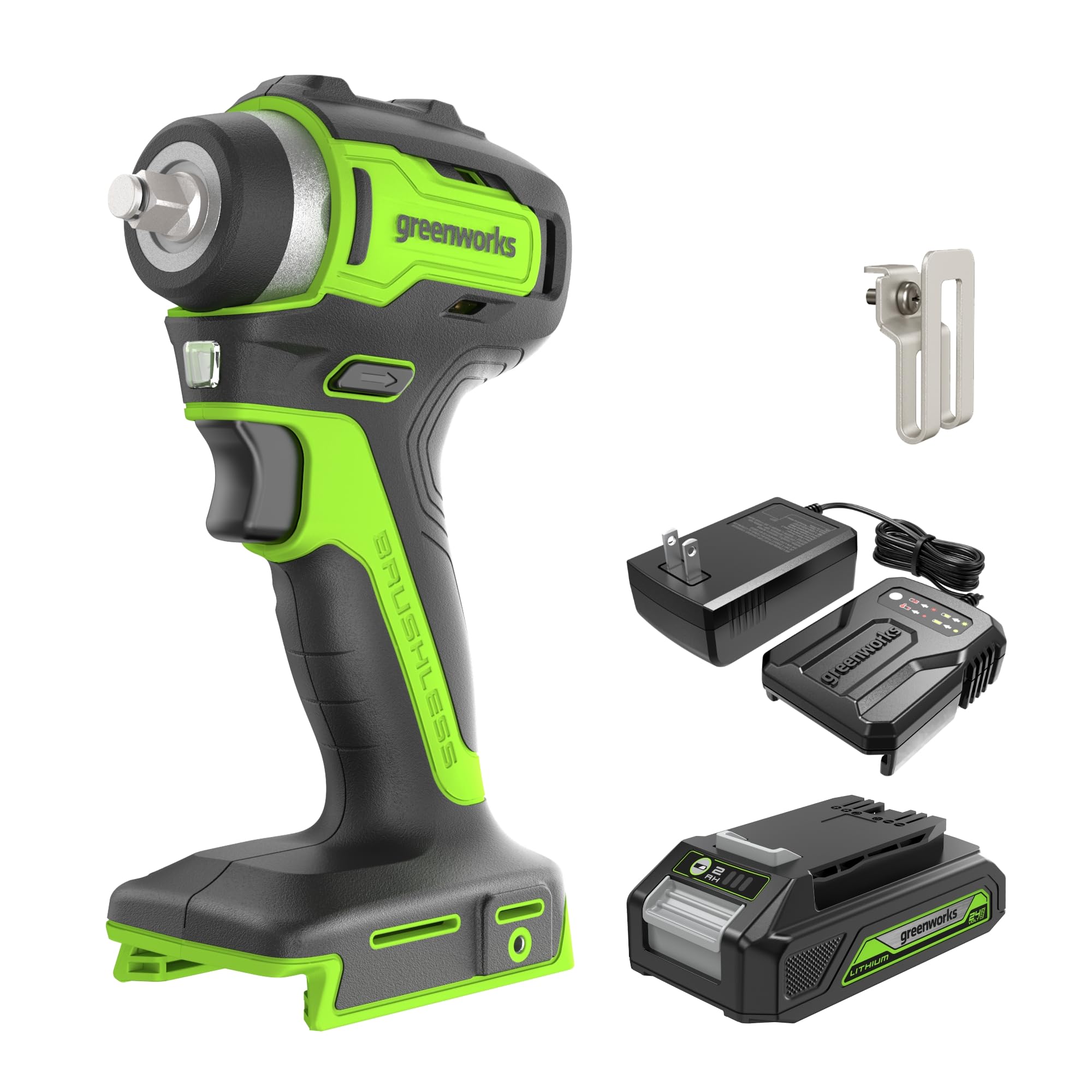
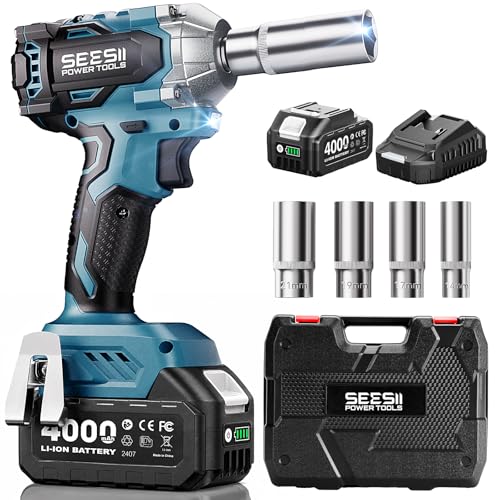
Who Should Buy Which Compact Impact Wrench?
Home mechanics who service their own cars
If you rotate tires, swap brake pads, and refresh suspension parts in a driveway or small garage, a compact half inch model covers nearly all of it. You get enough torque for lug nuts and rusty bracket bolts without the bulk of a full size gun. Our guide to the best impact wrench for automotive work explains the wider task list, but for one car households the compact class is usually the sweet spot between power and price.
Mobile repair techs and roadside helpers
When your toolbox rides in a truck bed or a service van, every pound and every inch counts. A short three eighths inch wrench rides in a small case, reaches fasteners inside crowded engine bays, and pairs well with a compact battery that lasts a full route of small jobs. You trade peak torque for speed of access, and on service calls that trade usually saves more time than raw power would.
Pros who work inside engine bays and frames
Technicians who pull accessories, timing covers, and subframe bolts all day feel tool weight in their wrists by noon. A compact brushless wrench with a short head and a low profile battery lets you work at odd angles without bracing the tool against the car. Pair it with the full size gun you already own: the compact tool handles about ninety percent of fasteners, and the big gun comes out only for crank bolts and seized suspension hardware.
Key Features to Compare
Drive size: 3/8 inch or 1/2 inch
Drive size decides which sockets you can use and how much torque the anvil can pass safely. A 3/8 inch drive suits engine, interior, and light chassis fasteners, and it keeps the tool small. A 1/2 inch drive handles lug nuts and suspension bolts and matches the socket sets most home garages already own. Pick the drive that matches your existing sockets first. Buying a second socket set just to feed a new tool quietly doubles the real cost of the purchase.
Breakaway torque versus working torque
Manufacturers advertise breakaway or nut busting torque, the peak force the tool delivers for a few seconds in reverse. Working torque, the force it applies while tightening, is always lower and matters just as much, since overtightening a lug nut can warp a brake rotor. Treat headline numbers as a class indicator rather than a promise. A compact wrench rated around 250 to 450 foot pounds of breakaway torque covers typical car work, and two otherwise equal tools can feel very different because of how their impact mechanisms are tuned.
Length, head profile, and weight
Compact only means something if the tool fits where your current wrench cannot. Compare the length from the back of the motor to the anvil face, and look at the battery footprint too, since a wide battery can block access as surely as a long motor. Weight matters during overhead work: a tool around 2.5 to 3.5 pounds with a small battery stays comfortable through a full brake job, while a heavy pack turns the same job into a workout. Balance counts as well, because a nose heavy tool twists in your grip.
Speed settings and precision modes
Multiple speed ranges stop a compact wrench from snapping small fasteners or spinning lug nuts across the shop floor. Lower settings give you control on 8 and 10 millimeter bolts, while the top setting handles wheel work. Some models add an auto shutoff or bolt removal mode that slows the tool once a fastener breaks loose. That single feature prevents most dropped and lost hardware. If you often start nuts by hand in tight quarters, a sensitive variable speed trigger matters more than one extra speed button.
Battery platform and battery size
Your existing batteries should drive this decision as much as the tool itself. Staying on one platform keeps chargers simple and spares cheap. Within a platform, a slim 2.0 amp hour pack keeps the tool short and light for engine bay work, while a 4.0 or 5.0 amp hour pack doubles runtime for wheel and suspension days. Note that bigger packs can also unlock higher output on some platforms, so the same wrench may hit harder with the larger battery fitted.
Socket retention and the work light
A hog ring, also called a friction ring, lets you swap sockets with one hand and holds them with moderate force, which suits fast paced work. A pin detent locks the socket until you press the pin, which suits overhead work where a dropped socket is a real problem. The LED light sounds trivial until you aim it at a bolt hidden behind a strut. Lights mounted at the base of the handle or ringed around the anvil light the fastener itself instead of casting a shadow from the tool body.
Matching a Compact Wrench to Your Fasteners
Most compact wrenches shine on fasteners from 10 to 19 millimeters that are snug rather than seized. Lug nuts torqued to spec, brake caliper brackets, and strut bolts sit right in this range. Wheel work has its own sizing and technique rules, and our guide to the best impact wrench for lug nuts covers torque settings and socket choice in detail. Where a compact tool struggles is with crank pulley bolts, axle nuts, and rust welded suspension hardware. For those jobs, step up to a mid torque or high torque class, or compare corded options in our guide to the best electric impact wrench models if your work never leaves the garage. If your fastener list is mostly general shop work rather than tight access jobs, our broader guide to the best impact wrench covers the full size class.
Common Mistakes to Avoid
- Buying on breakaway torque alone: peak reverse numbers hide weak working torque, so the tool stalls on the bolts you meet daily.
- Using chrome sockets on an impact wrench: chrome sockets can crack under impact and throw fragments, so use impact rated sockets only.
- Skipping the final torque check: an impact wrench seats lug nuts unevenly, so wheels can loosen or rotors can warp without a torque wrench pass.
- Fitting the biggest battery by default: a large pack can block the very access you bought a compact tool for.
- Running full speed on small fasteners: 8 millimeter bolts snap quickly at top settings, and extraction takes far longer than the job itself.
How to Make Your Compact Impact Wrench Last Longer
Blow dust and metal grit out of the vents after dirty jobs, and wipe the anvil so sockets seat fully. A drop of light oil on the hog ring or detent pin every few months keeps socket changes smooth and prevents the ring from chewing up socket grooves. Store batteries indoors at partial charge rather than in a freezing or roasting truck box, since temperature extremes age lithium cells faster than use does. If the tool starts losing power, check the battery contacts and the socket fit before assuming the motor is tired. Finally, let the impact mechanism do the work: holding the trigger for long bursts on a stuck bolt only builds heat, so work in short pulses and switch to a breaker bar when a fastener refuses to move.
FAQ
Are compact impact wrenches strong enough for lug nuts?
Yes, most half inch compact models handle lug nuts torqued to typical car specs without drama. The gap appears on trucks with higher torque specs and on nuts that were overtightened by a shop gun. Keep a short breaker bar in the trunk for those cases. Also note that a fresh, fully charged battery delivers noticeably more breakaway force than a pack near empty, so swap packs before blaming the tool.
What is the difference between a compact impact wrench and a mid torque model?
The difference is size class and sustained output, not a hard industry line. Mid torque tools are longer and heavier, and they hold high torque through repeated hits on large hardware. Compact tools peak lower but reach fasteners a mid torque body cannot touch. Many working techs own both and reach for the compact first, because most fasteners on a modern car never ask for more than it can give.
How long does a compact impact wrench last?
A brushless compact wrench in home use commonly serves for many years, and the wear items are the hog ring, the anvil, and the batteries rather than the motor. Brushed models need occasional brush replacement. Runtime per charge depends on pack size and fastener size, but a 4.0 amp hour battery usually covers a full day of home garage work. Buying into a platform with cheap, widely stocked batteries extends the useful life of the tool itself.
How do you clean a compact impact wrench?
Remove the battery, then wipe the housing with a dry or slightly damp cloth and clear the vents with a soft brush or low pressure air. Never spray solvent or water into the vents, and never oil the impact mechanism itself, since the internal grease is sealed at the factory. Clean battery contacts with a dry cloth. If road salt or brake cleaner has splashed the tool, wipe it down the same day, because both attack rubber grips and seals over time.
Does the brand matter when choosing a compact impact wrench?
Brand matters mainly through the battery platform and the service network behind it. Specs within this class are close across major makers, so the practical question is which batteries you already own and how easily you can buy a replacement pack locally. Warranty length and parts availability for anvils and hog rings differ more than torque does. Choose the platform you plan to stay with, then compare compact models inside it.
Final Thoughts
Access is the whole point of this tool class. Match the drive size to your sockets, keep the body and battery small enough for your tightest regular job, and treat headline torque as a rough guide rather than a verdict. With the right best compact impact wrench pick for your platform, the product table above shows how the leading options stack up on the specs that decide daily usefulness. Add impact rated sockets and a torque wrench for final passes, and your setup is complete.


