
Best Cordless Oscillating Tools in 2026: A Buyer's Guide
Disclosure: We may earn a commission when you buy through links on this page, at no extra cost to you. As an Amazon Associate I earn from qualifying purchases. Learn more

The best cordless oscillating tool balances oscillation angle, accessory system and battery runtime. Compare formats before adding one to your platform.
The oscillating multi tool is the problem solver of remodeling: it plunge cuts a door jamb at floor level, shaves grout from a single tile joint, sands inside corners and trims a pipe flush in a wall. Going cordless makes it even more of a grab and go tool, but it also ties performance to your battery platform and to an accessory system that decides what blades you can buy. The best cordless oscillating tool for you is the one whose mount, speed range and runtime fit the jobs you actually hand it.
This guide explains oscillation angle in plain terms, untangles the accessory mount systems, and shows where cordless power shines or fades. The comparison table below sketches the main classes, and the sections after it cover runtime, vibration and the accessories worth owning. For the full category including mains powered models, see our guide to the best oscillating tool range.


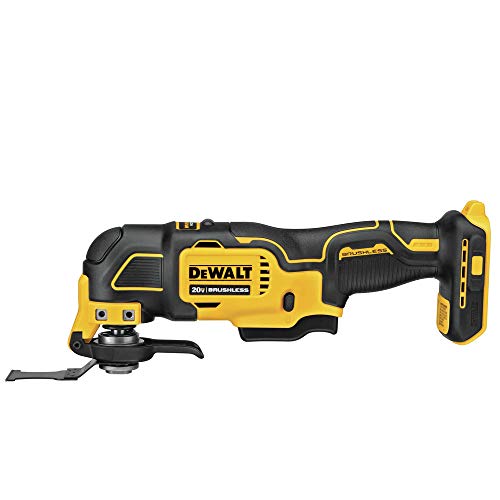
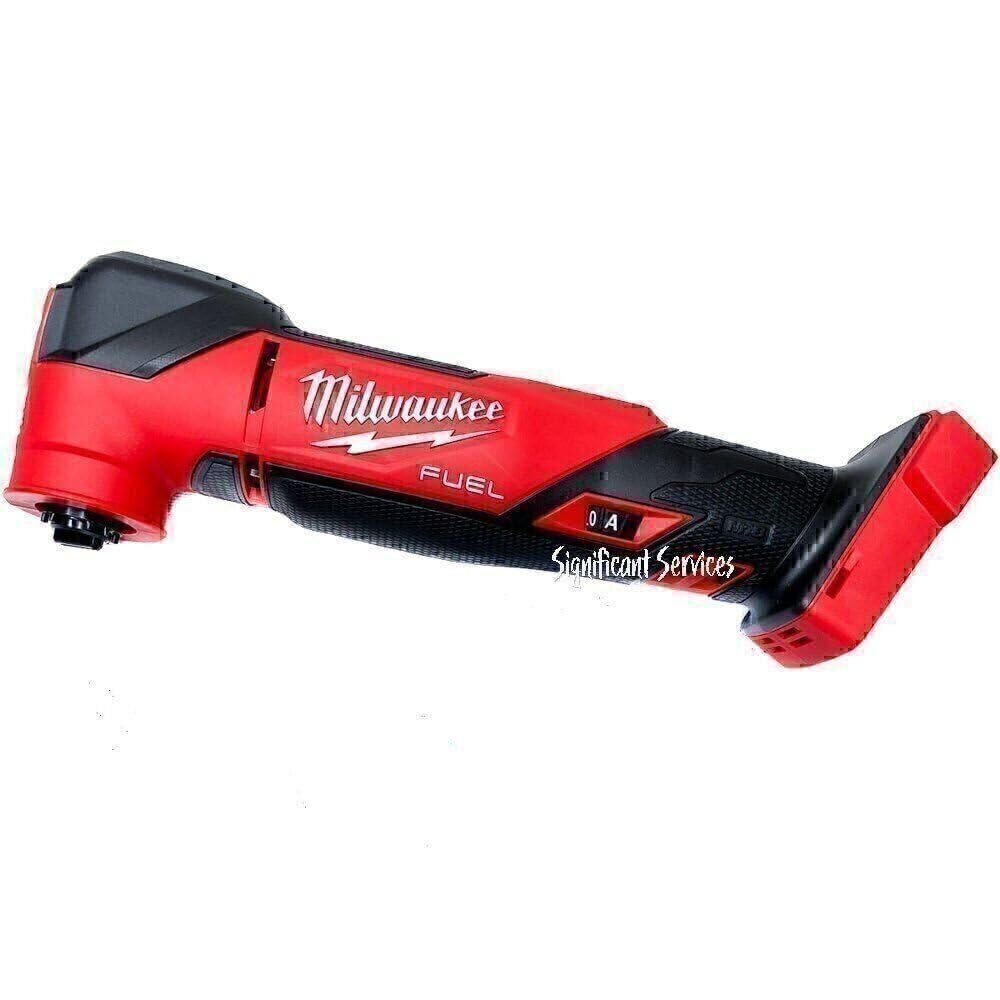
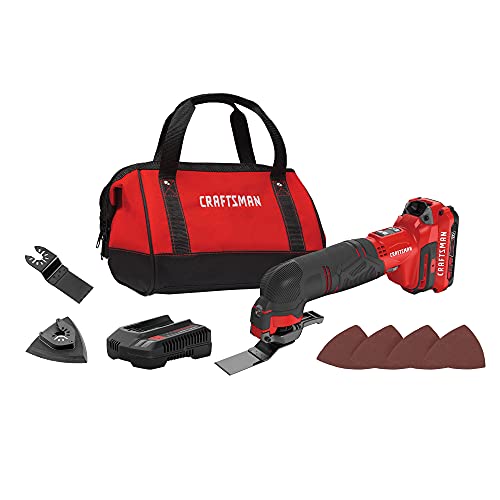


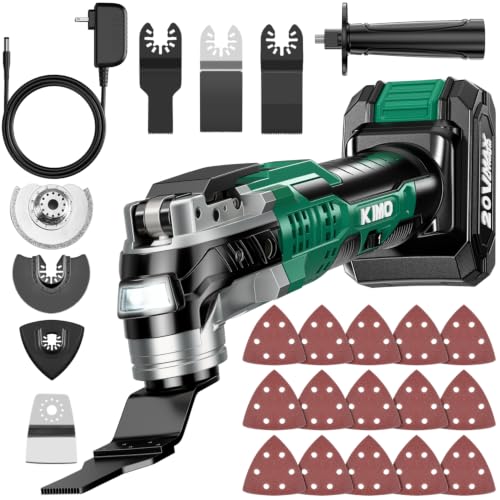
Who Should Buy Which Cordless Oscillating Tool?
Remodelers Who Do a Bit of Everything
Your tool undercuts casings, cuts drywall openings, scrapes adhesive and flush cuts nails in the same afternoon. A mid or top tier cordless model on your main battery platform, with a quick change mount and a wide speed range, is your workhorse. Buy the version that accepts the largest accessory ecosystem you can feed, because blades, not the tool, dominate your yearly spending.
Flooring and Trim Installers
Your signature job is the undercut: jambs and casings trimmed at exactly floor height, dozens per house. You need low vibration for all day use, a body slim enough to lie flat against the floor, and blades that swap in seconds without a wrench. A lighter model with strong dust control serves you better than the most powerful one, because control at floor level decides the quality of the cut.
DIY Renovators Tackling Bathrooms and Kitchens
Your projects come one room at a time: grout removal, cutting out damaged drywall, sanding corners a big sander cannot reach. A value tier cordless tool on the platform you already own handles all of it, and the money saved buys the accessory assortment you will burn through. Our specialist guide to the best oscillating tool for grout removal work shows which blades and speeds that job demands.
Key Features to Compare
Oscillation Angle and Speed Range
The blade swings side to side through a small arc, listed in degrees, at a rate listed as oscillations per minute. A wider angle cuts faster and rougher, a narrower angle cuts slower with more control, and quality tools let you dial speed from a gentle crawl for sanding and scraping to full pace for plunge cuts. For most renovation work, a wide adjustable range matters more than the top figure, because delicate jobs fail at high speed, not low.
Accessory Mount System
Mounts decide which blades fit and how fast they change. The Starlock family of mounts, now common across brands, clicks accessories on and off in seconds with no loose bolt to drop inside a wall, and its heavier duty variants feed more power into demanding blades. Older universal mounts with a hex bolt accept nearly everything but change slowly. Before buying any tool, price the blades in its mount system, because a cheap tool with costly blades is not cheap for long.
Battery Platform and Runtime
Oscillating tools sip power on detail work and drink it on grinding, grout removal and long flush cuts in hardwood. A compact pack covers trim tasks, but sustained heavy work wants the larger packs from your platform, and the tool should keep full speed as the charge fades. If you already run a cordless platform for drills and saws, staying inside it is the single easiest way to get runtime without buying batteries just for this tool.
Motor Type and Power Delivery
Brushless motors dominate the better cordless models, running cooler and holding speed under load better than brushed units, which matters when a plunge blade bites into a stud. Power delivery shows up as smoothness: a good tool drives the blade without bogging or chattering at the start of a cut. If your work leans heavy, such as frequent grout or thick hardwood cuts, weight your choice toward the stronger motor class in your platform.
Vibration, Noise and Handling
An oscillating tool transmits its motion to your hand by design, and poor designs punish you with numb fingers after ten minutes. Better tools isolate the housing from the drive and keep the body slim enough to grip close to the head for control. An LED light at the head is worth having, because so much of this tool's work happens inside cabinets, under jambs and in corners where the light never reaches on its own.
Speed Control and Soft Start Behavior
A variable speed dial, ideally separate from the power switch, lets you set the pace before the blade touches the work. Soft or controlled starts prevent the blade from skating across a finished surface at switch on, a small behavior that saves visible damage. Constant speed electronics that hold pace under load also help on long cuts, where a fading tool tempts you to push harder and wander off line.
Cordless Versus Corded for Oscillating Work
Cordless wins on convenience for the short, scattered tasks this tool is famous for, and modern platforms have closed most of the power gap for cutting and sanding. Corded models still make sense for marathon grinding or grout sessions, where they run at full strength indefinitely and cost less, as our best corded oscillating tool guide explains. Many pros run both: cordless for daily trim work, corded parked at the bench for heavy removal days.
Accessories Worth Owning First
Start with a small set of quality blades rather than a giant bargain assortment. A bi metal plunge cut blade handles wood with nails, a segmented blade flush cuts and tackles grout lines, a scraper lifts adhesive and paint, and a sanding pad with assorted grits covers detail sanding. Cheap blades dull in minutes and make the tool feel weak, which leads owners to blame a good tool for an accessory problem. Buy blades in your mount system, store them flat, and replace them the moment cutting slows, because a dull blade overheats the work and the tool alike.
Common Mistakes to Avoid
- Pressing hard to make the tool cut faster, which only overheats the blade and slows the cut.
- Running full speed for sanding and scraping, melting adhesive and paint into a smeared mess.
- Buying blades in the wrong mount system because they were on sale, then forcing ill fitting accessories.
- Using a wood blade on grout or a grout blade on nails, and ruining both blade and workpiece.
- Ignoring a small pack's limits on grinding work, then fighting a tool that fades mid task.
- Skipping eye protection on flush cuts, where a snapped blade tip has nowhere to go but out.
How to Make Your Cordless Oscillating Tool Last Longer
Blow dust from the vents and accessory mount after dusty jobs, because grout and drywall dust are abrasive and work into bearings and switches. Let the tool cool during long grinding sessions instead of running pack after pack without a pause, and store batteries partly charged indoors as you would for any cordless platform. Keep the mount faces clean so accessories seat fully, and retire bent blades immediately, since a bent blade vibrates the drive train on every stroke.
FAQ
What is the best cordless oscillating tool for a typical homeowner?
The best choice is usually the mid tier model on the battery platform you already own, with a quick change mount and a wide speed range. That combination covers undercutting, grout, scraping and sanding without new batteries. Step up a tier only if you plan heavy grinding or daily trade use, where motor strength and cooling begin to separate the classes.
Are cordless oscillating tools as powerful as corded ones?
For cutting, scraping and sanding, modern brushless cordless models match corded tools closely, and you will not feel a gap on trim work. The difference shows in endurance: a corded tool holds peak output for an hour of grinding, while a cordless tool depends on pack size and swaps. For most renovation days built from short tasks, the cordless tool never feels weaker.
How long does an oscillating tool battery last per charge?
Expect anywhere from about twenty minutes of heavy grinding to well over an hour of light cutting and sanding from a mid size pack. Speed setting dominates the figure, since full pace drains a pack several times faster than detail speeds. Owners who do grout or demolition work should keep a second large pack rotating on the charger.
How do you clean an oscillating tool after dusty work?
Remove the battery and accessory, then brush and blow out the vents, mount and switch area, and wipe the body with a dry cloth. Check the mount faces for packed dust that stops blades seating flush. Never wash the tool or use solvents near the motor vents, and let a hot tool cool fully before it goes back into a closed case.
What is the most reliable indicator of a good oscillating tool?
Consistency under load: a good tool starts cuts without chatter, holds its set speed as the blade bites, and swaps accessories that seat with a positive click every time. Those traits come from the drive and mount design rather than the spec sheet, which is why the same platform's better tier is usually worth its premium for anyone who uses the tool weekly.
Final Thoughts
Choose the mount system first, the platform second, and the speed range third, and the right tool picks itself. Set up that way, the best cordless oscillating tool for your kit will undercut, plunge, scrape and sand its way through problems no other tool in the bag can touch. Compare the classes in the product table above, budget for quality blades from day one, and this small tool will earn its place fast.


