
Best Gasket Sealer for Water Pumps Made Simple: A Clear Buying Guide
Disclosure: We may earn a commission when you buy through links on this page, at no extra cost to you. As an Amazon Associate I earn from qualifying purchases. Learn more

A beginner guide to water pump gasket sealers: types, specs, prep and leak free installation.
A water pump job is only as good as its seal. Pick the wrong sealer, or put on too much, and you get a slow coolant weep, a clogged passage or a repeat job a month later. Choosing the best gasket sealer for water pumps starts with one question: does your pump use a pre cut gasket, an O-ring or a formed in place bead of sealant?
This beginner guide explains the main sealer types, the specs on the tube in plain English, the rookie mistakes that cause leaks and how to prepare and apply sealer for a clean, lasting seal. It applies to automotive engine water pumps and small engine coolant pumps.



Gasket Sealers 101: The Basics
A water pump bolts to the engine block or timing cover, and the joint must hold hot, pressurized coolant. Manufacturers seal it in one of three ways: a pre cut gasket made of paper, fiber or rubber coated metal, an O-ring in a groove, or a formed in place gasket made from a bead of RTV silicone. Your service manual tells you which one your engine uses.
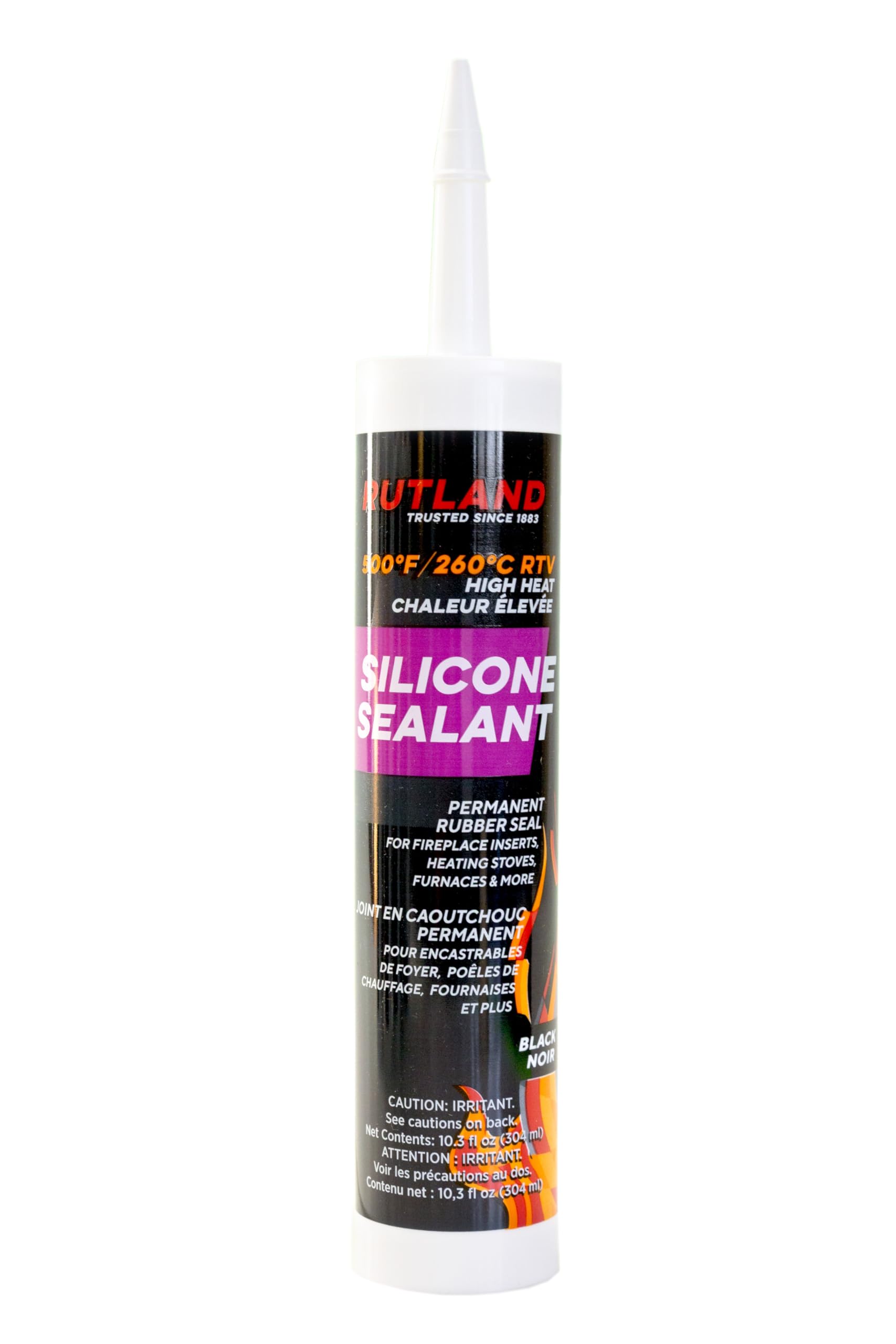
Gasket sealers fall into a few groups. RTV silicone gasket makers, such as Permatex Ultra Grey, J-B Weld Red High Temperature and Rutland Black, cure with moisture in the air into a flexible rubber seal. Anaerobic sealers cure without air between tight, rigid metal flanges. Gasket dressings are thin coatings that help a pre cut gasket seat and stay put during assembly.
Key Specs Explained in Plain English
The label on a gasket sealer lists color, temperature range, cure time and what fluids it resists. Those details decide whether it belongs on a water pump. For coolant joints, look for resistance to water and glycol based antifreeze, a temperature rating well above engine operating temperature and a cure time that fits your schedule.
Also check whether the product is sensor safe. Modern engines use oxygen sensors that can be damaged by vapors from some older silicone formulas, so most quality RTV sealers now carry a sensor safe label.
Features That Matter for Water Pumps
For water pumps, the sealer must resist coolant, handle heat cycles and stay flexible as aluminum and iron expand at different rates. High torque, rigid formulas like Permatex Ultra Grey suit flanges that see clamping force and vibration. Red high temperature RTV, like the J-B Weld 31914, handles heat well, and black RTV is often chosen for oil and coolant resistance. Read the label to confirm coolant compatibility.
Sealant Types: Gasket Maker vs Pre Cut Gasket
If your pump came with a pre cut gasket, such as the FEL-PRO 35655 Water Pump Gasket, use it as the main seal and add sealer only if the gasket maker or service manual allows it. Many modern gaskets are designed to go on dry. If the engine calls for a formed in place gasket, a bead of RTV replaces the gasket entirely. Never stack thick RTV on top of a pre cut gasket.
Brand and Product Lines
Permatex offers the widest range, with grey, red, black, copper, blue and anaerobic gasket makers, plus formulas like The Right Stuff. J-B Weld, Rutland, FEL-PRO and others offer alternatives. Stick to products labeled for automotive gasket use and check the specific product page for coolant resistance rather than relying on the brand name.
Temperature and Fluid Resistance
Engine coolant typically runs around 195 to 220°F, so any RTV labeled for high temperature use covers a water pump easily. Rutland lists its black RTV gasket sealer at up to 500°F. Fluid resistance matters more than peak temperature: the cured sealer must not soften in antifreeze over years of heat cycles.
Application and Cure Time
RTV sealers usually skin over in minutes and reach full cure in about 24 hours, though times vary by product, temperature and bead thickness. Check the label for when you can refill coolant and start the engine. Pressurized cans, like the Permatex PowerBead can on Ultra Grey, make it easier to lay a steady bead than a squeeze tube.
Safety Features
Work in a ventilated space, because curing RTV releases vapors. Wear nitrile gloves and eye protection, and keep sealers away from children and pets. Antifreeze is toxic and tastes sweet to animals, so catch it in a drain pan and clean spills right away. Dispose of old coolant at a recycling center.
Popular Gasket Sealer for Water Pumps Options Compared
These products are common shortlist choices when shoppers look for the best gasket sealer for water pumps, along with a pre cut gasket for comparison. Use the type column to match each one to how your pump seals, then confirm coolant resistance on the label. Prices change often, so treat them as approximate.
| Product | Type | Size | Approx Price |
|---|---|---|---|
| Permatex 85084 Ultra Grey | Rigid high torque RTV | 9.5 oz PowerBead can | About $31 |
| Permatex 25224 The Right Stuff | Gasket maker | 7 oz | About $35 |
| J-B Weld 31914 | Red high temperature RTV | 10.3 oz | About $18 |
| Rutland Black | High temp RTV, listed to 500°F | Tube | About $18 |
| FEL-PRO 35655 | Pre cut water pump gasket | Gasket | About $16 |
Rookie Mistakes to Avoid
The most common mistake is using too much sealer. Excess RTV squeezes into the cooling system, where it can break off and clog the radiator, heater core or thermostat. A thin, even bead is enough. Another mistake is skipping surface prep; old gasket material and oil prevent a good bond.
Beginners also stack sealer on a gasket that is meant to go on dry, refill coolant before the sealer cures and over torque bolts, which squeezes the gasket and distorts the flange. Finally, using a sealer that is not rated for coolant can lead to a slow leak months later.
Getting Started: Setup and First Use
Drain the coolant into a pan and remove the old pump. Scrape off old gasket material with a plastic scraper, then clean both surfaces with brake cleaner or the solvent recommended by the sealer maker until they are dry and free of oil. Avoid gouging aluminum surfaces.
Apply a thin, continuous bead around the inside of the bolt holes, or follow the gasket maker's instructions for a pre cut gasket. Install the pump within the working time on the label, tighten bolts in a crisscross pattern to the specified torque and wait for the cure time before refilling coolant and bleeding air from the system.
Gasket Sealers: Your Questions Answered
What features matter most in gasket sealers for water pumps?
Coolant resistance, flexibility through heat cycles, a suitable temperature rating and a sensor safe formula matter most. A rigid, high torque formula suits flanges with heavy clamping force, while a flexible RTV suits joints between dissimilar metals. Always check the label for antifreeze compatibility.
Should I use sealer with a new water pump gasket?
Only if the gasket or pump maker says so. Many modern gaskets have coatings or rubber beads designed to seal dry, and extra sealer can make them slip or squeeze out. When the instructions allow it, a very thin film or a gasket dressing helps hold the gasket in place during assembly.
What specs matter most for home projects?
For home mechanics, look for a product labeled for water pumps or coolant, a cure time that fits your schedule and an easy dispenser. A pressurized can gives a smoother bead. Buy a size you will use before it expires, since opened tubes can cure inside.
How long should RTV cure before adding coolant?
Most RTV sealers skin over quickly but need many hours to cure fully, often around 24 hours. Some products allow quicker return to service. Follow the label for your specific product, and give extra time in cold or dry conditions.
Which color RTV is best for water pumps?
Color is a code, not a rule. Grey is often used for rigid, high torque flanges, black for oil and coolant resistance and red for high heat. The right choice is the one whose label lists coolant resistance and suits your flange. Follow your service manual when it names a product.
The Bottom Line
The best gasket sealer for water pumps is the one that matches how your pump seals. Use the pre cut gasket when one is supplied and add sealer only if allowed. For formed in place joints, choose a coolant resistant RTV such as Permatex Ultra Grey, J-B Weld Red or Rutland Black, apply a thin bead to clean surfaces and let it cure fully. For pumps themselves, see our guides to water pumps and submersible water pumps.


