
Best 14 Inch Chainsaws (2026): How to Choose the Right Saw
Disclosure: We may earn a commission when you buy through links on this page, at no extra cost to you. As an Amazon Associate I earn from qualifying purchases. Learn more

Learn what a 14 inch chainsaw cuts well, how to compare power sources, chain pitch and weight, and how to size, use and maintain one safely at home.
A storm drops two limbs across the fence, the wood stove needs a cord of small rounds cut to length, and the pruning list has waited all summer. Jobs like these explain the lasting appeal of the best 14 inch chainsaw size class: big enough for real cutting, small enough to control and store without dread. At 14 inches you can choose gas, battery, or corded power, and each source suits a different kind of owner. The comparison table below sorts the classes by the work they handle best.
This guide explains what a 14 inch bar actually cuts in one pass, why chain pitch matters more at this size than raw power claims, and which safety habits matter most with a light saw that invites casual handling. For the full size range explained in one place, our guide to the best chainsaw classes covers bars from mini to professional, and this page then zooms in on the 14 inch sweet spot.

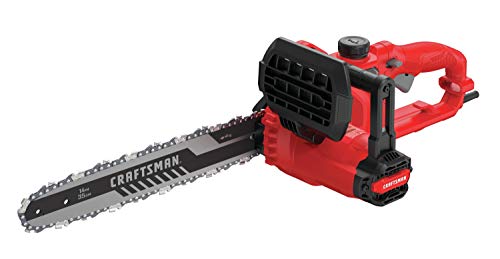
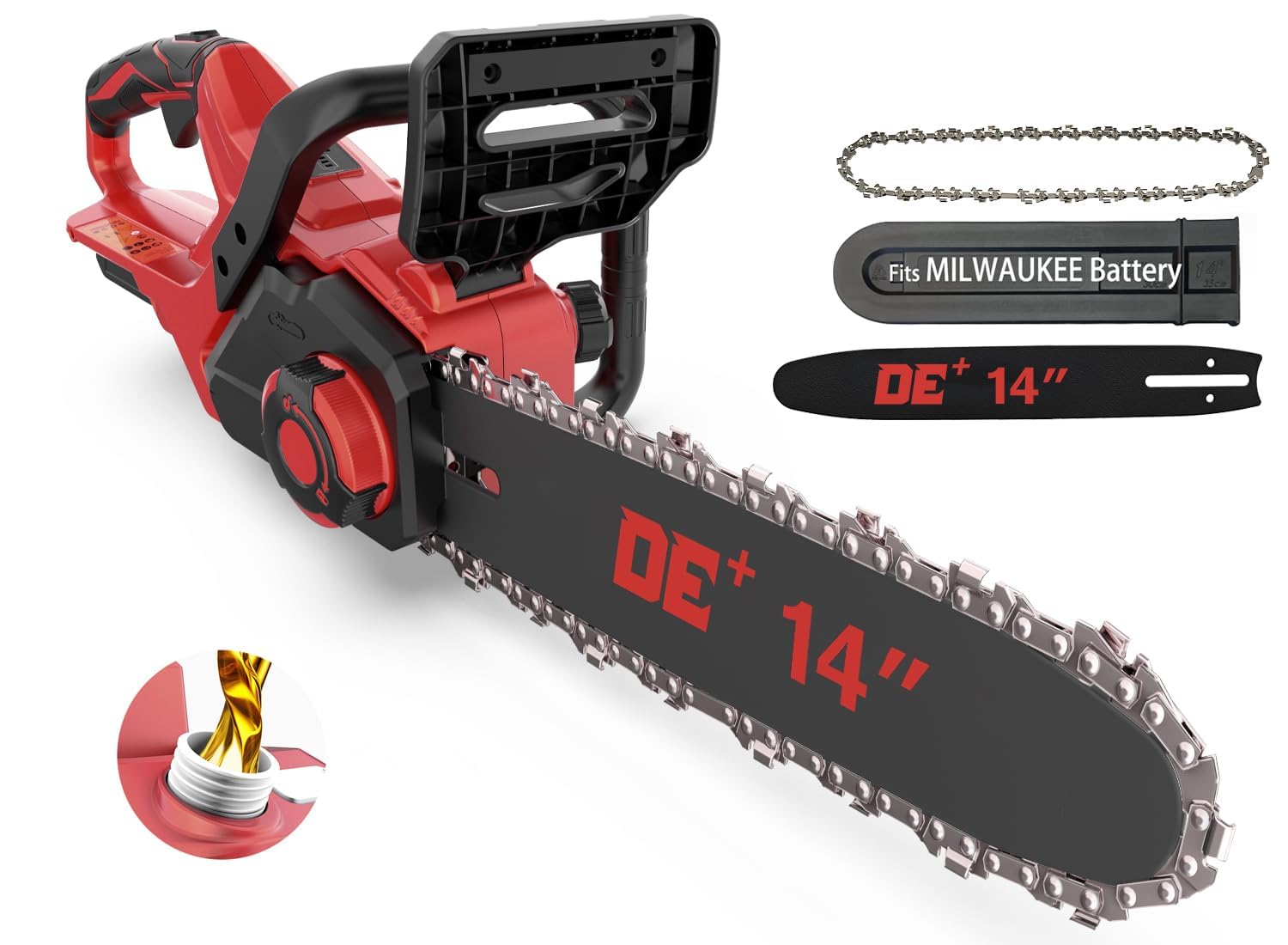


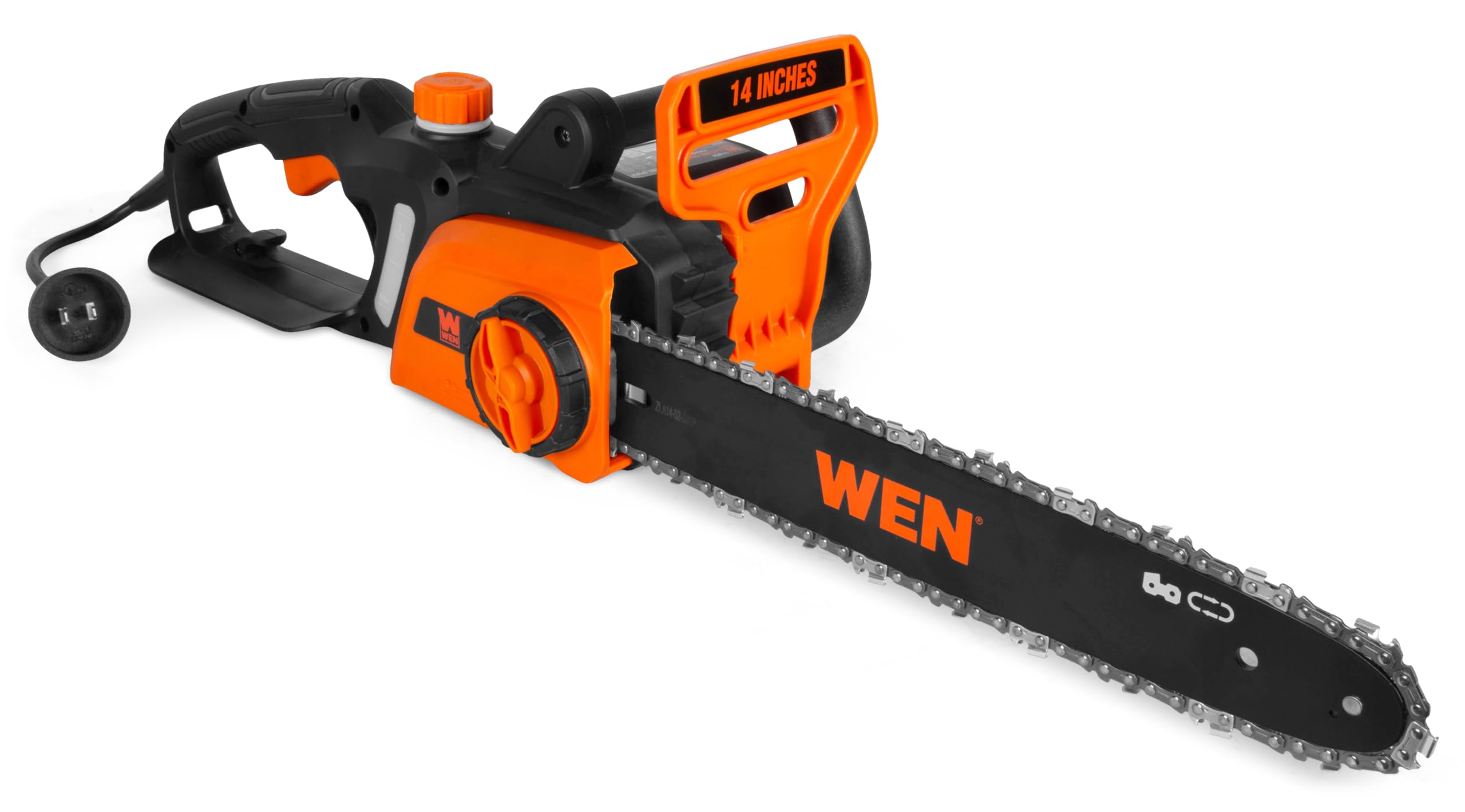
Who Should Buy Which 14 Inch Chainsaw?
Homeowners handling pruning and storm cleanup
Your cutting is limbs on the ground, small dead trees, and branches overhanging the garden, all a few weekends a year. A battery or light gas 14 inch saw covers that list with easy starts and modest weight, and it stores on a shelf instead of a bench. This is the user group at the heart of our guide to the best chainsaw for homeowners, and the shared lesson is simple: control and sharp chain beat extra bar length for occasional work.
Wood stove owners cutting small firewood
You buck logs that arrive small or split rounds down to stove length, and most of your wood measures under a foot across. A 14 inch saw is honestly sized for that work, light enough to run for an hour of bucking without wrecking your shoulders. Gas power suits you if wood arrives by the truckload far from an outlet, while battery suits steady small batches near the house. Either way, budget for a second chain so a dull one never tempts you to force a cut.
Gardeners and orchard owners pruning thick branches
Pruning cuts are precision cuts, often one handed reaches from awkward stances, and a compact 14 inch saw with good balance keeps the bar where your eyes point it. Battery models shine here because they start instantly for a single cut and stay silent between trees. Keep the saw on the ground crew side of the work, though: cutting from ladders is a job to decline or hand to a professional, whatever saw you own.
Key Features to Compare
At this size, small differences in chain, weight, and oiling separate a pleasant saw from a frustrating one.
Power source at the 14 inch size
Battery power is genuinely strong in this class, because 14 inch cutting loads sit within what modern packs deliver, and you gain instant starts and quiet running. Small gas engines around 30 to 38 cc give unlimited runtime and a traditional feel, at the cost of fuel mixing and pull starts. Corded electric saws cost the least and suit yards where every tree stands within cord reach of the house. Our guide to the best battery chainsaw models explains pack sizing if battery leads your list, since runtime per charge varies widely in this class.
Cutting capacity and honest bar math
A 14 inch bar does not cut 14 inches of wood in one pass, because the nose and the saw body give you about 12 inches of usable depth. That covers the large majority of limbs and small logs a homeowner meets. Bigger rounds are still possible by cutting from two sides, rotating the log between cuts, which is standard practice rather than a workaround. Judge this class by the wood you cut every month, not the one giant trunk you might meet once in a decade.
Chain pitch and narrow kerf design
Most 14 inch saws run low profile 3/8 pitch chain, a light chain with small cutters that sip power instead of demanding it. Narrow kerf versions remove a thinner slot of wood, so a modest motor pulls them at full speed through hardwood where a heavier chain would bog down. When you buy spare chains, match pitch, gauge, and drive link count exactly, because close is not compatible in chain sizing. A spare chain costs little and turns a dull chain stop into a two minute swap.
Working weight and balance
Advertised weight often means the dry powerhead alone, while your arms carry the working weight with bar, chain, fuel or battery, and bar oil aboard. In this class that working weight lands in a friendly range, yet the spread between the lightest and heaviest models is still enough to feel after an hour. Balance matters as much as pounds: a saw that hangs level from your front hand lets you guide cuts with your wrists instead of wrestling the nose down. Judge weight with the largest battery you plan to run, not the display pack.
Oiler type and chain tensioning
An automatic oiler that flows when the chain moves is standard here, and adjustable flow is a bonus for dry hardwood or long cuts. Fixed flow oilers are simpler and fine for light duty, as long as you confirm oil is reaching the bar by watching for the fine spray line off the nose. For tensioning, toolless dial systems suit occasional users who actually adjust chain slack because it is easy, while classic screw and nut setups hold settings firmly for heavy users. Either system fails the owner who never checks slack, and a loose chain that derails teaches that lesson once.
What Diameter Log Can a 14 Inch Chainsaw Cut?
In a single pass from one side, plan on about 12 inches of wood, which covers limbs, small trunks, and most firewood rounds. For a log up to roughly 20 inches across, cut partway from the top, roll the log or walk around it, and finish from the other side so the two cuts meet. Support long logs off the ground on a bucking stand or another log, because a log resting on soil pinches the bar and guarantees the chain kisses dirt, and one touch of dirt dulls a chain faster than an hour of clean wood.
Safety scales with the wood, not the saw size. The kickback zone is the top quarter of the bar nose, and a light saw kicks just as fast as a big one when that zone strikes wood or a hidden branch. Wear chaps, eye and hearing protection, and gloves, keep both hands on the saw, and never cut above shoulder height. Get medical care right away for any deep cut or a wound that will not stop bleeding, since chainsaw injuries worsen fast. And for pruning cuts above your reach, the right tool is often smaller, not bigger: our guide to the best mini chainsaw models covers the compact pruning saws made for one handed limb work on the ground.
Common Mistakes to Avoid
- Touching soil at the end of a cut, which dulls the chain instantly and turns clean cutting into burning and smoke.
- Forcing a dull chain with body weight, which overheats the bar, strains the motor, and makes kickback far more likely.
- Cutting limbs under tension without reading the bend, which lets the wood spring or pinch the bar without warning.
- Running the chain too loose, which invites derailment and a whipped chain near your legs.
- Skipping the chain brake check before work, which removes your fastest protection if the saw kicks.
How to Make Your 14 Inch Chainsaw Last Longer
Chain care gives back the most life per minute spent. File the cutters with the correct round file size for low profile chain, keep strokes even so all cutters stay the same length, and lower the depth gauges when the maker schedule says to, because a sharp chain lets the saw feed itself. Flip the bar each time you swap chains so both rails wear evenly, and clear packed sawdust from the oil port and bar groove with a thin tool. These small habits keep cuts straight and stop the saw from working twice as hard as it should.
Between sessions, empty or stabilize fuel in gas models, store battery packs indoors at a partial charge, and loosen the chain slightly as it cools so it does not contract tight around the bar. Keep the saw in its scabbard, out of damp sheds where rust creeps into the chain overnight. A saw stored sharp, dry, and oiled starts its next job as a pleasure instead of a project.
FAQ
Is a 14 inch chainsaw big enough for firewood?
For rounds up to about 12 inches across, yes, it is well sized and faster to handle than a bigger saw. Larger rounds can be split first with a maul and then bucked, or cut from two sides. If your supplier regularly delivers unsplit hardwood over 16 inches, step up a bar size instead of fighting every log, because the right size saves more time than any technique.
Can a 14 inch chainsaw fell a tree?
It can fell small trees with trunks up to roughly 10 to 12 inches, using proper notch and hinge technique on clear ground. Anything leaning toward a house, tangled in other trees, or near lines belongs to a professional arborist with rigging gear and insurance. Tree felling is the most dangerous task in the chainsaw world, and the small price of a pro visit is cheap next to one bad fall of timber.
What fuel mix does a small gas 14 inch chainsaw use?
Most current homeowner gas saws run a 50 to 1 gasoline to oil mix, but confirm the ratio in your manual because a few brands specify differently. Always use oil rated for air cooled two stroke engines, mix in a labeled can, and shake the can before filling since oil settles. Ethanol free fuel, where you can buy it, prevents many of the carburetor problems that make small saws hard to start.
Why does a 14 inch chainsaw cut crooked?
Crooked cuts usually mean the cutters on one side are longer or sharper than the other, so the chain steers toward the stronger side. Uneven filing is the usual cause, fixed by counting strokes and filing the shorter side to match. A worn bar with one rail lower than the other causes the same drift. Dress or replace the bar if a careful chain sharpening does not restore straight cutting.
How often should you sharpen a 14 inch chainsaw chain?
Sharpen when the saw stops feeding itself and the exhaust changes from chips to fine dust, which can be after a few tanks of fuel in clean wood or within minutes after touching dirt or a hidden stone. A few light file strokes at every refuel or battery swap keep most owners ahead of dullness. Deep sharpening sessions to rescue a rocked chain are the ones that shorten chain life.
Final Thoughts
The 14 inch class rewards owners who match the saw to their real wood: pruning and cleanup favor light battery models, steady firewood work favors gas endurance or big packs, and every version rewards a sharp chain and honest sizing. Compare the classes in the product table above with your wood pile in mind. Sized and maintained that way, the best 14 inch chainsaw for your property will feel less like a compromise and more like the saw you reach for first.


