
Best Cordless Lawn Mowers (2026): A Buying Guide for Gas Free Yard Care
Disclosure: We may earn a commission when you buy through links on this page, at no extra cost to you. As an Amazon Associate I earn from qualifying purchases. Learn more

Battery runtime, deck width and drive type decide the best cordless lawn mowers for your yard. Compare them before you buy.
No gas can, no pull cord, no oil changes: the appeal of a battery mower is easy to understand, and so is the disappointment when one dies twenty feet from the finish line. Choosing among the best cordless lawn mowers is mostly an energy budgeting exercise, where the size of your lawn, the thickness of your grass, and the battery platform you buy into must all agree with each other.
This guide walks through that math and the hardware choices around it, without ranking specific models. The comparison table below gathers the numbers that matter, so you can see how battery size, deck width, and weight trade against each other before you commit to a platform.


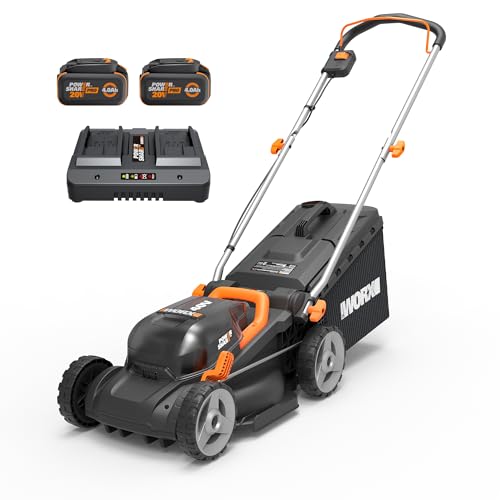
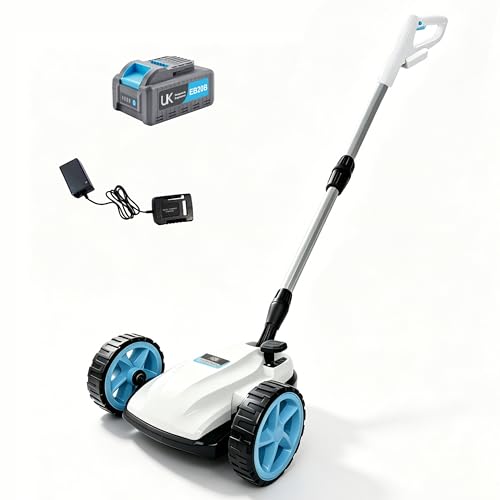
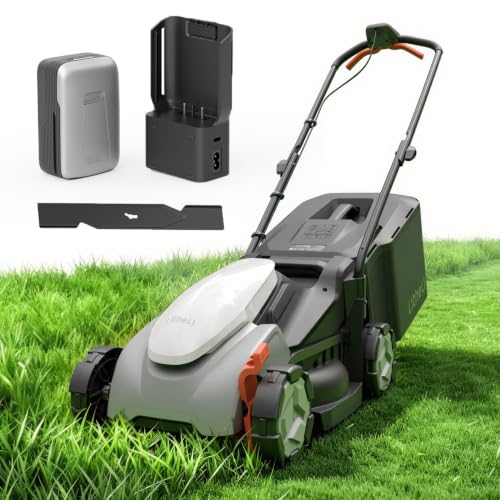


Which of the Best Cordless Lawn Mowers Fits Your Yard?
Battery mowers fit three yard profiles particularly well. Our wider guide to the best lawn mower options of every power type can help if you are still deciding between fuel and electrons, but the groups below already know they want a cordless machine and need the right size of one.
Small Suburban Lawns up to About a Quarter Acre
This is the heartland of battery mowing: a front and back lawn that a single charge, or one battery swap, can finish. A mower in the forty volt class or higher with a twenty or twenty one inch deck balances cutting speed against weight for this group. Our guide to the best electric lawn mower options covers corded models too, but the real question for cordless is runtime honesty: choose a kit whose stated coverage beats your measured lawn by a comfortable margin, since thick spring grass always eats more charge than the box assumes.
Townhouse and Condo Yards With Tight Storage
Small yards attached to townhouses and condos often come with a storage closet instead of a garage, and that constraint shapes the right mower as much as the lawn does. Compact decks of sixteen to eighteen inches, folding handles, and vertical storage capability matter more here than raw power. A lighter push model you can carry up two steps beats a heavy self propelled machine you dread hauling out. This group also benefits from quiet operation, since weekend mowing near shared walls stays neighborly at battery mower noise levels.
Owners Already Invested in a Battery Platform
If your drill, blower, and trimmer already run on one brand's batteries, the smartest mower is usually the one that drinks from the same packs. Sharing batteries spreads their cost across many tools, means a spare is always charged, and turns a mid job shutdown into a thirty second swap. Check that the mower uses the same voltage line as your tools, because brands run several incompatible families. Buying the mower body alone only saves money if your existing batteries are big enough to feed it.
Key Features to Compare
Battery Voltage, Amp Hours, and Platform
Voltage describes the platform class, from eighteen volt compacts to eighty volt and higher systems, while amp hours describe how much energy each pack holds. Multiply the two and you get watt hours, the fairest single number for comparing runtime potential across brands. Higher voltage platforms generally deliver stronger torque for thick grass, but a large amp hour pack on a lower voltage system can outlast a small pack on a bigger one. What matters most is the total energy in the box and whether extra packs are affordable.
Runtime and Honest Yard Coverage
Manufacturers quote runtime under gentle conditions: short, dry grass, a steady walking pace, and partial cutting height. Real lawns with thick spring growth, slopes, or bagging can cut that figure by a third or more. Translate claims into coverage by measuring your actual turf area, subtracting beds, patios, and trees, then choosing a kit rated well above the result. Stops and starts for edging and turning cost extra energy as well. A second battery or a rapid charger is cheap insurance for lawns near the edge of a kit's rating.
Deck Width and Deck Material
Deck width sets how many passes your lawn takes. A twenty one inch deck finishes a quarter acre noticeably faster than a sixteen inch deck, but it weighs more, costs more, and maneuvers worse around beds and play sets. Steel decks shrug off rocks and years of use at the price of weight, while quality polymer decks never rust and keep the mower light enough to hang on a wall hook. For small, obstacle filled yards, the narrower deck often produces the better looking lawn, because you trim closer without wrestling the machine around every tree ring.
Cutting Height Range and Adjustment
Most lawns thrive when cut between about two and a half and four inches, and a good mower offers that whole range with room to spare at both ends. Single lever height adjustment, which raises all four wheels together, keeps the deck level and saves real time compared with adjusting each wheel on its own. Check the maximum height especially: mowers that top out too low scalp high cut turf types and struggle during the first spring cut after a vacation. A tilted deck, by contrast, leaves the striped, uneven finish owners blame on their grass.
Push vs Self Propelled Drive
A push mower sends all battery energy to the blade, runs longer per charge, weighs less, and costs less. A self propelled model diverts some energy to drive the wheels, which pays off on slopes, on large lawns, and for anyone whose knees object to pushing. Our guide to the best push lawn mower category explains where muscle power still makes sense, but the cordless version of the decision adds one twist: drive systems draw from the same pack as the blade, so heavy self propelled use in thick grass shortens runtime twice over. Flat, small lawns rarely repay the drive; hilly ones almost always do.
Bagging, Mulching, and Discharge Options
How a mower handles clippings shapes both lawn health and your workload. Mulching chops clippings fine and returns them as free fertilizer, and it is the fastest mode, but it demands frequent mowing so clippings stay short. Bagging gives the cleanest finish and collects leaves in fall, at the cost of stops to empty and a slight runtime penalty. Side discharge handles overgrown grass that would choke a mulching deck. A mower offering all three, with plug and bag included rather than sold separately, adapts to growth spurts and tidy up weeks alike.
Sizing Battery Capacity to Your Actual Lawn
Measure before you shop for any of the best cordless lawn mowers. Walk your lawn's length and width, multiply, then subtract the house footprint, driveway, beds, and any areas you trim by hand; the remainder is your true mowing area, and it is often a third smaller than the lot size on your deed. Compare that figure with kit coverage claims, then discount the claim by about a third to cover thick grass, slopes, and the battery aging you will see by year three. If the math lands close, step up to the kit with two larger packs.
There is a ceiling to sensible battery sizing. Once a lawn passes about half an acre of actual turf, the cost of enough packs and chargers climbs toward the price of machines built for that scale, and our guide to the best zero turn lawn mower category is worth reading before you force the issue. Many large property owners compromise well: a cordless mower for the detailed areas near the house, and a bigger machine for the open acreage behind it.
Common Mistakes to Avoid
- Buying a kit rated exactly at your lawn size, so the first thick spring cut or an aging battery leaves the last strip unmowed.
- Mowing wet, overgrown grass on a low setting, which bogs the motor, drains the pack, and tears rather than cuts the blades of grass.
- Storing batteries in a hot garage or freezing shed, because temperature extremes quietly shorten pack life more than use does.
- Leaving the mower caked with clippings underneath, since packed decks rust, wobble, and rob the blade of cutting efficiency.
- Choosing a deck too wide for a yard full of beds and gates, so you spend the saved passes fighting the machine around obstacles.
- Mixing battery families within one brand, only to find at the curb that the mower's packs do not fit your other tools.
How to Make Your Cordless Lawn Mower Last Longer
Scrape or rinse the underside of the deck after mowing, once the battery is removed, and let it dry before storage so clippings cannot hold moisture against the metal. Keep the blade sharp, because a dull blade tears grass, works the motor harder, and can cost you a fifth of your runtime. Store batteries indoors at a partial charge, roughly half, rather than full or empty, and top them up before the first spring cut. Check that all four height levers still sit at the same notch, clean grass from the motor vents, and tighten the handle knobs each season. Treated this way, the mower body should outlast its first set of packs.
FAQ
Are cordless lawn mowers worth it?
For lawns up to about a quarter acre, yes: they start instantly, skip fuel and oil entirely, run quietly enough for early mornings, and fold away into small storage spaces. The value case weakens as lawns grow, because extra batteries and rapid chargers add real cost. One factor owners rarely price in is time: a mower that starts with a button and needs no seasonal fuel system care returns small slices of every weekend, which over ten years of Saturdays is worth more than the spec sheet suggests.
How long does a cordless lawn mower last?
The mower itself commonly lasts eight to twelve years, with the deck, motor, and wheels outliving the batteries by a wide margin. Brushless motors have almost nothing to wear out, and a steel or quality polymer deck shrugs off seasons of use. The practical limit is platform support: as long as the maker sells packs that fit your mower, it stays useful. That is one more reason to buy into a large, established battery family rather than a short lived bargain line.
How many years does a cordless mower battery last?
Expect roughly three to five years, or a few hundred full charge cycles, before a pack delivers noticeably less runtime. Heat is the main enemy, so a battery stored in a cool room and charged after cooling down from a mow ages far slower than one baked in a sunny shed. Runtime fades gradually rather than failing overnight, and many owners move an aging pack to lighter tools like trimmers and keep fresh packs on the mower, which stretches the value of every battery they own.
How do you clean a cordless lawn mower?
Remove the battery and any safety key first, then tip the mower on its side with the air filter or motor vents facing up, and scrape the deck with a plastic putty knife. A brush handles the top side and wheels, and a leaf blower clears the vents. Avoid spraying water into the motor housing or battery port, because the deck tolerates a rinse while the electronics do not. A clean deck also cuts better, since packed clippings disrupt the airflow that lifts grass for the blade.
What is the most reliable cordless lawn mower brand?
Reliability here is mostly platform reliability: the strongest sign is a maker with a long running battery family, packs stocked everywhere, and a mower line that has stayed on the same system for years. Brushless motors, sealed switches, and decks without rust prone seams add to the picture. Before buying, check the price of a replacement pack for the exact model, because a mower whose spare battery is cheap and easy to find is the one still running when its rivals are retired.
Final Thoughts
Buy the energy first and the mower second: measure your turf, discount the runtime claims, and choose a platform your other tools can share. Match the deck and drive to your slopes and storage, then let the product table above confirm the details side by side. Do that, and the best cordless lawn mowers for your yard stop being a gamble on battery life and become the quiet, push button routine you will wish you had adopted years earlier.


