
Best Cordless Pressure Washers (2026): A Guide Built for Real Projects
Disclosure: We may earn a commission when you buy through links on this page, at no extra cost to you. As an Amazon Associate I earn from qualifying purchases. Learn more

Battery pressure washers suit cars, decks and patios. Compare PSI, flow, runtime and water source to find the best cordless pressure washer.
No outlet near the driveway, no hose bib by the patio, and a corded washer that lives at the back of the garage: that is exactly the gap battery models fill. The best cordless pressure washer will not match a gas machine for stripping a whole driveway, but it wins on freedom and speed of setup for the smaller jobs that make up most home lists. This guide explains the pressure and runtime numbers honestly, so you buy with realistic expectations.
We will match buyer types to the right designs first, then compare pressure, flow, batteries and water supply options in detail. Use the comparison table below as your spec sheet while you read, and do not skip the safety and storage notes, because high pressure water and freezing weather both punish careless owners.

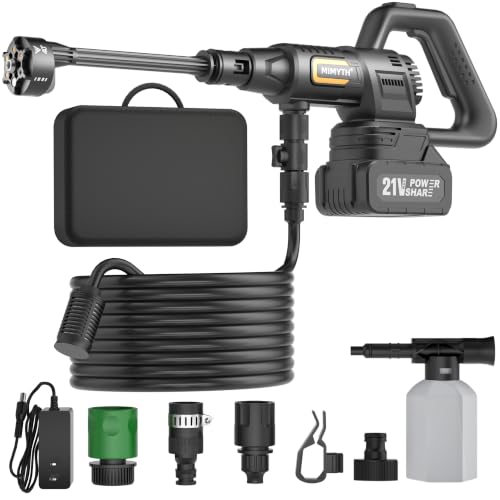
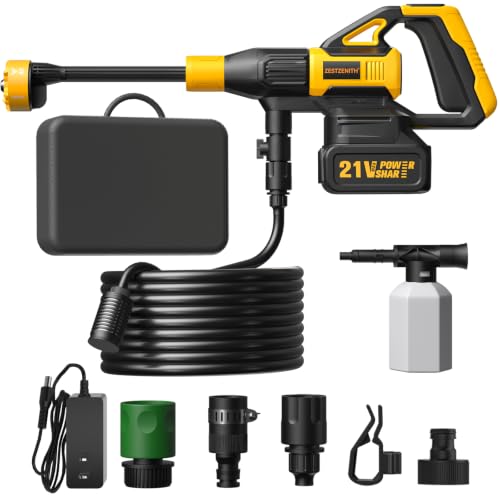

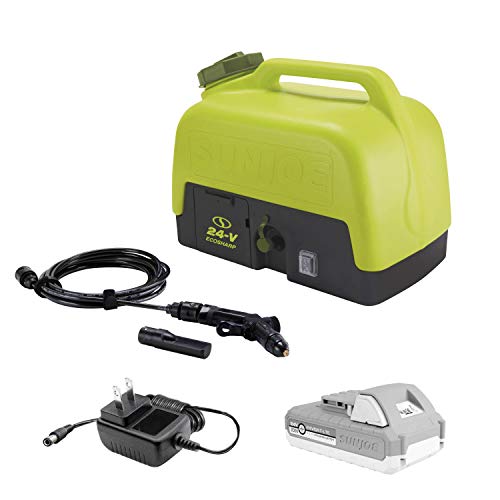

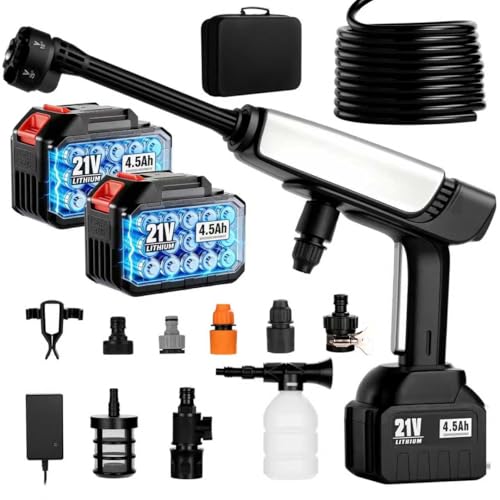
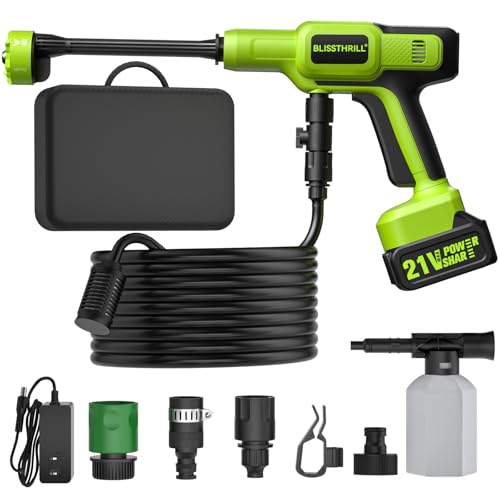

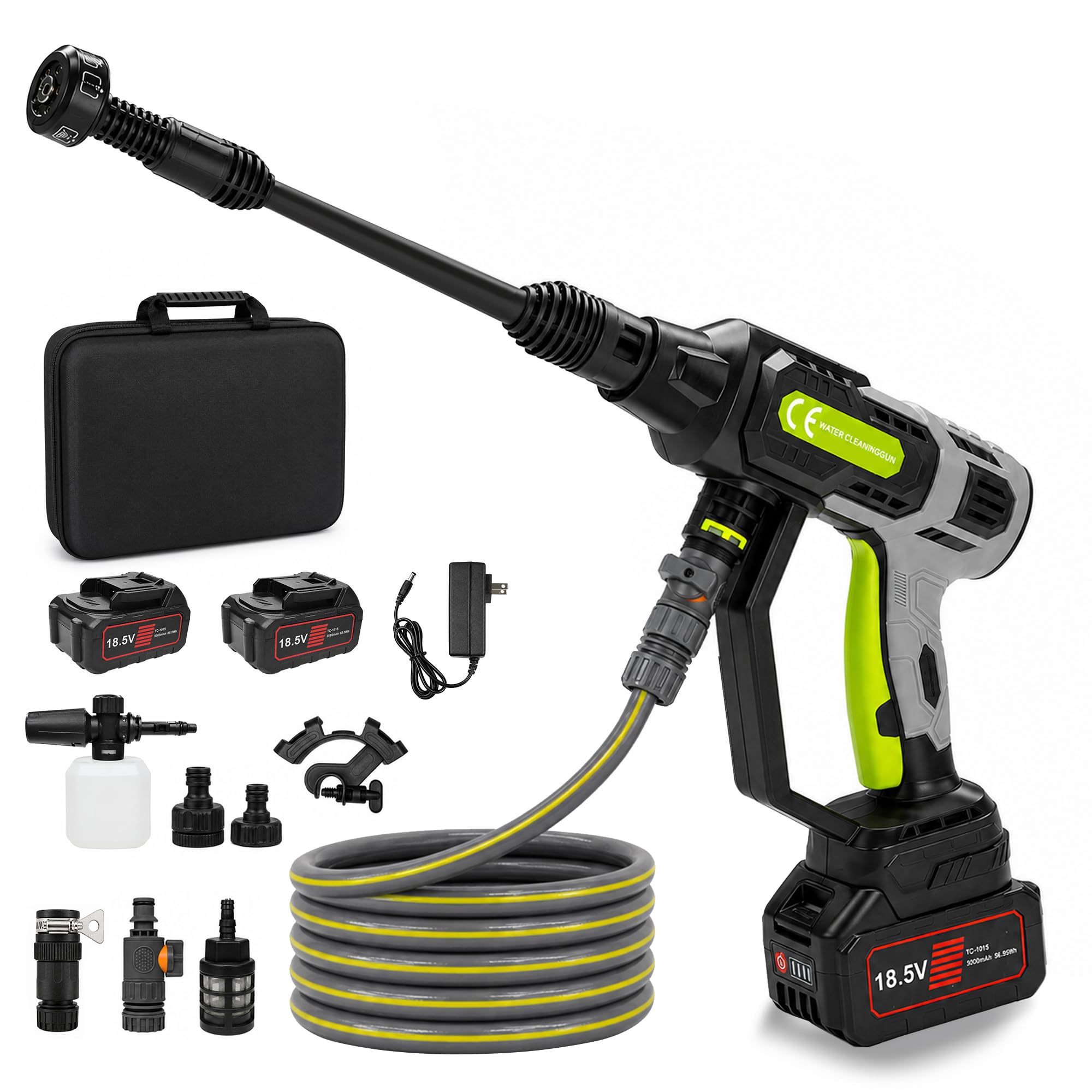
Who Should Buy Which Cordless Pressure Washer?
Car and Motorcycle Owners Who Wash at Home
Gentle, adjustable pressure is a gift for paintwork, and battery washers deliver it without dragging a cord around wet ground. If washing vehicles is your main job, moderate pressure with a foam friendly setup beats maximum PSI every time. Drivers who want a deeper comparison of vehicle safe setups should also read our guide to the best pressure washer for cars before deciding whether cordless convenience covers their needs.
Apartment, Condo and RV Dwellers Without Outdoor Outlets
When your water comes from a bucket and your power comes from a battery, a self priming cordless washer is often the only pressure washing option at all. These buyers should prize compact size, a collapsible bucket in the kit and the ability to draw from any container. The wider view in our guide to the best portable pressure washer designs shows how these compare with small corded portables for balconies, campsites and boat decks.
Homeowners With Light to Medium Outdoor Cleaning
Decks, patio furniture, siding near the ground, bikes and muddy boots are the natural territory of battery washers. If your list also includes large concrete areas every spring, be honest: you may be a corded buyer renting your patience. Homeowners comparing the whole field can start from our hub guide to the best pressure washer for home use, which places cordless models in context against electric and gas alternatives for typical houses.
Key Features to Compare
Pressure: PSI and What It Really Cleans
Cordless washers typically produce about 300 to 1,000 PSI, far below corded electric models at 1,500 to 2,300 PSI and gas machines beyond that. That range is genuinely useful: it lifts road film, algae on siding, mud from bikes and grime from patio furniture without gouging wood or lifting paint. It will slowly clean concrete, but slowly is the honest word. Some brands quote maximum pressure at the nozzle with no flow, so compare the rated working pressure where given, and treat pressure as a guide to job size, not a trophy number.
Flow Rate: GPM and Cleaning Units
Flow, measured in gallons per minute, is the rinsing power that carries dirt away once pressure loosens it. Battery washers commonly deliver about 0.5 to 1.0 gallons per minute, which is why they excel at targeted cleaning and feel weak on broad flat surfaces. Multiply PSI by GPM to get cleaning units, a fairer comparison than either figure alone. A model with slightly lower pressure but higher flow often finishes a deck chair set faster, because the rinse keeps pace with the scrub.
Battery Platform, Voltage and Runtime
Runtime is the cordless bargain: most kits give roughly 15 to 40 minutes of trigger time per battery, depending on pressure setting and pack size. Higher settings drain packs far faster, so a second battery doubles your real work window. Voltage platforms vary from compact 20 volt lines to dual battery 40 volt designs with more muscle. If you already own cordless tools, a washer on the same platform is usually the smart buy, and the category overview in our guide to the best pressure washer range explains where each platform sits.
Water Source: Hose, Bucket or Onboard Tank
How the washer drinks decides where you can work. Hose fed models behave like small corded units minus the cord. Self priming designs draw from a bucket, a lake or a rain barrel through an inlet hose with a filter, which unlocks campsites and docks. A few carry a small onboard tank, convenient for spot jobs but heavy and quick to empty. Check the maximum lift height the pump can draw from, and always keep the intake filter clean, since starved pumps overheat and lose pressure.
Nozzles and Spray Patterns
The nozzle shapes the water, so a good selection matters more than another 50 PSI. Look for a multi setting nozzle or a set of quick connect tips covering a gentle fan for cars and rinsing, a mid fan for decks and furniture, and a rotating or pencil jet for stubborn spots. A foam applicator bottle is a genuine plus for vehicle washing. Avoid using the zero degree jet on wood, window seals or skin; even battery pressure can cut a shoe or lift deck fibers at point blank range.
Weight, Size and Everyday Handling
Most cordless washers are gun style units you carry in one hand, weighing roughly 3 to 8 pounds with battery, sometimes with a separate bucket hose trailing behind. That lightness is the product. Check the balance with the largest battery you plan to use, look for a lock off on the trigger, and consider where the unit stores: a washer that fits in a tote with its hose and tips is a washer that actually comes out for five minute jobs instead of staying buried until spring.
Cordless vs Corded and Gas: An Honest Trade
The trade is simple to state. Cordless gives you instant setup anywhere and gentle, controllable cleaning, and takes away raw power and continuous runtime. Corded electric models run as long as you like and clean concrete credibly, at the price of managing a cord and a hose together. Gas machines remain the heavy artillery for large properties and commercial pace, with noise, fumes and maintenance to match. None of these is the wrong answer; the wrong answer is buying artillery for balcony furniture or a water pistol for a farm driveway.
Cost follows the same logic. A battery washer kit with two batteries often lands near the price of a decent corded unit, so the saving is convenience, not money. If your cleaning list is mostly vehicles, outdoor furniture, siding touch ups and muddy gear, the cordless premium buys back real time every week. If spring means hundreds of square feet of concrete, put the same budget toward corded power and keep your weekends.
Common Mistakes to Avoid
- Expecting gas washer performance from a battery gun, so a full driveway turns into an all day lesson in flow rates.
- Buying a second battery platform by accident, which doubles your charger clutter for one seasonal tool.
- Using the pencil jet on deck boards, raising the grain and leaving stripes that show every time the wood dries.
- Letting the pump run dry while swapping buckets, which overheats the seals and shortens the life of the unit.
- Storing the washer with water inside over winter, letting ice crack the pump housing before spring cleaning starts.
- Pointing the jet at skin or loose shoes, because even moderate pressure can break skin at close range.
How to Make Your Cordless Pressure Washer Last Longer
Rinse the intake filter after bucket use, run clean water through the pump for a minute before storage, and drain the gun and hose fully so no trapped water sits in the seals. If your climate freezes, store the unit indoors, drained and dry, since trapped water expands as ice and is the most common cause of cracked pump housings on every pressure washer type, battery models included.
Batteries deserve the same care as your other cordless tools: store them partly charged, indoors, and out of summer heat. Keep nozzle orifices clear with the supplied pin rather than wire, which enlarges the opening and softens the pattern. A drop of silicone lubricant on the quick connect seals each season keeps connections easy. Looked after this way, a battery washer should give years of quick service, with batteries, not the pump, setting the eventual replacement date.
Frequently Asked Questions
Are cordless pressure washers worth it?
They are worth it when your jobs are small, frequent and far from an outlet: cars, bikes, patio furniture, siding touch ups and muddy boots. The setup takes under a minute, which changes how often you bother. They are not worth it as your only washer for large driveways or whole house siding at height, where low flow stretches the work painfully. Many owners end up pairing one with a corded unit and using the battery gun most weeks.
How long does a cordless pressure washer battery last per charge?
Expect roughly 15 to 40 minutes of spray time from a typical kit battery, with the high pressure setting at the short end and gentle rinsing at the long end. Larger packs and lower settings stretch that window, and a second battery removes the limit for most home sessions. Note that trigger time is not clock time; real jobs include soaping, scrubbing and moving around, so one charge often covers a full car wash and a set of patio chairs.
Can a cordless pressure washer clean a concrete driveway?
It can, but slowly, and only in a limited sense. Battery pressure and flow will lift surface dirt, algae tint and fresh stains from a small pad or walkway, working in tight sections. A full two car driveway with ground in oil stains and years of grime is corded or gas territory, where higher flow does the heavy rinsing. A practical compromise is using the cordless unit for spot cleaning between annual deep cleans with a stronger machine.
What is the best cordless pressure washer setup for washing cars?
Choose moderate pressure, a wide fan setting and a foam bottle, then work from the top down and rinse panels before they dry. The safety margin matters more than speed, because gentle pressure will not force water past seals or lift tired paint. Keep the nozzle a foot or more from the surface and never use the pencil jet on paintwork. A bucket fed setup shines here, since you can wash in a parking area with no hose bib at all.
How do you clean a cordless pressure washer after use?
Tip out or disconnect the water source, squeeze the trigger briefly to drain pressure, then run clean water through the system for about a minute if you used detergent. Rinse the intake filter, wipe the exterior, and clear the nozzle with its pin if the pattern looked uneven. Let everything dry before packing it away, and charge the battery to a partial level for storage. Five unhurried minutes here prevents most springtime failures.
Final Thoughts
Be honest about your job list, respect the pressure and runtime numbers for what they are, and buy into a battery platform you already trust when you can. Checked against the product table above, the best cordless pressure washer is the one that turns small cleaning jobs into five minute habits instead of postponed projects. Keep its filter clean, store it dry and frost free, and it will be ready every time the car, deck or bike needs attention.


