
Best 20 Inch Chainsaws (2026): A Guide to the Big Bar Class
Disclosure: We may earn a commission when you buy through links on this page, at no extra cost to you. As an Amazon Associate I earn from qualifying purchases. Learn more

A 20 inch chainsaw fells medium trees and bucks large firewood rounds. Learn the engine class, chain type, weight and skills this bar length demands.
A 20 inch bar moves you out of the casual cleanup class and into real timber work: felling medium trees, breaking down large firewood rounds, and clearing land where trunks run thick. It also adds weight, power and risk that a smaller saw never asks of you. Choosing the best 20 inch chainsaw is therefore less about finding maximum power and more about honestly matching the saw to your wood, your strength and your experience.
This guide covers what the extra four inches buy over smaller saws, which engine class pulls a bar this long without bogging, and where the limits sit. The comparison table below sketches the class, and the sections after it explain chain choice, felling gear, and the upkeep a hard working saw needs. For the full size range explained in one place, see our guide to the best chainsaw options from mini to professional.




Who Should Buy Which 20 Inch Chainsaw?
Rural Owners Felling Medium Trees
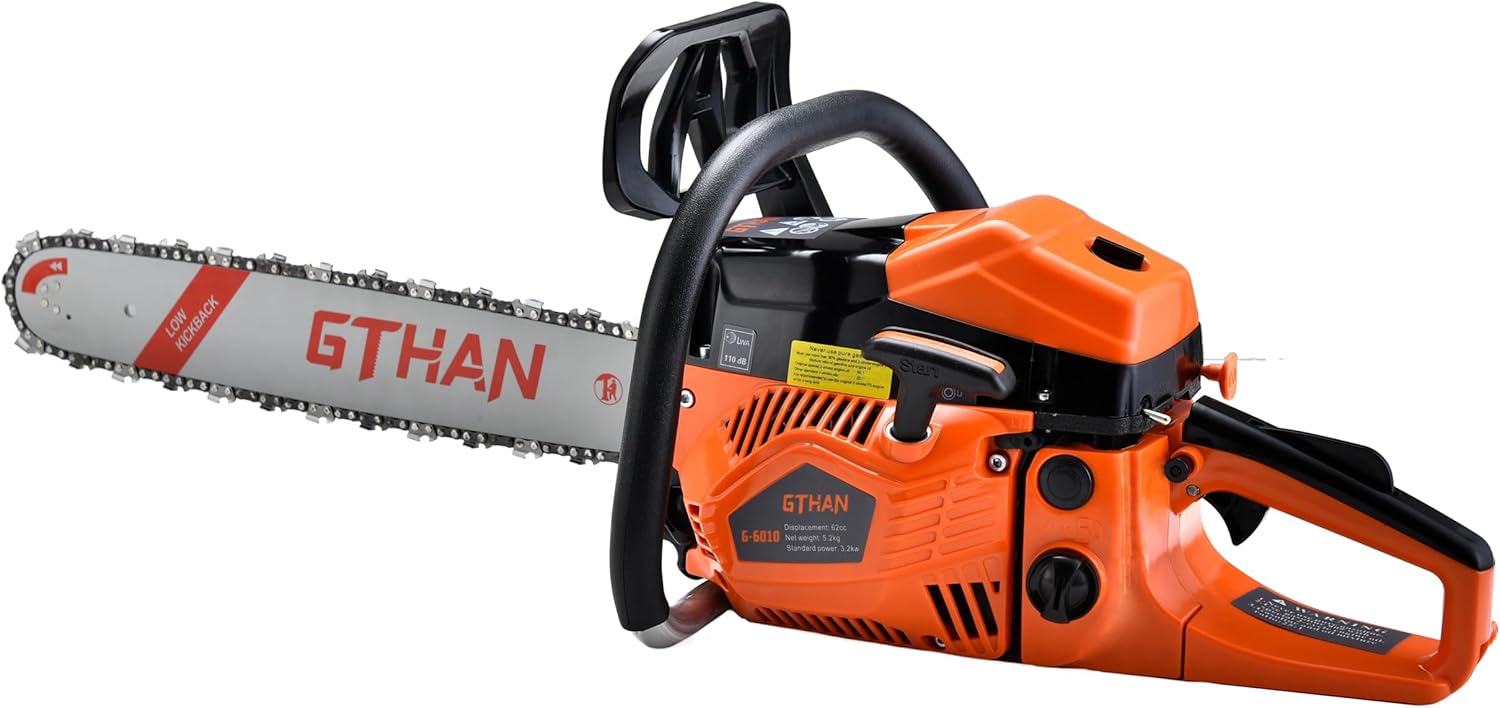
You take down dead or crowded trees in the 12 to 20 inch trunk range on your own land. A gas saw in the 55 to 62 cc farm and ranch class gives you the torque to finish a back cut without the chain stalling, plus the weight to feel planted rather than twitchy. This is the core audience for the size, and the class most makers build for.
Firewood Producers Cutting Large Rounds
You process several cords a year and your rounds arrive big, because splitting starts after bucking. A 20 inch bar cuts most rounds in one pass, which doubles your pace against flipping logs to finish cuts. Prioritize an adjustable high output oiler and a engine that holds chain speed in oak, because your saw runs tank after tank without long rests.
Landowners Clearing Acreage and Trails
Your work mixes felling, limbing and bucking across a property, often far from the house. The same farm class saw suits you, but weight and fuel range rise in importance: a lighter magnesium bodied model and a larger fuel tank save real energy over a day. If most of your cutting turns out to be limbs under ten inches, you will reach for a smaller saw more often than this one.
Key Features to Compare
Cutting Capacity in the Real World
A 20 inch bar cuts about 18 inches of wood in a single pass and can work through trunks approaching 36 inches with cuts from both sides and careful wedge work. The practical limit is power, not bar length: burying all 20 inches in hardwood asks everything the engine has. If your typical trunk is 14 inches or less, this bar spends its life underused while adding weight to every cut, and a smaller class will feel better at the end of the day.
Engine Class: Why Gas Rules This Size
Almost every serious 20 inch saw is a gas two stroke in the 50 to 65 cc range, because sustained full bar cuts drain batteries quickly and corded saws lack the output. In this class, look for strong torque at mid revs rather than a headline horsepower figure, since bucking lives in the midrange. Features like a decompression valve or spring assisted starting matter more here too, because big engines fight the starter cord harder on cold mornings.
Chain Type: Full Size 3/8 Pitch
Unlike homeowner saws, most 20 inch models run full size 3/8 inch pitch chain with a .050 or .058 inch gauge, in either semi chisel or full chisel tooth form. Semi chisel holds an edge longer in dirty or frozen wood and suits firewood duty; full chisel cuts faster in clean timber but dulls quickly on grit. Match replacement loops by pitch, gauge and drive link count, all stamped on the bar, because a wrong loop will not seat on the sprocket.
Guide Bar Construction
Bars at this length split into solid bars with replaceable sprocket noses and cheaper laminated bars. A replaceable nose lets you renew the part that wears fastest, and solid bars track straighter in long cuts through big rounds. Check the bar mount pattern before buying spares, since mount styles differ between brands and a bargain bar that fits another maker's saw is no bargain at all.
Oiler Output and Tank Capacity
A long bar and aggressive chain consume oil quickly, so this class needs an adjustable oiler with a genuinely high maximum setting for dry hardwood and frozen wood. Tank balance matters too: oil and fuel should run out at roughly the same time, so you refill both at one stop. If owners of a class you are eyeing complain about dry bars, believe them; a starved chain stretches, heats and wears the bar rails in a single season.
Weight, Dogs and Control Features
Expect 13 to 16 pounds fueled and ready, and that mass hangs on your arms during limbing. Bumper spikes, often called dogs, earn their place here: they bite the log and give you a pivot, so the saw feeds itself instead of your shoulders doing the pushing. A well shaped rear handle and good isolation from vibration decide whether the third tank of fuel feels like work or punishment.
Felling With a 20 Inch Saw: Gear and Ground Rules
Felling is where this size earns and endangers. Work with a planned escape path, wedges and a second person within call, and never fell on a windy day or toward buildings, fences or lines. Trees wider than your experience, leaning against their fall direction, or tangled in other crowns belong to a professional arborist, full stop. If a trunk needs cuts above shoulder height, the job is not a ground saw job.
Your support kit matters as much as the saw: felling wedges to keep the back cut open, a maul to drive them, and chaps, helmet and eye protection every single session. A saw in this class can kick with real force, so the chain brake check and a firm two handed grip are habits, not suggestions. Fatigue is a safety feature too; stop while you are still sharp, because most accidents cluster at the end of long cutting days.
Where Battery Saws Fit at 20 Inches
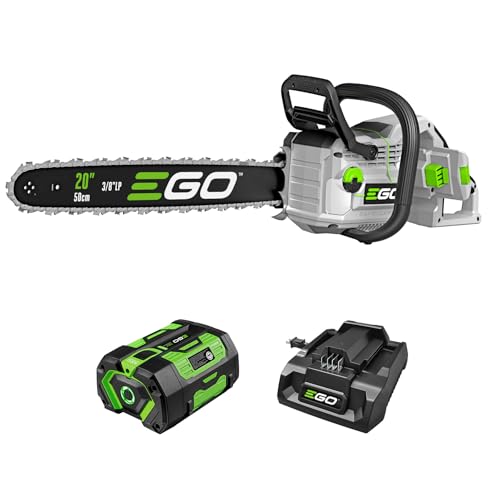
A few top tier cordless platforms now offer 20 inch models, and they make sense for owners who cut big wood only occasionally and already own the largest packs. Run time under full bar load is short, often a handful of large cuts per pack, so price the extra batteries into the comparison honestly. Our roundup of the best battery chainsaw models shows current runtime expectations by platform. Limbing and small work still belong to lighter tools, and our best mini chainsaw guide covers that end of the shelf.
Common Mistakes to Avoid
- Buying a 20 inch saw for yard limbs, then leaving it in the garage because it is heavy and intimidating to run.
- Felling a tree near your skill limit without wedges, so the trunk sits back and pinches the bar mid cut.
- Ordering chain by bar length alone and ignoring pitch, gauge and drive link count stamped on the bar.
- Running full chisel chain in dirty firewood, which dulls it within a few cuts and slows every pass after.
- Setting the oiler low to save oil, then wearing out a bar and chain in one season of dry hardwood.
- Cutting alone in a remote spot with no phone signal and no one who knows where you are.
How to Make Your 20 Inch Chainsaw Last Longer
Big saws work hard, so clean the cylinder fins and air filter often; an overheated engine loses power and wears fast. Dress the bar rails when they burr, flip the bar at every chain change, and keep two or three chains in rotation so a sharp one is always ready. Use fresh fuel mix at the maker's ratio and drain the saw for storage longer than a month. Check the sprocket for hooked wear when you change chains, because a worn sprocket ruins new chain faster than any log will.
FAQ
What size tree can a 20 inch chainsaw fell safely?
For a practiced owner working on the ground, trunks up to about 18 inches across sit within this bar's comfortable felling range, and larger wood is possible for bucking once it is down. Diameter is not the only limit: lean, rot, wind and nearby targets all shrink the safe range. When any of those factors look doubtful, the safe answer is an arborist, not a bigger saw.
Is a 20 inch chainsaw too much for firewood?
It depends on your rounds. If your firewood arrives as large logs over 14 inches across, the size saves passes and time on every round. If your wood is mostly 8 to 12 inch limbs and small trunks, a 20 inch saw adds weight and cost you never recover. Many serious firewood cutters own both classes and grab the smaller saw for most piles.
How long does a farm and ranch class chainsaw last?
With clean filters, sharp chains and fresh fuel, these saws run for years of heavy seasonal work, and their engines are often rebuildable rather than disposable. Bars, sprockets and chains remain wear items you budget for annually under hard use. The shortest lived saws are usually the ones stored with old fuel and run dull, not the ones that worked the most hours.
How do you clean a 20 inch chainsaw after felling?
Brush out the clutch cover and sprocket area, clear the bar groove and oil holes, and wash sap from the bar with a suitable solvent if cuts start to wander. Check the chain brake band for packed dust, because a gummed brake is a safety fault, not dirt. Finish by inspecting the dogs and bar nose for damage while the saw is already in your hands.
What is the most reliable configuration in this size class?
A mid displacement gas saw from an established maker, running semi chisel chain and serviced by a local dealer, is the configuration firewood cutters rely on season after season. Dealer support matters more at this size because parts like sprockets and oil pumps wear in normal service. If your cutting is all at home near power, the homeowner focused advice in our best chainsaw for homeowners guide may steer you to an easier class to live with.
Final Thoughts
Buy this size for the wood you have, not the wood you imagine: engine torque, chain form and oiler output decide your day far more than the number on the bar. Respect the felling rules, keep the chain sharp, and the best 20 inch chainsaw for your land will turn big timber into stacked cords without drama. Compare the classes in the product table above, and leave any tree that leans the wrong way to a professional crew.


