
Best 2.5 Gallon Shop Vacs (2026): A Guide for Real Projects
Disclosure: We may earn a commission when you buy through links on this page, at no extra cost to you. As an Amazon Associate I earn from qualifying purchases. Learn more

The best 2.5 gallon shop vac for small messes, with straight talk on suction, hose size, wet pickup, filters and storage.
A 2.5 gallon shop vac is the vacuum you actually grab: light enough to carry in one hand, small enough to live in a closet, and strong enough for the messes that happen weekly, from tracked in grit to a leaking sink trap. The best 2.5 gallon shop vac is honest about its limits, because this size class wins on convenience, not on marathon cleaning power. This guide explains the suction, hose and filter details that separate a handy mini vac from a toy.
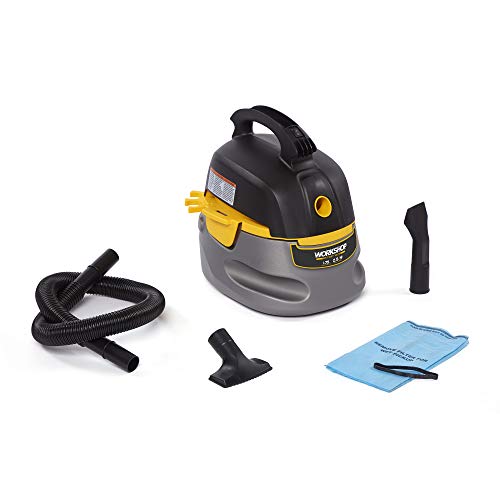
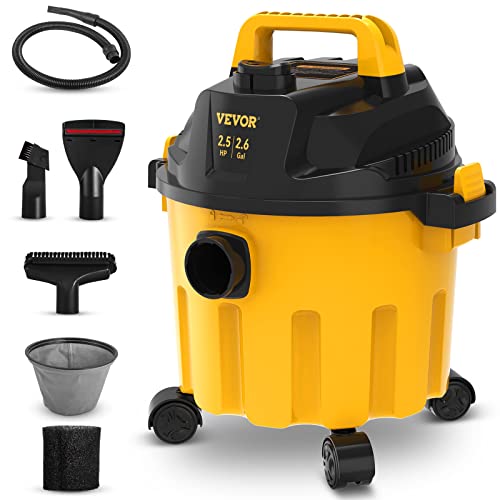
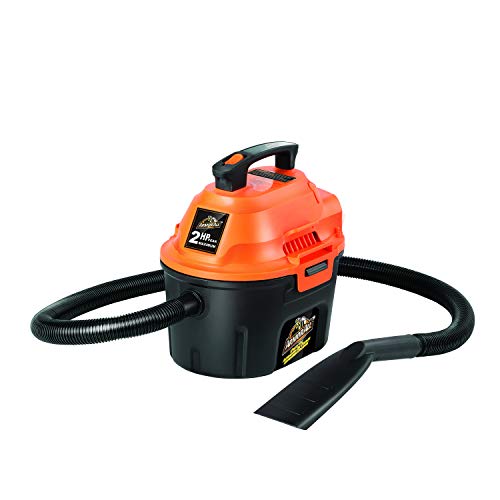
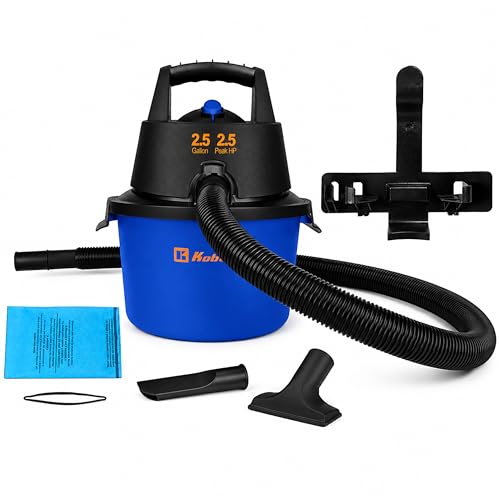
Every maker sells a small vac, and the spec sheets all shout peak horsepower, which tells you almost nothing. What decides your experience is airflow at the hose end, how the filter handles fine dust, and whether the attachments fit the jobs in your home. The comparison table below outlines the common configurations, and the sections that follow translate the numbers into buying decisions.




Who Should Buy Which 2.5 Gallon Shop Vac?
Apartment Dwellers and Small Garage Owners
Your storage is a closet shelf or one corner of a parking space, and your messes are entryway dirt, kitchen spills and the occasional DIY cleanup. A corded 2.5 gallon model stores flat against a wall and is ready instantly, with no battery to keep charged. If you are building out a wider cleaning setup, our best shop vac guide shows where this size sits in the full range from handheld to contractor drums.
Car Owners Who Detail Their Own Interiors
Crumbs in seat rails, sand in footwells and pet hair on mats are exactly this size class at its best, because the small hose and crevice tools reach where a household vacuum cannot. The dedicated advice in our best shop vac for car detailing roundup goes further on nozzle sets and cord reach for driveway work. Choose a model whose hose stretches to about 6 feet or plan on an extension, since car work is all reach.
Homeowners Who Want a Spill and Spot Machine
Your vac lives for emergencies and quick jobs: a dumped plant pot, sawdust from one shelf install, water from a slow drip under the sink. Wet and dry ability with an easy empty tank matters more to you than raw suction. Owners who find themselves cleaning bigger areas weekly should step up in size, and our best small shop vac guide covers the next sizes up, where a 4 to 6 gallon tank halves your emptying trips.
Key Features to Compare
Suction: Read CFM and Amps, Not Peak Horsepower
Peak horsepower is a laboratory number measured in a way your cleaning never sees. Airflow in CFM and the motor amp rating predict real pickup far better: small vacs in this class with honest suction move roughly 50 to 70 CFM and pull 4 to 6 amps. Sealed pressure, sometimes listed in inches of water lift, predicts how well the vac lifts water and heavy debris like screws. A vac that feels weak on carpet often just has a clogged filter or a small hose choking the flow, so judge suction with the filter clean before you blame the motor.
Hose Diameter and Reach
Most 2.5 gallon vacs ship with a hose around 1.25 inches wide, which passes crumbs, sawdust and small screws but chokes on wood chunks, drywall pieces and leaf litter. That trade is the price of the compact size, so plan to sweep up the big debris first and vacuum the rest. Hose length of 4 to 6 feet plus the cord gives your working radius; measure from your usual outlet to the far side of your car or workbench. A hose that locks onto the tank instead of friction fitting saves the classic mid job pop off.
Wet Pickup Capacity and Float Shutoff
The 2.5 gallon rating is the tank size, not the usable water capacity, and the float that shuts off suction when water reaches its limit sits well below the rim. In practice you can pull roughly a gallon and a half to two gallons of water before the float rises and the pitch of the motor changes to tell you to stop. For wet work, swap the paper filter for the foam sleeve the maker specifies, because a soaked paper filter clogs, sags and can tear into the motor intake.
Filters and Bags for Fine Dust
A pleated cartridge filter handles general debris, but fine dust from sanding or drywall work coats it fast and strangles suction, which is why filter bags are the smart add on in this size: they hold the fine dust, keep the cartridge clean and empty without a dust cloud. Check the cost and availability of your model bags and filters before buying, since a cheap vac with pricey, scarce bags costs more over two years than a mid priced vac with common consumables.
Blower Port and Attachment Set
Many small vacs let you move the hose to an exhaust port and blow out a garage corner, a keyboard or a clogged gutter downspout, which doubles the tool usefulness in fall cleanup. The attachment set decides daily satisfaction: a crevice tool for seat rails and baseboards, a utility nozzle for floors and mats, and ideally a small brush for dashboards and vents. Onboard storage clips that actually hold the tools matter, because attachments that live in a separate drawer stop being used.
Cord Length, Weight and Carry Design
A cord of 10 feet or more keeps you off extension cords for most rooms, and a cord wrap that releases quickly speeds setup. Loaded weight stays friendly in this class, usually under 10 pounds, with a top handle that balances the tank when it is half full of grit. Cordless versions trade runtime for total freedom and suit car work far from outlets; the models in our best cordless shop vac roundup show what battery life looks like in this size before you commit to a platform.
What a 2.5 Gallon Shop Vac Cannot Do Well
Honesty about limits prevents the classic disappointment with this size. It will not keep up with a contractor sander on drywall day, because the filter cakes and the tank fills between rooms. It is the wrong tool for flooded basements, where you need many gallons of capacity and a drain, not a carry out bucket. It also struggles with long, stringy debris like hair and twine, which wrap the float and clog the hose inlet. Buy it as a fast response tool for small messes, and it will feel like the most used vacuum in the house; ask it to be your only vacuum for a workshop, and it will feel undersized within a month.
Common Mistakes to Avoid
- Vacuuming fine drywall or ash dust with no filter bag, which coats the cartridge and cuts suction within minutes.
- Picking up water with the dry paper filter still fitted, so the filter sags, tears and feeds grit to the motor.
- Ignoring the float shutoff and tipping a full tank, which spills dirty water back out through the hose.
- Forcing chunky debris through the small hose until it plugs solid at the inlet bend.
- Storing the vac with damp debris inside, where it grows a sour smell that greets you at every use.
- Judging a new vac as weak before checking the hose and filter, the two places clogs actually live.
How to Make Your 2.5 Gallon Shop Vac Last Longer
Empty the tank before debris reaches the inlet level, and knock the dust off the cartridge filter outdoors after dry jobs, tapping it gently inside a trash can rather than washing it, unless the maker rates it washable. Rinse the foam sleeve after wet work and let it dry fully before storage so it does not mildew. Coil the cord loosely instead of winding it tight around the handle, which kinks the insulation over time. If suction fades slowly over months, replace the filter before suspecting the motor; in this size class, a tired filter explains nearly every weak vac.
FAQ
What size jobs fit a 2.5 gallon shop vac?
Think in terms of minutes, not rooms: car interiors, a spilled bag of potting soil, sawdust from a single project, pet areas and small water spills all fit comfortably. A whole garage deep clean or post renovation dust pushes past this size, because you will empty the tank and clean the filter repeatedly. A simple test before buying is to picture your worst weekly mess; if it fills a kitchen trash bag, step up a size.
Can a 2.5 gallon shop vac pick up water?
Yes, that wet and dry ability is the main reason to own one. Fit the foam sleeve, remove any paper filter bag, and stop when the motor pitch rises, which is the float telling you the tank is at its water limit. Empty it by carrying the tank to a sink or floor drain rather than tipping the whole unit. Never use any shop vac on flammable liquids like gasoline or solvents; the motor sparks make that a fire risk no filter can fix.
How do you clean a 2.5 gallon shop vac filter?
Take the filter outdoors, tap it against the inside of a trash can to drop the loose dust, and brush the pleats with an old paintbrush for what clings. Wash only filters the maker labels washable, and dry them a full day before refitting, since a damp cartridge molds and clogs at once. If you use filter bags, most of this chore disappears, because the bag catches the fine dust before it ever reaches the pleats.
How long does a small shop vac last?
Used for the small jobs it was built for, a 2.5 gallon vac commonly lasts five to ten years, with filters and hoses as the wear items. Overloading does the damage: long runs on fine dust without a bag overheat the motor, and water left sitting in the tank corrodes and smells. Store it empty and dry, and the little vac that cost the least in your garage may well outlast the big tools around it.
What is the best 2.5 gallon shop vac for most people?
For most people, the right pick is a corded model with suction around 60 CFM, a locking hose, a blower port and bags that are cheap and easy to find, because those traits decide daily use more than any headline number. Compare the current options in the product table above, and check bag prices at the same time as the vac price. That total cost view is the difference between a bargain and a slow drip of consumable spending.
Final Thoughts
The best 2.5 gallon shop vac is a convenience tool done right: honest suction, a hose that stays attached, filters you can afford to replace and a tank you can carry to the sink without a grunt. Buy it for the small, frequent messes and keep a bigger answer in mind for renovation scale work. Check the product table above for the current configurations, confirm the bag situation before ordering, and your mini vac will quietly become the most grabbed tool in the closet.


