
Best 20 Gallon Air Compressors in 2026: A Complete Buying Guide
Disclosure: We may earn a commission when you buy through links on this page, at no extra cost to you. As an Amazon Associate I earn from qualifying purchases. Learn more

The best 20 gallon air compressor balances airflow, noise and portability for garage work. Compare CFM ratings, pump types and tank layouts before buying.
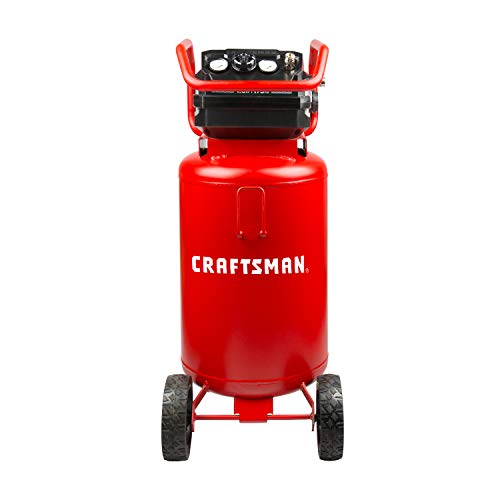
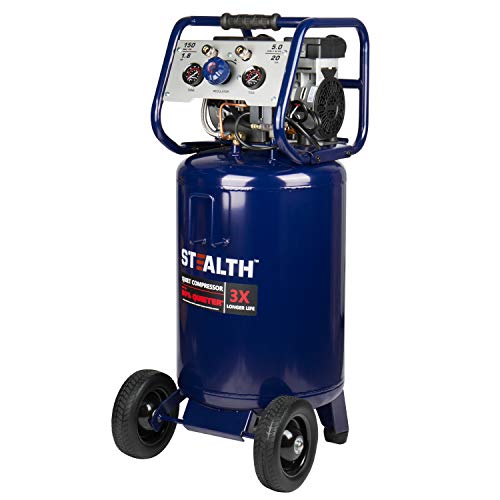
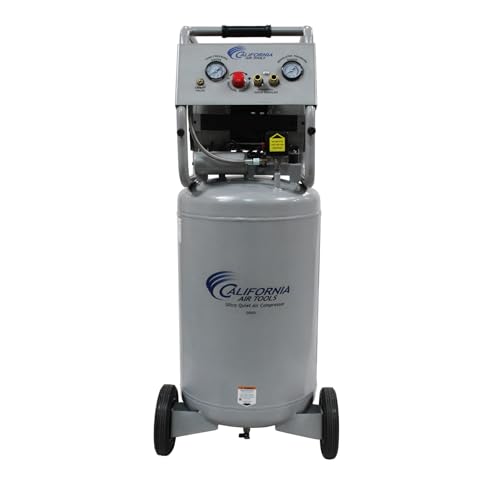
A small pancake compressor runs a nailer happily, then wheezes when you pick up an impact wrench or a spray gun. The best 20 gallon air compressor sits in the middle ground, with enough stored air and recovery speed for real garage work while still rolling through a standard door. The comparison table below shows how this size class stacks up on the specs that matter.
Twenty gallons is a capacity, not a performance promise. Two compressors with the same tank can deliver very different airflow, noise and duty cycle, and those differences decide whether the tool keeps up with a die grinder or leaves you waiting. This guide explains each spec in plain terms so you can match a unit to the air tools you actually own.


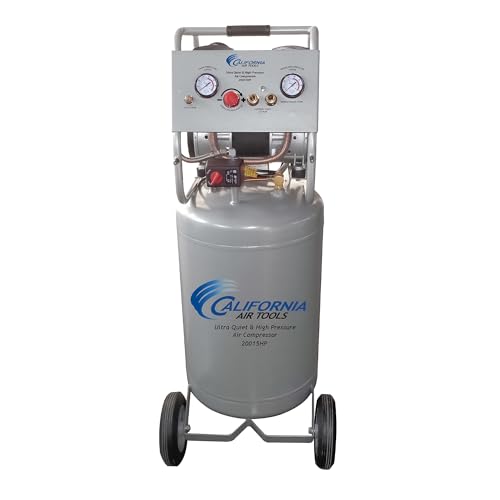

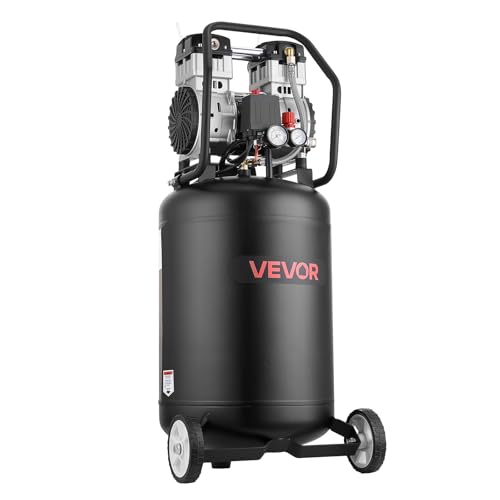
Who Should Buy Which 20 Gallon Air Compressor?
Home Mechanics Running Impact Tools
If your air work centers on wheels, suspension and engine jobs, you need steady flow at 90 PSI for impact wrenches, ratchets and air hammers. A 20 gallon tank buffers the short, hungry bursts those tools demand, and a pump delivering around 4 to 5 CFM at 90 PSI refills the tank between bursts. Choose an oil lubricated pump if the unit will run most weekends, because it runs quieter and lasts longer under regular load. A vertical layout keeps the footprint small beside a workbench.
Woodworkers Running Nailers and Small Spray Jobs
Nailers sip air, so almost any 20 gallon unit keeps up with framing and finish guns. Your deciding factors are noise and air quality instead. An oil free pump needs no oil checks and cannot contaminate a finish line with oil mist, which matters when you spray small projects like cabinets and trim. Look for a regulator that adjusts smoothly at low pressures and a second gauge for tank pressure. If spraying grows into full furniture finishing, you will outgrow this size, but for occasional spraying it is a comfortable fit.
DIYers Who Need One Compressor for the Whole Property
If one machine must inflate tractor tires, blow out irrigation lines, run a nailer during a fence repair and power a blow gun in the shop, versatility rules. Pick a unit with wheels and a handle that genuinely roll over gravel and grass, plus a universal coupler that accepts the common plug styles. A horizontal tank on a sturdy frame travels better than a tall vertical unit. Our best air compressor guide covers the full size range if you are still deciding whether 20 gallons is your number.
Key Features to Compare
Airflow: CFM at 90 PSI and at 40 PSI
CFM, cubic feet per minute, is the spec that decides which tools a compressor can run. Tools list their air appetite at a working pressure, usually 90 PSI for automotive tools and 40 PSI for spray guns and nailers. Compare the compressor output at the same pressure your tool uses. A healthy 20 gallon unit delivers roughly 4 to 6 CFM at 90 PSI. Die grinders and sanders drink 5 CFM or more on a continuous basis, so they sit at the edge of this class, while impact tools that sip in bursts work happily. Always leave headroom, because a pump running flat out to keep up wears faster and heats the air.
Pump Type: Oil Lubricated vs Oil Free
Oil lubricated pumps use a cast iron or aluminum cylinder with oil in the crankcase, and they run cooler, quieter and longer under regular use. The trade off is maintenance: you check the sight glass and change oil on a schedule. Oil free pumps use coated cylinders and sealed bearings, so they need no oil and can sit at odd angles in transit, but they run louder and their pumps wear sooner under heavy duty cycles. For a garage unit that runs weekly, oil lubricated usually wins. For an occasional use machine that must never leak oil in a car trunk, oil free makes sense.
Tank Layout and Max Pressure
Vertical tanks stand tall on a small footprint, which suits fixed garage corners. Horizontal tanks ride lower, feel steadier on the move and slide under some benches. Max pressure ratings of 150 to 200 PSI sound like bragging rights, but higher pressure stores more usable air in the same tank, because tools draw the tank down to their working pressure. A 200 PSI unit gives noticeably longer bursts before the pump kicks in. Check the tank drain position too, since a drain valve you cannot reach is a drain valve you will never open, and standing water rusts tanks from the inside.
Motor Power and Circuit Needs
Most 20 gallon compressors run on a standard 120 volt household circuit, which keeps setup simple. Motors in this class draw close to the limit of a 15 amp circuit at startup, especially in cold weather when oil thickens. If your garage circuit also feeds lights and a freezer, expect occasional tripped breakers with the hungriest models. A dedicated 20 amp circuit solves it. Treat horsepower claims with suspicion, because makers rate motors differently; CFM output at pressure tells the truth about performance. Units in our best air compressor for home garage guide were chosen with typical garage wiring in mind.
Noise Level and Duty Cycle
Noise ratings in this class range from the low 70s to near 90 decibels, and that spread is huge in a closed garage. Quiet models use low rpm pumps and better intake mufflers, and they let you run the unit early on a weekend without annoying the street. Duty cycle tells you what share of time the pump can run, often 50 to 75 percent for this size. A sander that needs constant air can outrun a light duty cycle unit even when the CFM figures look close on paper. Match duty cycle to your longest continuous tool, not your average one.
Is a 20 Gallon Air Compressor the Right Size for You?
Work through your tool list before you buy. Nailers, inflators and blow guns ask so little that even a small unit handles them, and the 20 gallon tank mostly buys convenience. Impact wrenches, ratchets and drills land squarely in this class. Sanders, grinders and full size spray guns are the borderline tools: a strong 20 gallon compressor runs them in bursts with pauses, which suits hobby pace but frustrates production work. If most of your projects use those hungry tools for hours, step up a class. If they appear for ten minutes at a time, this size is the smart buy, and it still rolls outside for tire work, unlike the fixed units in our best pancake air compressor guide at the small end and shop compressors at the large end.
Common Mistakes to Avoid
- Comparing tank size alone, when two 20 gallon units can differ by half in real airflow at 90 PSI.
- Never draining the tank, so condensed water rusts the steel from inside and shortens tank life.
- Running the compressor on a long light gauge extension cord, which starves the motor and overheats it.
- Ignoring duty cycle, then cooking a light duty pump with a sander that needs constant air.
- Setting the regulator once and forgetting it, so nailers get blasted with full tank pressure and drive nails through the work.
- Storing the unit with the tank pressurized for months, which keeps moisture laden air in contact with the tank walls.
How to Make Your 20 Gallon Air Compressor Last Longer
Drain the tank after every working day by opening the bottom valve until only air escapes, and leave the valve cracked open in storage so the inside can dry. Check the intake filter monthly and wash or replace it when it darkens, because a choked filter makes the pump work harder for every cubic foot. On oil lubricated pumps, change the oil after the first break in period and then on the maker schedule, using the specified compressor oil rather than engine oil. Keep the unit out of dust storms of sawdust by positioning it away from sanding areas, and inspect the power cord and hose fittings for cracks each season. A compressor treated this way routinely serves a home shop for a decade or more. Battery powered tools cannot match that, though a best cordless air compressor still earns a spot for quick inflation jobs away from the shop.
FAQ
What size air compressor do I need for automotive work?
For home automotive work, a compressor delivering about 4 to 5 CFM at 90 PSI with a tank of 20 gallons or more covers impact wrenches, ratchets and air hammers comfortably. The tank size matters because impact tools gulp air in bursts. If you add painting or long sanding sessions later, airflow becomes the limit long before tank size does, so buy CFM headroom now if those jobs are on your list.
Is a 20 gallon air compressor big enough for an impact wrench?
Yes. A half inch impact wrench draws around 4 to 5 CFM in short bursts, and a 20 gallon tank stores plenty of air for removing a full set of lug nuts without the pump running constantly. The catch is refill speed on stubborn fasteners: if you lean on the trigger for minutes at a time, a stronger pump keeps pressure steadier. For normal wheel and suspension work at home pace, this size is a proven match.
Should a 20 gallon compressor be oil lubricated or oil free?
Choose oil lubricated if the unit lives in your garage and runs most weeks, because it is quieter and the pump lasts longer under load. Choose oil free if you transport the compressor often, store it in a car, or spray finishes where oil mist in the line would ruin the work. The deciding question is duty: frequent long runs favor oil, while occasional short jobs favor the zero maintenance oil free design.
How often should you drain a 20 gallon compressor tank?
Drain it after every day of use. Compressing air squeezes moisture out of it, and that water settles at the tank bottom where it rusts the steel. In humid climates a single long session can collect a surprising amount. Tilting the unit slightly toward the drain valve helps the last of the water escape, and leaving the valve open a crack during storage lets the tank dry fully between jobs.
How long does a 20 gallon air compressor last?
A maintained home unit commonly lasts ten years or more. Oil lubricated pumps usually outlast oil free pumps, sometimes by a wide margin, because their moving parts run in an oil bath. The tank itself often sets the real limit, since internal rust weakens it over time. Draining the tank faithfully and keeping the intake filter clean are the two habits that most extend service life.
Final Thoughts
The best 20 gallon air compressor for your garage is the one whose CFM at 90 PSI clears your hungriest tool with room to spare, at a noise level you can live with. The product table above lines the class up on those points. Drain the tank, feed the pump clean air, and this size will cover nearly every home shop job you throw at it.


