
Best 24 Inch Chainsaws (2026): How to Choose a Big Saw
Disclosure: We may earn a commission when you buy through links on this page, at no extra cost to you. As an Amazon Associate I earn from qualifying purchases. Learn more
Learn when a 24 inch chainsaw makes sense, how to compare engine size, chain type and weight, and how to fell, buck and maintain a big saw safely.
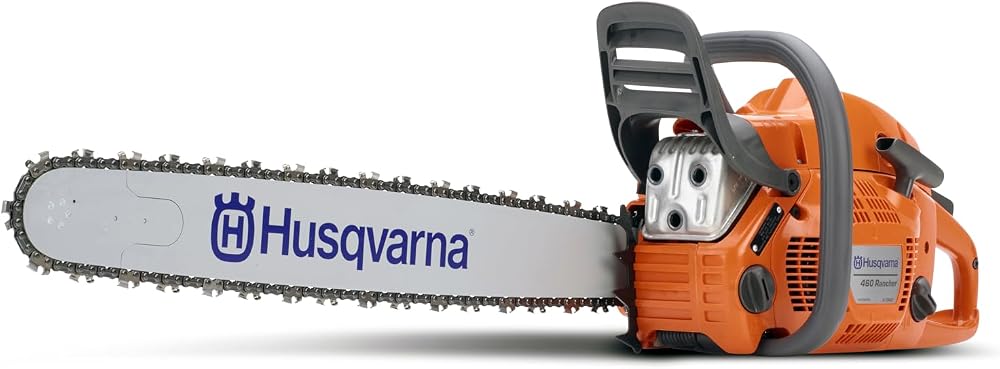
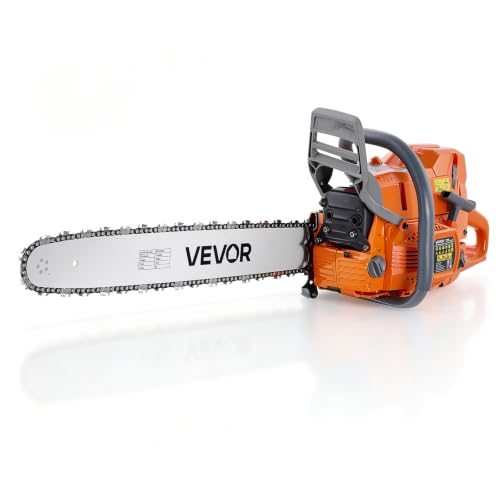
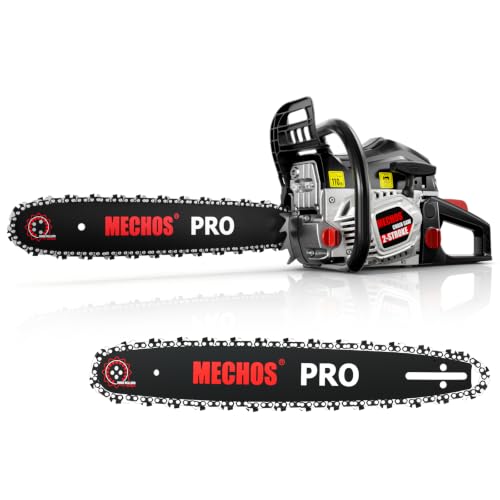
A mature oak comes down in a storm and lies across the pasture at two feet thick, and the firewood list this year is measured in cords, not armloads. This is the territory of the best 24 inch chainsaw class, saws built around large professional engines that pull a long chain through serious hardwood all day. A 24 inch bar is a commitment in weight, cost, and skill, so this guide is honest about who needs one and who is better served smaller. The comparison table below lays out the big saw classes side by side.
You will learn how engine size matches bar length, why chain pitch changes at this scale, and what working weight really means by the second hour of bucking. If you are still mapping the whole range, our guide to the best chainsaw sizes from smallest to largest gives the context, and this page then focuses on the demands of the 24 inch class.



Who Should Buy Which 24 Inch Chainsaw?
Landowners felling and clearing large hardwoods
You manage acres of timber, drop dead or storm damaged trees well over a foot thick, and process them where they fall. A professional class 24 inch saw is your primary tool, not an occasional splurge, and its engine size and build quality decide whether big days feel productive or punishing. Buy the strongest saw your budget reaches, because undersized saws in big wood overheat, wear fast, and tempt dangerous shortcuts.
Firewood producers cutting large rounds in volume
Your income or your winters depend on turning large logs into stove wood quickly, and bucking is where a 24 inch bar earns its keep, slicing rounds from both sides of logs near two feet across without repositioning. You will run the saw for hours daily in season, so dealer support, air filter capacity, and parts availability matter as much as power. This workload sits far beyond the pattern in our guide to the best chainsaw for homeowners, and your buying criteria should be professional, not residential.
Milling hobbyists running a portable sawmill guide
Slabbing logs into lumber with a guide mill demands sustained full throttle cutting along the grain, the hardest work a chainsaw does. A 24 inch setup covers logs up to about 20 inches on common mills and needs an engine with torque to spare, plus a ripping chain ground for the task. If milling is your main goal, buy engine first and bar second, and accept that milling shortens service intervals on everything from filters to clutch parts.
Key Features to Compare
Big saws differ in ways that spec sheets flatten, so weigh these five factors before price.
Engine size matched to the bar
A 24 inch bar belongs on engines roughly in the 60 to 90 cc range, with the middle of that span suiting most hardwood work. At the low end, the saw will pull the chain but slow in deep cuts and run hot on long days. At the high end, torque stays effortless and the saw loafs through wood that strains smaller engines, at the cost of weight and fuel use. For occasional big logs, the lower end suffices; for daily hardwood bucking or milling, buy displacement once and keep it for decades.
Chain pitch and cutter style
Long bars run full size chain, most often 3/8 pitch, with 0.404 pitch appearing on the largest professional setups. Full chisel cutters slice clean softwood and sound hardwood fast but dull quickly in dirty bark, while semi chisel cutters hold an edge longer in rough conditions at a small speed cost. Firewood cutters working storm wood with grit in the bark usually end up semi chisel converts. Match the chain to the sprocket and bar groove exactly, and keep at least two loops in rotation so sharpening never stops a work day.
Working weight and fatigue management
A 24 inch powerhead alone weighs roughly 14 to 17 pounds dry, and with bar, chain, fuel, and oil aboard, your arms manage around 20 pounds or more. That weight is the price of the class, yet balance and anti vibration design decide how much of it you feel by afternoon. Saws with effective spring or rubber isolation let you work longer with steady hands, and steady hands are a safety feature, not a comfort extra. Judge any big saw by lifting it fueled at the dealer, not by the dry figure in a brochure.
Oiler capacity and adjustment for long bars
A long bar drags far more chain through wood, so oil delivery must keep pace or the bar rails wear and the chain stretches. Look for a generous oil tank paired sensibly with the fuel tank, so both run dry together, and an adjustable oiler you can open up for dry hardwood and long cuts. Confirm flow before big work by running the saw near a clean surface and watching for the spray line off the bar nose. A starved bar in big wood overheats fast enough to ruin a chain in one tank of fuel.
Professional build and starting aids
Professional big saws use magnesium crankcases, heavy duty air filtration, and rim sprockets that let you change drive gearing and replace a cheap wear part instead of a clutch drum. Starting aids matter at this displacement: a decompression valve and spring assisted starting turn a wrestling match into a routine. Ask about parts support before buying, because a pro saw is a long term relationship with its dealer network. These build details are exactly what separates this class from the homeowner saws in our guide to the best mini chainsaw models at the opposite end of the range.
When a Tree Is Too Big, or Too Risky, for a 24 Inch Bar
Diameter math first: with cuts from both sides, a 24 inch bar handles logs up to roughly 44 inches across, using wedges to keep the kerf open as you work around. Felling adds a harder limit, because the hinge wood that steers the tree must stay intact across most of the trunk, so very large or leaning trunks quickly exceed what one operator should attempt. Any tree that can reach a house, road, or power line when it falls belongs to an insured arborist with rigging equipment, whatever saw you own.
The safety stakes rise with saw size. Kickback from a long bar carries more energy, fatigue arrives sooner, and big wood stores enormous tension that releases without warning when a cut frees it. Wear full protective gear, chaps, helmet with visor and ear protection, steel toe boots, plan an escape path before every felling cut, and never work alone in remote timber. Seek emergency care immediately for any deep chainsaw wound or uncontrolled bleeding. If your cutting is mostly pruning and small logs instead, save your money and shoulders: our guide to the best battery chainsaw class covers the light saws that handle that work quietly and well.
Common Mistakes to Avoid
- Mounting a 24 inch bar on an undersized powerhead, which overheats the engine and starves the long bar of oil.
- Skipping felling wedges on big trunks, which lets the tree sit back and trap the bar mid cut.
- Running a dull chain on a long bar, which forces you to push and turns a controlled cut into a kickback risk.
- Bucking unsupported logs from the wrong side, which pinches the bar or lets the log roll onto the saw.
- Ignoring air filter cleaning on dusty days, which chokes a big engine and cooks it under load.
How to Make Your 24 Inch Chainsaw Last Longer
Big engines survive on clean air, clean fuel, and sharp chain. Knock dust from the air filter daily in heavy use and replace it on schedule, because a loaded filter runs the engine rich and hot. Rotate two or three chains across the bar so wear spreads evenly, file little and often rather than grinding back damaged cutters, and dress the bar rails when burrs form so the chain runs true. Check the rim sprocket for hooked wear whenever you change chains, since a worn sprocket destroys new chain quickly.
Storage and transport matter more at this value level. Drain or stabilize fuel for long rests, keep the bar oil tank from sitting empty so seals stay wet, and transport the saw in a case or with the scabbard fitted so the long bar does not bend against truck bed clutter. Clean pitch and sawdust from the clutch cover area weekly, and your saw will deliver professional service for many seasons.
FAQ
Can you put a 24 inch bar on a smaller chainsaw?
Generally no, and the reasons are mechanical, not marketing. The bar mount pattern may differ, the oiler cannot feed a long bar, and the engine lacks the torque and cooling to pull that much chain under load. Running the combo anyway overheats the powerhead and wears the clutch fast. If your saw is rated for an 18 or 20 inch bar maximum, that limit is the honest one.
How heavy is a 24 inch chainsaw in actual use?
Plan on roughly 20 pounds or more once the bar, chain, fuel, and oil are aboard, varying with engine size and bar type. Lightweight guide bars shave noticeable weight and are worth their premium for all day work. Technique saves the rest: let the saw rest on the log while bucking, use the bumper spikes as a pivot, and take real breaks, because tired arms make mistakes.
Is a 24 inch chainsaw suitable for milling lumber?
Yes, with a guide mill sized to the bar and a ripping chain ground at a shallow angle, it slabs logs up to about 20 inches wide on typical setups. Milling is sustained full throttle work, so run fresh mix at the maker ratio, keep the chain razor sharp, and expect faster wear on filters, clutch, and bar. Many millers add an auxiliary oiler, because ripping cuts starve the far side of the bar.
What chain pitch works best on a 24 inch chainsaw?
Full size 3/8 pitch suits most 24 inch setups, balancing strength, speed, and easy parts availability. The heavier 0.404 pitch belongs to the largest engines and harvester style work. Within either pitch, skip tooth chain is an option for very long bars because fewer cutters reduce drag, though each cutter then works harder. Whatever you choose, bar, chain, and sprocket must share the same pitch and gauge.
How do you keep a long bar from pinching in big logs?
Read the log before cutting: wood supported at both ends closes on top, wood supported in the middle closes at the bottom. Start on the closing side for the first shallow cut, then finish from the opening side, and drive a plastic wedge into the kerf as soon as the bar is deep enough to accept one. Wedges cost almost nothing and rescue more big cuts than any other accessory.
Final Thoughts
A 24 inch saw is a professional tool that rewards skill, strength, and honest self assessment. Landowners, firewood producers, and millers who truly work big wood will find the class indispensable, while everyone else keeps more money and energy with a smaller bar. Compare engines, chain systems, and oiler capacity in the product table above against the biggest wood you cut every season. Buy for that workload, maintain the saw like the investment it is, and the best 24 inch chainsaw for your land will serve for decades.


