
Best Aquarium Water Pumps by Budget: Smart Guide for 2026
Disclosure: We may earn a commission when you buy through links on this page, at no extra cost to you. As an Amazon Associate I earn from qualifying purchases. Learn more

Want the best aquarium water pumps without overspending? Learn what each price tier delivers, which upgrades are worth paying for, and how to size one.
Aquarium pumps range from a few dollars to several hundred, and the price gap is not always explained on the box. This budget first guide shows where money genuinely improves flow, quiet, and service life, and where it buys features most tanks never use. By the end you will know how the best aquarium water pumps earn their price and which tier fits your setup.
The core job never changes: move a stated volume of water, at your actual plumbing height, quietly enough to live with. Everything else is refinement. Use the comparison table below as your shortlist, then read the tier and feature sections to place each option in the right tank.
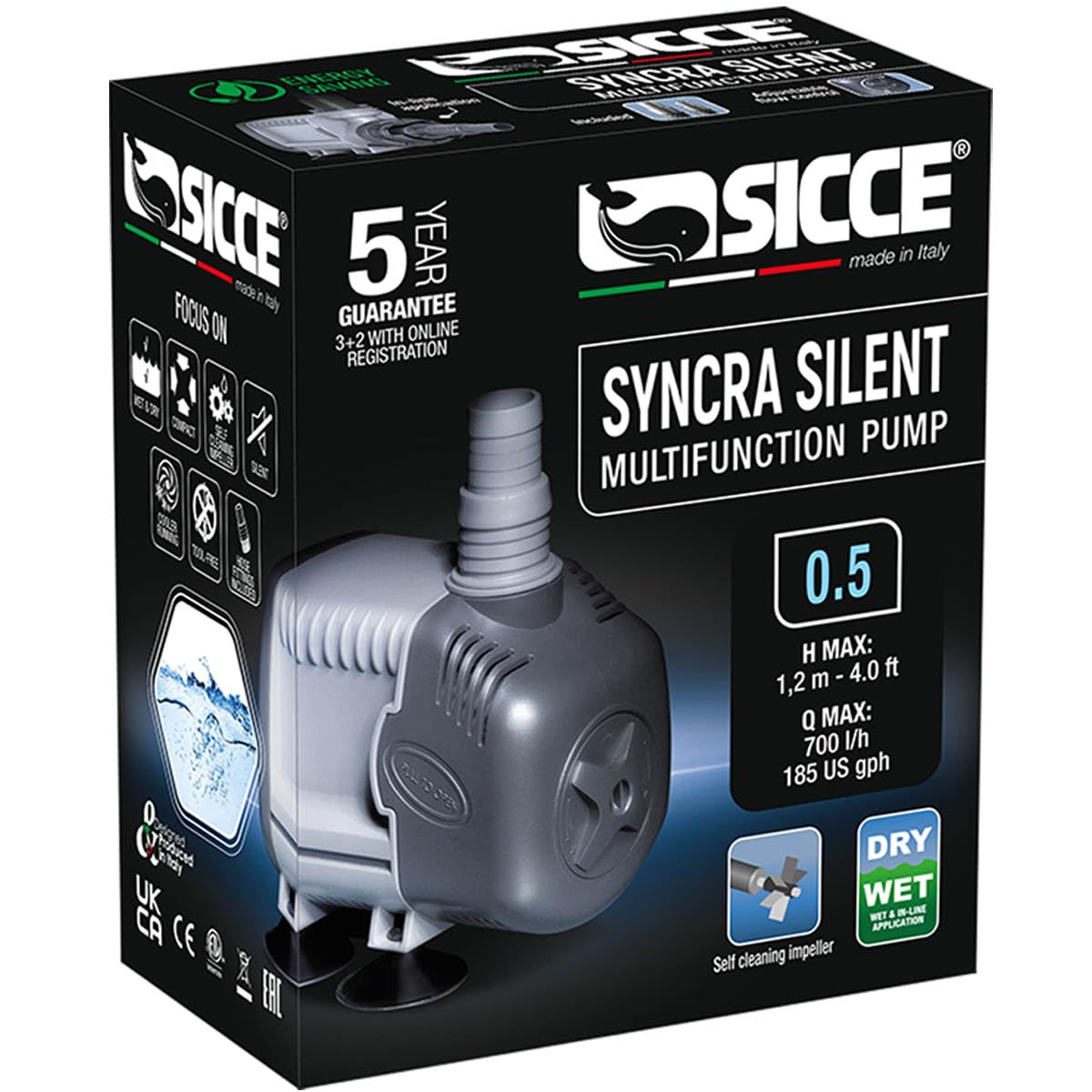


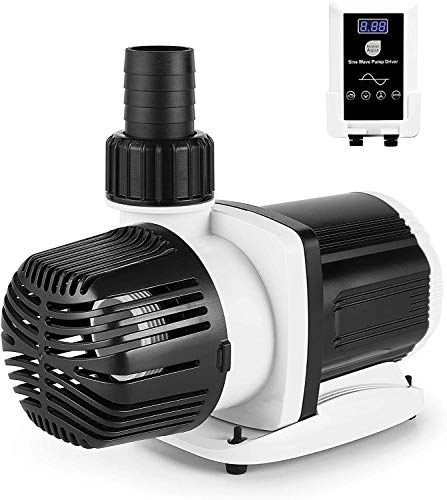


Who Should Buy Which Aquarium Water Pump?
Budget means little until it is tied to a tank size and a job. A pump may serve as a filter driver, a circulation helper, or a sump return, and each role rewards different spending.
Nano and Small Tank Keepers Watching Every Dollar
If your tank holds about 5 to 20 gallons and the pump only feeds a small filter or adds gentle movement, the budget tier is usually enough. These compact units sip power and fit tight compartments, and replacement costs stay painless. Spend the savings on a spare impeller instead of a larger pump, since a worn impeller is the most common reason a small pump weakens. Keepers comparing the wider category can start with our guide to the best water pumps for general sizing language.
Community Tank Owners Who Want Quiet and Control
Keepers of planted or community tanks in the 30 to 75 gallon range benefit most from the middle tier. Adjustable flow lets you protect delicate plants and slow swimming fish while still turning the tank over at a healthy rate, and better mounts cut vibration noise in a living room or bedroom. This is also the tier where replacement parts and responsive support start to appear, which lowers the cost of ownership over several years of daily running.
Reef and Sump Owners Who Need a Reliable Return Pump
A return pump is the heartbeat of a sump system, because a failure stops filtration, heating, and surface skimming at once. Reef and large tank owners should shop the premium tier for stronger head pressure ratings, durable shafts, and in some models electronic controls that hold a steady flow. The higher price buys margin: the pump works well below its limit, runs cooler, and usually lasts longer between services. For most of these systems our guide to the best submersible water pumps is the closest companion read.
Key Features to Compare
Compare these six factors before price, since a cheap pump with the wrong flow curve costs more in returns and replacements than a correctly sized model.
Flow Rate and Tank Turnover
Flow is rated in gallons per hour, and the right target depends on the job. A filter pump commonly aims to turn over the tank volume about four to six times per hour, while a return pump often targets about five to ten times the display volume after plumbing losses. Circulation only pumps follow the needs of the livestock instead, with reef tanks wanting far more movement than a calm planted tank. Always treat the printed rating as a starting point, because it is measured with no lift and no plumbing attached.
Head Height and the Flow Curve
Head height is how high a pump can push water, and flow falls steadily as that height grows. A pump rated at 800 gallons per hour may deliver barely half of that at four feet of lift, which is exactly the distance from a sump to a display tank. Good listings publish a flow curve or a small table of flow at several heights, and that chart matters more than the headline number. Choose a pump whose flow at your real height meets your target, not one whose maximum flow merely looks impressive.
Placement, Outlet Size, and Tubing Fit
Most aquarium pumps sit submerged inside the tank, a filter chamber, or a sump, while some larger models can also run inline outside the water. Check the outlet size against your tubing or fittings before ordering, since adapters add leak points and narrow outlets choke flow. Suction cup and magnetic mounts both work, but magnets hold better on thick glass and are easier to reposition during cleaning. Measure your chamber as well, because a pump that fits on paper may not fit once its cord and outlet elbow are attached.
Adjustable Flow and Control Options
A simple dial or sliding control on the pump body lets you tune flow without extra valves, which is valuable in small tanks where full power would blast substrate and plants across the glass. Higher tier models add electronic controllers with feed modes that pause flow for about ten minutes during meals, plus gentle ramp up after a restart. These extras are worth paying for when livestock is sensitive or the tank sits near seating. For a utility pump moving water in a back room, fixed flow at a lower price is the smarter buy.
Noise, Vibration, and Energy Use
Pump noise usually comes from vibration passed into glass or a stand rather than from the motor itself, so rubber feet, flexible tubing sections, and a level mounting surface all help. A pump that runs all day also adds up on the power bill: a unit drawing 15 watts costs far less to run over a year than one drawing 60 watts for the same delivered flow. Efficient motors tend to appear in the middle and premium tiers, which means part of their higher price returns to you slowly through lower electricity use and less heat added to the water.
Build Quality, Impeller Design, and Warranty
The impeller and its shaft take nearly all the wear in an aquarium pump. Ceramic shafts and well balanced impellers resist wear and stay quieter longer than basic plastic assemblies, and a housing that opens without tools makes routine cleaning far more likely to happen. Warranty length signals how long the maker expects the pump to serve, and brands that sell spare impellers and seals separately extend useful life further. A pump you can service for about the price of a pizza beats a sealed unit you must replace whole.
What Your Money Gets You at Each Price Tier
Budget tier pumps generally cost about $10 to $30. Expect fixed or simply adjusted flow, honest performance on short lifts, and basic construction suited to small tanks and utility jobs. The trade is shorter service life and fewer spare parts.
The middle tier runs about $30 to $80 and is where most keepers should land. Flow at real head heights improves, mounts get quieter, and warranties and spare impellers become common. Premium return and controllable pumps cost about $80 to $250, and the money buys stronger pressure, electronic control, efficient motors, and build quality meant for systems where a failure would endanger expensive livestock. Match the tier to the cost of a failure, not to pride of ownership.
Common Mistakes to Avoid
These errors show up in tanks of every size, and most of them trace back to buying on one number alone.
- Sizing by maximum flow only, which leaves the tank under filtered once real head height cuts the delivered flow.
- Buying far more flow than the livestock tolerates, which stresses fish and flattens plants against the glass.
- Forcing mismatched tubing onto an outlet, which invites slow leaks and sudden disconnects behind the stand.
- Running a pump dry during setup tests, which can damage the impeller and seals within minutes.
- Skipping a drip loop in the power cord, which lets water travel along the cable toward the outlet.
- Waiting for total failure before cleaning, which turns a ten minute rinse into a full pump replacement.
How to Make Your Aquarium Water Pump Last Longer
Pull the pump monthly, open the impeller cover, and rinse the impeller and chamber under tap water, since biofilm and grit are what slow a pump down over time. In hard water areas, a short soak in a mild vinegar solution dissolves calcium crust that makes impellers noisy, and you should rinse parts well before they return to the tank. Check tubing for algae buildup and kinks at the same time, because a restricted line makes a healthy pump look worn out.
Water changes are also a good moment to inspect cords for nicks and to confirm the pump restarts cleanly after power returns. Many keepers use a separate utility unit for draining and refilling, and our guide to the best water transfer pumps explains that helper role. Keep a spare impeller on hand for any pump that runs your main filtration, since that small part turns most emergencies into a five minute fix.
FAQ
Are expensive aquarium water pumps worth the extra money?
Expensive aquarium water pumps are worth it when the pump runs a sump return or supports costly livestock, because stronger head pressure, quieter mounts, and spare parts protect the whole system. For a small filter or a utility job, the premium buys little you will notice. A useful middle path is to spend up one tier for any pump that must restart reliably after outages, since weak restart behavior is where cheap units most often disappoint.
How long does an aquarium water pump usually last?
A decent aquarium water pump usually lasts about three to five years of continuous use, and premium models often run longer with regular cleaning. Lifespan drops when a pump runs near its maximum head height every day or ingests sand and grit. One early warning sign is a pump that needs a tap on the housing to start, which points to a worn impeller that should be replaced before complete failure.
How much should a beginner spend on an aquarium water pump?
A beginner should expect to spend about $20 to $50 for a first pump sized to a small or mid size tank. That range buys adjustable flow on many models and enough head pressure for common filter setups. Spend the remainder of the budget on a thermometer and a spare impeller rather than on raw flow, because stable temperature and a ready spare protect fish more than extra gallons per hour ever will.
Can an aquarium water pump be too strong for a tank?
Yes, an aquarium water pump can be too strong, and the signs are fish bracing against the current, plants bent flat, and substrate piling into dunes. Bettas, fry, and many shrimp suffer first, since they lack the strength for constant swimming. If you already own an oversized pump, aim the outlet at the glass or along the surface to spread the force, or add a spray bar to divide one hard jet into gentler streams.
What features matter most when buying an aquarium water pump for a sump?
For a sump, the features that matter most are flow delivered at your exact lift height, reliable restart after power loss, and a physical size that fits your return chamber with the cord routed safely. Published flow curves and available spare impellers separate serious return pumps from repackaged utility pumps. Also confirm the outlet accepts standard plumbing sizes common in your region, since odd fittings can stall an installation for days.
Final Thoughts
Spend where it protects the system: correct flow at your real head height first, then quiet mounting and serviceable parts, then control extras only if your livestock benefits. Set against those tests, the best aquarium water pumps in the product table above sort themselves quickly by tier, and you can buy once with confidence instead of replacing a bargain twice. Prices and availability can change, so check the product page before ordering.


