
Best Chainsaws for Women in 2026: Light, Capable, Easy to Control
Disclosure: We may earn a commission when you buy through links on this page, at no extra cost to you. As an Amazon Associate I earn from qualifying purchases. Learn more

The best chainsaw for women is light, easy to start and easy to control. This guide covers weight, bar length, grip fit, power choices and safety.
There is no separate pink lineup of chainsaws, and there does not need to be. What many women actually want is a saw that fits smaller hands, starts without a fight, and stays manageable after an hour of work. The best chainsaw for women is simply a well chosen saw: light enough to control, sized for the wood you cut, and fitted with safety gear that actually fits your body.
This guide focuses on the factors that matter most if standard saws have felt too heavy, too bulky, or too hard to start. The comparison table below lists the main size and power classes, and the sections after it explain how to pick between them with confidence.


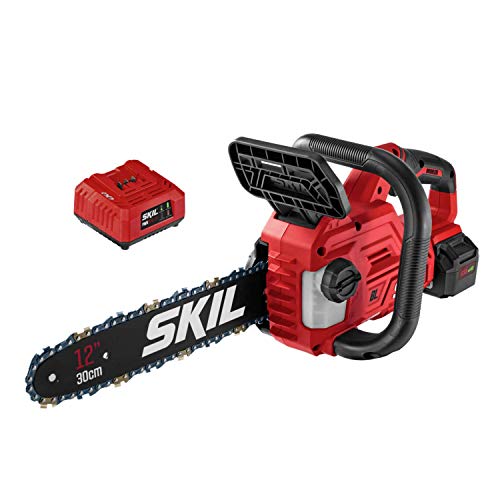

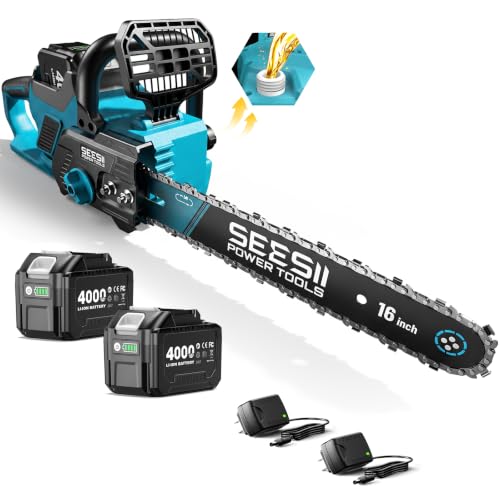


Who Should Buy Which Chainsaw?
Women Who Maintain Their Own Property
If you clear storm branches, prune thick limbs, and cut your own firewood, a light 14 or 16 inch saw in a battery or small gas format covers nearly everything. You get real cutting ability for logs up to about 12 inches, without the shoulder fatigue a bigger saw causes. A second chain and a simple sharpening kit complete the setup, and the whole kit stays light enough to carry to the far end of the property.
Smaller Users Who Found Standard Saws Exhausting
Fatigue is a safety issue, not a comfort detail, because tired arms lose control of a saw faster. If a full size gas saw leaves you worn out in fifteen minutes, step down to a compact battery saw or a mini saw for pruning and light work. The work goes slower on big wood, but it goes safely, and you finish the day with steady hands. Rent a larger saw for the rare big tree job instead of owning one that wears you out.
Women New to Chainsaws Who Want Simple Starting
Pull starting is the part many new users dread, and battery saws remove it completely: press the trigger and cut. That simplicity, plus no fuel mixing and no exhaust fumes, makes battery the easiest entry point. Start with pruning and small bucking jobs, build your stance and habits on forgiving wood, and treat a half day of hands on instruction from an experienced user as money well spent before tackling anything large.
Key Features to Compare
Working Weight and Balance
Manufacturers often quote dry weight without the bar, chain, fuel, or battery, so compare ready to cut weight whenever you can. For most users prioritizing control, a working weight around 7 to 11 pounds is the sweet spot, and the balance point matters as much as the number: a saw that hangs level from its front handle tires you less than a lighter saw that tips nose down. Hold any saw in both hands at a dealer or store before buying, raise it to waist height, and notice how your wrists feel after thirty seconds.
Bar Length Matched to Your Wood
Bars from 12 to 16 inches handle the limbs, small trees, and firewood rounds most homeowners cut, and shorter bars make a saw easier to control and less prone to dangerous nose contact. A useful rule is that the bar should be at least 2 inches longer than the thickest wood you cut often. Longer bars do not add power; they add reach and weight. If nearly all your cutting is pruning and storm cleanup, the compact end of the range, including the saws in our best mini chainsaw guide, may be all you ever need.
Power Source: Battery, Gas, or Corded
Battery saws start instantly, run quietly, and need the least upkeep, and modern mid size models cut firewood respectably, though runtime limits long sessions. Small gas saws still lead for hours of continuous cutting and cost less to refuel than spare batteries, but they demand fuel mixing and a confident pull start. Corded electric saws are light and cheap for work near the house. Our roundup of the best battery chainsaw options explains how voltage classes and battery sizes translate into real cutting time.
Easy Starting and Simple Controls
On gas saws, look for spring assisted starting, which stores your pull energy and releases it smoothly, plus a primer bulb and a combined choke control that reduce flooded starts. On any saw, tool less chain tensioning means adjustments happen with a dial instead of a wrench hunt, and a clearly visible chain brake you can test before each session builds good habits. Controls should be reachable without shifting your grip, because a saw you can operate without regripping is a saw you control better.
Grip Size and Vibration Control
Smaller hands need a front handle and rear grip they can wrap fully, with fingers reaching the trigger and the safety switch without stretching. A grip you can only hold with your fingertips reduces control exactly when kickback demands it most. Anti vibration mounts between the engine and handles matter on gas saws, since vibration numbs fingers and speeds fatigue. Battery saws vibrate far less by nature, which is one more reason they suit long pruning sessions.
Safety Features That Must Be Present
Every saw you consider should have a working chain brake, a low kickback chain, a chain catcher, and a throttle lockout that prevents accidental starts. These are standard on reputable brands, so treat any missing item as a reason to walk away. Safety features only help if your protective gear fits, though: chaps come in sizes, gloves should be snug rather than loose, and eye and hearing protection should sit comfortably enough that you actually wear them for every cut.
Getting the Fit Right Before the First Cut
Fit is where this purchase differs from a generic one, and it deserves a few minutes of honest testing. Stand with the saw in cutting position and check that you can reach every control, see the bar tip clearly, and hold the saw steady at arm height without your shoulders creeping up. If you shop the broader market first, our overview of the best chainsaw types across all sizes shows where these lighter models sit. Homeowner focused designs, including those in our best chainsaw for homeowners guide, often include the easy tensioning and starting aids described above.
Protective clothing deserves the same fitting care. Chainsaw chaps protect by clogging the chain with fibers, and they only work when the length covers your boots properly. Buy gloves sized for your hands, not the unisex default, and choose boots with solid ankle support for uneven ground. If a cut ever goes deep, bleeds heavily, or involves the face or neck, treat it as an emergency and get medical help immediately rather than finishing the job.
Common Mistakes to Avoid
- Buying a long bar for status, so the saw feels nose heavy and tiring while the extra length never gets used.
- Trusting the dry weight on the box, so the saw feels far heavier once the battery, bar, and chain are fitted.
- Wearing loose gloves or oversized chaps, so the protective gear itself becomes a snag and control hazard.
- Skipping the chain brake check, so the most important safety device may not work on the day you need it.
- Cutting above shoulder height from a ladder, so a slip or kickback leaves you with no stable stance to react.
- Letting fatigue build without breaks, so the last cuts of the day happen with the weakest grip and slowest reactions.
How to Make Your Chainsaw Last Longer
Keep the chain sharp, because a dull chain makes the motor work harder, cuts slower, and tempts you to push down, which is when control suffers. Touch up the cutters with a file every session or two and check the depth gauges as part of the routine. Keep the bar groove clean, flip the bar regularly so it wears evenly, and confirm the oiler is feeding before long cuts, since a dry chain stretches and overheats.
For gas saws, use fresh mixed fuel and run the saw dry or add stabilizer before long storage. For battery saws, store packs indoors at a partial charge and keep the saw itself clean and dry. On all saws, clean the air filter and cooling fins, store with the chain cover on, and hang the saw where children cannot reach it. Small habits like these keep a light saw cutting like new for years.
FAQ
What size chainsaw is easiest for a woman to handle?
A 14 or 16 inch bar on a light battery or small gas saw is the easiest full capability setup for most women, balancing real cutting power against control and fatigue. For pruning only, a 6 to 12 inch mini or compact saw is lighter still. The honest test is holding the saw at working height for a minute in the store: if your arms shake, go smaller.
Are battery chainsaws powerful enough for firewood?
Yes, for the firewood most homeowners cut. Mid and upper range battery saws buck hardwood rounds up to about 12 inches without drama, and they do it with push button starts and no fuel mixing. Their limit is endurance: a long day of cutting takes several charged batteries. If you process many cords each year far from power, a gas saw remains the cheaper tool to keep running.
Do chainsaw chaps and gloves come in sizes for women?
Yes, and buying your actual size matters. Chaps are sold by inseam length and should overlap your boot tops, and gloves come in small sizes that keep your fingers at the ends of the glove rather than swimming inside. A snug glove improves grip and trigger feel, which is a safety gain, not just comfort. Try gear on with the saw in hand when you can, and replace chaps after any chain contact.
How can I make a gas chainsaw easier to start?
Choose a model with spring assisted starting and follow the exact start sequence in the manual: primer bulb, choke, steady pulls rather than frantic ones. Fresh fuel is the other half of easy starting, since old mix is the top cause of no start complaints. If pull starting still worries you, that is a perfectly good reason to choose a battery saw and skip the routine entirely.
Is a chainsaw safe for a beginner to learn on their own?
A chainsaw is one of the least forgiving tools to teach yourself. Learn the basics with an experienced user or a safety course first: stance, grip, chain brake use, and how kickback happens. Start with small, stable wood on the ground, never cut above shoulder height, and stop when tired. Knowing when a tree job belongs to a professional arborist is part of using a saw safely, not a failure of skill.
Final Thoughts
Fit, weight, and starting ease decide whether a chainsaw feels like a tool you own or a tool that owns you. Prioritize a working weight you can control, a bar matched to your real wood, and protective gear in your size. The product table above lines up the classes so you can compare without guesswork. Chosen that way, the best chainsaw for women is not a compromise at all; it is simply the right saw, and it will earn its place in your shed.


