
Best Battery Chainsaw for 2026: How to Choose the Right Saw
Disclosure: We may earn a commission when you buy through links on this page, at no extra cost to you. As an Amazon Associate I earn from qualifying purchases. Learn more

Match the best battery chainsaw to your yard work with guidance on bar length, battery voltage, chain speed, safety gear and typical price ranges.
A storm drops a limb across your fence line, and the woodpile for winter is still in log form. This is the moment when choosing the best battery chainsaw for your property starts to matter. Battery saws now handle far more than light pruning, yet the gap between a compact yard saw and a serious firewood saw is wide. Bar length, battery platform, and chain speed decide which jobs feel easy and which feel like a struggle.
This guide walks through the specs that actually change how a saw cuts, so you can match the tool to your trees instead of buying on voltage claims alone. If you are still weighing power sources, our broader guide to the best chainsaw types explains where battery models fit. Use the product table to line up the main options once you know which size class you need.
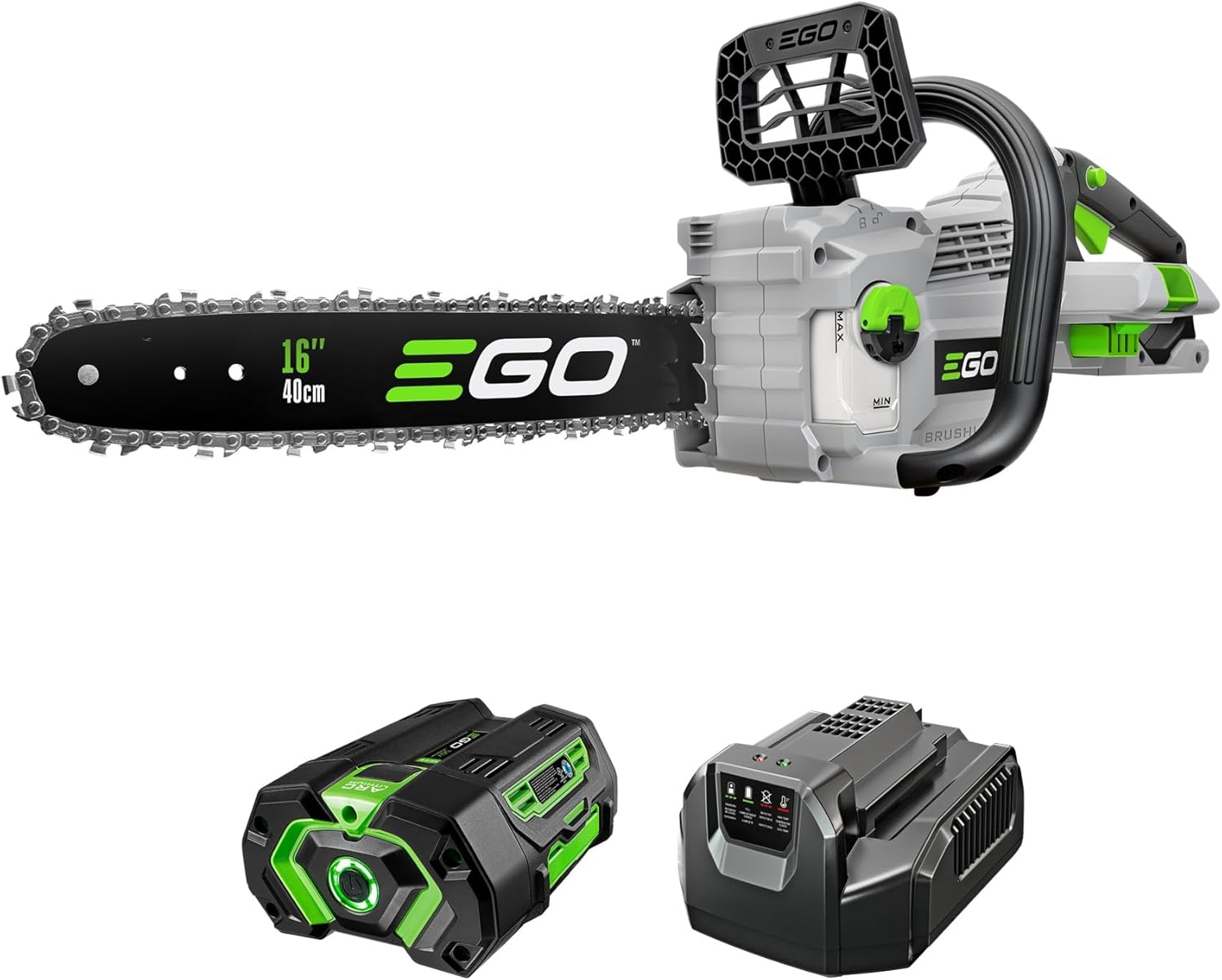


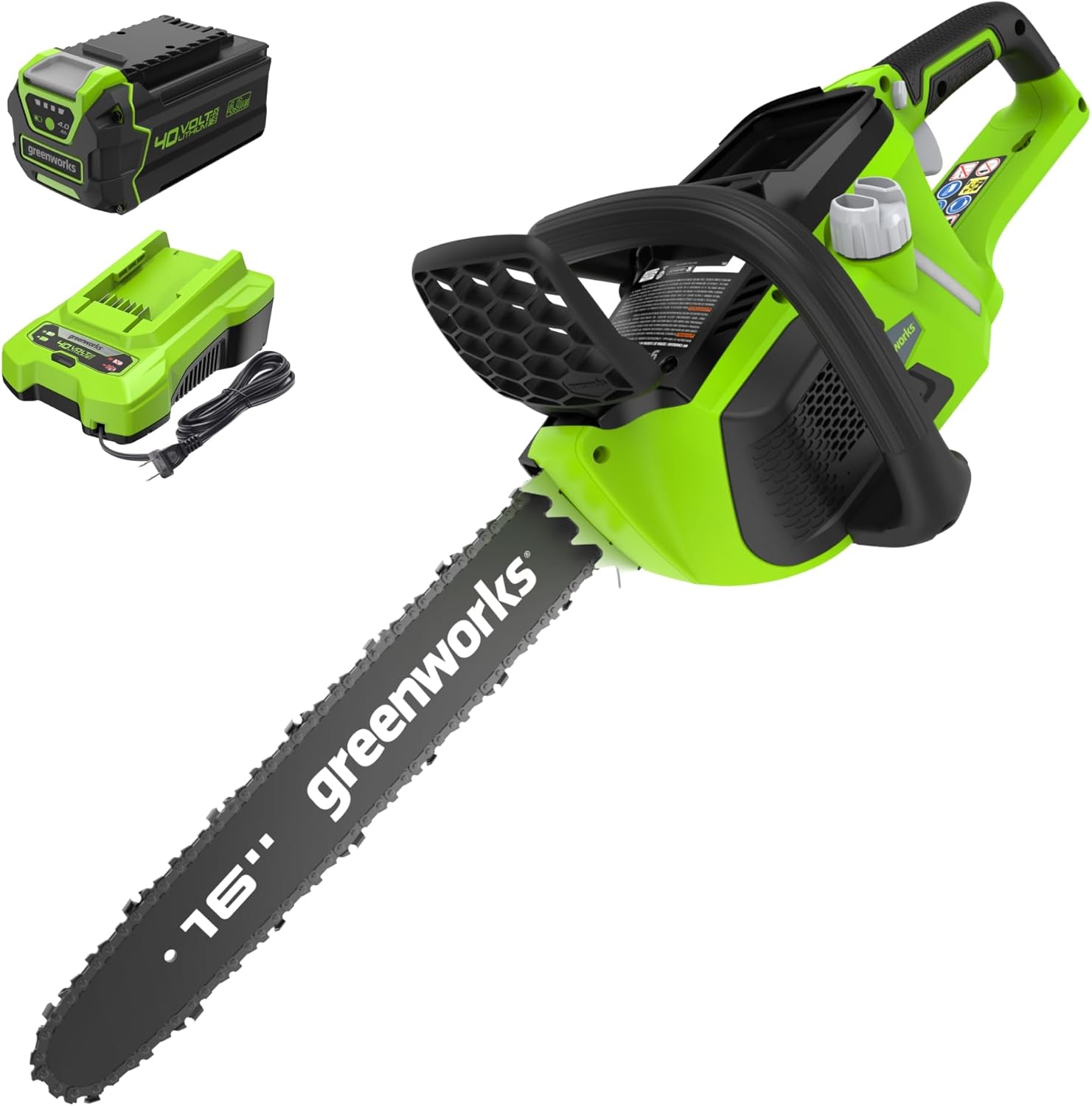
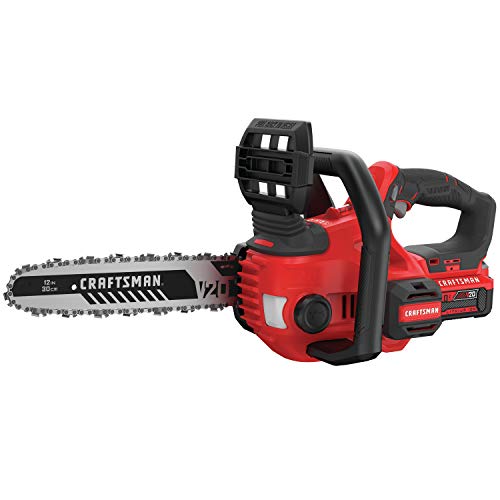


Who Should Buy Which Battery Chainsaw?
Homeowners Clearing Storm Damage and Pruning
If your cutting is mostly fallen limbs, small dead trees, and seasonal pruning, a saw with a 12 to 14 inch bar on a mid range battery platform is usually plenty. These saws start instantly, need no fuel mixing, and store easily in a garage corner. Shoppers comparing models in this class will find our guide to the best chainsaw for homeowners useful, because it covers the same yard tasks across gas and battery options. Prioritize light weight and a simple chain tension system.
Homesteaders and Firewood Cutters
Cutting cordwood week after week asks much more of a saw. Look at 16 to 18 inch bars, higher voltage platforms, and batteries of 5 amp hours or more, ideally two of them so one can charge while you work. A brushless motor matters here because it holds chain speed under load in dense hardwood. Expect to pay more, and expect the saw to feel closer to a small gas model in both weight and cutting pace.
Trail Crews, Campers, and Land Owners
When the work happens far from an outlet, portability wins. Compact saws with 10 to 12 inch bars ride well in a truck bed or utility vehicle and clear trail obstructions without the noise that carries across a valley. Quiet operation also helps on properties near neighbors. For very small jobs like cutting kindling or trimming saplings at camp, a smaller tool from our best mini chainsaw guide may do the whole job with less bulk.
Key Features to Compare
Bar Length and Cutting Capacity
Bar length sets the largest log you can cut in a single pass, and it should match the wood you actually face. A useful rule is to choose a bar at least 2 inches longer than the diameter of the logs you cut most often. Going far longer than you need adds weight, drains the battery faster, and makes the saw awkward in tight brush. Most homeowners land on 14 or 16 inches, which covers limbs and medium firewood rounds without punishing your arms during a long afternoon.
Battery Voltage and Amp Hours
Voltage hints at the power class, while amp hours describe how much energy the pack holds, and runtime depends on both. A higher voltage platform generally drives a longer bar through hardwood with less stalling. Amp hours matter just as much in practice, because a big saw with a small pack stops early. If you already own tools on one platform, staying in that family saves real money, since bare tools cost less than full kits with batteries and a charger.
Chain Speed and Motor Type
Chain speed, listed in meters per second or feet per minute, tells you how aggressively the saw pulls itself through wood. Faster chain speeds cut cleaner in softwood and bog down less in hardwood when paired with a brushless motor. Brushless motors also run cooler and usually last longer than brushed designs. Numbers alone can mislead, though. A sharp chain of the correct pitch often improves cutting more than a small spec advantage, so factor in how easy the chain is to source and sharpen.
Weight and Balance
Published weights sometimes exclude the battery, so compare saws with the pack fitted before judging. A battery saw concentrates its mass in the motor and pack, and good models keep that mass close to the rear handle so the bar does not feel nose heavy. Weight matters more than most buyers expect, because fatigue leads to sloppy cuts and slower reactions. If you plan overhead pruning work, every extra pound multiplies. Whenever possible, hold the saw in a store and mimic your usual cutting stance.
Chain Pitch, Gauge, and Sharpening
Pitch is the spacing of the chain links and gauge is the thickness of the drive links, and both must match the bar and sprocket exactly. Low profile chain in 3/8 inch pitch is common on battery saws because it cuts smoothly with modest power and is gentler if kickback occurs. Check that replacement chains and files for your size are easy to find locally. A saw that uses an uncommon chain size becomes frustrating the first time you dull a chain on a hidden nail or dirty bark.
Safety Features That Matter
Look for a working chain brake that stops the chain when the front hand guard is pushed forward, plus a throttle lock that prevents accidental starts. Battery saws feel friendly because they are quiet at idle, yet the chain moves at full speed the instant you pull the trigger. Treat them with the same respect as gas saws. A low kickback chain and a sturdy scabbard for storage round out the basics, and steel toe boots plus chaps are worth the money for regular cutting.
Setting Up a Battery Chainsaw Safely
Before the first cut, seat the battery, check that the chain brake engages with a firm click, and confirm the chain moves freely by hand with the battery removed. Tension the chain so it pulls slightly away from the bar but snaps back, and fill the oil reservoir with bar and chain oil. Skipping the oil check is the fastest way to ruin a bar. Trained arborists use top handle saws for work in the tree, and our best top handle chainsaw guide explains why those saws stay in professional hands.
A chainsaw can kick back toward your face in a fraction of a second when the tip of the bar contacts wood at the wrong angle. Always wear a helmet with eye and ear protection, cut resistant chaps, and gloves, and never cut above shoulder height. If you feel tired, stop for the day, because most injuries happen near the end of a long session. Anyone felling trees larger than a few inches across should take an in person safety course first or hire a professional for that part of the job.
What Battery Chainsaws Cost
Compact saws for light yard work generally run about $120 to $250 with a battery and charger included. Mid range models with 16 inch bars and larger packs sit around $250 to $450, and professional grade platforms reach about $450 to $800 depending on how many batteries the kit includes. Remember that a second battery often costs as much as a third of the saw itself, so a kit with two packs can be the smarter buy even when the sticker price looks higher at first glance.
Common Mistakes to Avoid
- Buying the longest bar available, which adds weight and drains batteries on wood that a shorter bar would cut faster.
- Running the saw with a dull chain, because the motor overheats and runtime drops sharply when you force the cut.
- Skipping bar and chain oil, which scorches the bar and stretches the chain in a single session.
- Storing the saw with a nearly empty battery, since packs left discharged for months can lose capacity for good.
- Cutting with the tip of the bar in tight brush, which is the most common way to trigger dangerous kickback.
- Choosing a new battery platform for one saw when your existing tools already use another, which doubles your charger clutter.
How to Make Your Battery Chainsaw Last Longer
Sharpen the chain little and often rather than waiting until the saw produces dust instead of chips. A few strokes with the correct file size restores the edge and keeps the motor from working overtime. Clean packed sawdust from the bar groove and oil ports after each session, and flip the bar regularly so it wears evenly on both rails. During storage, loosen the chain slightly, because steel contracts in cold weather and can strain the sprocket.
Batteries deserve their own routine. Store packs indoors at roughly half charge, away from freezing garages and hot sheds, and let a warm pack cool before charging after hard use. Wipe the contacts clean and keep them dry. When a chain has been sharpened so many times that the cutter teeth look like small hooks, replace it rather than pushing on, because a worn chain raises kickback risk and slows every cut.
Frequently Asked Questions
How long does a battery chainsaw run on one charge?
Runtime varies widely, but a mid size pack typically makes about 100 to 150 cuts through 4 inch limbs before it fades. Thick hardwood rounds drain a battery far faster than soft pruning cuts, because the motor works near its limit the whole time. If your sessions run long, plan on two packs and rotate them, since stopping mid log to wait on a charger quickly becomes the most annoying part of the job.
Can a battery chainsaw handle cutting firewood?
Yes, provided you pick a 16 inch or longer bar and a platform built for sustained loads. The limiting factor is heat, since motors and batteries protect themselves by cutting power when temperatures climb. Working in steady bursts and letting the saw rest while you stack rounds keeps production surprisingly close to a small gas saw. For several cords a season, though, most owners still keep a gas saw as backup.
Do battery chainsaws need bar oil like gas models?
They do, because the chain and bar have the same friction and heat problems regardless of the power source. Most battery saws have an automatic oiler fed by a small reservoir, and a full tank of oil roughly matches one full battery of cutting. Get in the habit of checking the oil level every time you swap packs. Running dry even once can blue the bar steel and shorten its life.
Is a battery chainsaw safer than a gas chainsaw?
It removes exhaust fumes and pull starting, but the chain itself is exactly as dangerous. Kickback, falling limbs, and contact injuries happen the same way, and the quiet idle can fool people into treating the saw casually. The trigger lock and chain brake help only when you use them every time. Keep the same protective gear and the same habits you would use with any chainsaw.
What bar length should a first time buyer choose?
A 14 inch bar suits most first time buyers, because it handles limbs, small trees, and firewood rounds up to about 12 inches across. It also keeps the saw light enough to control while you learn proper stance and cutting technique. If your property has mature trees that regularly drop 16 inch limbs, step up to a 16 inch bar from the start rather than fighting an undersized saw.
Final Thoughts
The right choice comes down to matching bar length, battery platform, and weight to the wood on your property. Pick the best battery chainsaw for the jobs you do every month, not the rare storm cleanup, and it will earn its place in the shed. Compare the finalists in the product table, pay attention to chain size and battery cost, and budget for protective gear in the same purchase. A well matched saw, kept sharp and oiled, will quietly handle years of yard work.


