
Best Chainsaw for Storm Cleanup for 2026: Power, Readiness and Safety
Disclosure: We may earn a commission when you buy through links on this page, at no extra cost to you. As an Amazon Associate I earn from qualifying purchases. Learn more

Choose the best chainsaw for storm cleanup by bar length, power source and chain readiness, with safety rules for downed trees and tensioned limbs.
Storm cleanup is the hardest work a homeowner chainsaw ever does. The wood is wet, dirty and often under tension, the ground is littered with debris, and the power may be out across the whole street. Choosing the best chainsaw for storm cleanup is therefore less about peak power and more about readiness: fuel or charged batteries on hand, sharp spare chains, a bar length matched to your trees and the judgment to leave dangerous wood to professionals. The comparison table below groups the main formats by power source and bar class.
This guide covers what storm work actually demands, how the power source decision changes when the grid is down, and the hazards that make some storm trees a job for a crew rather than a homeowner. Read the safety section before the features section; in this category, it matters more.


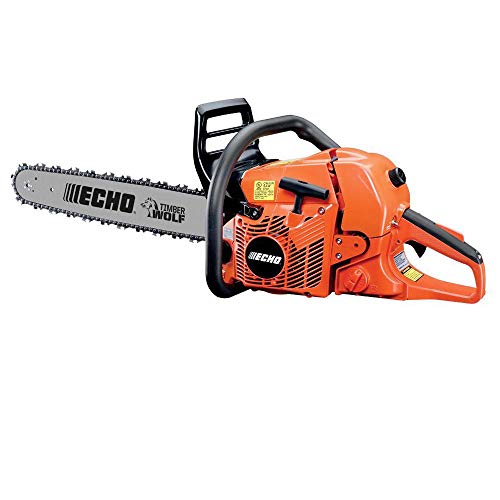
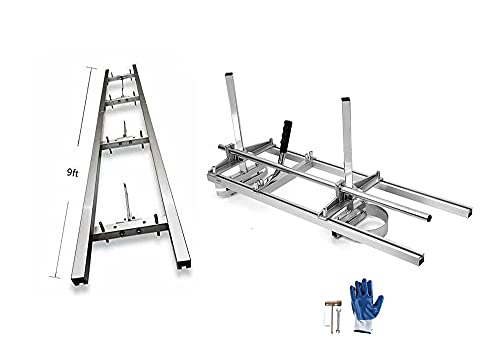

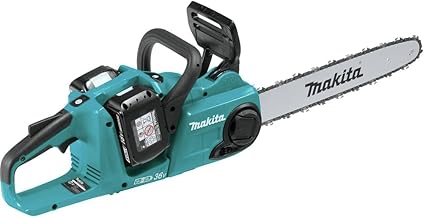


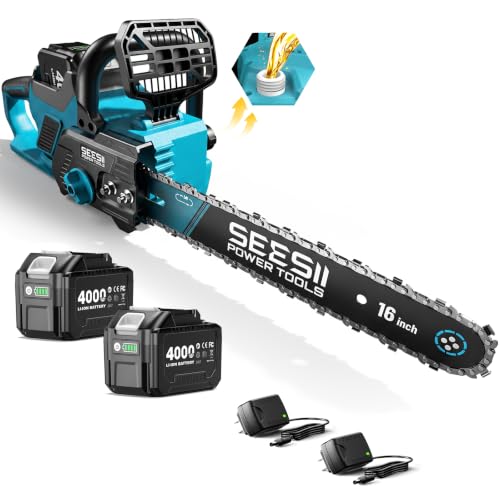
Who Should Buy Which Chainsaw for Storm Cleanup?
Homeowners in Storm Prone Regions With Mature Trees
If hurricanes, ice storms or heavy snow regularly drop limbs and whole trees on your property, a mid size saw bought before storm season is the right pattern. This user needs a bar long enough for the trunks on the property, fuel and oil stored safely, and spare chains ready, because the week after a storm is when stores sell out and repair shops back up. Buying in calm weather, and learning the saw on easy firewood first, is part of the purchase.
Owners Whose Storm Work Is Mostly Limbs and Small Trees
Many properties only ever drop branches, fence line saplings and the occasional small trunk. For that pattern, a lighter battery or compact gas saw in the 14 to 16 inch class does the cleanup faster in practice, because it starts instantly, runs quietly at dawn and never wears you out during a long day of small cuts. This user should invest the savings in protective chaps, a helmet and spare chains, which contribute more to a safe cleanup than extra bar length.
Large Lot and Rural Owners Facing Whole Trees
Owners who regularly face full sized downed trees need a stronger gas saw in the 18 to 20 inch class, with the chain speed and durability for hours of bucking. This is also the user most likely to meet the dangerous cases: trunks under tension, root plates that can roll and trees hung up in other trees. The saw is only one part of the answer here; training, a second person on site and the discipline to walk away from bad wood matter just as much.
Key Features to Compare
Bar Length Matched to Your Trees
The working rule is that the bar should be at least two inches longer than the diameter you cut in one pass, and you can cut up to roughly twice the bar length by working from both sides. For storm cleanup on typical suburban trees, a 16 to 18 inch bar covers most trunks and limbs without the weight penalty of a 20 inch setup. Measure the largest trunks actually growing on your property rather than imagining worst cases. Every extra inch of bar adds weight you carry through a long cleanup day, and a shorter bar on a strong saw cuts faster than a long bar on a weak one.
Power Source When the Power Is Out
This is the decision storm work changes. Battery saws are quiet, instant and clean to store, but a major storm often kills the grid, and a charger without power is a paperweight; owners need several charged packs ready before the storm arrives. Gas saws run as long as you have fresh fuel and oil, which you can store ahead of the season, and they refuel in a minute during long sessions. Our guide to the best chainsaw range lays out the wider field, and the best battery chainsaw roundup shows the strongest cordless options for owners whose storms rarely cut power for long.
Chain Readiness: Spares, Sharpness and Dirt
Storm wood is full of grit, sand and sometimes nails or fence wire, and it dulls chains faster than any clean firewood. The feature that saves your cleanup day is not a spec at all: it is owning two or three sharp spare chains that fit your bar, so a dulled chain swaps off in minutes instead of ending work. Learn your chain pitch and gauge before storm season and write them inside the saw case. A tool free tensioning system speeds up those swaps, though a side access tensioner with a standard wrench gives the most secure hold during long bucking sessions.
Weight and Endurance Over a Long Day
Storm cleanup is measured in hours, not minutes, and fatigue is a safety hazard because tired operators make bad cuts. A saw that feels fine for five minutes in a store aisle can be a burden at hour three on uneven, debris covered ground. Match weight to your strength honestly, and prefer the lighter saw that you can control perfectly at the end of the day over the stronger saw you can barely hold steady. Anti vibration design, a standard feature on quality saws, is worth real money here because numb hands lose grip and judgment together.
Starting Reliability and Cold or Wet Behavior
A storm saw must start easily in bad conditions: wet gloves, cold mornings after an ice storm, awkward positions on a slope. Features that help are a well designed starter, a purge bulb you can work with gloves and controls sized for gloved hands. Electric start convenience is one reason battery saws shine for limb work, since they cut the moment you pull the trigger. Whatever you choose, test start it before storm season, not during it, and service a reluctant gas saw in calm weather when shops are empty.
Storm Specific Hazards and When to Call a Professional
Treat every downed power line as live, even lines lying still on the ground, and keep people and the saw far away until the utility clears them. Never cut a tree that is touching or leaning toward a line. That work belongs to the utility and its contracted crews, and no cleanup deadline justifies the risk. The same rule applies to trees resting on your house, car or fence under load: the structure and the tree are holding each other up in ways that shift violently when cut.
Learn to read tension before you cut. A limb pinned under a trunk or bent against the ground stores energy like a spring, and the wrong first cut releases it toward you. Spring poles, the saplings bent over by a fallen tree, are a classic injury source; they are cut with shallow, gradual slices on the inside of the bend, or left for a professional. Hung up trees that did not fall fully are another walk away case for homeowners. If a trunk rolls toward you as you read it, your plan is wrong; stop, step back and call a tree service. Most storm injuries happen to tired people cutting wood that a fresh professional would refuse.
Common Mistakes to Avoid
- Cutting near downed power lines or trees touching lines, which risks electrocution and belongs to the utility only.
- Starting with the biggest trunk while fresh, then tackling tensioned limbs at the end of the day when fatigue peaks.
- Owning one chain and no file, so the first hidden nail ends the cleanup with stores already sold out.
- Skipping chaps, helmet and eye protection because the work is in your own yard and feels familiar.
- Cutting alone in a back lot where an injury or a pinned saw leaves you without help or a phone signal.
How to Make Your Storm Chainsaw Last Longer
Storm work is hard on saws, so clean the tool after every cleanup day: clear packed wet sawdust from the bar groove, the clutch cover and the air filter, because damp debris corrodes and clogs while the saw sits. Sharpen or swap chains as soon as cuts produce dust, and retire chains that have struck metal, since stretched and cracked links can fail under load. Dry the bar and chain before storage and wipe them with bar oil to stop rust.
For gas saws, use fresh fuel mixed correctly, and drain the system or add stabilizer before long storage as the manual directs; stale fuel is the top cause of storm saws that will not start when needed. For battery saws, store several packs indoors at a healthy charge through storm season, and rotate them so none sit flat for months. Store the saw with the bar cover on, in a case if you have one, alongside the spare chains, file, wrench and oil, so the whole kit moves as one grab and go unit. Our guide to the best chainsaw for homeowners covers the same kit approach for everyday ownership.
FAQ
What size chainsaw do most homeowners need for storm cleanup?
A 16 to 18 inch bar on a mid power saw covers the large majority of storm work on residential properties: limbs, small trunks and bucking downed trees of moderate size. Properties with many large mature trees justify 20 inches, while limb only properties are better served by a lighter 14 inch saw that causes less fatigue. Buy for the trunks actually standing on your land, and remember you can cut wood wider than the bar by working from both sides in stages.
Is a battery chainsaw practical after a major storm?
Yes for limb work and small trees, provided you prepare. Charge every pack before the storm, keep a vehicle inverter or a generator in mind for recharging, and expect each pack to deliver a limited number of cuts in big wood. Battery saws excel in the first hours of cleanup, when the work is scattered branches and the neighborhood values quiet. For days of whole tree bucking with the grid down, gas remains the practical choice, which is why many rural owners keep one of each.
What safety gear is essential for storm cleanup cutting?
Chainsaw chaps, a helmet with eye and ear protection, sturdy gloves and steel toe boots are the baseline kit for any storm cutting. Chaps are the item homeowners skip most and need most, since the upper leg is the most common serious cut site. Add a first aid kit within reach, a charged phone on your person and a second adult who knows where you are working. Gear costs less than one emergency visit, and storm debris hides the trips, slips and roll overs that cause injuries even before the chain does.
How do I know if a downed tree is too dangerous for me to cut?
Walk away if the tree touches a power line, rests on a building or vehicle, is hung up in another tree, or is held under visible tension with bent limbs and a lifted root plate. Also walk away if the trunk diameter exceeds your bar comfort, the ground is steep or unstable, or you cannot name exactly where each piece will fall when cut. A tree service call costs real money, but each of those situations has injured experienced cutters, not just beginners.
Why does my chain dull so fast during storm cleanup?
Downed wood drags through soil as it falls and as you move it, so the bark and the cut faces carry grit that grinds an edge away. Add wet wood that hides the dirt, plus the wire, nails and stones that storms embed in yard trees, and a chain can go from sharp to dust in a few cuts. Work around it by brushing dirt from cut lines, cutting from the clean side where possible and keeping spare chains ready. Our look at the best mini chainsaw tools also notes the same grit problem on the small saws used for debris.
Final Thoughts
Storm cleanup rewards preparation more than power: the right bar length, stored fuel or charged packs, spare sharp chains, full protective gear and the judgment to refuse dangerous wood. Put that kit together in calm weather and the best chainsaw for storm cleanup for your property is simply the saw that starts every time and fits your trees. The product table above confirms the formats side by side, and buying before storm season means your choice is still in stock when you make it.


