
Best Chainsaws (2026): A Practical Buying Guide
Disclosure: We may earn a commission when you buy through links on this page, at no extra cost to you. As an Amazon Associate I earn from qualifying purchases. Learn more
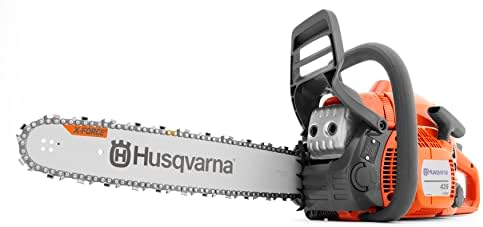
Bar length, power source and chain specs decide which chainsaw suits your cutting work, with the safety features that matter most.
A storm drops a limb across the driveway, the firewood pile needs restocking, and suddenly the handsaw in the garage feels very small. The best chainsaw for you is the one sized to the wood you actually cut, with safety features you will actually use. Oversized saws tire your arms and tempt sloppy technique, while undersized saws bog down, overheat and wear their bars early. Bar length, power source and chain specification matter far more than brand loyalty or the loudest engine at the store.
This guide covers how to size a saw to your trees and firewood, how gas, battery and corded models differ in real work, and which safety and handling details separate a confident tool from a frightening one. The comparison table below summarizes the main classes before we dig in.


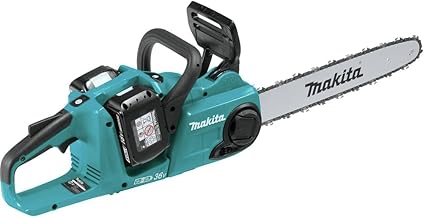


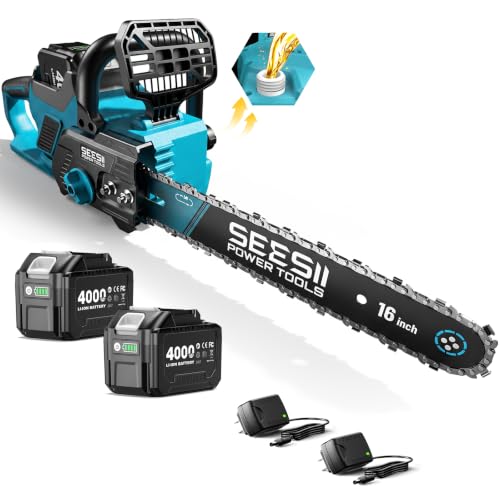

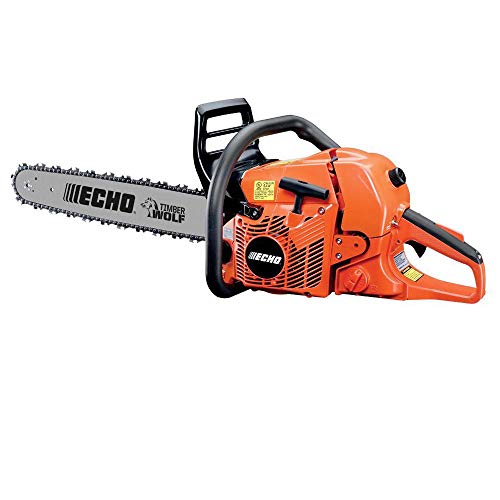
Who Should Buy Which Chainsaw?
Homeowners Cleaning Up After Storms
If your cutting is fallen limbs, small dead trees and the odd fence line cleanup, a 14 to 16 inch saw in gas or battery form covers it. You will use it a few weekends a year, so easy starting and simple chain tensioning matter more than raw output. Our guide to the best chainsaw for homeowners focuses on exactly this pattern of occasional, varied work. Choose a saw you can start confidently every time, because a saw that fights you at startup gets left in the shed when you need it.
Firewood Cutters and Rural Property Owners
Regular firewood cutting changes the math. Logs in the 12 to 20 inch range call for an 18 to 20 inch bar and an engine or battery system that holds chain speed under load for hours. Weight still matters, since bucking firewood is repetitive lifting, but durability of the bar, sprocket and oiler matters more. If you heat with wood, treat the saw as a yearly workhorse: budget for a second chain, a spare bar and sharpening gear from day one.
Pruners and Occasional Light Users
For pruning branches, cutting back shrubs and small carpentry cuts, a compact mini saw or light battery model is safer and easier to control than a full size saw. Our guide to the best mini chainsaw covers these one handed and compact two handed tools. They cannot fell trees, and they should not try, but for the cutting most gardeners actually do, they come out of storage far more often and cause far less fatigue.
Key Features to Compare
Bar Length and Cutting Capacity
Bar length is the first spec to settle, because it sets both capacity and handling. A saw cuts comfortably through wood up to about 2 inches less than the bar length in a single pass, and larger logs by cutting from both sides. A 16 inch bar handles most homeowner work; 18 to 20 inch bars suit regular firewood; bars beyond that belong to felling and milling work. Longer is not automatically better: every extra inch adds nose weight, slows the chain in the cut and widens the kickback zone you must manage, so buy the shortest bar that covers your typical log.
Power Source: Gas, Battery or Corded Electric
Gas saws remain the benchmark for sustained power and all day runtime, measured by engine size in cubic centimeters, with homeowner saws commonly in the 35 to 50 cc range. Battery saws have closed the gap for limbing and firewood in shorter sessions, start with a trigger pull and need no fuel mixing; our guide to the best battery chainsaw compares platforms and bar sizes. Corded electric saws are light, quiet and cheap to run but tether you to an outlet, which suits patio and workshop cutting near the house. Match the source to your session length and distance from the house.
Chain Pitch, Gauge and Chain Speed
Three numbers define the chain: pitch (the spacing of its links), gauge (the thickness of its drive links) and the number of drive links, and all three must match your bar and sprocket exactly. Low profile 3/8 inch pitch chain is standard on homeowner saws because it cuts smoothly with less kickback tendency. Chain speed, listed in meters or feet per second, predicts how eagerly the saw pulls itself through wood; higher speed with a sharp chain feels effortless, while a dull chain makes any saw feel weak. Keep a spare chain that matches all three numbers, not just the bar length.
Safety Features: Chain Brake and Low Kickback Design
A working chain brake that stops the chain in a fraction of a second, triggered by your wrist hitting the front hand guard or by inertia in a kickback, is the single most important safety device on the saw. Low kickback chain and a reduced kickback bar nose lower the chance of the tip zone throwing the saw upward. Check that the brake clicks on and off crisply and that the saw you buy has an inertia activated brake, not only a manual one. These features cost little and matter enormously on the one bad day they are needed.
Oiling, Tensioning and Day to Day Handling
An automatic oiler that feeds bar oil whenever the chain runs is standard; adjustable flow is a bonus for long bars. Tool free tensioning dials make adjustments fast but can feel less solid than a traditional side screw setup with a scrench; either is fine if you check tension often, because a chain stretches as it warms. Anti vibration mounts between the handles and the engine body reduce hand fatigue and numbness during long sessions. A saw that feels balanced at the handles, with the weight close to your body, will cut straighter and safer than a nose heavy one.
How to Match Bar Length to the Wood You Cut
Measure the thickest wood you cut regularly, not the biggest tree you might meet once. For logs, choose a bar at least 2 inches longer than the log diameter so the nose clears the far side and the chain runs freely. For felling, the bar should reach at least two thirds into the trunk so your cuts overlap properly. When a log exceeds your bar, cut partway from one side, roll the log or reposition, and finish from the other side rather than burying the nose and forcing the saw.
One warning belongs here: top handle saws are built for trained arborists working in a tree, with one hand positions that make ground use genuinely dangerous for everyone else. If your reading leads that way, our guide to the best top handle chainsaw explains the training and use case behind the design. On the ground, a rear handle saw with two hands on it is the correct tool, full stop. Pair the saw with protective chaps, eye and ear protection, gloves and sturdy boots, and treat that kit as part of the purchase price.
What Each Price Range Buys in a Chainsaw
Under about $120 you find corded electric saws and small battery minis. They limb, prune and cut small firewood near the house, and they ask almost nothing in maintenance. Power and bar length are limited, and that is an acceptable trade for occasional use.
Between about $120 and $300 sits the homeowner core: capable 14 to 18 inch gas and battery saws with real chain brakes, automatic oilers and decent vibration control. Most storm cleanup and firewood households should shop here and put the savings into a second chain and protective gear.
Above about $300, build quality, power to weight ratio and serviceability climb toward professional grade. Daily users feel the difference in a long season; occasional users mostly feel the higher price and the heavier starting effort of bigger engines.
Common Mistakes to Avoid
- Cutting with a dull chain, which forces you to push, overheats the bar and doubles your fatigue.
- Buying a bar far longer than your wood, which adds weight and kickback risk without adding useful capacity.
- Letting the chain touch soil, which dulls a sharp chain in seconds and throws grit into the cut.
- Skipping the chain brake check, which leaves your main safety device unproven when kickback happens.
- Running the saw without bar oil, which destroys the bar and chain in a single session.
- Cutting above shoulder height from a ladder, which removes your control exactly when the cut piece falls.
How to Make Your Chainsaw Last Longer
Sharpen the chain as soon as it starts throwing dust instead of chips, and flip the bar each time you sharpen so both rails wear evenly. Clean sawdust and oil sludge from the clutch cover and bar groove after cutting days, because packed debris starves the oiler. Grease the nose sprocket on bars that have a grease port, check the air filter on gas saws, and mix fuel fresh at the ratio in your manual rather than keeping a can all year. Store the saw with the chain loosened slightly, the bar covered and, for long storage, the fuel system drained or treated. A chain stored sharp and oiled is ready the morning after a storm, which is when readiness counts.
FAQ
What size chainsaw does a homeowner need for firewood?
Most homeowners need a 16 to 18 inch bar, which covers logs up to about 16 inches across in one pass and larger rounds with cuts from both sides. Measure your stove length and your typical log pile before buying; many people discover their rounds average 10 to 12 inches and a lighter 16 inch saw would have served them better. Reserve 20 inch bars for regular cutting of genuinely large hardwood, where the extra engine size earns its weight.
How long does a chainsaw last with regular home use?
A maintained homeowner saw commonly lasts ten years or more of weekend use. The engine or motor rarely wears out first; bars, chains, sprockets and oilers are the wear items, and they are all replaceable. What shortens saw life most is dull chain work and dirty air filters on gas models, both of which overheat the powerhead slowly. Treat wear parts as scheduled replacements and the saw itself becomes a long term tool rather than a disposable one.
How do you clean a chainsaw after a day of cutting?
Remove the bar and chain, clear the groove and oil ports, and brush sawdust out of the clutch area so the brake band stays free of packed resin. A detail many owners miss: check the small oil outlet hole on the bar and the matching port on the saw body, because a single plug of hardened sap stops lubrication while the oil tank still looks full. Wipe the chain, reinstall it with correct tension, and top up the oil reservoir before storage.
Is a battery chainsaw strong enough for cutting firewood?
Yes, for typical homeowner firewood in sessions of an hour or so per battery. Modern 16 to 18 inch battery saws cut hardwood rounds at a pace close to similar size gas saws; they simply stop sooner. The practical trick is chain sharpness: battery saws lose runtime fast on a dull chain because the motor works harder for every cut. Keep the chain sharp, bring a second battery, and battery firewood work feels unremarkable, which is the highest praise a tool can earn.
What safety gear should a chainsaw user wear?
Wear cut protective chaps or pants, a helmet or at minimum eye and ear protection, gloves with a firm grip and steel toe boots. The item new users most often skip is the chaps, yet leg contact is among the most common chainsaw injuries, and chaps are designed to clog the sprocket and stop the chain. Add a first aid kit in the truck and a rule that you never cut alone in a remote spot without telling someone your plan and return time.
Final Thoughts
Size the bar to your wood, respect the safety features and keep the chain sharp, and the best chainsaw for your property becomes an easy decision rather than a gamble. Homeowners in particular should buy the saw that fits their most common job, not the biggest trunk they can imagine. Compare the classes in the product table above against your storm cleanup and firewood list, and choose the lightest saw that covers that list with its brake, oiler and tensioning all easy to live with.


