
Best Chainsaws for Homeowners (2026): A Safety First Buying Guide
Disclosure: We may earn a commission when you buy through links on this page, at no extra cost to you. As an Amazon Associate I earn from qualifying purchases. Learn more

A yard saw should start reliably, stay light and forgive mistakes. Compare bar length, power source and safety features for home use.
Most homeowners do not need a logging saw. They need a saw that starts reliably, cuts storm limbs and firewood without drama, and sits in the garage for months between jobs. The best chainsaw for homeowners is sized for trees under about 14 inches across, light enough to control when you are tired, and fitted with safety features that forgive beginner mistakes.
This guide explains bar length, power source, and the safety gear that should be part of the same purchase. The comparison table below sums up the homeowner classes, and the sections after it will help you choose between battery, gas, and corded electric with clear eyes about upkeep.




Who Should Buy Which Chainsaw?
Suburban Owners Clearing Storm Damage and Pruning
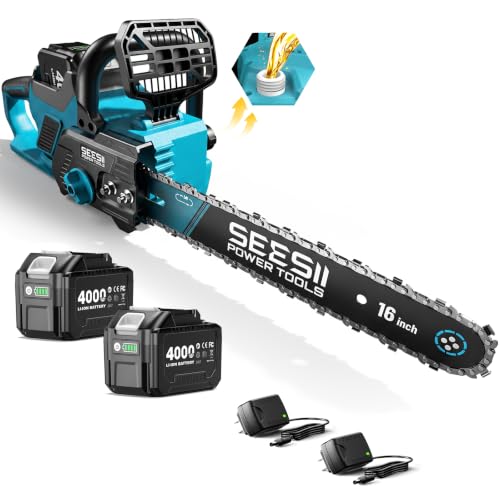
Your cutting is occasional: a fallen branch after a storm, a dead tree in the back corner, limbs over the fence. A battery chainsaw with a 12 to 16 inch bar is your best fit, because it starts with a trigger pull, needs almost no upkeep between jobs, and runs quietly enough for a Sunday morning. One or two batteries in a common platform cover a yard session, and you never store gasoline. Our hub guide to the best chainsaw shows where these homeowner models sit in the full market.
Rural Owners Cutting Firewood Every Season
You process several cords a year, and your saw earns its keep. A gas chainsaw in the 40 to 50 cc range with an 18 inch bar gives you the sustained power and fast refueling that firewood work demands. You will trade more maintenance, mixing fuel and oil, sharpening often, and storing the saw carefully, for a tool that cuts all day. Choose a model with a decompression valve or spring assist start if your shoulders complain about pull cords.
New Owners Who Have Never Run a Saw
Your first saw should be the most forgiving one, not the most powerful. A compact battery or corded electric model with a 14 inch bar, a working chain brake, and a low kickback chain keeps the learning curve gentle. Electric saws stop the instant you release the trigger, which is a real safety margin while you build habits. Spend as much thought on chaps, eye and ear protection, and gloves as on the saw itself, and plan to read the manual fully before the first cut.
Key Features to Compare
Bar Length Matched to Your Wood
Bar length sets the largest log you can cut in one pass, roughly twice the bar length when you cut from both sides, and the bar should exceed the wood diameter by a couple of inches for clean work. Homeowner cutting centers on 10 to 16 inch bars: enough for limbs, small trees, and firewood rounds. Longer bars do not make a saw stronger; they add weight, friction, and kickback leverage. A 16 inch bar on a modest engine struggles in hardwood, while a 14 inch bar on the right powerhead flies through it. Match bar and engine as a pair, the way manufacturers package them.
Power Source: Battery, Gas, or Corded Electric
Battery saws trade runtime for convenience. A modern 40 to 80 volt platform cuts dozens of limbs per charge and suits most yards, with instant starts and no exhaust. Gas saws from about 32 to 50 cc remain the choice for hours of firewood or remote land, with power that does not fade as the tank empties. Corded electric saws are cheap, light, and maintenance free, but the cord limits range and demands respect around the cut. If battery appeals, our guide to the best battery chainsaw compares platforms and bar sizes in detail.
Safety Features: Chain Brake, Low Kickback Chain, and Throttle Lock
The chain brake stops the chain in a fraction of a second when the saw kicks or when you push the front hand guard forward, and it is the single most important safety device on the saw. Low kickback chains and reduced kickback bars lower the chance of the tip zone throwing the saw upward. A throttle lockout prevents accidental starts when you move between cuts. Inertia activated brakes are best, since they trigger on the kick itself. Test the brake at every startup: it should click firmly and stop a slow moving chain instantly.
Weight and Balance for Control
A homeowner saw gets used overhead, at arm length, and at the end of a long cleanup day, so weight and balance decide how safely you finish the job. Most yard saws weigh about 8 to 13 pounds with bar and fuel or battery. A saw that balances at the front handle feels lighter in the cut than a rear heavy one of the same scale weight. If you are smaller framed or new to saws, choose the lighter class; control beats capacity you rarely use.
Chain Tensioning and Bar Oil Systems
Chains stretch as they warm, and a loose chain can jump the bar while a tight one wears parts fast. Tool free tensioners make the frequent small adjustments realistic for casual users, while traditional side screw systems hold settings firmly for heavy use. Automatic oilers should deliver visible oil fling at the tip when you rev the saw over paper; adjustable oilers let you match flow to bar length and wood hardness. Use proper bar and chain oil, not used motor oil, which lacks the tackiness to stay on the chain and voids many warranties.
Starting System and Everyday Ease
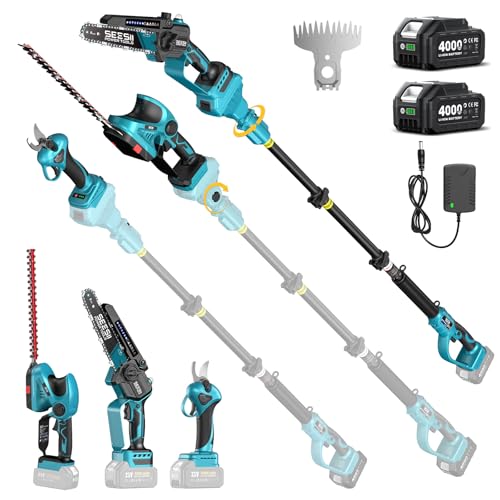
The best homeowner saw is the one that starts on the third pull, every time. Gas models with primer bulbs, choke markings you can read, and spring assisted starters remove most starting frustration. Battery models remove the question entirely. Consider also the small things: a scabbard that stays on, fuel caps that open without tools, and a chain catcher pin that stops a thrown chain. For pruning high limbs from the ground, a pole saw or a compact model from our best mini chainsaw guide often beats wrestling a full size saw overhead, which you should never do.
Safety Rules Every Homeowner Should Follow
Chainsaws cause tens of thousands of injuries a year in the United States, most of them to legs, hands, and feet, and most during exactly the kind of yard cleanup homeowners do. Wear chainsaw chaps or pants, steel toe boots, gloves, eye protection, and hearing protection every time, not only for big jobs. Never cut above shoulder height, never cut with the bar tip zone, and keep both hands on the saw with your thumb wrapped under the front handle. Work with a partner nearby, keep bystanders and pets well back, and stop cutting when you are tired, because fatigue is when grip and judgment slip.
Know your limits on trees. Felling a tree that leans toward a house, fence, or power line is a job for a licensed arborist, and so is any work in the canopy. Professionals use saws such as those in our best top handle chainsaw guide while secured in the tree, a skill set that takes training. If you are cut, apply direct pressure and seek emergency care at once; chainsaw wounds are ragged, deep, and prone to infection, so a clinic visit the same day is the rule even for cuts that look minor.
Common Mistakes to Avoid
- Cutting with a dull chain: the saw throws fine dust instead of chips, you push harder, and control disappears.
- Letting the bar tip touch wood or ground: the tip zone is where kickback starts, and one touch of soil dulls the chain instantly.
- Skipping chaps for a quick cut: most chainsaw injuries happen on short, familiar jobs close to home.
- Cutting a limb that is under tension without reading it: spring poles snap back with force when the fibers release.
- Storing a gas saw with untreated fuel: ethanol blends gum the carburetor over winter and the saw will not start in spring.
- Overreaching from a ladder: a shifting ladder plus a running saw is one of the most dangerous combinations in yard work.
How to Make Your Chainsaw Last Longer
Sharpen the chain little and often. A few file strokes at every fuel stop or battery swap keep the cutters biting, and a chain that throws chunky chips is doing the work for you. Match the file size and angle to your chain, keep depth gauges set with a gauge tool, and replace the chain when the cutters are filed back to the witness marks. Flip the bar each time you sharpen so both rails wear evenly, and clean packed sawdust from the bar groove and oil hole.
After each session, brush debris from the cooling fins and air intake, since an overheated engine loses power and ages fast. For gas saws, run fresh fuel with the correct oil mix, store with the tank treated or drained, and start the saw monthly in the off season. Battery saws need only a clean bar, a battery stored indoors, and a chain kept lightly oiled against rust. Keep the scabbard on in storage.
Frequently Asked Questions
What size chainsaw does a homeowner actually need?
For most yards, a 14 to 16 inch bar covers limbs, small trees, and firewood from trees up to about 14 inches across, which is the bulk of homeowner cutting. Go to 18 inches only if you regularly fell or buck larger trees, and remember the engine must grow with the bar. A compact 12 inch battery saw handles pruning and storm branches with far less fatigue. Rent a large saw for the rare big job instead of owning capacity you use once.
Is a battery chainsaw strong enough for firewood?
For modest firewood work, yes. Current high voltage battery saws cut hardwood rounds respectably and handle a pickup load of wood on a few battery packs, with breaks while packs recharge or swap. Where they fall behind gas is sustained production cutting: several cords in a day means many batteries or a generator on site. If firewood heats your home, gas remains the practical choice. If you buck a fallen tree or two per season, battery is simpler, quieter, and cheaper to keep.
What protective gear is required for homeowner chainsaw use?
The core set is chainsaw chaps or cut resistant pants, steel toe boots, gloves, safety glasses or a mesh face screen, and hearing protection. Chaps contain fibers that jam the chain on contact and turn a likely severe leg wound into a scare, which makes them the highest value item on the list. Add a hard hat when cutting overhead material or felling, since falling branches cause serious head injuries. None of this gear is optional decoration; wear it for the first cut and the last alike.
How often should a homeowner sharpen the chainsaw chain?
Sharpen whenever the saw stops feeding itself into the cut or the sawdust turns fine. For most users that means a light touch up every tank of fuel or battery change, just two to four file strokes per cutter, plus an immediate sharpening any time the chain touches soil, stone, or metal. A sharp chain is a safety feature as much as a performance one: the saw pulls itself through the wood, you use less force, and your control stays where it belongs.
Can a homeowner fell a tree safely, or should they hire it out?
Small, straight trees in open ground, under about 8 inches across and well clear of buildings, fences, and lines, are within reach of a careful homeowner who has learned notch and back cut technique and planned an escape path. Anything leaning, rotten, hung up, near a structure, or taller than the clear space around it belongs to a professional arborist. The cost of one hired felling is small next to a roof repair or a hospital visit, and watching the pros work is an education in itself.
Final Thoughts
Buy the saw that fits your trees, your strength, and your tolerance for upkeep, then spend real money on protective gear and a sharp chain. Do that and the best chainsaw for homeowners stops being a question of brands and becomes what it should be: a tool you control completely, every cut, every season. Compare the homeowner classes in the product table above, choose honestly, and leave the big leaners to the arborists.


