
Best 3/8 Inch Torque Wrenches in 2026: A Complete Buying Guide
Disclosure: We may earn a commission when you buy through links on this page, at no extra cost to you. As an Amazon Associate I earn from qualifying purchases. Learn more

Choose the best 3/8 inch torque wrench by checking torque range, accuracy, click versus digital styles and storage habits that keep calibration true for years.
The 3/8 inch drive is the middle child of torque wrenches, and for most engine and chassis work it is the one you will reach for first. The best 3/8 inch torque wrench covers the mid range fasteners that hold valve covers, intake manifolds, spark plugs, and brake hardware, where too little torque leaks and too much snaps bolts or warps parts. It is too big for delicate bike parts and too small for lug nuts, which is exactly why choosing its range correctly matters.
This guide explains the torque range to look for, how click, digital, and beam styles compare, and the storage habits that keep readings honest. Use the comparison table below to shortlist models, then verify each against the checks here.
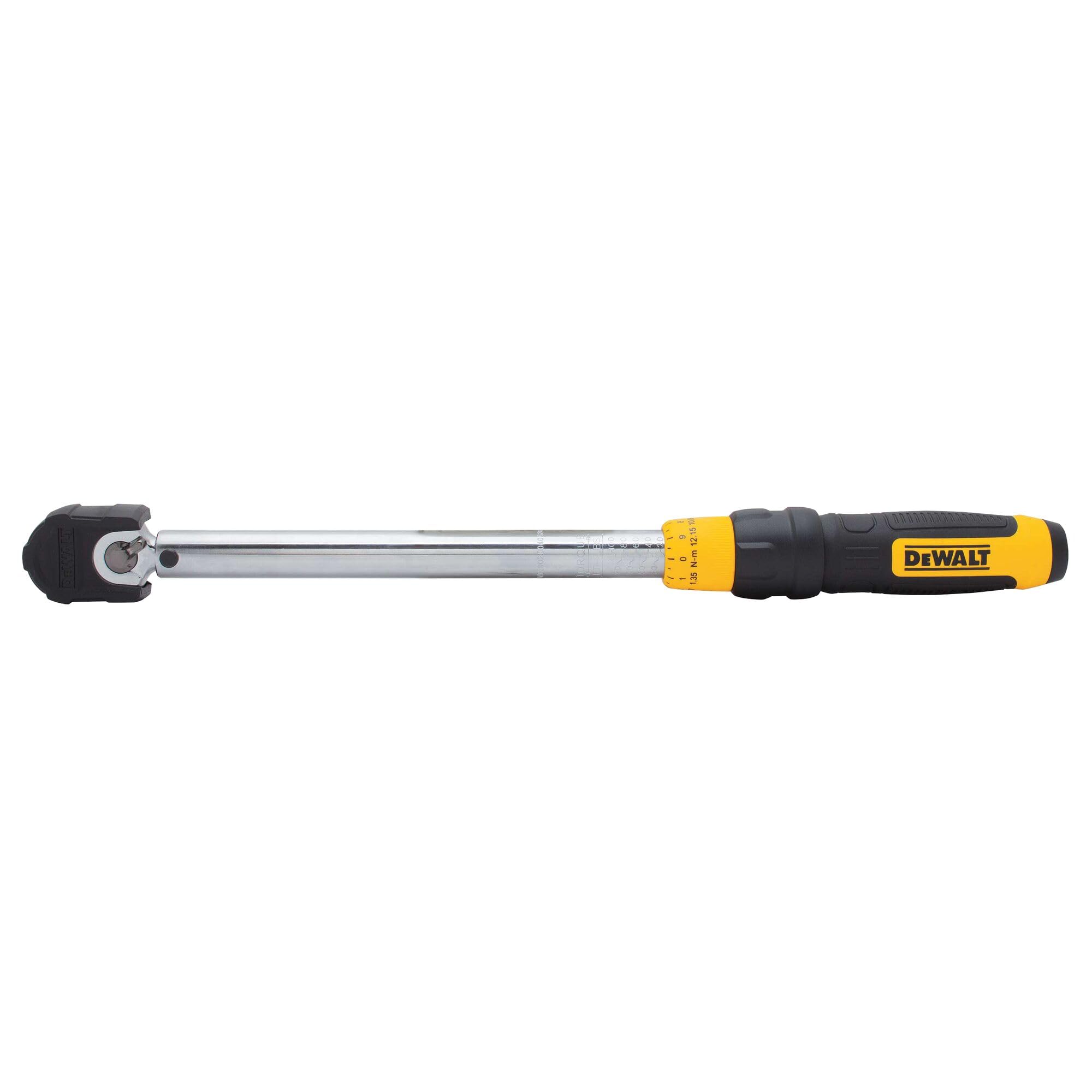
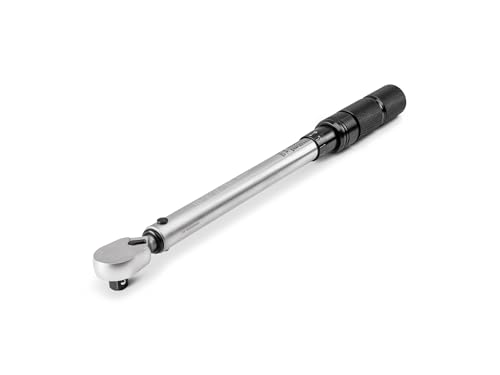
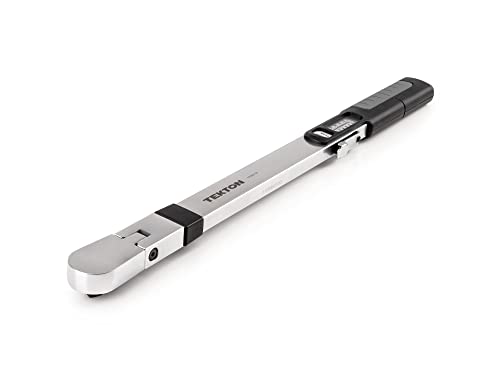


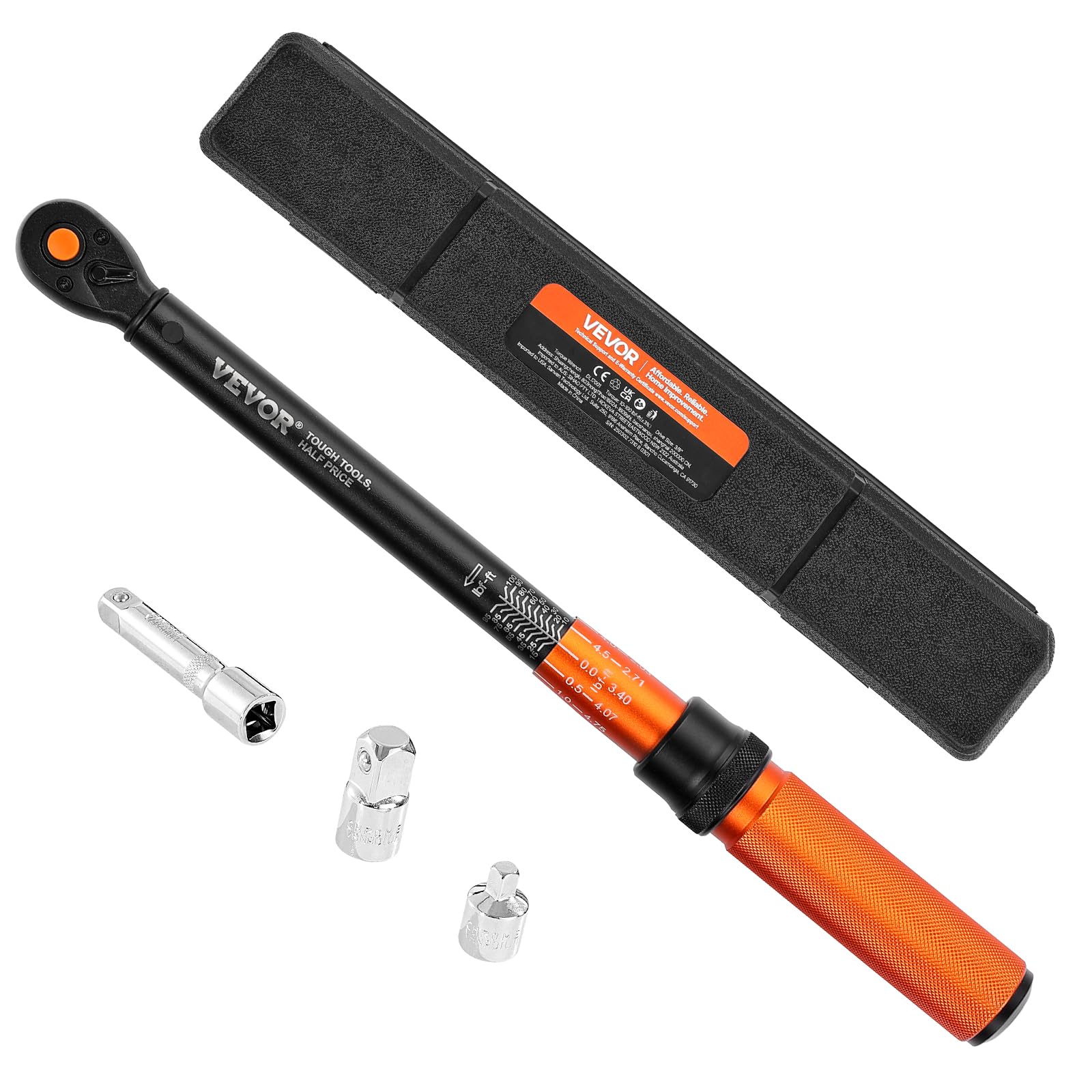
Who Should Buy Which 3/8 Inch Torque Wrench?
Home Mechanics Doing Engine and Brake Work
Most under hood torque specs land between about 10 and 80 foot pounds, squarely in 3/8 territory. A click style wrench in that range handles spark plugs, water pumps, and caliper brackets with repeatable results. If your work regularly reaches lug nut torque, pair it with the larger drive options in our best torque wrench for lug nuts guide rather than forcing this wrench past its limit.
Motorcycle and ATV Owners
Bikes concentrate mid range fasteners in tight spaces, from axle pinch bolts to engine covers, so a compact 3/8 wrench with a slim head earns its place. Many riders keep this as their primary wrench and add a small 1/4 inch tool for the lowest specs. Our best torque wrench for motorcycles guide covers the bike specific picks and ranges in more depth.
Small Engine and Lawn Equipment Owners
Head bolts, blade bolts, and flywheel nuts on mowers and snow blowers carry real torque specs that a plain ratchet cannot judge. A beam or entry click wrench in the 3/8 size covers this seasonal work without the cost of a pro tool. Owners who also maintain bicycles should note that bike parts mostly live below this range, as explained in our best torque wrench for bikes guide.
Key Features to Compare
Torque Range and the Accurate Middle
Most 3/8 click wrenches span roughly 10 to 80 foot pounds, with some reaching 100. A torque wrench is most accurate across the middle of its range and least trustworthy at the very bottom, so list your common specs first and pick a wrench that keeps them between about 20 and 90 percent of its scale. If your jobs cluster near 15 foot pounds, a lower range model will read truer than a wide range one stretched thin.
Accuracy Rating and Calibration Certificate
Look for a stated accuracy around plus or minus 3 to 4 percent, and a certificate showing the wrench was tested before it shipped. That paperwork matters when a head gasket job depends on even clamping. Brands differ on whether calibration is guaranteed for a period or only at manufacture, so read the fine print. The wider context on accuracy classes across drive sizes sits in our best torque wrench guide if you are building a full set.
Click, Digital, or Beam Mechanism
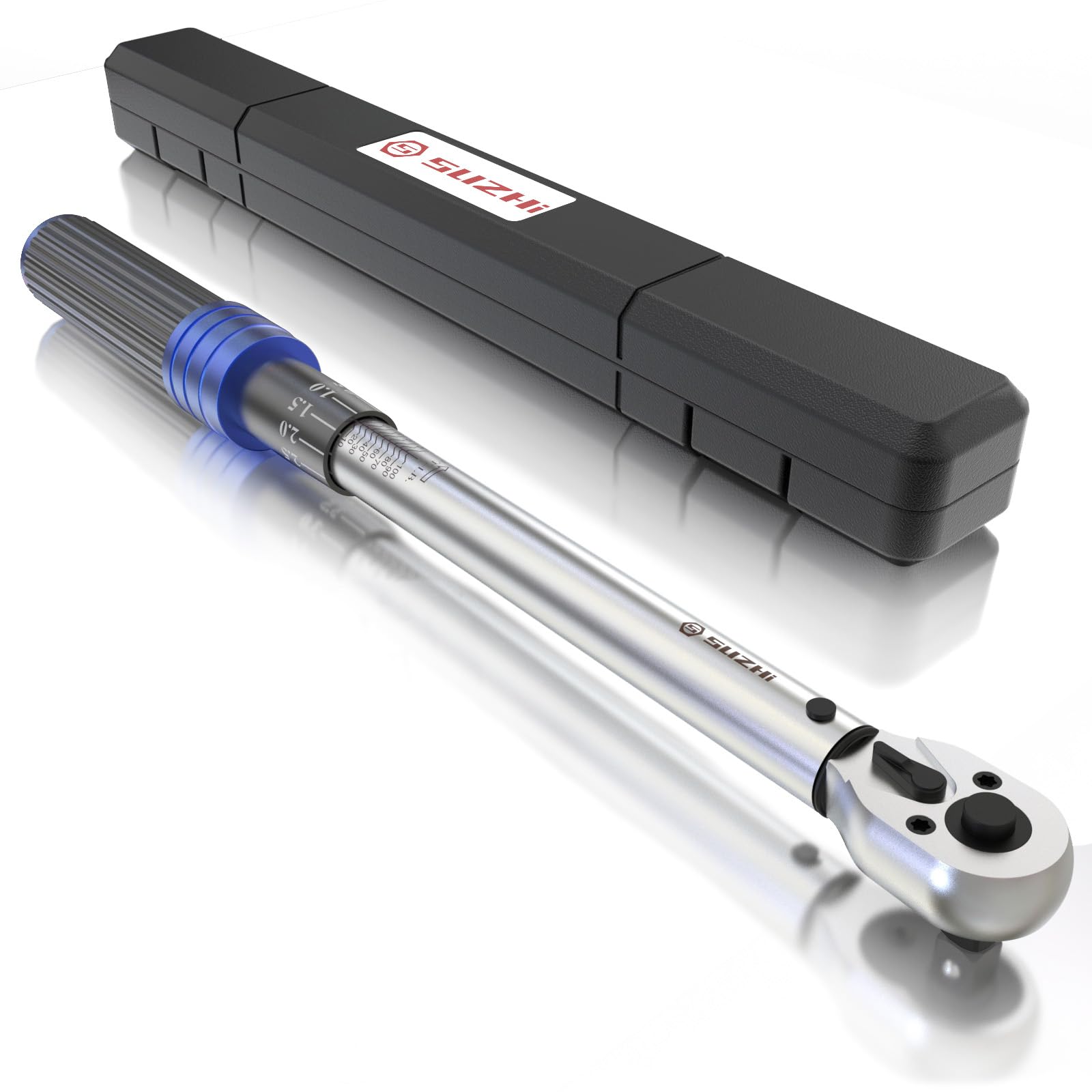
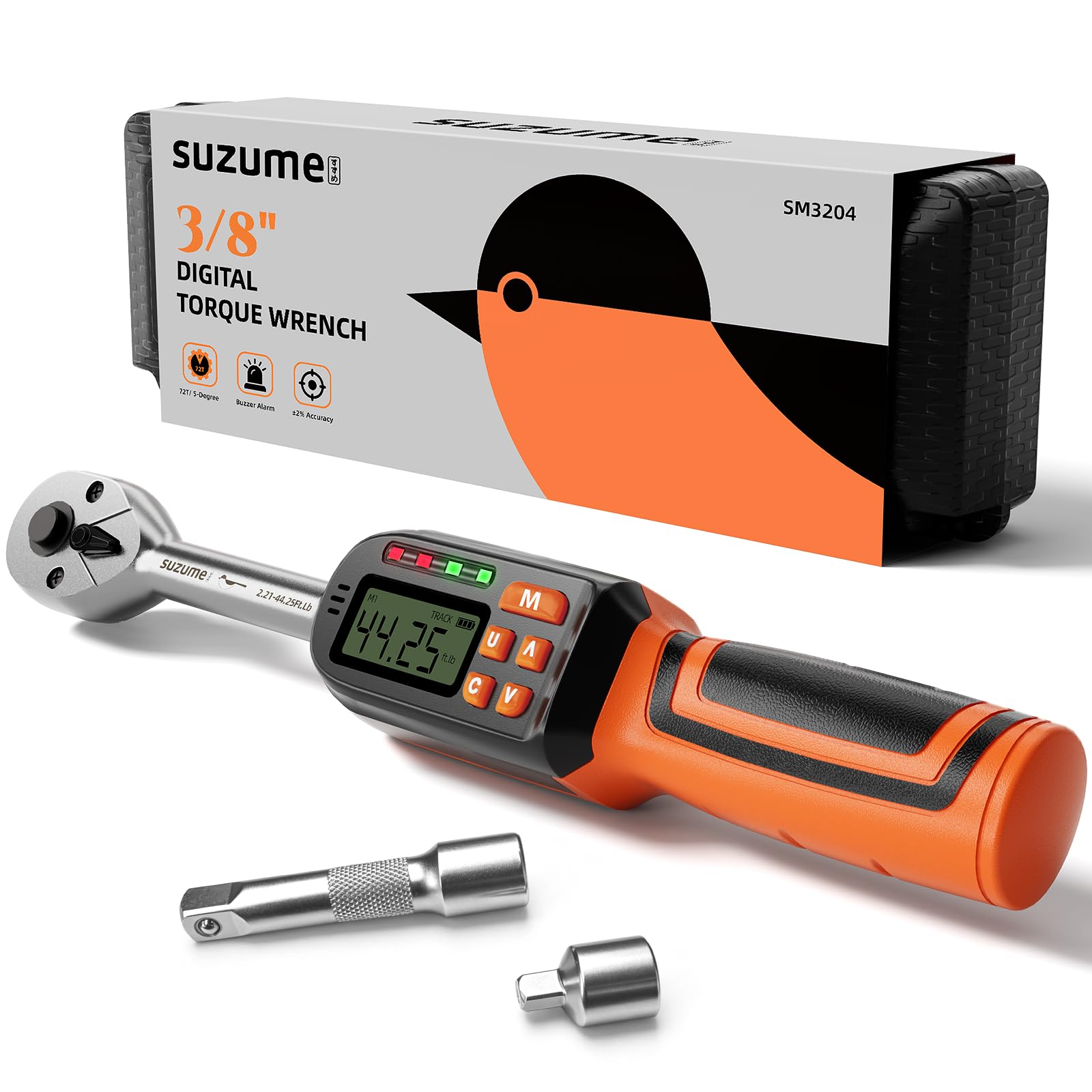
Click wrenches signal with a felt and heard snap at the set torque, and they dominate this size for good reason: fast, rugged, and affordable. Digital models display the value, beep and light near the target, and often store readings, which helps in dark engine bays, but they cost more and need batteries. Beam wrenches are the simplest and hold calibration almost forever, yet reading a pointer while you pull at an awkward angle is genuinely hard under a vehicle.
Scale Readability and Dual Units
You will set this tool hundreds of times, so the scale deserves scrutiny. Laser etched markings that survive oily hands beat printed scales that fade, and a locking collar that cannot drift mid pull protects the setting. Dual scales in foot pounds and Newton meters save conversion errors when a manual lists metric specs, as many motorcycle and import car manuals do. A window style readout on digital models removes squinting entirely.
Head Size, Ratchet Quality, and Length
A slim ratchet head reaches recessed bolts that a bulky head cannot, and fine teeth, around 72 or more, let you work in the short swings that engine bays allow. Length controls leverage: most 3/8 wrenches run about 12 to 15 inches, enough for 80 foot pounds without strain. A flex head helps on angled fasteners but adds a pivot that can flex under load, so fixed heads remain the accuracy first choice.
Using a 3/8 Inch Torque Wrench Correctly
Set the wrench, then pull smoothly with your hand centered on the grip, because pushing on the head or the middle of the handle changes the applied torque. Stop the instant a click wrench clicks; continuing to pull after the click adds torque the fastener never asked for. Work in steps on critical parts, tightening in the pattern the manual specifies at partial torque first, then full torque. Never use the wrench to loosen bolts, and never extend the handle with a pipe, since both abuse the mechanism and void any claim to accuracy.
Common Mistakes to Avoid
- Storing a click wrench at a high setting, which fatigues the spring and drifts calibration low over time.
- Using the bottom tenth of the range for spark plugs, where readings are least reliable.
- Pulling past the click out of habit, adding unknown torque to every fastener.
- Breaking bolts loose with the torque wrench, which shocks the mechanism it depends on for accuracy.
- Skipping the manual torque pattern on heads and manifolds, so parts warp even at correct final torque.
- Trusting a dropped wrench without rechecking it, since one fall onto concrete can shift calibration.
How to Make Your 3/8 Inch Torque Wrench Last Longer
Storage is nine tenths of torque wrench care. Wind click models back to their lowest marked setting before they go in the case, keep the case somewhere dry and off the cold floor, and never toss the wrench into a general tool drawer. Wipe the handle and head after use so oil does not attack the grip or scale markings. Plan on a calibration check every year or two in regular use, or sooner after any drop; many owners mark the check date on a label inside the case. A wrench treated this way holds its accuracy for a decade or more.
FAQ
What is a 3/8 inch torque wrench used for?
It covers mid range fasteners, roughly 10 to 80 foot pounds, which includes spark plugs, intake and valve cover bolts, brake caliper hardware, water pumps, and many motorcycle and small engine fasteners. This is the busiest band in general mechanical work. Jobs below it need a 1/4 inch wrench, and lug nuts and large suspension bolts sit above it in 1/2 inch territory.
Are 3/8 inch torque wrenches worth it?
Yes, if you do your own engine, brake, or bike maintenance, because guessed torque is the root cause of both leaks and snapped bolts. One avoided stripped spark plug hole pays for the tool. If your wrenching stops at oil changes and tire rotations, a 1/2 inch wrench for wheels may be the better first purchase, with this size added when engine work begins.
Can a 3/8 inch torque wrench tighten lug nuts?
Only on smaller cars whose specs fall near the top of its range, and even then it works at its least comfortable extreme. Most lug specs run about 80 to 100 foot pounds or more, which belongs to a 1/2 inch wrench with headroom to spare. Running any torque wrench at its maximum for every wheel invites early wear and borderline accuracy.
How often does a 3/8 inch torque wrench need calibration?
A common guideline is every 12 months or about 5,000 clicks in professional use, and every year or two for home mechanics. Drops, storage at high settings, and use as a breaker bar all shorten that interval. If a critical job is coming up and the wrench has an unknown history, a calibration check costs little compared with the engine parts riding on it.
How do you store a click style torque wrench?
Return it to the lowest setting on its scale, not below it, and put it in its case in a dry place. Storing at the lowest marked value relaxes the internal spring without letting parts sit loose. Keep it away from solvents and battery acid fumes, and never store it in a hot vehicle trunk through summer, since heat and vibration both work against calibration.
Final Thoughts
Pick the range that centers your real specs, demand a stated accuracy with a calibration certificate, and store the tool like the measuring instrument it is. Those three habits matter more than brand or style. Set the finalists from the product table above against your service manual numbers, and the best 3/8 inch torque wrench for your garage will be the one whose middle range matches your work. For safety critical fasteners on brakes, wheels, and steering, follow the vehicle manual exactly and have a professional verify the work if you are ever unsure.


