
Best 360 Laser Level in 2026: A Practical Buying Guide
Disclosure: We may earn a commission when you buy through links on this page, at no extra cost to you. As an Amazon Associate I earn from qualifying purchases. Learn more

Tile and room layout work goes faster with the best 360 laser level: compare beam color, accuracy, range, mounts and batteries.
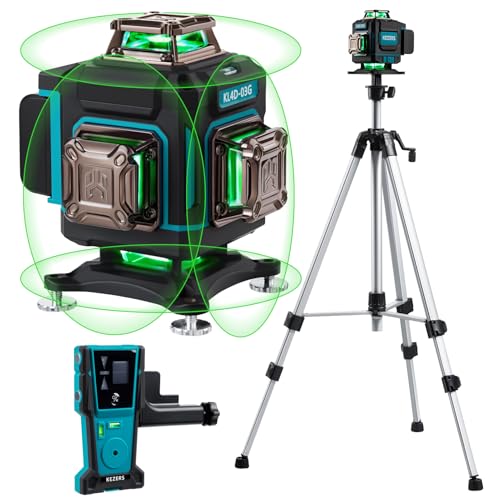
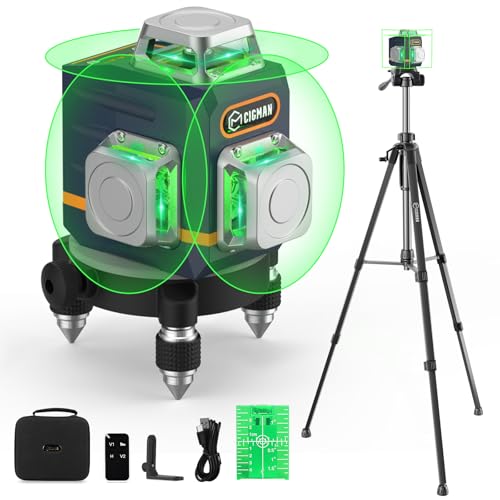
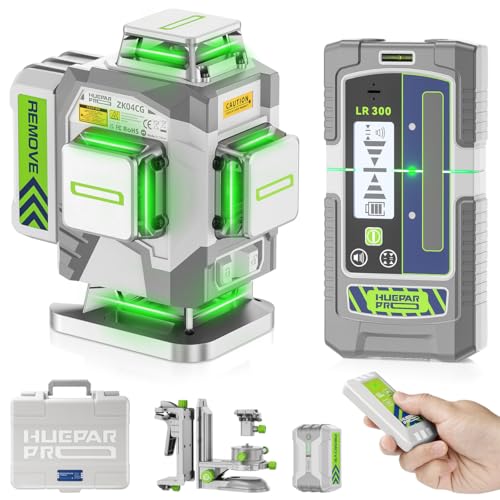
A standard cross line level shows you one wall at a time, so laying out a whole room means moving and rechecking the tool again and again. A 360 level throws a level line around all four walls at once, which changes tile, wainscot, drop ceiling, and cabinet work completely. The best 360 laser level for you depends on your room sizes, how bright your work areas are, and whether you need one plane or several. The comparison table below groups the main configurations so you can see the trade offs quickly.
This guide explains what separates a useful 360 level from a gimmick: beam visibility, accuracy at real distances, self leveling behavior, mounting options, and power. For the wider category, including line and point models, our guide to the best laser level is a good companion read.
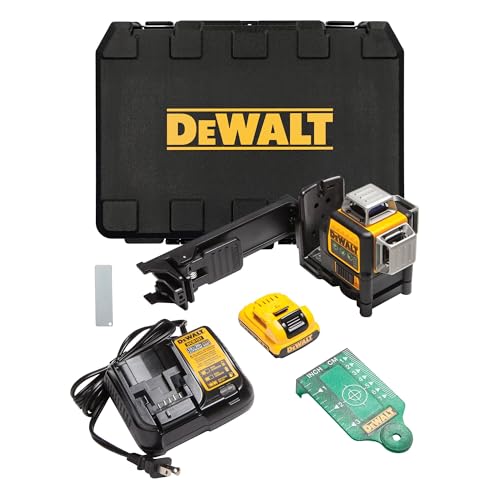
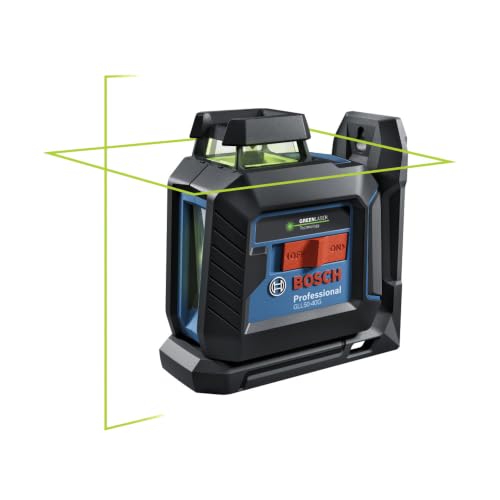
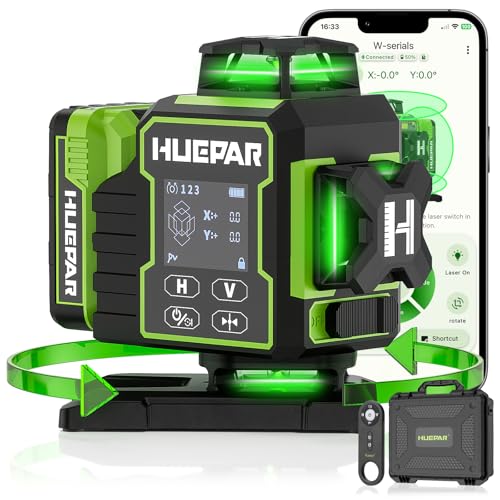
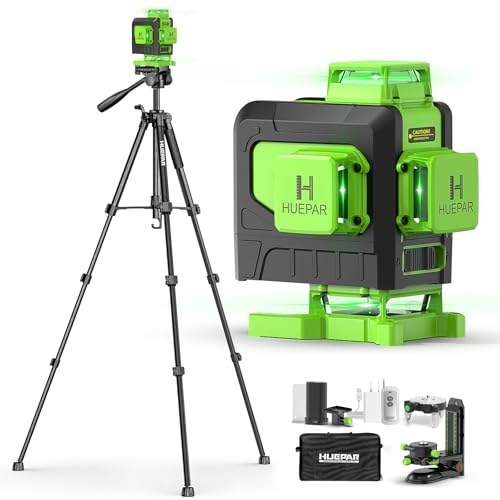


Who Should Buy Which 360 Laser Level?
Tile and Flooring Installers Working Room by Room
Tile layout lives or dies on a level reference that wraps the whole room, because a floor pattern or a shower wall course has to meet itself in the corners. A single horizontal 360 plane covers most of this work, and adding one vertical plane helps you keep grout lines plumb. Choose a green beam model if you work in bright, window lit bathrooms, and check that the housing survives dust and splashes, since thinset and water are constant companions on tile jobs.
Renovators Framing Walls and Drop Ceilings
Framing and ceiling grid work uses the full circle constantly: a level line for top plates and ceiling channels, plus vertical lines for stud layout. A two or three plane model earns its price here, because you can project a floor plan upward or square a partition without moving the tool. Look for a pendulum lock so you can tilt the unit for stair rails and sloped ceilings, and a fine adjustment base that lets you nudge a vertical line onto a mark without bumping the tripod.
Homeowners Doing Whole Room Projects
A homeowner hanging wainscot, chair rail, or a full wall of cabinets gets most of the 360 benefit from a simpler single or dual plane model at a lower price. The full circle means you can walk the room and mark every wall from one setup in the middle, which removes the cumulative error of moving a small level wall to wall. If your projects are mostly single wall tasks like pictures and shelves, the smaller tools in our guide to the best laser level for hanging pictures may be all you need.
Key Features to Compare
Number of 360 Planes and Line Layout
Models offer one, two, or three 360 degree planes. One horizontal plane handles level lines for tile, trim, and ceilings. Adding a vertical plane gives plumb walls and square corners. A third plane, a second vertical at a right angle, lets you lay out square room corners and transfer points from floor to ceiling. Each added plane costs money and battery life, so match the count to your work: more planes only help if your projects actually use them, and unused diodes just drain the pack.
Beam Color and Indoor Visibility
Green beams look brighter to the human eye than red beams at the same power, which makes green the easier choice in sunlit rooms and over longer distances. Red beam models cost less and run longer per charge, and they are perfectly readable in normal indoor light out to about 30 to 50 feet. Neither color is visible in direct outdoor sunlight at distance, so plan on a detector for exterior work regardless of color. For most indoor renovation, green earns its premium in reduced eye strain alone.
Accuracy and Working Range
Accuracy is quoted as a tolerance over distance, commonly around plus or minus 1/8 inch at 30 feet for good consumer models. That figure matters more than the headline range, because an error of 1/4 inch across a tiled room shows up as a lopsided final course. Working range claims of 100 feet or more assume ideal darkness; realistic indoor visibility is shorter, and a pulse mode that pairs with a receiver extends useful range for bright or outdoor jobs. Check both numbers together rather than either alone.
Self Leveling Range and Pendulum Lock
Nearly every 360 level self levels within about plus or minus 4 degrees of true level, flashing its lines when set up beyond that range so you know the line cannot be trusted. That behavior is the core of the technology, and our guide to the best self leveling laser level explains the mechanism in depth. For a 360 model, confirm it also has a lock that freezes the pendulum for angled lines and protects the mechanism in transport, because a free swinging pendulum is the most fragile part of the tool.
Mounting Options and Bases
A 360 level earns its keep only if you can put the beam at the height your job needs. Look for both 1/4 inch and 5/8 inch tripod threads or an adapter, a magnetic bracket for steel studs and beams, and a clamp for poles or lumber. A rotating base with fine adjustment dials is a genuine upgrade for aligning vertical lines, far more useful than another beam mode. Ceiling work also benefits from a lift or a wall mount that holds the unit near the top plate line.
Battery System and Run Time
Power options split into rechargeable lithium packs, removable tool brand battery platforms, and plain AA cells. Multiple bright planes draw real current, so run times range from about 8 hours for a single red plane to much less with three green planes lit. A removable pack you can swap beats a sealed battery on long jobs, and USB charging suits homeowners who lack a tool platform. Carry a spare set either way, because a 360 level with a dead battery is just an expensive paperweight.
Setting Up a 360 Laser Level for a Room Layout
Place the level near the center of the room on a stable tripod, roughly at the height of the line you need, and let it settle until the lines stop flashing. Mark the line on each wall at the corners first, since corner marks reveal any error before you commit to a full layout. Rotate your body, not the tool, as you mark around the room, and recheck the first mark at the end to confirm nothing shifted. For outdoor or bright work like siding layout, pair the level with a receiver as described in our guide to the best outdoor laser level. Keep the tripod legs clear of foot traffic, because one bump invalidates every mark you made.
Common Mistakes to Avoid
- Buying three planes for single wall jobs, paying more and draining batteries faster for lines you never switch on.
- Trusting the line while it is flashing, which means the tool sits outside its self leveling range and the line is not level.
- Setting the tripod on a springy floor or near a door path, so footsteps shift the setup mid layout.
- Expecting any beam color to show in direct sunlight, then blaming the tool instead of using a receiver.
- Transporting the level with the pendulum unlocked, letting the mechanism bang around and drift out of calibration.
- Never checking calibration, so a slow drift turns into a visibly sloped tile course months later.
How to Make Your 360 Laser Level Last Longer
Treat a laser level like the measuring instrument it is. Always engage the pendulum lock before moving or storing it, wipe dust off the diode windows with a soft dry cloth rather than a shirt sleeve, and keep the unit in its padded case instead of loose in a tool bucket. Store batteries partly charged and out of hot vehicles. Check calibration every few months by marking a line, rotating the tool 180 degrees, and confirming the line returns to the same mark; a gap between the marks tells you the tool needs service. Keep the tripod threads clean so grit does not grind them down.
FAQ
Is one 360 plane enough, or do you need three?
One horizontal plane covers level lines for tile, trim, ceilings, and most homeowner projects. Add a vertical plane if you frame walls, hang cabinets that must be plumb, or lay out square corners. Three planes mainly pay off for pros doing full room layout daily. Buying planes you never light only costs money and run time.
How accurate is a 360 laser level across a large room?
A good consumer model holds about plus or minus 1/8 inch at 30 feet, which is tight enough for tile, trim, and cabinetry. Accuracy worsens with distance, so for a 40 foot space, set the tool near the middle and work outward to halve the error. Checking the line against a water level or a long spirit level on critical runs is cheap insurance.
Can a 360 laser level be used outdoors?
Only with a laser receiver, because sunlight washes out both red and green beams within a few feet. In shade or at dusk you may see a green line at short range, but a detector in pulse mode is the reliable method for grading, fences, and siding. Confirm the model you buy has a pulse or outdoor mode before counting on receiver use.
What is the difference between a 360 laser level and a rotary laser level?
A 360 line level projects fixed planes from diodes and suits indoor room work at short to medium range. A rotary laser spins a single beam to draw a line over much longer distances and is built for outdoor grading and foundation work with a receiver. Rotary tools cost far more, so homeowners and most trades working indoors are better served by the line based 360 design.
How do you check the calibration of a 360 laser level?
Set the level about 10 feet from a wall, mark the line, then rotate the tool 180 degrees without moving its base and mark again at the same spot. If the two marks differ by more than the rated tolerance for that distance, the tool needs adjustment or service. Run this check after any drop, however minor it seemed.
Final Thoughts
Count the planes your projects truly use, pick the beam color that matches your lighting, and insist on a pendulum lock and a decent mount. Those decisions separate a tool you will reach for weekly from one that gathers dust, and the product table above sets the configurations side by side. Find the best 360 laser level for your room sizes and work style, and layout stops being the slow part of the job. Prices and availability can change, so check the product page before ordering.


