
Best 5 Inch Angle Grinders for 2026: A Buying Guide
Disclosure: We may earn a commission when you buy through links on this page, at no extra cost to you. As an Amazon Associate I earn from qualifying purchases. Learn more

See what the best 5 inch angle grinder adds over smaller sizes, from deeper cuts and longer disc life to the power and weight trade offs to check.
A 5 inch grinder looks like a small step up from the common 4 1/2 inch size, yet that extra half inch of disc changes cutting depth, disc life and the kind of work the tool suits. Finding the best 5 inch angle grinder means deciding whether those gains matter for your jobs, then checking power, guard design and disc supply. This guide breaks down the size honestly, including where it adds nothing.
Below you will find who benefits from the larger disc, the features that matter in this size, and how the 5 inch class compares with its smaller and larger neighbors. The comparison table below summarizes the main classes, and the FAQ covers sizing, lifespan and care. All prices are approximate, since grinder pricing shifts with promotions and whether a kit includes batteries or a case.

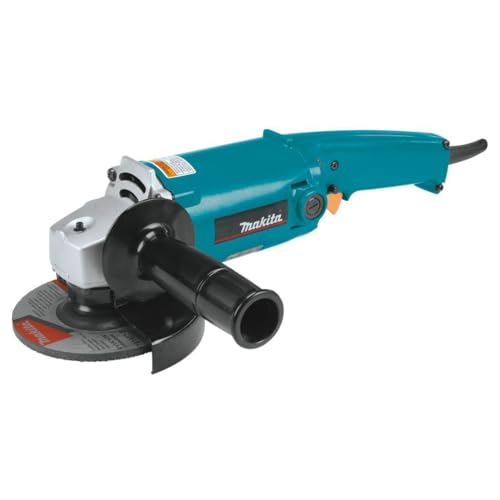


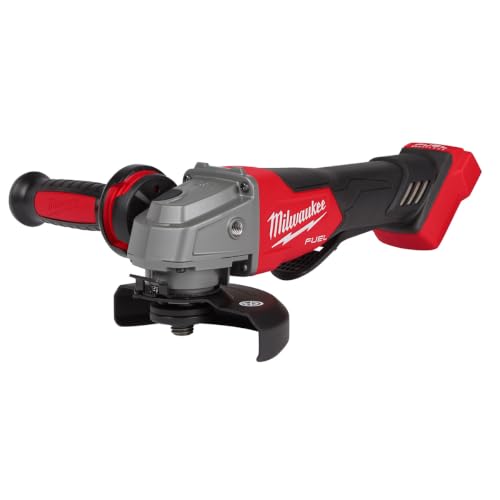


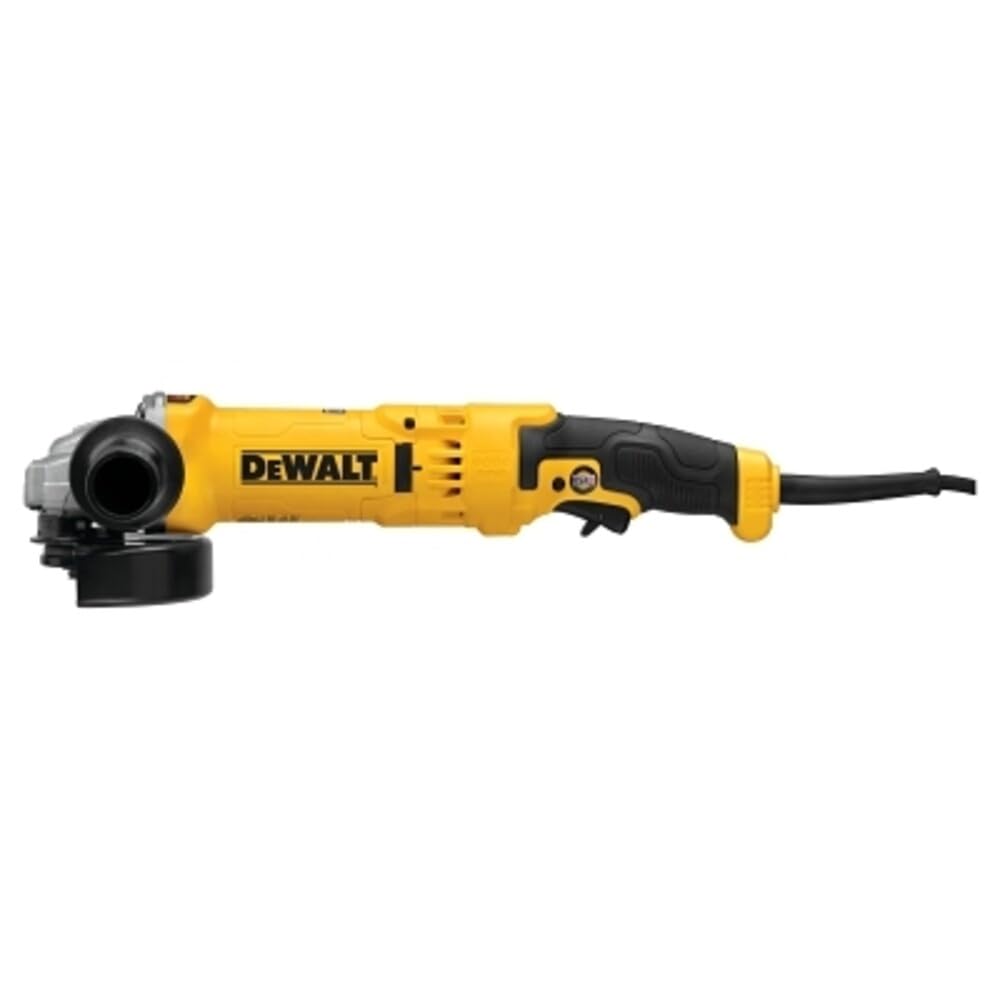
Who Should Buy Which 5 Inch Angle Grinder?
Welders and Fabricators Working Thicker Stock
If you regularly cut and grind plate, square tube and structural steel, the deeper cut and longer disc life of this size repay its extra weight. A 5 inch flap disc covers more surface per pass during blending, and grinding wheels last noticeably longer before shrinking below useful diameter. Look for a corded model around 11 to 13 amps or a high output cordless platform tool. Shops that grind for hours should also weigh the best corded angle grinder class, since cordless runtime fades quickly under grinding loads.
Masonry and Concrete Users Scoring and Cutting
Scoring control joints, cutting pavers and trimming concrete block are natural 5 inch jobs, because the extra disc depth over the 4 1/2 inch size often finishes a cut in one pass. Diamond blades in this size are stocked for both dry and wet cutting, and dust shrouds are widely available. A model with strong dust sealing around the bearings lasts longer in concrete dust, which is brutally abrasive. If most of your cutting is deep concrete, compare against a dedicated concrete saw before assuming a grinder is the right tool.
Pros and Serious DIYers Replacing a Worn 4 1/2 Inch Tool
Owners stepping up usually want one tool that covers their old jobs plus thicker material. This size still handles small cutting with the right disc, so it can serve as a main grinder rather than a second specialty tool. Choose a slim body if you do detail work, since some 5 inch models share housings with larger 6 inch tools and feel bulky. Check that your existing 4 1/2 inch accessories plan gets replaced too, because discs and guards do not transfer between sizes.
Key Features to Compare
Cutting Depth and Disc Economics
A fresh 5 inch disc cuts roughly 1 5/8 inches deep, against about 1 1/4 inches for the 4 1/2 inch size, which is the single biggest reason to buy this class. That depth finishes 1 1/2 inch tube and many pavers in one pass instead of two, saving time and keeping cuts straighter. Larger discs also wear down more slowly in diameter terms, so each disc delivers more cuts before it shrinks too small. The trade off is price per disc and a smaller selection at some stores, covered in the sizing section below.
Motor Output for Sustained Grinding
This class rewards power, because its users grind more than they cut. Corded models run about 10 to 13 amps, and that output holds disc speed when a flap disc is pressed hard into a weld. Cordless 5 inch grinders sit on the stronger 18 volt platforms, often with brushless motors, and they consume large batteries quickly under load. If your work is mostly long grinding sessions at a bench, corded stamina wins. If your work is scattered cutting across a site, cordless freedom wins and the amp question becomes a battery size question.
Speed Rating and Disc Compatibility
Most 5 inch grinders are rated around 10,000 to 11,000 RPM, and every disc must carry a maximum speed at or above the tool rating. The fitting is the same 7/8 inch arbor common to smaller grinders, so flanges and nuts feel familiar. The catch is stock: some hardware stores carry a thin range of 5 inch discs compared with the wall of 4 1/2 inch options, so confirm your store or supplier stocks the cutoff wheels, flap discs and diamond blades you use. Buying a size your disc supplier barely supports is a quiet, recurring frustration.
Guard, Switch and Kickback Control
Look for a guard you can reposition without tools, because a 5 inch disc throws a wider spark stream and guard angle matters more. Paddle switches are common on trade models in this size and suit glove use on sites. Better cordless models add electronic kickback braking, which stops the disc fast when it binds in a cut, a feature worth having as disc size and torque grow. Restart protection is also valuable on corded tools used with generators and long extension cords, where power interruptions are routine.
Size, Weight and Handling
Expect about 5 to 7 pounds depending on power source and battery. That is manageable two handed, yet noticeably tiring overhead compared with the 4 1/2 inch size. Gear head height matters for flush cutting against floors and walls, and slimmer gear heads reach tighter spots. A two position or three position side handle helps you set up for vertical and horizontal work. If most of your grinding is small welds on a bench, the extra size may feel clumsy, which is why honest sizing, covered next, matters more than chasing the bigger number.
Is the 5 Inch Size Right for Your Work?
Choose this size when your cutting list includes stock thicker than about 1 1/4 inches, when you grind enough that disc life affects your consumable budget, or when you score concrete and pavers often. Stay with the smaller size when your work is thin metal, tile and occasional cutting, since the lighter tool is easier to control and its discs cost less. Step up to 6 or 9 inch tools for deep concrete cuts and heavy demolition. The full best angle grinder category lays the sizes side by side, and metal specialists can compare this class in our best angle grinder for metal guide before buying.
Common Mistakes to Avoid
- Fitting worn down 5 inch discs onto a 4 1/2 inch grinder to use them up, which unbalances guards and invites mistakes.
- Assuming 5 inch discs are stocked everywhere, then finding your local store carries only two types.
- Buying this size for delicate tile work, where the heavier tool chips edges the smaller size would spare.
- Ignoring the disc speed rating when borrowing discs from a slower rated polishing tool.
- Skipping kickback protection on a first powerful grinder, even though binds happen more as discs grow.
- Running thin cutoff wheels at an angle, so the larger disc flexes and sheds segments; speed control users should see the best variable speed angle grinder options for delicate work.
How to Make Your Angle Grinder Last Longer
Concrete and masonry dust destroy bearings faster than metal dust, so blow the vents out after every dusty session and store the tool in a closed case. Match disc diameter to the guard the tool shipped with, since oversize discs overload the motor at startup. Let the tool wind down fully before setting it on a bench, because a spinning disc dragged across steel damages both. Inspect the flange and lock nut for burrs that keep discs from seating flat, and dress or replace them when seating feels rough. On cordless models, avoid running packs completely flat during grinding, which stresses cells under the highest loads a battery sees.
FAQ
What is the best 5 inch angle grinder?
For most buyers, the best choice combines an 11 amp class corded motor or a strong brushless cordless platform with a tool free guard, a paddle switch and a slim gear head. Fabricators should prioritize sustained power, while masonry users should prioritize dust sealing and shroud fit. Use the product table above to compare classes against your heaviest regular job. The right answer changes with use: a site cutter and a bench grinder are different tools wearing the same disc size.
What size angle grinder do I need?
Let material thickness decide. Choose 5 inch when you often cut stock between about 1 1/4 and 1 5/8 inches deep, grind plate regularly, or score pavers and block. Choose 4 1/2 inch for thin metal, tile and light work where control matters more than depth. Choose larger sizes for deep concrete and demolition. Also factor in disc supply near you and whether the tool will be your only grinder, since a single grinder in this middle size is a reasonable compromise for mixed work.
How long does an angle grinder last?
With vent cleaning and sane loads, a quality 5 inch grinder serves trade users for years and home users far longer. Bearings and brushes are the usual wear points, and concrete dust shortens both dramatically when cleaning is skipped. Switches also wear on tools that start and stop hundreds of times a day. Keeping discs balanced and correctly seated reduces vibration, which is a slow killer of bearings, so small habits during disc changes have an outsized effect on lifespan.
Is an angle grinder worth it in this size?
Yes, if your work regularly exceeds the depth or disc life of the 4 1/2 inch size. The upgrade pays for itself in fewer two pass cuts and longer lasting discs on thicker stock. It is not worth it as a status upgrade for light work, where the heavier body and pricier discs only add cost and fatigue. Honest sizing is the whole decision here: list your five most common cuts, check their depths, and let that list pick the size.
How do you clean an angle grinder?
Disconnect power, remove the disc, and blow dust from the vents, guard and gear head area with dry air. Concrete dust deserves extra attention, so clean after every masonry session rather than weekly. Wipe the housing with a dry cloth and check that the guard clamp still grips firmly after cleaning. Inspect the disc flange faces for embedded grit, since a single grain under a disc can tilt it and cause vibration. Never use water or solvent sprays inside the vents.
Final Thoughts
The 5 inch class earns its place when depth and disc life are real limits in your work, not as a default upgrade. Weigh power for grinding, confirm local disc stock, and pick the switch and guard setup you will actually use safely. With those boxes checked in the product table above, the best 5 inch angle grinder for your shop will feel like a tool sized to your jobs instead of a compromise. Prices and availability can change, so check the product page before ordering.


