
Best Bosch Angle Grinders of 2026: Which Model Should You Buy?
Disclosure: We may earn a commission when you buy through links on this page, at no extra cost to you. As an Amazon Associate I earn from qualifying purchases. Learn more

Bosch builds slim grip, variable speed and cordless 18V angle grinders. Compare the classes by switch type, wheel size and duty level before buying.
Bosch sells more grinder variations than almost any other brand, from slim barrel models for one handed control to large two handed machines for deep cuts. Finding the best bosch angle grinder means sorting those classes by your material, your grip comfort and how many hours a week the tool will run. The product table lists models from across the lineup so the differences are easy to see.
This guide explains the Bosch range in plain terms: which classes suit metal fabrication, which suit masonry and tile, and which features are worth paying for. You will not find model by model reviews here, just the buying logic that helps you land on the right class the first time.


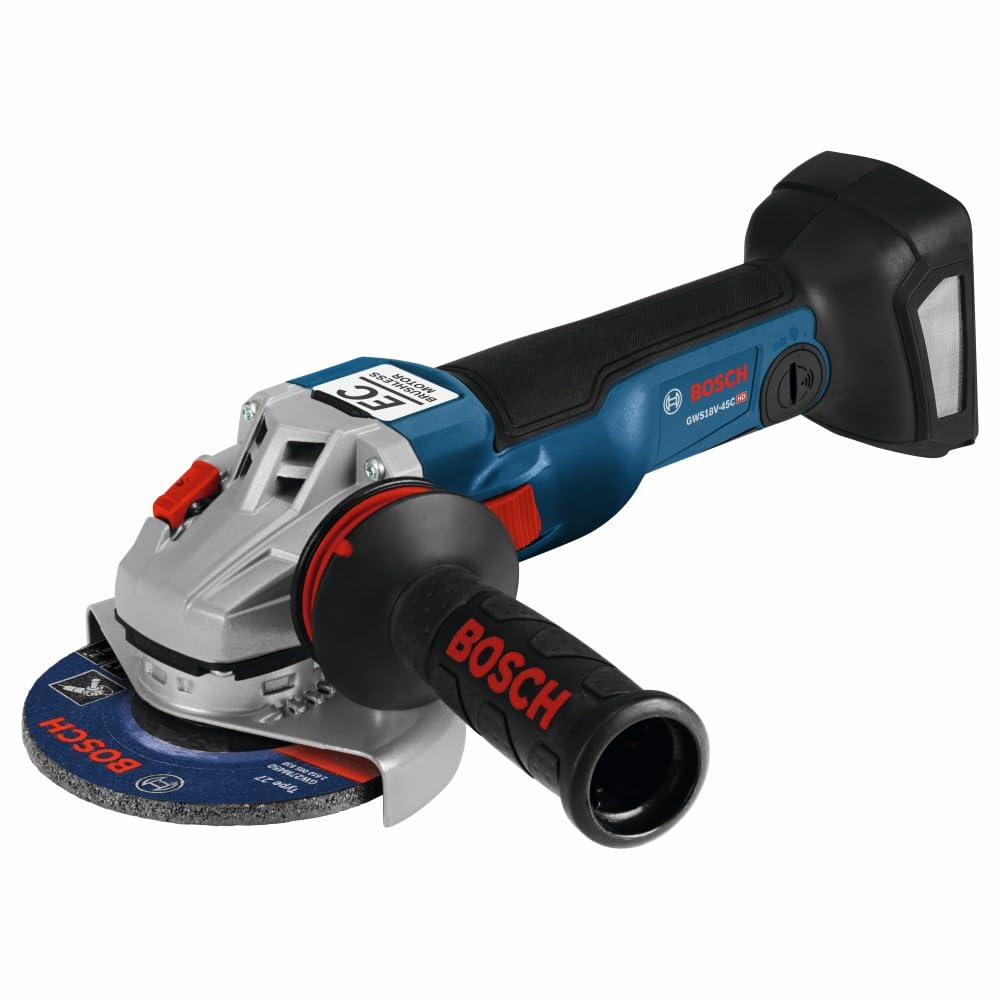

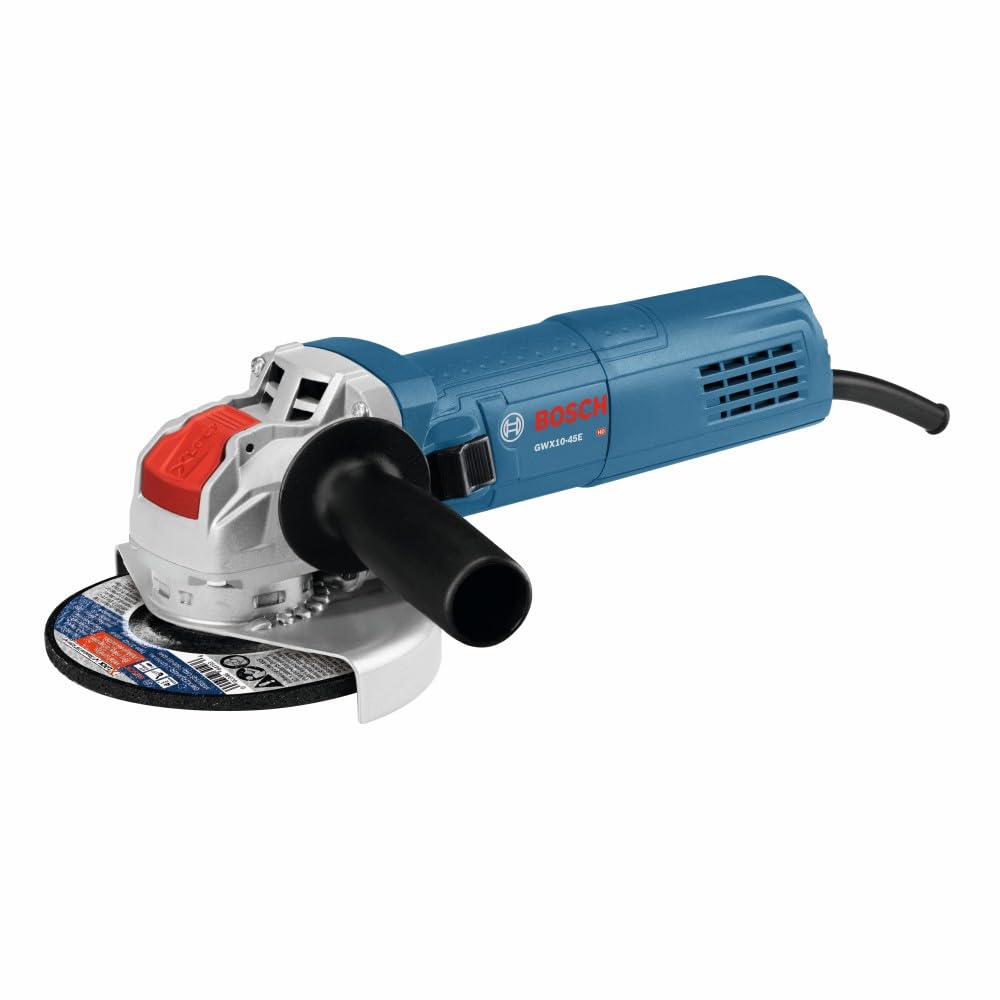
Who Should Buy Which Bosch Angle Grinder?
Metal Fabricators and Welders
If you prep steel, dress welds and cut stock daily, look at the higher amp corded classes with paddle switches and strong dust sealing. You need a grinder that holds speed when a flap disc leans into a weld, plus a slim grip for control around joints. A variable speed class also helps, because wire wheels and surface conditioning discs run best below full speed.
Tile Setters and Masonry Workers
If your work is cutting tile, stone and pavers, the 4 1/2 to 5 inch classes with a paddle switch and good guard coverage fit best. You change wheels often between diamond blades and grinding cups, so a fast wheel change system saves real time across a day. Cordless 18V classes suit punch list work and cuts far from an outlet.
Home Workshop Users Who Want One Long Lasting Tool
If you want one grinder that outlives several project cycles, the mid amp corded classes are the sweet spot. They cost more than budget tools, often about $80 to $150, but bearings, switches and gear heads are built for years of service. Occasional users who cut a few bolts a year can stay with the entry corded class and spend the savings on quality wheels.
Key Features to Compare
Amp Rating and Sustained Power
Corded Bosch grinders range from compact 6 amp classes up to 13 amp plus machines, and the rating predicts how the tool behaves under load. Light amps are fine for cutting and sharpening, but grinding welds or cutting thick steel calls for the upper range so the wheel does not slow and overheat the work. Match the amp class to your hardest regular job, not your easiest one.
Variable Speed Control
A speed dial lets you slow the wheel for wire brushes, polishing pads and delicate materials that full speed would damage or grab. It also extends wheel life on some abrasives. If you mostly cut steel at full throttle, a single speed class is simpler and cheaper. Readers comparing across brands can see how the best variable speed angle grinder classes differ in dial range and load response.
Switch Style and Safety Systems
Bosch offers slide switches, lock on switches and paddle switches, and the choice is a safety decision as much as a comfort one. Paddle switches stop the tool when your grip releases, which matters during kickback. Some higher classes add restart protection, so the tool will not spin up on its own after a power cut, and electronic clutch systems that reduce kickback when a wheel binds in the cut.
Wheel Size Classes
The 4 1/2 inch class is the all rounder: light, precise and stocked everywhere. A 5 inch class adds depth of cut with slightly more weight, while 6 inch classes bridge into heavier stock removal. The 7 and 9 inch classes are two handed tools for deep masonry cuts and serious grinding, and they are overkill for most home users. Wheel availability in your size should guide the choice as much as the tool itself.
Grip Shape and Vibration Control
Bosch is known for slim barrel grips that suit smaller hands and long sessions, and many classes add vibration damping in the main and side handles. Lower vibration means cleaner cuts and hands that still feel fresh after an hour of grinding. If you can, hold the class you are considering: grip diameter is a personal fit item that spec sheets cannot settle for you.
The Bosch Angle Grinder Lineup Explained
Think of the lineup as three tiers. Entry corded classes cover home and light trade cutting. Mid range corded classes add amps, better sealing against dust, and options like variable speed. The professional tier adds electronic safety systems, the fastest wheel change designs, and the 18V cordless classes that run on the same batteries as Bosch drills and saws.
Most Bosch grinders use the standard 5/8 inch arbor, so wheels from any major brand fit; a smaller set of classes uses a click in wheel system for bare handed swaps, which needs matching wheels. For a wider view of the market, our guide to the best angle grinder classes compares Bosch tiers with rival brands, and the best angle grinder for metal guide goes deeper on fabrication needs.
Common Mistakes to Avoid
- Buying a large 7 inch class for general work, which adds weight and cost while making detail cuts clumsier.
- Ignoring the switch type, then fighting a lock on switch during a kickback when the tool should stop.
- Running wire wheels at full speed on a single speed grinder, which throws wires and shortens brush life.
- Choosing a click in wheel class without checking local wheel stock, which can leave you waiting on special orders.
- Skipping dust protection classes for masonry work, which lets abrasive grit shorten bearing and switch life.
How to Make Your Bosch Angle Grinder Last Longer
Tap or blow the dust out of the intake vents after every masonry or concrete session, because abrasive dust is the top killer of grinder motors. Keep the gear head grease in mind on older tools: if the head runs hot or noisy, a service visit costs far less than a new grinder. Store the tool in its case so the cord and guard are not crushed under heavier gear.
Use wheels matched to the material and let them cut at their own pace. Forcing a dull wheel overheats the motor and glazes the abrasive, so swap wheels earlier than you think. On cordless classes, avoid draining packs completely during heavy grinding, and let hot batteries cool before charging. A quick wipe of the spindle threads keeps the flange nut moving freely.
FAQ
Which Bosch angle grinder should you buy first?
Start with a 4 1/2 inch corded class with a paddle switch and mid range amps. That combination covers cutting, grinding and sharpening for nearly every home and light trade task, and it costs less than the cordless route. Add a variable speed or cordless class later only when a specific job, like wire wheel work or remote cutting, asks for it.
Is Bosch a good angle grinder brand?
Yes, Bosch is one of the longest established grinder makers, with a reputation for slim grips, strong motors and good parts support. The range spans homeowner to industrial classes, so quality scales with price tier rather than being uniform. Wheels and accessories follow industry standards, which keeps running costs low. For buyers who keep tools for a decade, the mid and upper classes are a safe bet.
How long does a Bosch angle grinder last?
In trade use, a mid range Bosch grinder commonly runs for years of daily work before it needs brushes, bearings or a switch. Home users often get a decade or more from the same class. Longevity depends most on dust control and on not forcing dull wheels. Cordless models follow the same pattern, with battery packs aging out before the tool itself in most cases.
Are Bosch angle grinder wheels and parts easy to find?
Standard arbor Bosch grinders accept wheels from any major abrasive brand, and you will find them at any hardware store. Replacement guards, flanges and side handles are widely stocked for common classes. The exception is the click in wheel system, whose wheels come from a narrower set of suppliers. If wheel choice matters to you, confirm the arbor style before you buy the tool.
How do you clean a Bosch angle grinder?
Disconnect power, remove the wheel, and blow dry air through the vents and around the gear head. Wipe the housing with a dry or slightly damp cloth and check that the guard still locks firmly at each detent. Do not use solvents on the housing or oil on the spindle, because both attract grit. Finish by spinning the empty arbor by hand to feel for rough bearings.
Final Thoughts
Bosch rewards buyers who match the class to the work: slim corded models for control, higher amp classes for fabrication, and cordless classes for mobility. Decide your wheel size and switch style first, then pick the tier your workload justifies. The best bosch angle grinder for you is the one you can run all afternoon without fighting it. Compare the classes in the product table, and check the product page before ordering since prices and availability can change.


