
Best Angle Grinders for Metal in 2026: Buying Guide and Safety Tips
Disclosure: We may earn a commission when you buy through links on this page, at no extra cost to you. As an Amazon Associate I earn from qualifying purchases. Learn more

The best angle grinder for metal matches wheel size, power and switch style to your work. Compare features, disc choices and safety points before you buy.
An angle grinder earns its keep in a metal shop because one tool cuts, grinds, strips, and polishes steel with a wheel change. The best angle grinder for metal is the one matched to your wheel size, your metals, and your grip strength, not simply the one with the biggest motor. Too small a grinder bogs down in thick plate and eats wheels; too large a grinder is tiring and clumsy on sheet metal and tight welds. Disc choice matters as much as the tool, and this guide treats them together.
Below you will find the user groups metal grinders serve, the specs that change cutting and grinding results, and the safety points that are not optional with a wheel spinning this fast. The comparison table below groups the main classes. Our broader guide to the best angle grinder covers tile, masonry, and general duty as well.

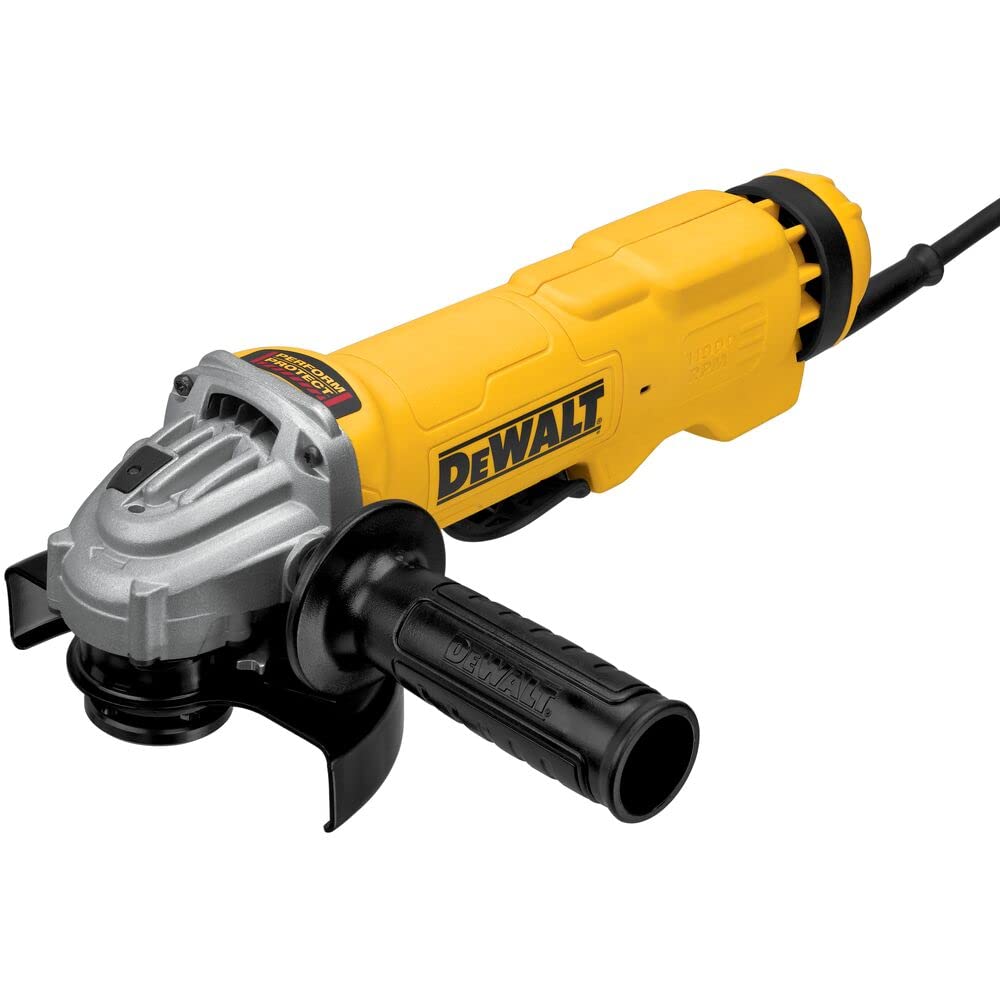
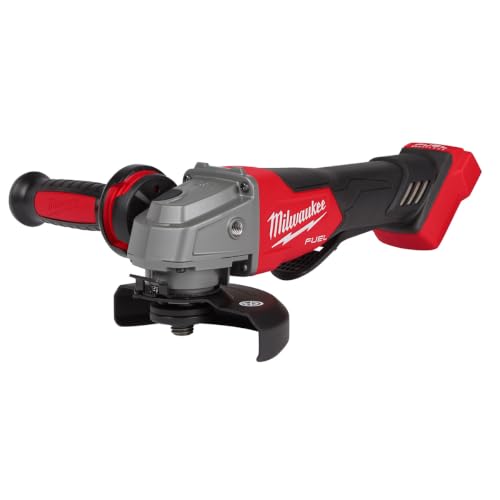
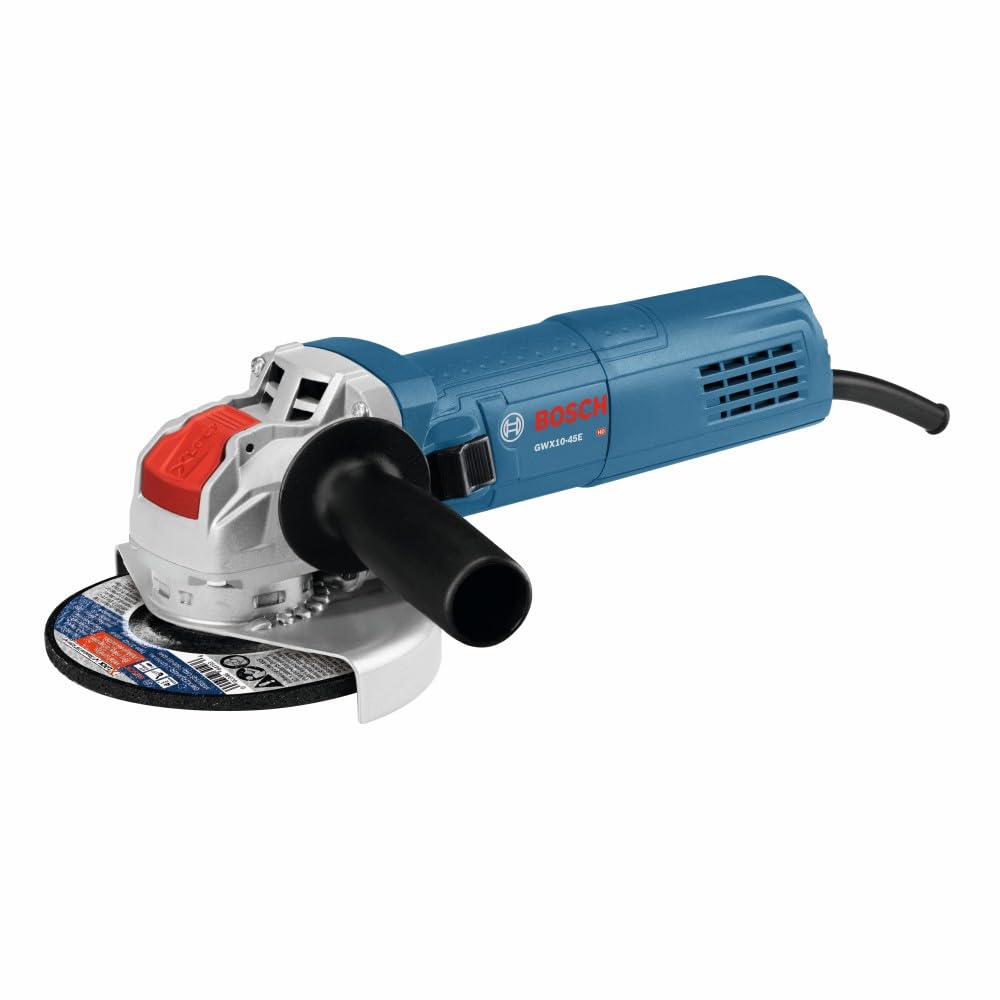


Who Should Buy Which Angle Grinder for Metal?
Metal work splits into three common patterns. Buy for the pattern that fills most of your hours.
Fabricators and Welders Dressing Welds All Day
If you grind welds, bevel plate edges, and cut stock to length daily, you need sustained power and a tool built for hours of vibration. A corded grinder in the higher amp range, or a top tier cordless on a big pack, keeps wheel speed under load. Our guide to the best angle grinder for welding goes deeper on this group. A second, smaller grinder for a flap disc saves constant wheel swaps and is a common pro setup.
Auto and Body DIYers Cutting Bolts and Stripping Rust
Exhaust bolts, rusted fasteners, and body panel rust call for control more than brute force. A compact 4.5 inch grinder with a paddle switch fits under cars and stops the instant you release it, which matters in awkward positions. Variable speed helps you strip paint and rust without gouging the panel. If most of your work is under a vehicle or inside an engine bay, compact size and switch style outrank raw amps.
Homeowners and Farmers Cutting Rebar, Pipe and Angle Iron
Occasional metal cutting around the house and farm rewards a simple, sturdy mid range grinder. You will cut rebar, trim bolts, sharpen mower blades, and slice angle iron for repairs. A 4.5 or 5 inch corded model with a tool free guard covers all of it without battery costs. Runtime is rarely your limit; wheel supply is. Budget for a stock of cutting and grinding discs alongside the tool.
Key Features to Compare
Wheel Size: 4.5, 5 or 6 Inch
Wheel size sets cutting depth and disc availability. The 4.5 inch class cuts about an inch deep, handles nearly every home and auto job, and offers the widest, cheapest disc selection anywhere. A 5 inch grinder adds a little depth and grinding area, while 6 inch models serve mostly as cutting tools for thicker stock. Larger wheels also mean a larger, heavier tool and faster disc wear at the edge. For metal only work, most buyers are happiest starting at 4.5 inch and stepping up only if depth runs short.
Power: Amps, Watts and Speed Under Load
Corded grinders range from about 6 to 13 amps, and the higher figures hold wheel speed when you lean into a grind. Our guide to the best corded angle grinder explains the classes. What you feel in use is torque at the wheel, not the free spin RPM on the box. A grinder that keeps its note steady through a cut is working within its strength; one that slows and growls is eating discs and overheating. Cordless models rate by platform voltage, and big packs matter for grinding, which draws current constantly.
Variable Speed for Stainless, Aluminum and Finishing
Full speed suits carbon steel cutting and grinding, but it discolors stainless, melts loading into aluminum discs, and throws flap disc finish work out of control. A variable speed dial, covered in depth in our guide to the best variable speed angle grinder, lets one tool span rough grinding and careful finishing. If your metal list includes stainless or any polishing, treat variable speed as a requirement. If you only cut mild steel, a fixed speed model is simpler and cheaper.
Switch Type and Restart Protection
Paddle switches stop the wheel the moment your grip loosens, which is the safer pattern for cutting and for work in tight spots. Slide switches stay on hands free and suit long bench grinding, but they keep the tool live if it is dropped or knocked off the bench. Restart protection stops the grinder from spinning up on its own after a power cut when the switch was left on. For metal cutting, where kickback can tear the tool from your hands, the paddle pattern is the wiser default.
Guard, Spindle Lock and Vibration Control
The guard is not an accessory; it is the shield between you and a bursting disc, and a tool free adjustable guard lets you position it for each cut without skipping the step. A smooth spindle lock makes disc changes quick, which encourages changing discs instead of abusing a worn one. Anti vibration handles and a balanced body matter more than buyers expect: grinding sends constant buzz into your hands, and a tool you can hold firmly for twenty minutes cuts straighter than a stronger one you keep putting down.
Matching Discs to Metal Jobs
The best angle grinder for metal still fails with the wrong disc. Thin cutting discs, around 0.045 inch, slice steel fast with a narrow kerf and little heat, but they snap if you twist the tool mid cut. Grinding discs are thick and built for side pressure at an angle, never for cutting slots. Flap discs grind and blend in one step and are the friendly choice for weld dressing and rust. Wire wheels and cups strip paint and corrosion without removing good metal, though they throw wires and demand eye protection. Check that every disc is rated at or above your grinder RPM, and retire cracked or chipped discs without debate.
Storage changes disc life more than brand does. Keep cutting discs flat, dry, and out of the sun, and never use a disc that has been soaked or dropped hard onto concrete. A disc that rings dull instead of clear when tapped has internal damage. Two minutes of disc discipline prevents the most common grinder injuries, which come from wheels breaking apart, not from the steel being cut.
Common Mistakes to Avoid
- Removing the guard to fit a bigger disc, which exposes you fully if that oversize disc bursts.
- Using a cutting disc for side grinding, which loads the thin disc sideways until it shatters.
- Running a disc rated below the grinder RPM, a mismatch that can explode the wheel at startup.
- Cutting with loose clothing, no eye protection, or bare hands in the spark path, where metal work punishes shortcuts fast.
- Forcing a slowing grinder through thick steel, which overheats the motor and glazes the disc edge.
- Setting a still spinning grinder down on the bench, where it can walk, fall, or catch a cord.
How to Make Your Angle Grinder Last Longer
Blow dust out of the vents with dry air after grinding sessions, because metal dust is conductive and abrasive inside a motor. Let the tool spin down and cool during long grinding runs instead of working it hot for an hour straight. Check the cord or battery contacts for nicks, keep spare brushes if your model uses them, and replace a worn gear head grease charge if the maker provides for it. Store the grinder dry with the disc removed or the guard covering the wheel, and keep it out of the damp corners of the shop where bearings rust quietly between jobs.
FAQ
What should I look for in an angle grinder for metal?
Start with wheel size and switch type: 4.5 inch with a paddle switch suits most metal work. Then check power under load, guard adjustment, and whether you need variable speed for stainless or finishing. Finally, confirm the disc types you use are common in that wheel size, because your long term cost is discs, not the tool.
How much should you spend on an angle grinder for metal?
Occasional cutters do well in the lower tier, where basic corded models cost about as much as a tank of fuel. Daily grinders should budget for the upper tier, where better bearings, switches, and vibration control repay themselves in comfort and life. Wherever you land, set money aside for quality discs, because cheap discs cut slowly and break more often.
How long does an angle grinder last?
A home use grinder can last a decade or more, with brushes, switches, and gear heads as the wear points. Metal dust is the main life shortener, so regular blow outs matter. Cordless models shift wear to the battery packs. A grinder that is stored dry, kept clean, and never run stalled will usually outlast two neglected ones of higher price.
How do you clean an angle grinder?
Unplug the tool or remove the pack, then brush and blow out the vents, guard area, and spindle threads. Wipe the body with a dry or slightly damp cloth. Never wash a grinder with water or solvents around the motor. Check the guard latch and spindle lock while you clean, since packed metal dust makes both stiff long before they fail.
What is the best angle grinder for metal?
For most buyers, a 4.5 inch corded grinder with a paddle switch, solid amps, and a tool free guard covers cutting, grinding, and stripping with one purchase. Add variable speed if stainless or finish work is on your list, and go cordless only with a platform you already own. The deciding test is your thickest regular cut and your longest grinding session, not the showroom feel.
Final Thoughts
Metal rewards the buyer who thinks in systems: tool, discs, guard, and protection together. Use the product table above to compare wheel sizes and power classes, then match switch style and speed control to your metals and your positions. Chosen that way, the best angle grinder for metal in your shop will cut clean, grind steady, and stay safe for years.


