
Best Angle Grinders for Welding in 2026: A Complete Buying Guide
Disclosure: We may earn a commission when you buy through links on this page, at no extra cost to you. As an Amazon Associate I earn from qualifying purchases. Learn more
Choose the best angle grinder for welding with this guide to disc size, switches you can use with gloves, variable speed and discs that prep and finish welds.
A welder without a grinder is only half equipped. The same tool that cleans mill scale before the arc also grinds the bead flush afterward, bevels edges for penetration and cuts stock to length. Choosing the best angle grinder for welding means matching disc size, switch style and speed control to that prep and finish work.
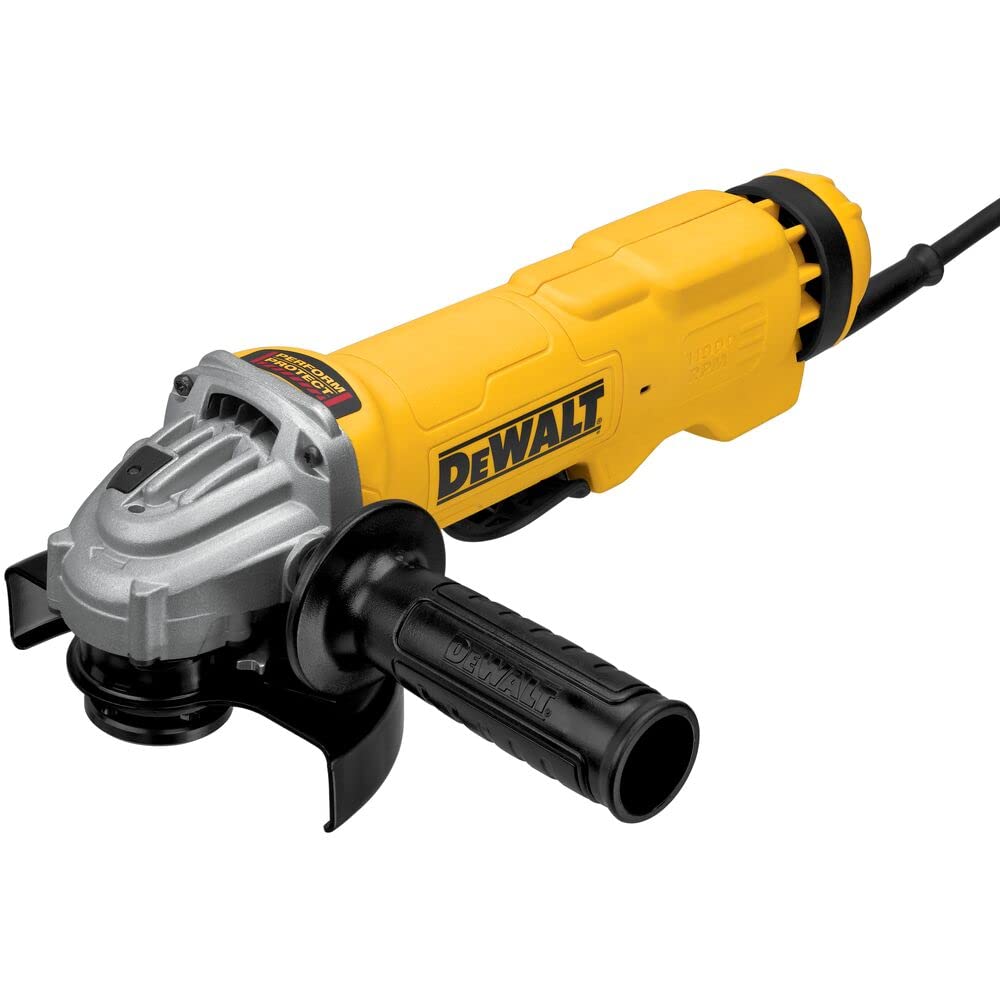
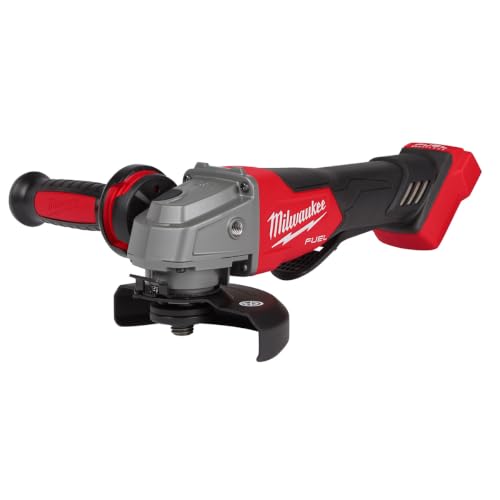
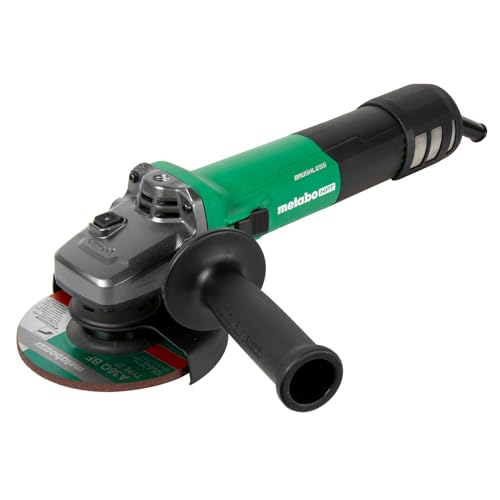
This guide focuses on grinders as welding partners, not as general metal tools. The comparison table below lists the main specs, and the sections after it explain which grinder suits your welding style, how to set it up for each stage of a weld and the disc mistakes that waste money or create hazards.






Who Should Buy Which Angle Grinder for Welding?
Home Welders Prepping Project Steel
If you weld weekend projects from angle iron and tube, one mid power 4 1/2 inch grinder covers nearly everything: cleaning joints, cutting stock and dressing beads. Spend on a paddle switch and a decent side handle rather than maximum amps. Your second purchase should be discs, not a second grinder, because prep quality decides weld quality more than grinder size does at this level.
Farm and Repair Welders Working Away from the Bench
Repair work happens where the machine broke, so a cordless grinder earns its keep even if it never replaces the corded one in the shop. You need enough runtime to clean a joint and cut off a seized bolt, plus a body that shrugs off dust and drops. Many repair welders run one corded and one cordless grinder side by side, with different discs fitted, to avoid constant wheel changes in the field.
Fabricators Grinding Welds Flush All Day
If grinding is half your workday, step up to a 5 or 6 inch grinder with a high amp motor, strong vibration damping and a guard you can reposition without tools. The bigger disc covers flat work faster and lasts longer per wheel, and the heavier body stays calmer during long flush grinding passes. At this volume, two grinders set up for grinding and cutting respectively will save you real time every single day.
Key Features to Compare
Disc Size and Reach
The standard welding grinder takes 4 1/2 inch discs, which fit into corners and along inside angles where beads usually sit. A 5 inch model uses the same accessories family with a little more reach and disc life, while 6 inch grinders cover flat plate faster but feel bulky in tight fabrication work. Depth of cut grows with disc size, which matters when you slice thicker stock. Most welders should start at 4 1/2 or 5 inches and add a larger grinder later only if flat work dominates.
Switch Style You Can Run With Welding Gloves
You will operate this tool wearing thick gloves, often with your helmet up and one hand steadying the work. A paddle switch that stops the motor the moment you release it is the safest and most glove friendly choice, and most welding focused buyers should insist on it. Slide switches that lock on are common on cheaper grinders and are easy to leave running after a drop. Whichever style you pick, practice the grip with gloves on before the first real job.
Variable Speed for Wire Wheels and Flap Discs
Grinding wheels like full speed, but wire wheels and some flap discs do not. Excess speed flings wire bristles and overheats flap disc abrasive, shortening its life and glazing the surface you are cleaning. A variable speed dial, roughly from 3,000 to 11,000 rpm on typical models, lets one grinder handle cutting, grinding and gentle cleaning well. Our best variable speed angle grinder guide explains the speed ranges each disc type prefers.
Power and Duty for Long Grinding Sessions
Prepping a big project means long continuous runs, and that is where motor size and cooling show. Corded grinders from about 7 to 13 amps cover the range; higher ratings hold speed when you lean into a weld bead. Look for vents that exhaust away from your hand and a body that stays grippable as it warms. The advice in our best corded angle grinder guide on matching amps to workload applies directly to welding shops, where corded power still rules the bench.
Guard Adjustment and Handle Positions
Welding work constantly changes your angle of attack, so you will reposition the guard far more often than a casual user. A tool free guard that rotates and locks in seconds keeps you using it instead of removing it, which is the unsafe shortcut to avoid. A side handle that fits both sides and the top position helps for vertical and overhead beads. Anti vibration handles are worth the small premium when grinding sessions run past a few minutes at a time.
Matching Discs to Welding Jobs
Before welding, the job is cleaning: a wire wheel or a flap disc strips mill scale, rust and paint back to bright metal in the joint area, because contaminants cause porous, weak welds. A thin cutting disc, about 0.045 inches thick, handles stock cutting and bolt removal, and it should never be used for side grinding. For beveling plate edges before a full penetration weld, a hard grinding wheel about 1/4 inch thick shapes the bevel quickly.
After welding, flap discs do the finishing: a 40 grit disc knocks a bead down fast, and an 80 grit disc blends it smooth enough for paint. This is the stage where the categories in our best angle grinder for metal guide overlap with welding work most closely. Keep discs sorted by job and retire cutting discs that get thin or chipped, since a damaged disc at full speed is the main hazard in any welding shop.
Common Mistakes to Avoid
- Grinding with the side of a thin cutting disc, which can shatter the disc and throw fragments at speed.
- Running a wire wheel at full speed without checking its rating, which sheds bristles and ruins the wheel early.
- Removing the guard to reach a tight joint, which leaves you exposed exactly where discs most often fail.
- Welding over mill scale because prep felt slow, which causes porosity and weak, ugly beads.
- Using one flap disc grit for every stage, which either wastes time blending or leaves deep scratches under paint.
How to Make Your Angle Grinder Last Longer
Grinding dust is abrasive metal powder, and it is trying to get inside your tool. Blow out the vents with compressed air after heavy sessions, working from the intake side so dust exits rather than packing deeper. Keep spare discs stored flat and dry; a warped or damp disc runs rough and stresses the spindle bearings. Check the cord or battery contacts regularly and let a hot grinder rest between long passes instead of running it to thermal shutdown.
Inspect the spindle lock and arbor nut threads, and replace a guard the moment its clamp loosens, because a guard that creeps is worse than none since you trust it. Store the grinder with no disc fitted or with the guard covering the disc, and keep the side handle attached so the tool is never dropped by its cord. Treated this way, a welding grinder survives years of daily prep and finish work.
FAQ
What is the best angle grinder for welding?
For most welders it is a 4 1/2 or 5 inch corded grinder with a paddle switch, variable speed and power around the middle of the range. That mix handles joint prep, cutting and bead finishing without swapping tools. Fabricators who grind for hours should step up in size and amps, while occasional welders can run a cordless model and accept shorter sessions between charges.
What size angle grinder is best for welding?
The 4 1/2 inch size is the welding standard because it reaches into corners and along fillet joints where beads actually sit, and its discs are the cheapest and most widely stocked. A 5 inch grinder is a fine all round step up for plate work. Save 6 inch and larger grinders for heavy flat grinding, because their bulk works against you in the tight spaces fabrication creates.
What disc should I use to grind a weld flat?
Use a flap disc, starting around 40 grit to level the bead quickly, then 80 grit to blend the surface for paint or further welding passes. Flap discs cut cooler and smoother than hard wheels, so they leave a finish closer to the surrounding metal. Avoid pressing hard to speed the work; let fresh abrasive do the cutting and change discs when the pace drops.
Can I cut and grind with the same disc?
No. Cutting discs are thin and built for edge loads only, so side pressure from grinding can crack and shatter them. Grinding wheels are thick and built for face and side work but cut slowly and overheat the metal. Keep both types in your kit, fit the right one for each task and swap at the spindle, which takes under a minute with a tool free nut.
How long does an angle grinder last in a welding shop?
A trade grade grinder used daily for prep and finishing typically serves for years, with brushes on brushed motors being the main wear item to check and replace. Dust control habits decide most of the lifespan: grinders that get blown out and rested outlast identical tools run hot and dirty. When a grinder starts losing power, vibrating oddly or smelling hot, service it before a small fault becomes a failed motor.
Final Thoughts
The product table above shows the specs, but the right grinder for welding is the one set up correctly when the arc is waiting: paddle switch under your gloved hand, the right disc fitted and a guard you actually use. Choose that combination and the best angle grinder for welding will quietly improve every bead you lay. For the broader category view, our best angle grinder guide covers the full range beyond welding work.


