
Best Corded Angle Grinders: A Buying Guide for 2026
Disclosure: We may earn a commission when you buy through links on this page, at no extra cost to you. As an Amazon Associate I earn from qualifying purchases. Learn more

The best corded angle grinder holds full power through long grinding and cutting sessions. Compare amps, wheel size, switch style and vibration control.
Battery grinders are handy, but grinding is the job that drains them fastest, and a half finished weld cleanup is a bad time to wait on a charger. A corded grinder pulls full power from the wall for as long as you work, costs less for the same output, and never asks you to manage a battery rotation. The best corded angle grinder for your shop comes down to amp rating, wheel size, and switch style, plus how the tool treats your hands during an hour of grinding. Those details decide whether the grinder is a pleasure or a punishment.
This guide stays with corded models only and covers the specs that predict grinding stamina. The comparison table below lines up the classes, and the sections after it explain wheel sizes, disc safety, and cord management for shop and site work.

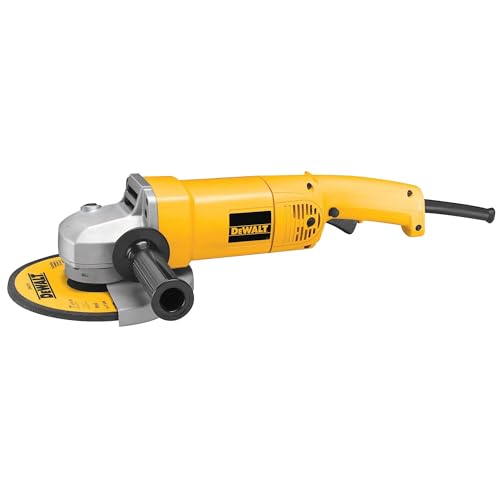


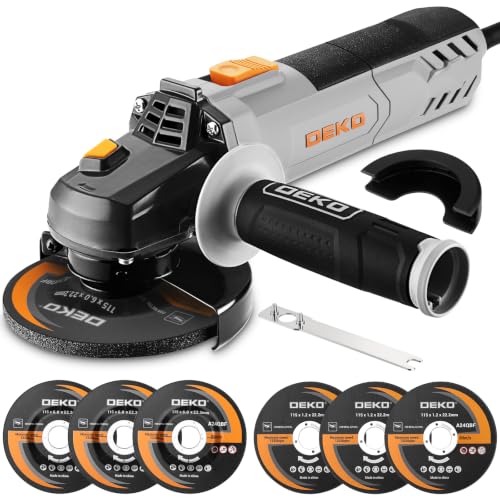


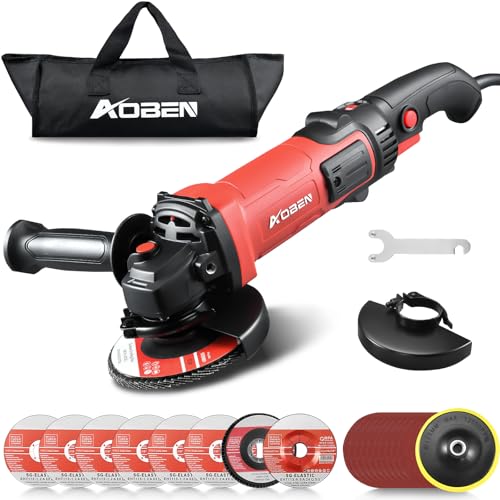
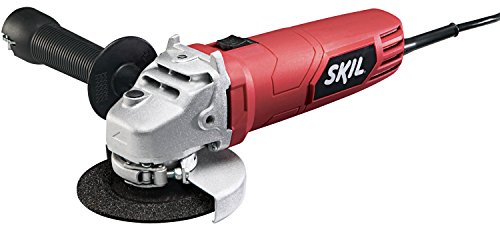
Who Should Buy Which Corded Angle Grinder?
Metal Fabricators and Welders
If your grinder dresses welds, bevels plate, and cuts stock for hours each week, shop the 11 to 13 amp class with a 4.5 or 5 inch wheel and a paddle switch. These tools hold speed under load and survive daily duty. The welding focused guidance in our best angle grinder for welding guide goes deeper on that workflow.
Home Workshop and DIY Users
For sharpening mower blades, cutting the odd bolt, and cleaning up small welds, a 6 to 7.5 amp grinder with a 4.5 inch wheel covers nearly everything at a friendly price. It also weighs less, which matters for occasional users who have not built grinding stamina. Our general guide to the best angle grinder market shows how this entry class compares with pro tools.
Masonry, Tile, and Renovation Workers
Cutting pavers, scoring tile, and tuckpointing mortar reward larger wheels and dust tolerance. A 5 or 6 inch grinder with a strong motor and a guard you can reposition without tools keeps cuts on line. Variable speed models also run wire wheels and polishing discs safely at lower speeds, which the class in our best variable speed angle grinder guide is built around.
Key Features to Compare
Amp Rating and Working Stamina
Amps describe how much power a corded grinder can draw, and grinding is a sustained load, so the number matters more here than in most tools. A 6 amp grinder slows noticeably when you lean into a grind, while an 11 to 13 amp tool holds its rated speed and finishes faster. For cutting thin sheet, lower amps are fine because the load is light. For weld dressing and heavy stock removal, buy amps first and features second.
Wheel Size: 4.5, 5, or 6 Inch
The 4.5 inch size dominates because discs are cheap and everywhere, and its cutting depth suits most shop work. A 5 inch wheel cuts a bit deeper with similar handling, and a 6 inch wheel reaches through thicker stock and covers more area per pass when grinding. Larger wheels need larger, heavier tools, so step up only when your material demands it. Whatever size you choose, the disc maximum RPM must equal or exceed the grinder RPM, which is printed on both the tool and the disc label.
Switch Style and Restart Protection
A paddle switch stops the tool the moment your hand leaves it, which is the safer design for work in awkward positions. Slide switches lock on for long grinding runs but keep the disc spinning if the tool is dropped. Some grinders add restart protection so the tool will not spin up by itself when power returns after an outage or a tripped breaker. Think about your habits honestly, because the switch you find annoying gets defeated, and a defeated safety feature protects no one.
Variable Speed Control
Fixed speed grinders run near 11,000 RPM, which suits cutting and grinding discs but is too fast for many wire wheels, sanding discs, and polishing pads. A speed dial in the roughly 2,800 to 11,000 RPM range opens those accessories up and reduces heat on stainless steel, where excess speed turns the surface blue and ruins the finish. If your work is cutting and grinding only, skip the dial and spend the money on amps instead.
Vibration Control and Ergonomics
Grinding sends constant vibration through your hands, and anti vibration side handles and motor mounts cut that buzz in a way you feel within minutes. A slim barrel grip helps smaller hands keep control, while a two position side handle lets you set up for left or right handed cutting. Weight matters most overhead, where even a pound changes how long you can work. Try to match tool size to the longest session you run regularly.
Cord Length and Extension Cord Sizing
Corded freedom ends at the outlet, so cord length and extension cord gauge become performance specs. A long run of thin extension cord starves the motor, causing heat and weak grinding that people often blame on the tool. For runs up to about 50 feet, use at least a 14 gauge cord with higher amp grinders, and step to 12 gauge for longer runs. Our metal focused picks in the best angle grinder for metal guide assume this kind of full power setup.
Matching Discs to the Work
The grinder is only half the system. Thin cutting discs around 0.045 inch slice steel quickly but must never be used for side grinding, since they can shatter under lateral load. Grinding wheels are thick and built for that side pressure. Flap discs bridge the two jobs and leave a better finish on welds. Diamond blades handle masonry and tile with dust you must control with a mask or extraction. Every disc carries a maximum RPM and an expiry or use guidance, so read the label each time and retire cracked or dropped discs without debate.
Common Mistakes to Avoid
- Removing the guard for a better view, which exposes you to disc fragments if the wheel breaks.
- Using a cutting disc for grinding, since thin discs can shatter under side load.
- Ignoring the disc RPM rating, so an overspeed disc comes apart at startup.
- Powering a high amp grinder through a long thin extension cord, which overheats the motor.
- Grinding without eye and hearing protection, because a single disc fragment travels faster than you can react.
- Tightening the flange with the disc off center, which causes wobble and uneven wear.
Care and Maintenance
Blow dust out of the vents after masonry work and check the cord and plug for cuts before each session. Inspect carbon brushes on brushed models when power fades or the tool sparks heavily, and replace them in pairs. Keep the spindle lock and flange threads clean so discs seat flat. Store the grinder with the disc removed if it will sit for months, since a damp disc can corrode the flange. A grinder injury involving a deep cut or an eye strike needs medical care right away, not a wait and see approach.
FAQ
How Many Amps Does a Corded Angle Grinder Need?
For light home use, 6 to 7.5 amps is enough for cutting bolts, sharpening, and small grinding jobs. Regular weld dressing and heavier stock removal call for 11 amps or more so the tool holds speed under load. Between those poles, 9 to 10 amp models suit serious home workshops well.
Is a 4.5 Inch or 6 Inch Grinder Better?
The 4.5 inch size is better for most users because it is lighter, cheaper to feed with discs, and deep enough for common stock. The 6 inch size earns its weight when you cut thick material often or grind large areas, where its extra depth and surface speed save real time. Many fabricators own the small size first and add the larger one later.
Why Does Variable Speed Matter on an Angle Grinder?
Many accessories, including wire wheels, sanding discs, and polishing pads, have maximum speeds well below a grinder full speed. Variable speed lets you run them safely and also reduces heat discoloration on stainless steel. If you only cut and grind metal, a fixed speed tool is fine and usually cheaper for the same amps.
What Extension Cord Should Power an Angle Grinder?
Match the cord to the amp draw and the distance. A 12 amp grinder on a 50 foot run needs at least a 14 gauge cord, and 12 gauge is safer for longer runs. A cord that feels warm during use is undersized. Voltage drop from a thin cord makes the grinder feel weak and cooks the motor over time.
Paddle Switch or Slide Switch: Which Is Safer?
A paddle switch is safer for most users because the tool stops when your grip leaves it, including if you drop it. A slide switch suits long, steady grinding where holding a paddle gets tiring, but the tool keeps running if dropped. Choose based on your work, and never tape down a paddle to imitate a slide switch.
Final Thoughts
Buy amps for your heaviest job, wheel size for your thickest material, and a switch you will actually respect. The best corded angle grinder is the one that holds speed through a full session without cooking your hands or your extension cord. Line your shortlist up against the product table above, check the disc ratings before the first cut, and a corded grinder will outwork every battery in the shop.


