
Best 56 Inch Tool Boxes (2026): How to Choose the Right One
Disclosure: We may earn a commission when you buy through links on this page, at no extra cost to you. As an Amazon Associate I earn from qualifying purchases. Learn more
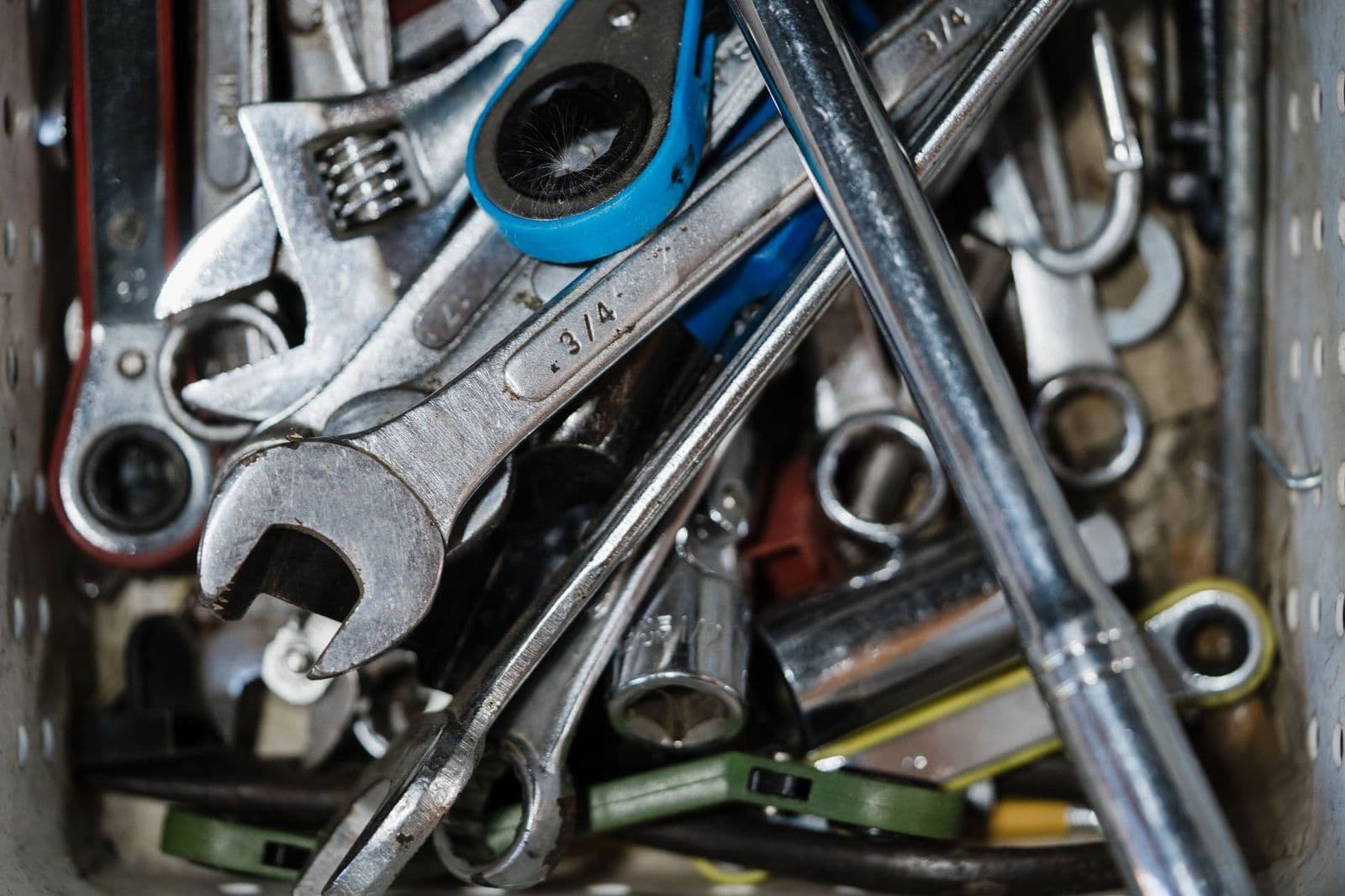
Choosing the best 56 inch tool box means checking drawer ratings, steel gauge, casters and locks. This guide explains what the 56 inch size does best.
At 56 inches wide, a tool chest stops being a small organizer and becomes the anchor of a garage. The best 56 inch tool box earns that floor space with drawers that swallow long tools, slides that carry real weight, and casters that still roll when the box is full.
This guide explains what the 56 inch width actually buys you, which specs separate a sturdy cabinet from a flimsy one, and how to measure your space before ordering. It skips product reviews and focuses on the checks that keep a heavy, expensive box from becoming a heavy, expensive regret.
Who Should Buy Which 56 Inch Tool Box?
Most 56 inch boxes pair a top chest with a rolling bottom cabinet, or come as a single wide roll cab. Which layout fits depends on how you work and where the box will live.
Home Mechanics With a Growing Tool Collection
If your socket rails, torque wrenches, and specialty tools have outgrown a portable box, a 56 inch roll cab gives every tool a drawer near the car you work on. Wide drawers hold long pry bars and breaker bars flat instead of diagonally, and a rated top surface parks parts during a job. Our general guide to the best tool box covers the smaller sizes if you are not sure you need this much storage. Choose the rolling cabinet layout if the box must move between bays or vehicles.
Woodworkers Who Need Flat Storage and a Work Surface
Hand planes, chisels, squares, and marking tools store best lying flat in shallow drawers, and a 56 inch chest offers several wide shallow drawers in a row. The top doubles as a bench for sharpening and assembly checks if the surface is rated for the load. If most of your storage needs are inside the house rather than the garage, our guide to the best tool box for home covers lighter options. Pick drawer liners with grip, since smooth steel drawers let edges tools slide and dull.
Tradespeople Storing Tools at a Home Base
Electricians, plumbers, and HVAC techs often keep backup tools and bulky gear at home while a smaller kit rides in the van. A lockable 56 inch cabinet keeps that reserve gear secure and sorted between jobs. It is not a vehicle box: if your tools must travel in a truck bed, see our guide to the best tool box for truck instead. At home, the wide cabinet wins on drawer access and total capacity, and it keeps expensive meters and power tools out of sight.
Key Features to Compare
Drawer Layout and Long Tool Fit
The whole point of 56 inches is width, so judge a box by its widest drawers. A full width top drawer around 50 inches long swallows torque wrenches in their cases, long level cases, and pry bar sets without diagonal Tetris. Look for a mix of shallow drawers for sockets and hand tools plus two or three deep drawers for power tools and bulky cases. Count the drawers against your tool groups before buying. A layout with many tiny drawers wastes the width you paid for, while one giant drawer becomes a digging pit.
Steel Gauge and Drawer Slide Ratings
Steel thickness, listed as gauge, tells you how rigid the cabinet is: lower gauge numbers mean thicker steel and less flex under load. Just as important, each drawer slide carries a weight rating, commonly about 75 to 100 pounds per pair on ball bearing slides at this size. Soft close slides pull the drawer shut gently and keep it from slamming when full of steel. If a listing hides its slide ratings, treat that as your answer about quality. Drawers you load with sockets and wrenches get heavy fast.
Casters, Brakes, and Total Load Capacity
A loaded 56 inch box can weigh well over 800 pounds, so casters are structural parts, not accessories. Look for large casters, about 5 inches across, with two that swivel and lock, and a total load rating comfortably above your estimate. Wide casters roll over garage expansion joints and cords that stop small wheels cold. Push the box from the handle side, and never pull it toward you on a slope. If the box will never move, casters still earn their keep the one day you need to clean or paint behind it.
Power, Lighting, and Work Top Features
Many boxes at this size add a built in power strip with USB ports, which turns the top into a charging station for cordless tool batteries and a work light. Check where the strip sits: inside the top till it serves charging, while an outside strip serves tools you are using at the bench. A ribbed or wood top surface protects the paint and gives parts a stable landing spot. These extras are worth paying for only if your workflow uses them daily; otherwise plain steel and better slides are the smarter spend.
Locking and Security
A tubular lock that secures every drawer with one key turn is the standard at this size, and it is enough to stop casual theft and curious kids. Some cabinets use internal locking bars that resist prying better than a single latch. Decide honestly what you need: a garage box mainly needs to keep children away from sharp and heavy tools, while a box in a shared shop needs real resistance. Remember that no cabinet lock matters if the garage itself is open, so treat the box as one layer of security.
How to Measure Your Space for a 56 Inch Box
Measure the wall run where the box will sit and add room for the handle, which often adds several inches to one side. Check depth too: most 56 inch cabinets are about 18 to 24 inches deep, and a deeper box can block a car door swing. Confirm the floor is level, because a tall chest and cabinet stack on an uneven slab can lean and bind drawers. Finally, plan the delivery route through your widest door. If a fixed cabinet will not fit your space or your work style, our guide to the best portable tool box covers storage that moves with you instead.
What a 56 Inch Tool Box Costs
Entry level 56 inch cabinets start around $400 to $700, with thinner steel and lighter slides. Mid range boxes run about $700 to $1,200 and add soft close drawers, better casters, and power strips. Premium and professional cabinets reach about $1,500 and up, buying thicker steel and drawer ratings meant for daily shop use. Delivery and setup matter at this weight, so factor freight or a second pair of hands into the real cost of any box you order.
Common Mistakes to Avoid
- Measuring only the wall width and forgetting the side handle, then finding the box crowds the car door by two inches.
- Loading every drawer with heavy sockets, which overweights the slides and makes drawers sag and bind.
- Skipping the slide rating and buying on drawer count alone, then watching full drawers grind within a year.
- Placing a tall chest and cabinet stack on an uneven floor, where the lean slowly racks the frame out of square.
- Rolling a loaded box over cords and thresholds on small casters, which can stop the box dead and tip it forward.
How to Make Your 56 Inch Tool Box Last Longer
Wipe drawers out twice a year, because metal filings and grit act like sandpaper inside slide tracks. A light spray of dry lubricant on the slides keeps them gliding without attracting dust the way wet oil does. Keep the heaviest tools in the lowest drawers to lower the center of gravity and ease slide wear. Touch up paint chips on the cabinet corners before rust starts, especially if your garage sees winter road salt. Engage the caster brakes when the box is parked, since slow creep on a sloped floor strains the frame.
FAQ
What size tool box do I need for a home garage?
Size the box to your tool collection plus about a third more room for growth. A 56 inch box suits mechanics and serious hobbyists whose tools no longer fit a portable box, while occasional users are happier at 41 inches or below. Count your longest tools first: if torque wrenches, levels, and pry bars dominate, width matters more than drawer count. Buying slightly large is safer than buying exact, because storage fills faster than expected.
How much weight can a 56 inch tool box hold?
Total capacity varies by build, but many mid range 56 inch cabinets rate around 1,500 to 2,500 pounds spread across all drawers, with each drawer rated near 75 to 100 pounds. The per drawer rating is the one to respect day to day. Distribute heavy items like socket sets across several drawers instead of filling one to the brim. Always check the rating in the manual for the exact box you buy, since budget models rate far lower.
Is a 56 inch tool box worth it?
It is worth it if your tools have outgrown smaller storage and you have the floor space to park it permanently. The wide drawers end the daily hunt for long tools, and a good cabinet lasts decades. It is not worth it for a small kit, because a half empty cabinet wastes garage space and money. Renters who move often should also think twice, since a loaded 56 inch box is one of the hardest things in a garage to relocate.
How do you clean a large tool box?
Empty one drawer at a time, vacuum out filings and grit, then wipe the drawer and liner with a damp cloth and mild cleaner. Dry everything before tools go back, since trapped moisture under liners starts rust on both the drawer and the tools. Clean the caster wheels too, because wrapped hair and grit make them track sideways. A full clean twice a year, plus quick wipe downs after dirty jobs, keeps slides and paint in good shape.
What is the best 56 inch tool box configuration?
For most buyers, a rolling bottom cabinet with a mix of shallow and deep drawers is the best starting point, and a matching top chest can be added later if storage runs out. This staged approach spreads the cost and avoids a tall stack you may not need. Choose soft close ball bearing slides and locking casters as your non negotiable features. Beyond that, power strips and premium paint are comforts, not essentials, so let your budget order them last.
Final Thoughts
Choosing the best 56 inch tool box comes down to drawer layout, slide ratings, and steel, in that order. Measure your wall and door swing before ordering, compare drawer layouts and slide ratings on the models you shortlist, and keep the heaviest tools low once the box is home. A well chosen 56 inch cabinet ends tool clutter for good and becomes the fixed point your whole garage organizes around.


