
Best 6V 12V Battery Chargers in 2026: A Complete Buying Guide
Disclosure: We may earn a commission when you buy through links on this page, at no extra cost to you. As an Amazon Associate I earn from qualifying purchases. Learn more

The best 6v 12v battery charger serves classic 6 volt and modern 12 volt batteries: compare charge rates, chemistry settings and maintainer modes.
Plenty of households run two electrical eras at once: a classic car, an old tractor, or a vintage motorcycle on a 6 volt system, plus modern cars and equipment on 12 volts. Buying two separate chargers wastes money and shelf space, and using the wrong voltage on a battery can ruin it in a single session. A dual voltage unit solves that problem, and picking the best 6v 12v battery charger for your mix of vehicles comes down to charge rate, chemistry support, and how safely it maintains batteries in storage.
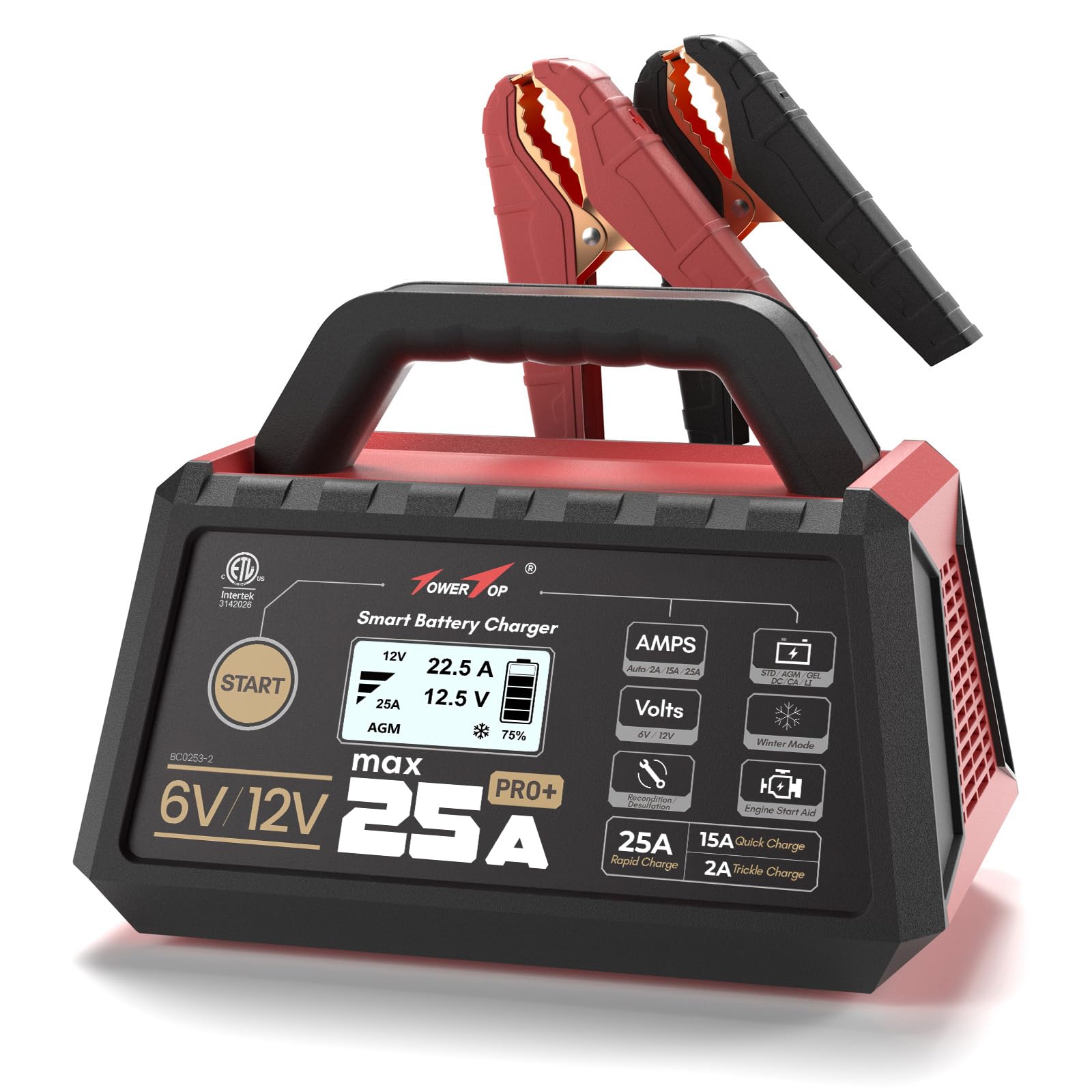
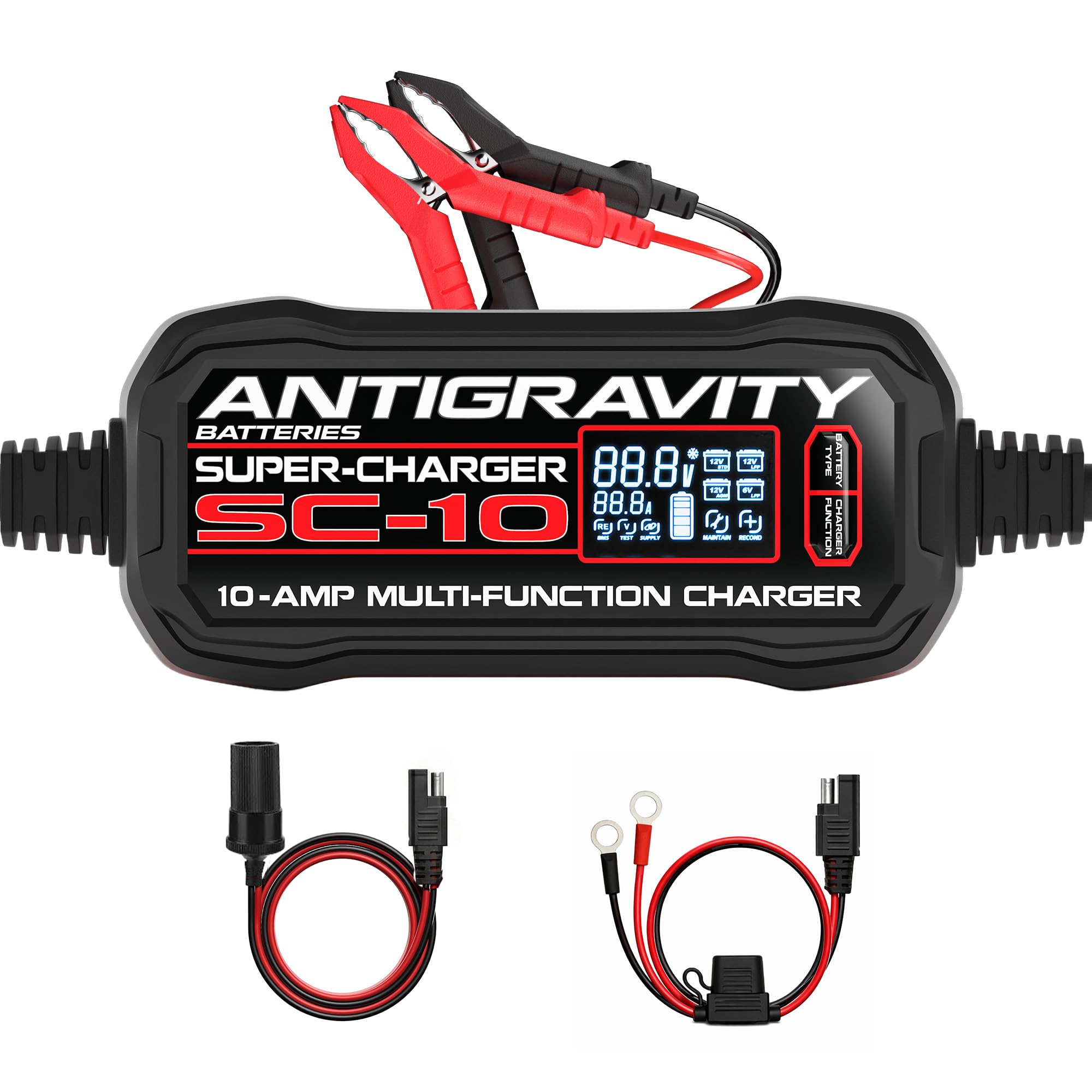
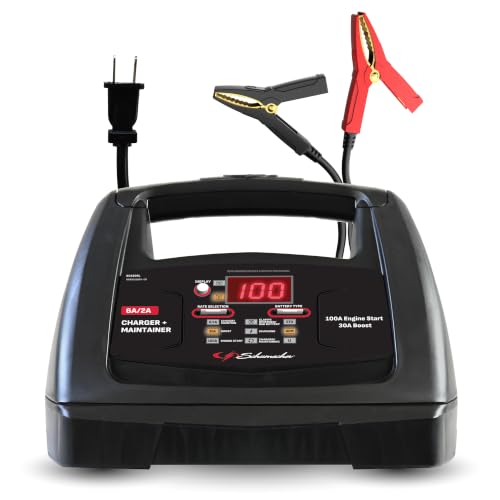
This guide walks through the features that matter, who benefits most from dual voltage support, and how to match amps to battery size. The comparison table below sums up the main types, and the sections after it explain how to choose with confidence.


Who Should Buy a Dual Voltage Battery Charger?
Classic car and vintage motorcycle owners
Vehicles built before the mid 1950s, and many vintage bikes and farm tractors, run 6 volt batteries that modern 12 volt only chargers cannot service safely. You need a charger that detects or lets you select 6 volts and then charges gently, because these older batteries are often smaller and less tolerant of aggressive current. A dual voltage smart charger also maintains the battery between drives, which matters for vehicles that sit for weeks. If your garage holds both eras, our broader guide to the best battery charger types shows where dual voltage models fit in the full range.
Households with cars plus seasonal equipment
A riding mower, a boat, an ATV, and two family cars can mean five batteries that all go flat at different times. A dual voltage charger with a maintenance mode lets you rotate one unit across the fleet, topping each battery off instead of jump starting dead ones every spring. Most of these batteries are standard 12 volt car sized units, so the buying logic in our guide to the best battery charger for cars applies, with the 6 volt setting kept in reserve for the one older machine in the shed.
Collectors storing vehicles for months
Long storage is where batteries quietly die, because a parked vehicle slowly drains its battery and sulfation builds on the plates. You need a charger with a true float or maintenance stage that holds a full charge without overcharging, plus ring terminal leads you can leave bolted on for quick hookup. A maintainer is not the same as an old fashioned trickle unit, and our guide to the best trickle battery charger explains the difference and why the smart version is safer for long storage.
Key Features to Compare
Automatic voltage detection versus a manual switch
Some dual voltage chargers sense the battery voltage when you connect the clamps and pick 6 or 12 volts on their own, while others use a button or switch you set before charging starts. Automatic detection removes the most dangerous mistake in this category, feeding 12 volts into a 6 volt battery, which can boil the electrolyte and warp the plates. Manual selection is fine if you are methodical, but detection is worth paying for when several family members use the charger. Either way, confirm the display shows the voltage before you walk away from the first charge.
Charge rate in amps
Charge rate decides both speed and gentleness. Small batteries such as motorcycle and lawn tractor units, usually about 10 to 30 amp hours, charge best at roughly 1 to 2 amps, while a drained car battery of about 50 to 70 amp hours handles 5 to 10 amps well. A useful rule is to charge at about one tenth of the amp hour capacity, so a charger with selectable rates covers more of your fleet than a fixed rate model. For a dual voltage maintainer style charger, a top rate around 5 amps suits most homes.
Battery chemistry settings
Flooded lead acid, AGM, gel, and lithium iron phosphate batteries all want different charging voltages, and a good smart charger offers a mode for each. AGM batteries sit in many modern cars and power sports machines, and they can be damaged by the equalization voltages meant for flooded cells. Lithium iron phosphate batteries, common in newer motorcycles and marine setups, need a dedicated lithium profile and should never receive a desulfation pulse. If a charger lists only generic lead acid support, it is the wrong match for a mixed modern fleet, no matter how attractive the price looks.
Maintenance stage and desulfation mode
After the main charge finishes, a quality charger drops into a float or pulse maintenance stage that replaces the tiny amount of charge a battery loses each day. That stage is what makes it safe to leave connected for a whole winter. Many smart chargers also include a repair or desulfation mode that uses controlled pulses to break down soft sulfate crystals on neglected plates. It can recover some tired batteries, but it is a slow process measured in hours, and a battery that fails a load test afterward should be recycled rather than trusted.
Connections, protection, and build
Look for both clamp leads and ring terminal leads in the box, because ring terminals bolted to a stored vehicle make weekly hookups take seconds. Spark proof clamps and reverse polarity protection matter every time you connect in a dim garage, since a reversed clamp on older chargers could blow a fuse or damage the unit. A sealed housing with some dust and splash resistance suits garage and barn use, and a clear display showing voltage, mode, and charge progress beats a single mystery light. Long leads, at least about 6 feet of total reach, save you from parking the charger on the floor.
How to Match the Charger to Each Battery You Own
Start with the battery label, which lists voltage, chemistry, and capacity in amp hours. Set the charger to that voltage and chemistry before connecting, or let automatic detection confirm it on the display. Choose a rate near one tenth of the capacity: about 2 amps for a 20 amp hour mower battery, about 5 amps for a 50 amp hour car battery. Connect the positive clamp first, then the negative clamp to the negative post or a clean metal ground point away from the battery, and plug the charger in last.
Work in a ventilated space, because charging a lead acid battery releases small amounts of hydrogen gas, and keep sparks and open flames away until charging is done. Wear eye protection when handling batteries with removable caps, and if battery acid ever gets in your eyes, rinse with clean water for at least 15 minutes and seek medical care right away. A charger that smells hot, swells a battery case, or makes a battery hiss is telling you to unplug it and have that battery tested before charging again.
If some of your equipment sits where no outlet exists, such as a boat on a mooring or a tractor in an open shed, a solar maintainer can hold the charge instead, and our guide to the best solar battery charger covers panel sizing for that job. The dual voltage plug in charger remains the better tool for actually refilling a drained battery, since solar panels work at maintainer level power.
Common Mistakes to Avoid
- Charging a 6 volt battery on the 12 volt setting, which overheats the battery and can permanently warp its plates.
- Using a high amp rate on a small motorcycle or mower battery, which cooks the electrolyte and shortens its life.
- Leaving an old manual trickle charger connected for weeks, because it never tapers and slowly overcharges the battery.
- Selecting the lithium profile for a lead acid battery or the reverse, since each chemistry needs its own voltage limits.
- Clamping onto corroded terminals without cleaning them first, which blocks current and makes the charger report a false full charge.
- Charging a frozen battery in winter, which can crack the case, so let it warm to above freezing first.
How to Make Your Battery Charger Last Longer
Store the charger indoors, coiled loosely, with the leads kept off damp concrete, because moisture creeps into housings and corrodes clamp springs over time. Wipe the clamps after use and check the copper jaws for green corrosion, which raises resistance; a wire brush restores a clean bite. Inspect the cable insulation each season for cuts, especially near the strain relief where flexing concentrates. Keep the cooling vents free of dust with a dry brush, since chargers that cannot shed heat throttle their output or fail early. Finally, use the charger a few times a year, because regular use confirms it still detects voltage and switches into maintenance mode correctly.
FAQ
Can a 6v 12v battery charger safely charge a lithium iron phosphate battery?
Yes, but only when the charger offers a dedicated lithium mode. Lithium iron phosphate batteries need a flat voltage profile with no desulfation pulse and no float at lead acid levels, and a charger set to a lead acid program can overcharge them. Check that the lithium mode matches your battery voltage, since these packs come in both 6 volt and 12 volt versions for power sports and marine use. If the charger has no lithium setting, use the battery maker guide instead of guessing.
How long does a dual voltage charger take to refill a dead car battery?
A typical car battery holds about 50 to 60 amp hours, so a 5 amp charger needs roughly 10 to 12 hours to refill one that is fully drained, and a 2 amp unit needs more than a day. Smart chargers taper current as the battery fills, so the last portion always takes longer than simple math suggests. A battery that still cannot start the engine after a full slow charge has likely lost capacity for good and should be load tested at a parts store.
Can you leave a smart maintainer connected to a battery all winter?
Yes, that is exactly what the maintenance stage is designed for, as long as the charger is a fully automatic model that drops to float level output. Check the setup once a month, confirm the indicator still shows maintenance mode, and on flooded batteries with removable caps, verify the electrolyte still covers the plates. Top up with distilled water only if the level is low. Disconnect and inspect everything if you ever smell a strong rotten egg odor near the battery.
Why does a smart charger refuse to start charging a flat battery?
Most smart chargers need to sense a minimum voltage, often around 1 to 2 volts, before they will begin, as a safety check against reversed or shorted connections. A battery drained below that threshold looks like no battery at all to the electronics. Some models include a manual override or a repair mode that forces a gentle start. If a battery sits near zero volts for weeks, internal damage is likely, so even a successful recharge may not restore dependable service.
What amp rating does a lawn tractor or motorcycle battery need?
Small equipment batteries usually hold about 10 to 30 amp hours, so a charge rate of roughly 1 to 2 amps suits them best. A 5 or 10 amp charger without a low rate setting pushes current too fast for these small cases and generates heat that ages the plates. This is where selectable rates earn their keep on a dual voltage unit, letting the same charger feed a motorcycle battery gently and a truck battery at a practical pace.
Final Thoughts
Dual voltage support is not a gimmick; it is the difference between one charger that serves the whole garage and a shelf of single purpose boxes. Match the amp rate to your smallest and largest batteries, insist on chemistry modes for every battery type you own, and favor automatic detection if anyone else in the household will use it. Priced as a category, basic dual voltage maintainers run around $30 to $60, while higher amp smart models with lithium support and repair modes run about $60 to $120. Set against the cost of one ruined battery, the best 6v 12v battery charger for your fleet pays for itself quickly, and the product table above gives you a fast way to compare the main types side by side before you order.


