
Best Above Ground Pool Cleaners: A First Time Buyer's Guide for 2026
Disclosure: We may earn a commission when you buy through links on this page, at no extra cost to you. As an Amazon Associate I earn from qualifying purchases. Learn more

A first time buyer's guide to the best above ground pool cleaners: types, specs, mistakes to avoid and simple setup steps.
Leaves, bugs, sand and a film of algae show up in an above ground pool faster than most new owners expect, and scrubbing the floor with a manual vacuum every few days gets old quickly. An automatic cleaner takes over that chore so you spend more time swimming and less time skimming. The best above ground pool cleaners are built for the flat floors, soft vinyl liners and smaller pumps that above ground pools use, which is why picking one made for inground pools often ends in frustration.
This first time buyer's guide explains how each cleaner type works, which specs matter, the mistakes to avoid and how to get started. Compare current models in the product table above.
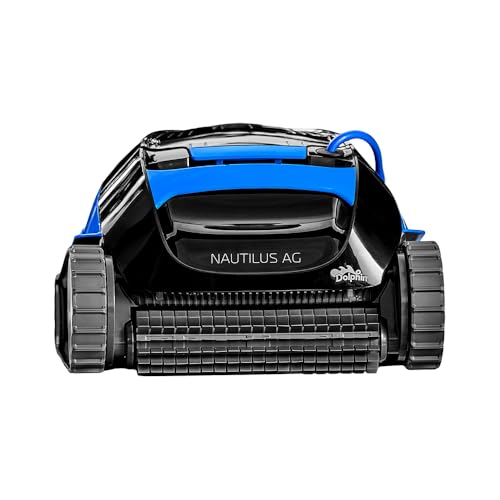

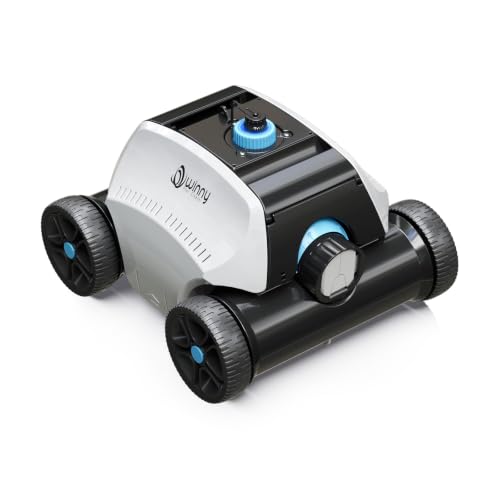
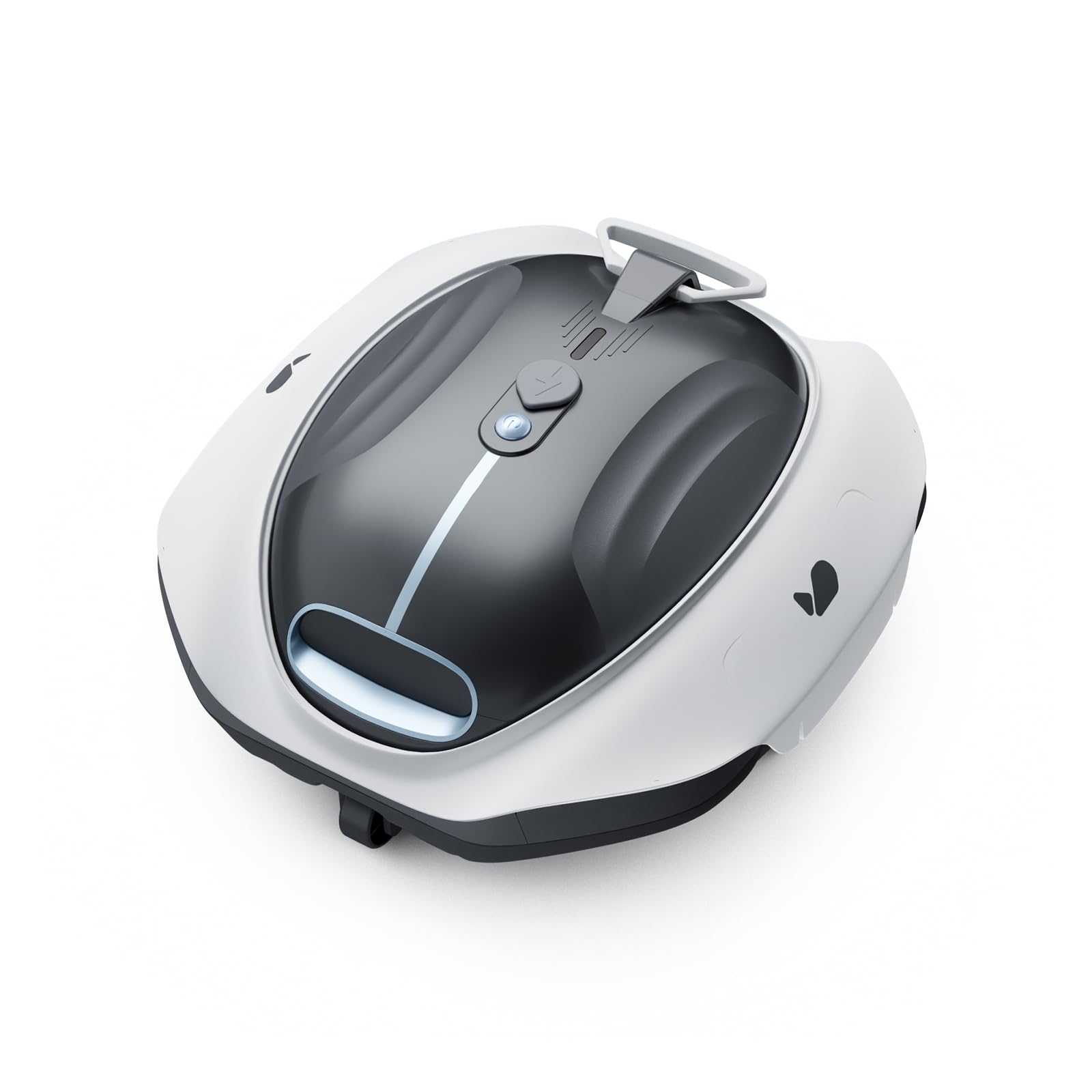


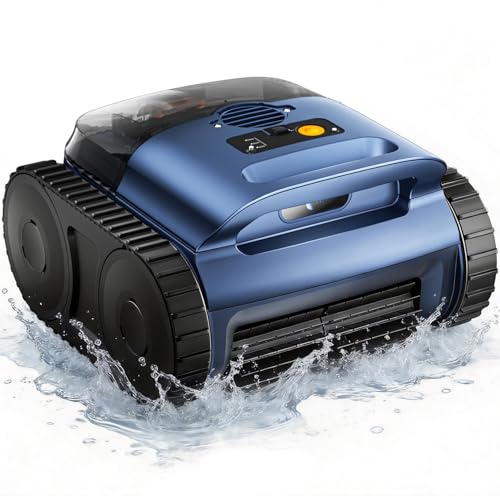
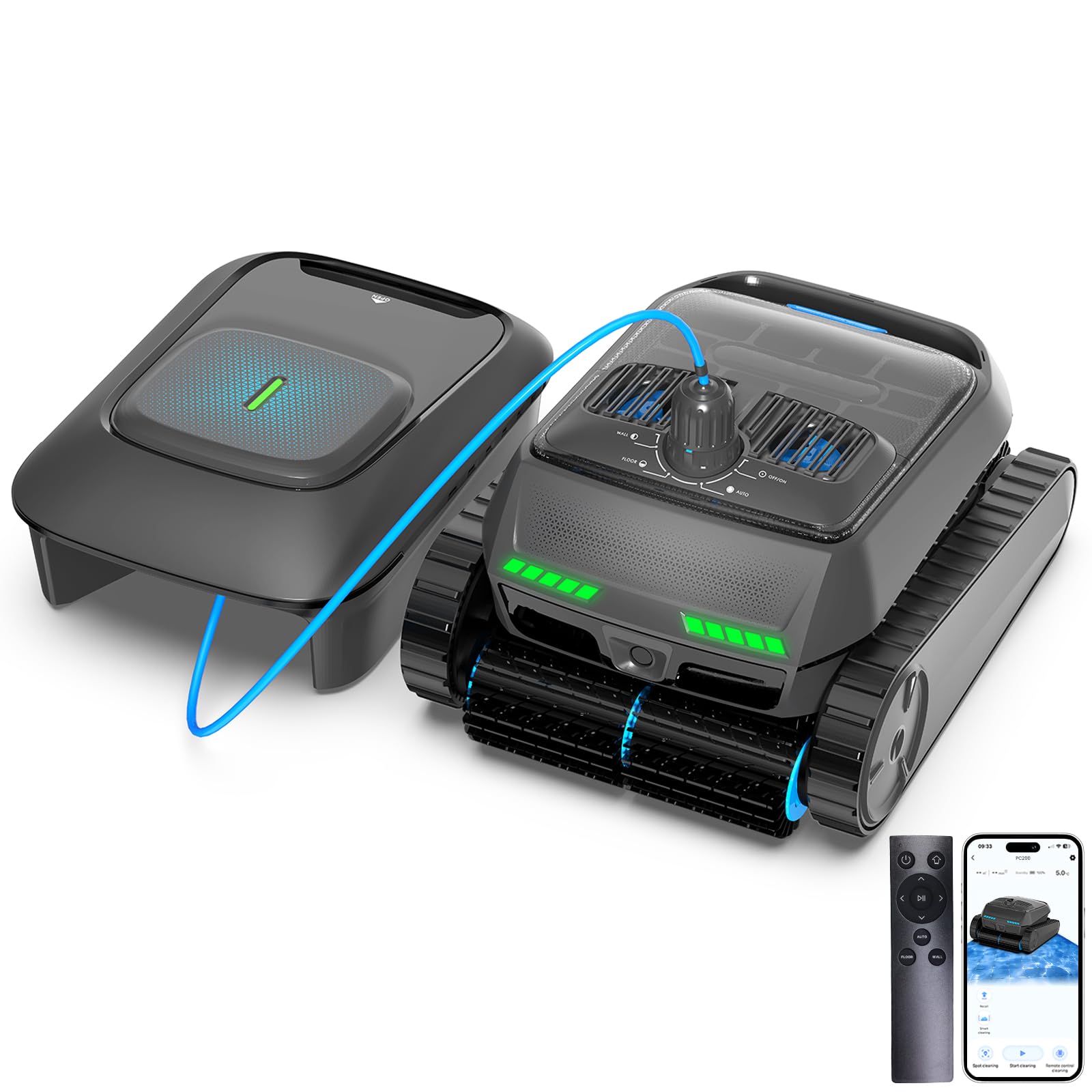
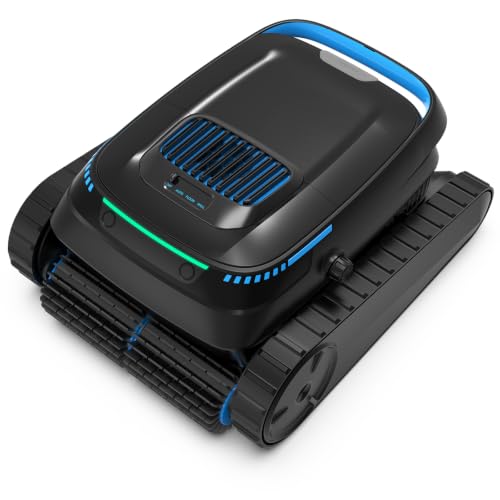
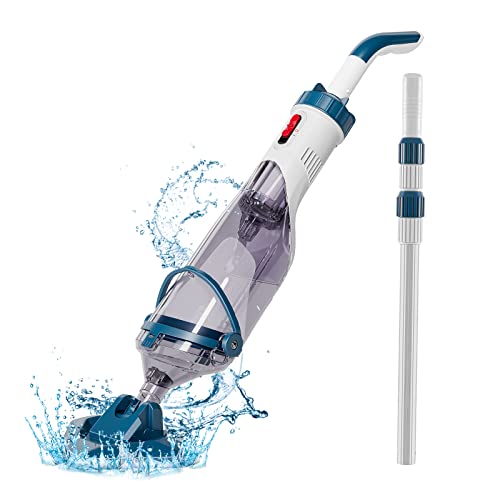

Above Ground Pool Cleaners 101: The Basics
An above ground pool cleaner is an automatic device that moves across the pool floor, and sometimes up the walls, to collect debris that sinks below the skimmer's reach. There are three main types, and each works differently.
Suction side cleaners connect to the skimmer with a hose and use your pool pump's suction to move and vacuum, sending debris into the pump basket or filter. Pressure side cleaners use water pushed back from the pump, often with a booster pump, and collect debris in their own bag. Robotic cleaners run on their own motors and filters, powered either by a low voltage cord from a power supply or by a built in rechargeable battery for cordless models.
Above ground pools differ from inground pools in ways that matter. They usually have vinyl liners that can tear or wrinkle, flat or gently sloped floors, lower wall heights around 48 to 54 inches and smaller pumps that may not generate enough suction for inground suction cleaners. A cleaner designed for above ground pools respects all of these limits.
Key Specs of Above Ground Pool Cleaners Explained in Plain English
These specs determine how well a cleaner will work in your specific pool.
Cleaner Type: Robotic, Suction or Pressure
Robotic cleaners are the most effective and energy efficient choice for most above ground pools. They clean independently of your pump, capture fine dirt in their own filters and reduce wear on your filter system. Expect to pay roughly $150 to $600. Suction cleaners are the budget option, around $100 to $250, and work well if your pump has enough flow, but they load up your pump basket and filter. Pressure cleaners are less common for above ground pools because many need a booster pump. Cordless robotic models are the easiest to use: drop them in, let them run and lift them out to charge.
Pool Type and Surface: Vinyl, Steel Wall and Size
Check that a cleaner is rated for above ground pools and vinyl liners. Soft rubber or PVC tracks and brushes protect liners, while hard brushes meant for concrete can scuff them. Confirm the maximum pool size or floor area, often given as length in feet or square footage, and the shape it supports. Round, oval and rectangular frame pools all work with most cleaners, but very small or soft sided pools may need a compact model. Some above ground pools have a cove where the wall meets the floor, which wall climbing robots handle better.
Cleaning Cycle and Navigation
Cleaning cycles range from about 1 to 3 hours for corded robots, while cordless robots typically run 90 to 180 minutes per charge. Smarter navigation uses gyroscopes or sensors to follow systematic patterns instead of bouncing randomly, which covers the floor faster and more completely. Floor only cleaners are cheaper; floor and wall models also scrub the waterline where scum builds up. Look for features like scheduling, swivel cables that resist tangling, and an automatic surface parking mode that makes cordless robots easier to retrieve.
Filtration: Micron Rating and Basket Capacity
Robotic cleaners filter water through their own baskets or cartridges. Fine filters around 50 microns or lower catch dust and pollen, while coarser filters around 150 microns or more handle leaves without clogging quickly. Some robots include both. Larger, top loading baskets are easier to empty and need emptying less often, which matters if your pool sits under trees. Suction cleaners rely on your pool's filter, so check that it can handle the extra load.
Power, Cord Length and Battery
Corded robots need a cord long enough to reach every corner from the power supply, typically 40 to 60 feet for above ground pools. Keep the power supply at least 10 feet from the pool edge and plug it into a GFCI protected outlet. Cordless robots avoid cord tangles entirely and suit pools without convenient outlets, but they must be charged between uses and batteries lose capacity over several seasons.
Warranty and Parts Availability
Warranties for above ground pool cleaners usually range from one to three years. Established brands offer replacement brushes, filters, tracks, hoses and batteries, which extend a cleaner's life significantly. Before buying a lesser known brand, check that filters and brushes are sold separately and that support is reachable in the US.
Robotic vs Suction vs Pressure Cleaners Side by Side
Robotic cleaners lead on cleaning quality and convenience, suction cleaners lead on price and pressure cleaners rarely suit above ground pools. Here is a direct comparison.
| Factor | Robotic | Suction Side | Pressure Side |
|---|---|---|---|
| Typical price | $150 to $600+ | $100 to $250 | $200 to $500, plus booster pump |
| Power source | Own motor, cord or battery | Pool pump suction | Pool pump return, often a booster |
| Debris storage | Onboard filter basket | Pump basket and pool filter | Onboard bag |
| Fine dirt | Excellent with fine filters | Depends on pool filter | Fair |
| Wall cleaning | Many models | Limited | Limited |
| Energy use | Low, independent of pump | Requires pump to run | Requires pump, booster adds more |
| Best for | Most above ground pools | Budget buyers with strong pumps | Rarely needed above ground |
If you already own a strong pump and your pool collects mainly larger debris, a suction cleaner can do the job for less money. For everyone else, a robot is the easier long term choice because it adds no load to the filter and finishes faster.
Best Above Ground Pool Cleaners for Specific Needs
The right above ground pool cleaner depends on your debris, your budget and how hands off you want to be.
- Heavy leaves and trees nearby: a robotic cleaner with a large, coarse basket, or a suction cleaner with an inline leaf canister.
- Fine sand and dust: a robotic cleaner with an ultra fine filter.
- Tight budget: a suction side cleaner if your pump flow is strong enough.
- No outlet near the pool: a cordless robotic cleaner.
- Algae and waterline scum: a wall climbing robot with active scrubbing brushes.
- Small or soft sided pools: a compact cordless robot or a handheld rechargeable vacuum.
Tips for First Time Buyers
If this is your first pool cleaner, start by measuring your pool and checking your pump's flow rate, which is printed on the pump label or in its manual. Note where the nearest GFCI outlet is, how much shade the pool gets and what kind of debris you see most often, because those details point you toward cordless or corded, fine or coarse filters and floor only or wall climbing designs. Choose a cleaner rated for your pool size and liner type, favor brands with easy to find replacement parts and think about where you will store and charge it. A cleaner that is easy to lift in and out is one you will actually use.
Above Ground Pool Cleaner Price Tiers
Price tracks with cleaner type, navigation and filtration.
- Under $150: handheld rechargeable vacuums and basic suction cleaners for small pools.
- $150 to $300: cordless floor cleaning robots and proven suction cleaners for most round and oval pools.
- $300 to $600: robots with smart navigation, wall climbing, larger baskets and dual filters.
- Over $600: premium robots with app control and advanced navigation, often overlapping with inground models.
Rookie Mistakes to Avoid
New above ground pool owners often run into the same avoidable problems.
- Buying an inground cleaner: many need more suction or depth than an above ground pool provides and can damage vinyl.
- Ignoring pump size: suction cleaners stall on small pumps; check your pump's flow before buying.
- Letting baskets overflow: a full basket kills suction and leaves debris behind. Empty it after every cycle.
- Leaving corded robots in the pool: constant chemical exposure and sun shorten their life.
- Skipping water chemistry: a cleaner removes debris but cannot fix algae caused by low chlorine.
- Pulling the robot out by its cord: use the handle or a hook to avoid damaging the cable.
Getting Started: Setup and First Use
Getting a new above ground pool cleaner running takes only a few minutes.
- Skim and brush the pool first, removing large leaves so the first cycle is not overwhelmed.
- Charge or connect power. Fully charge cordless robots, or place a corded robot's power supply at least 10 feet from the water on a GFCI outlet.
- For suction cleaners, fill the hose with water to purge air, then connect it to the skimmer and adjust the flow valve.
- Lower the cleaner slowly into the water, letting air escape until it sinks to the floor.
- Run a full cycle and watch for spots it misses or places it gets stuck.
- Remove, rinse and dry. Empty the basket, rinse filters with a hose and store the cleaner in the shade.
Maintenance That Keeps Your Cleaner Working
A few minutes of care after each use keeps an above ground pool cleaner running for many seasons.
- Empty and rinse the basket after every cycle, and deep clean filters with a hose weekly.
- Inspect brushes and tracks monthly; replace them when worn smooth, since worn brushes slip on vinyl.
- Untwist corded robot cables regularly by laying them out straight in the sun.
- Charge cordless robots fully before storage and avoid leaving batteries completely drained.
- Check suction hoses for cracks that let air in and reduce performance.
- Winterize properly: clean and dry the cleaner, then store it indoors away from freezing temperatures at the end of the season.
Keeping water chemistry balanced also protects your cleaner. Chlorine levels around 1 to 3 ppm and pH around 7.2 to 7.6 keep algae down, which means less slime clogging filters and brushes.
FAQs
Which cleaner is best for leaves?
A robotic cleaner with a large, coarse debris basket is best for leaves because it collects them in its own canister without clogging your pump. Suction cleaners can work with an inline leaf trap. If your pool sits under trees, a leaf net cover in fall and regular skimming reduce the load on any cleaner.
Are robotic pool cleaners worth it?
Yes, for most above ground pool owners. Robotic cleaners clean more thoroughly, run independently of the pool pump, reduce filter wear and save hours of manual vacuuming each season. They cost more upfront than suction cleaners but often pay back in time and lower energy use.
Can I leave a robotic cleaner in the pool?
It is best not to. Leaving a robot in the water constantly exposes it to chlorine and sun, which can degrade plastics, seals and cables faster. Remove it after each cycle, rinse it and store it in the shade. Remove it before shocking the pool or adding strong chemicals.
How long should a pool cleaner run?
Most above ground pools need one 1 to 3 hour cleaning cycle two or three times a week, or daily during heavy use or leaf season. Robotic cleaners usually stop automatically at the end of their cycle. Suction cleaners run while your pump runs, so pair them with your normal filtration schedule.
Do automatic cleaners work on soft sided pools?
Some do. Compact cordless robots and handheld rechargeable vacuums suit many soft sided and inflatable pools, while heavier robots may struggle on soft floors. Check the cleaner's minimum depth and pool type before buying.
Final Thoughts
For most above ground pools, a robotic cleaner rated for vinyl liners and your pool size is the simplest and most effective choice, with cordless models adding convenience if outlets are far away. Choose a filter suited to your debris, keep baskets empty and water chemistry balanced, and remove the cleaner between uses. Follow these steps and the best above ground pool cleaners will keep your water clear with little effort. Compare current models in the product table above, and see our best robotic above ground pool cleaners and best automatic pool cleaners guides for more options.


