
Best Aluminum Car Jacks in 2026: A Buying Guide
Disclosure: We may earn a commission when you buy through links on this page, at no extra cost to you. As an Amazon Associate I earn from qualifying purchases. Learn more

Choose the best aluminum car jack by comparing capacity, lift range, pump action and weight, and learn why aluminum suits garages and track days.
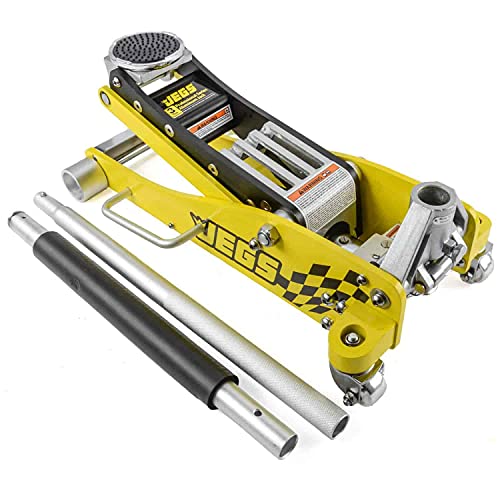
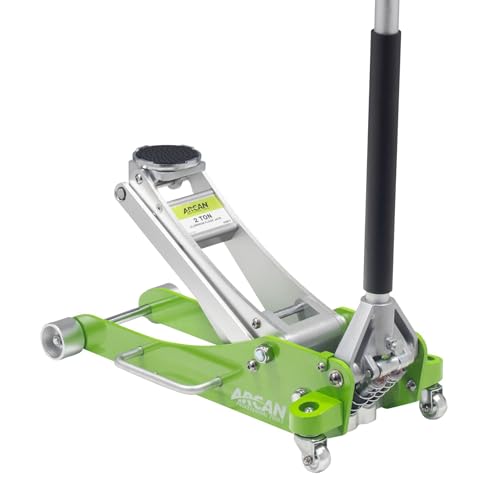
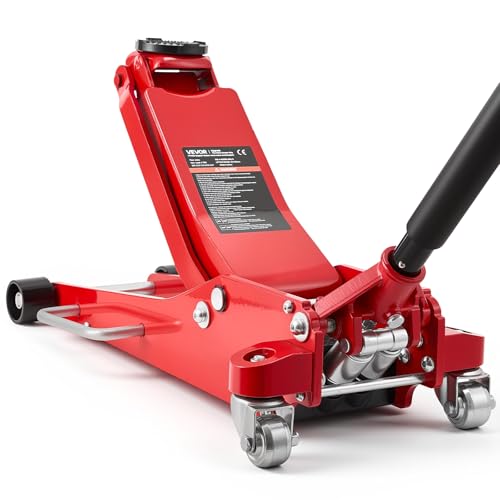
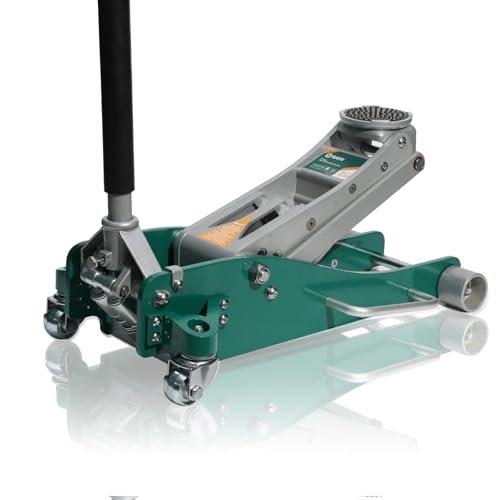
Dragging a heavy steel floor jack across the garage gets old fast, especially if the jack rides in your trunk or trailer to events. The best aluminum car jack cuts that weight roughly in half while keeping the low saddle and long reach that make floor jacks so useful. The comparison table below shows the common aluminum sizes and what each one lifts.
Aluminum is not automatically better, though. It costs more than steel for the same capacity, and the wrong rating or lift range will frustrate you every time the car goes up. This guide explains capacity math, saddle height, and pump design so you can judge the trade with clear eyes. For the complete category view, see our guide to the best car jack.





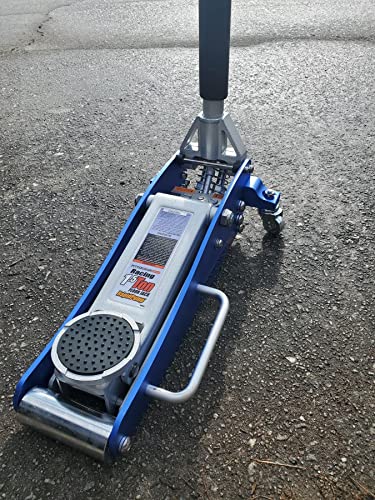
Who Should Buy Which Aluminum Car Jack?
Track Day and Autocross Drivers
If the jack travels with you and gets used between sessions, aluminum is built for your life. A jack in the 1.5 to 2 ton class weighing around thirty pounds loads into a hatch without drama and moves around the paddock easily. Fast pump action matters here too, since a tire change between runs is a timed exercise. This is the user group aluminum jacks were invented for.
Home Mechanics With Sedans and Hatchbacks
For routine brake jobs and rotations on typical cars, a 2 ton aluminum jack pairs well with a set of stands and stores neatly in a corner. You gain the easy roll and carry of aluminum without paying for capacity you never touch. Shoppers who also lift heavier vehicles should compare the stouter models in our guide to the best 3 ton car jack before deciding.
Owners of Low Cars
Lowered cars and sports models defeat standard jacks because the saddle cannot reach the lift point without hitting bodywork. Aluminum lines include many low profile designs with minimum heights near three inches. If clearance is your main battle, the dedicated models in our guide to the best low profile car jack push that minimum height even lower.
Key Features to Compare
Capacity and the Per Corner Rule
A floor jack never lifts the whole car at once; it lifts one corner or one end, which is roughly a quarter to a third of the total weight. A 2 ton rating therefore covers most cars comfortably, while trucks and large SUVs call for 3 tons. Ignore the temptation to buy the smallest cheap option for a heavy vehicle: an overloaded jack strains its hydraulics, creeps downward, and wears its seals early. Match the rating to the heaviest corner you will lift, then add margin.
Lift Range: Minimum and Maximum Height
Minimum height decides whether the jack slides under your car at all, and it is measured to the saddle. Low profile aluminum jacks start near three to three and a half inches, standard ones closer to four or five. Maximum height, often around 14 to 18 inches, decides how high you can set the stands for work underneath. Cars with tall factory ride height or owners who need room for exhaust work should prioritize the top of the range; low cars should prioritize the bottom.
Dual Piston Quick Lift Pumps
Many aluminum jacks use two pump pistons: a large one that raises the saddle to the load quickly with few strokes, and a smaller one that takes over for the heavy lift. The result is a saddle that reaches the pinch weld in three or four pumps instead of a dozen. Count strokes to load contact when you compare models, because that number shapes every job. A smooth, controlled release valve matters just as much, since lowering should creep, not drop.
Weight, Wheels, and Carry Points
The same capacity in aluminum typically weighs about half of a steel equivalent, roughly 30 to 50 pounds for common sizes. Side carry handles make that weight genuinely portable rather than just lighter in theory. Wheel material counts too: steel casters roll loudly but survive rough concrete, while nylon wheels are kinder to coated garage floors. Check that the rear casters swivel freely, because you steer the jack into place with your foot as much as your hands.
Frame Build and Safety Details
Look for flanged side plates and reinforced lift arm joints, which keep the frame from racking under offset loads. A wide stance resists tipping when the car shifts slightly. The saddle should be steel, knurled or padded, and removable so you can fit adapters. Finally, treat every jack as a lifting device only: the best models still pair with stands, and our guide to the best floor car jack covers the stand routine that keeps work underneath safe.
Placing the Jack and Stands on Your Car
Work on flat, level concrete whenever possible, since asphalt softens in heat and gravel lets wheels dig in. Find the maker approved lift points in the owner manual, usually reinforced pinch welds or subframe pads, and center the saddle on them. Raise the car just enough to slide the stand in beside the jack, set the stand to height, and lower the car onto it slowly. Give the car a firm shove before going underneath; it should feel like furniture, not a table on casters. Never rely on the jack alone once you are under the vehicle, no matter how new or expensive it is.
Common Mistakes to Avoid
- Lifting on a slope or soft ground, so the jack rolls or sinks as the load shifts and the car comes down crooked.
- Working under a car held only by the jack, trusting hydraulic seals with your safety.
- Buying by price alone and ending up with a rating below the corner weight of a truck or SUV.
- Placing the saddle on suspension arms or floor pans instead of the reinforced lift points in the manual.
- Yanking the release valve open, which drops the car hard enough to bounce it off the stands.
- Storing the jack standing on end in a damp corner, which invites corrosion around the pump and ram.
How to Make Your Aluminum Car Jack Last Longer
Keep the ram and pump pistons clean, because road grit on the chrome scores the seals when it cycles. Wipe the jack down after use on salted winter roads, since aluminum resists rust but its steel pins, springs, and fasteners do not. Check hydraulic oil level once a year and top up with proper jack oil if the lift feels spongy, then bleed air by opening the release and pumping the handle several times. Store the jack with the saddle fully lowered and the release closed, in a dry spot off bare concrete if you can.
FAQ
Are aluminum car jacks worth it?
They are worth it if you move the jack often: loading it into a vehicle, carrying it across a paddock, or hauling it out of a closet for every job. The lifting performance equals steel at the same rating, so you are paying purely for portability, plus some corrosion resistance on the frame. If the jack will live permanently beside a lift bay and never travel, steel gives you the same capacity for less money.
How long does an aluminum car jack last?
With clean hydraulics and indoor storage, a decade of home use is realistic. The frame itself rarely fails; seals, release valves, and caster wheels wear first, and most are serviceable. The lifespan killer is contamination: grit dragged into the pump, low oil, and rust on the steel hardware. A yearly wipe down and oil check stretches service life far more than buying a heavier rating than you need.
Is an aluminum car jack strong enough for a truck or SUV?
A 3 ton aluminum model handles most trucks and SUVs the same way a 3 ton steel one does, because the rating, not the frame material, sets the limit. Remember the jack lifts one corner at a time, so compare the rating to that corner weight plus margin. Very heavy diesel trucks may still belong on a long frame steel jack for stability. Check maximum lift height too, since tall vehicles need more saddle travel.
Why does my aluminum car jack sink slowly under load?
Sinking usually means air in the hydraulics or a release valve that is not fully closed or has debris on its seat. Bleed the system by opening the release valve and pumping the handle ten to fifteen times, then close it firmly and check again. If sinking continues, the main seal is likely worn and needs a service kit. Never keep using a sinking jack for anything beyond lowering the car to the ground once.
How do you maintain the hydraulic oil in a car jack?
Use only hydraulic jack oil, never brake fluid or motor oil, which attack the seals. With the saddle fully lowered, remove the filler plug, and add oil slowly until it reaches the plug level, then cycle the jack several times and recheck. Do this once a year or whenever the lift feels spongy. Wipe spills immediately, since jack oil strips paint from garage floors and car finishes alike.
Final Thoughts
Decide by how often the jack moves. Frequent movers and track drivers gain real value from aluminum, while a fixed garage can save money with steel. Match capacity to your heaviest corner, confirm the lift range fits your car, and check the options in the product table above. Pick the best aluminum car jack for your routine and the pre job drag across the garage simply stops being part of the work.


