
Best Battery Chargers for RV in 2026: A Buying Guide
Disclosure: We may earn a commission when you buy through links on this page, at no extra cost to you. As an Amazon Associate I earn from qualifying purchases. Learn more

Choose the best battery charger for RV house batteries by bank size, chemistry profile and amp output, with storage and solar pairing guidance for owners.
An RV house battery bank lives a harder life than a car battery. It deep cycles at campgrounds, sits for months in storage, and feeds lights, fans and a furnace blower between trips. The best battery charger for RV use matches its amp output to your bank size, offers the right charge profile for your battery chemistry, and can maintain a bank safely all winter without cooking it. This guide explains sizing, chemistry and storage charging in RV terms.
Start with two facts about your rig: how many amp hours your house bank holds, and whether it is flooded, AGM or lithium. Every choice in this guide hangs on those two numbers, and the product table lists the amp ranges and profiles to check against them.

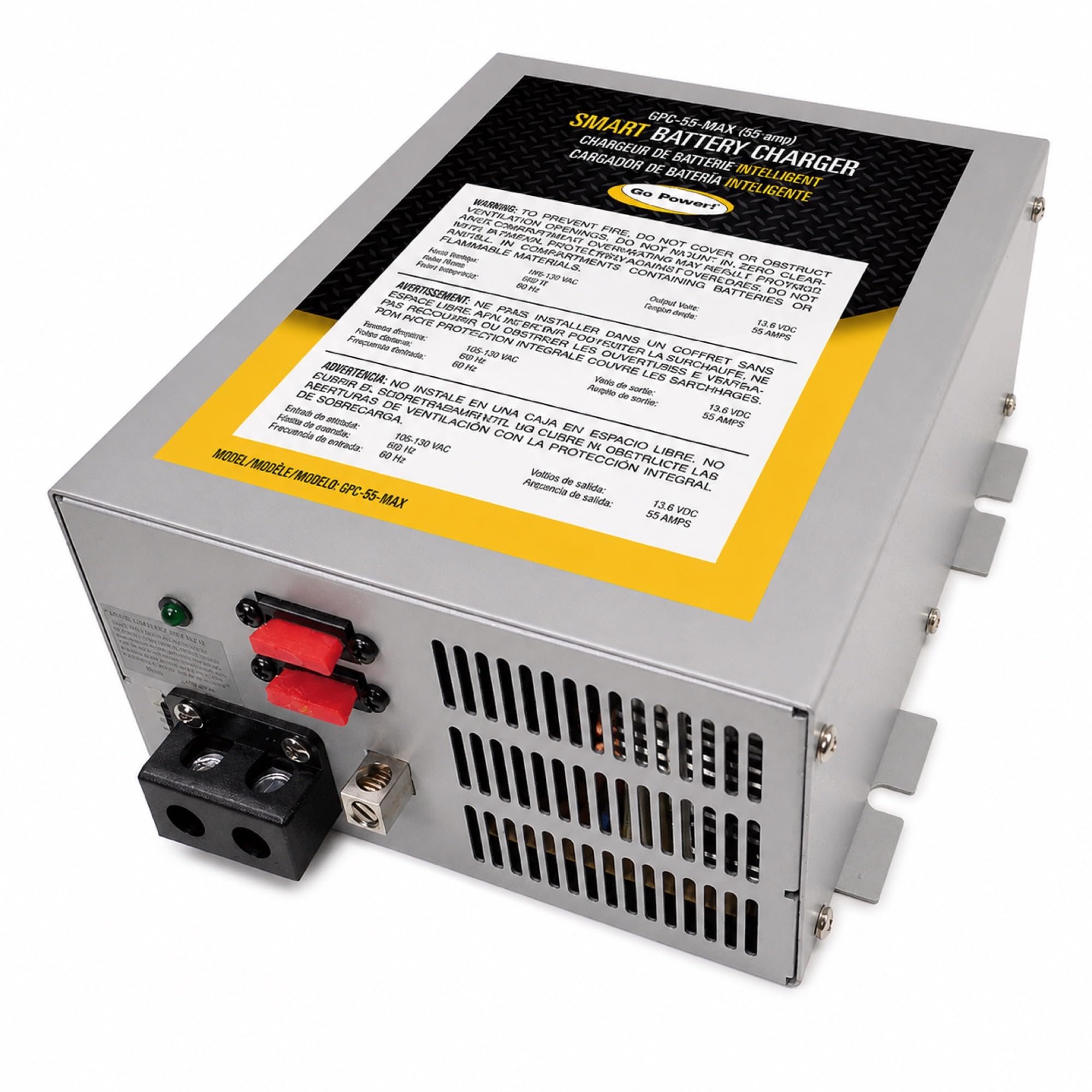

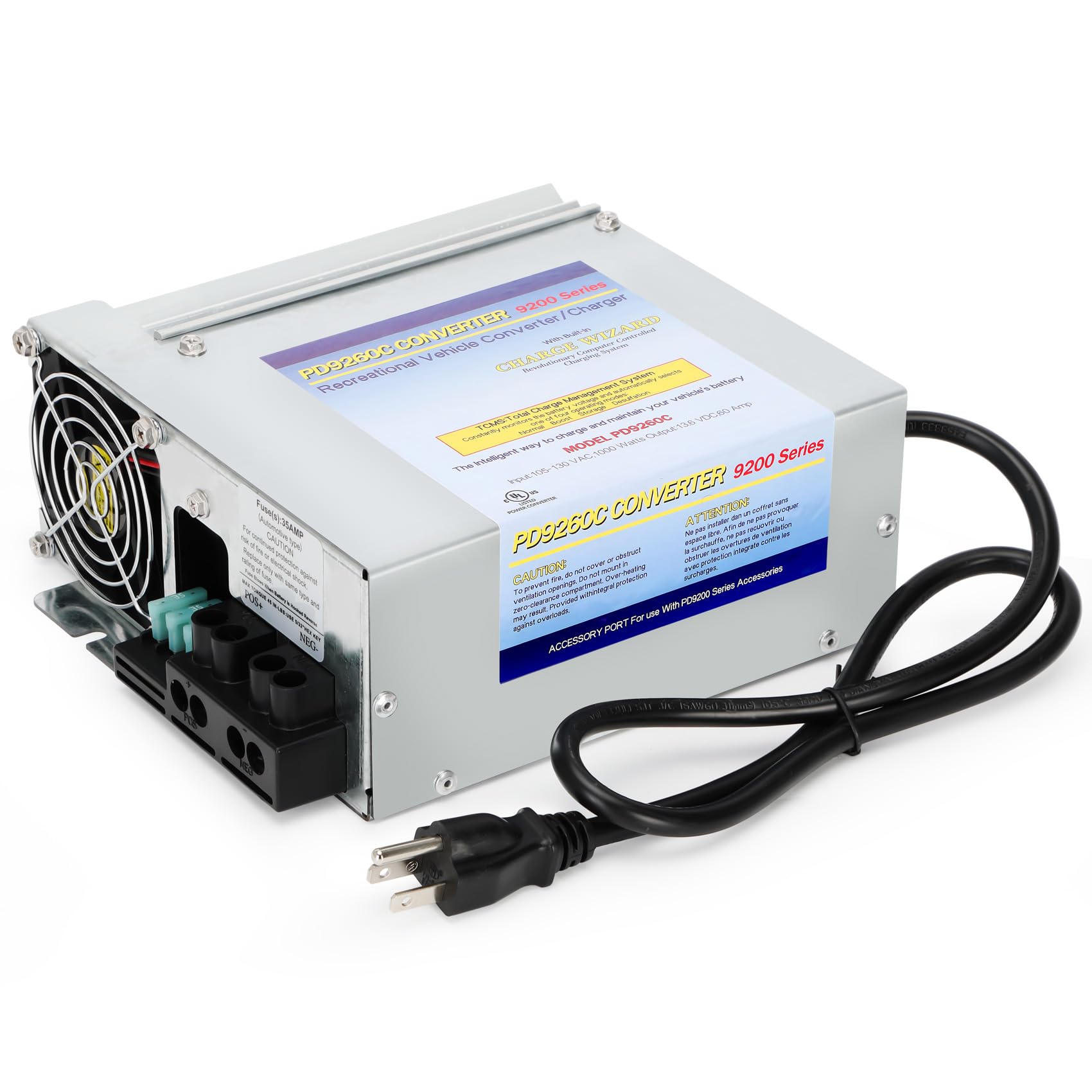
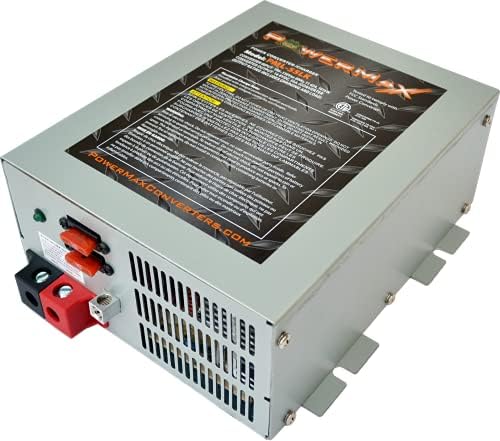
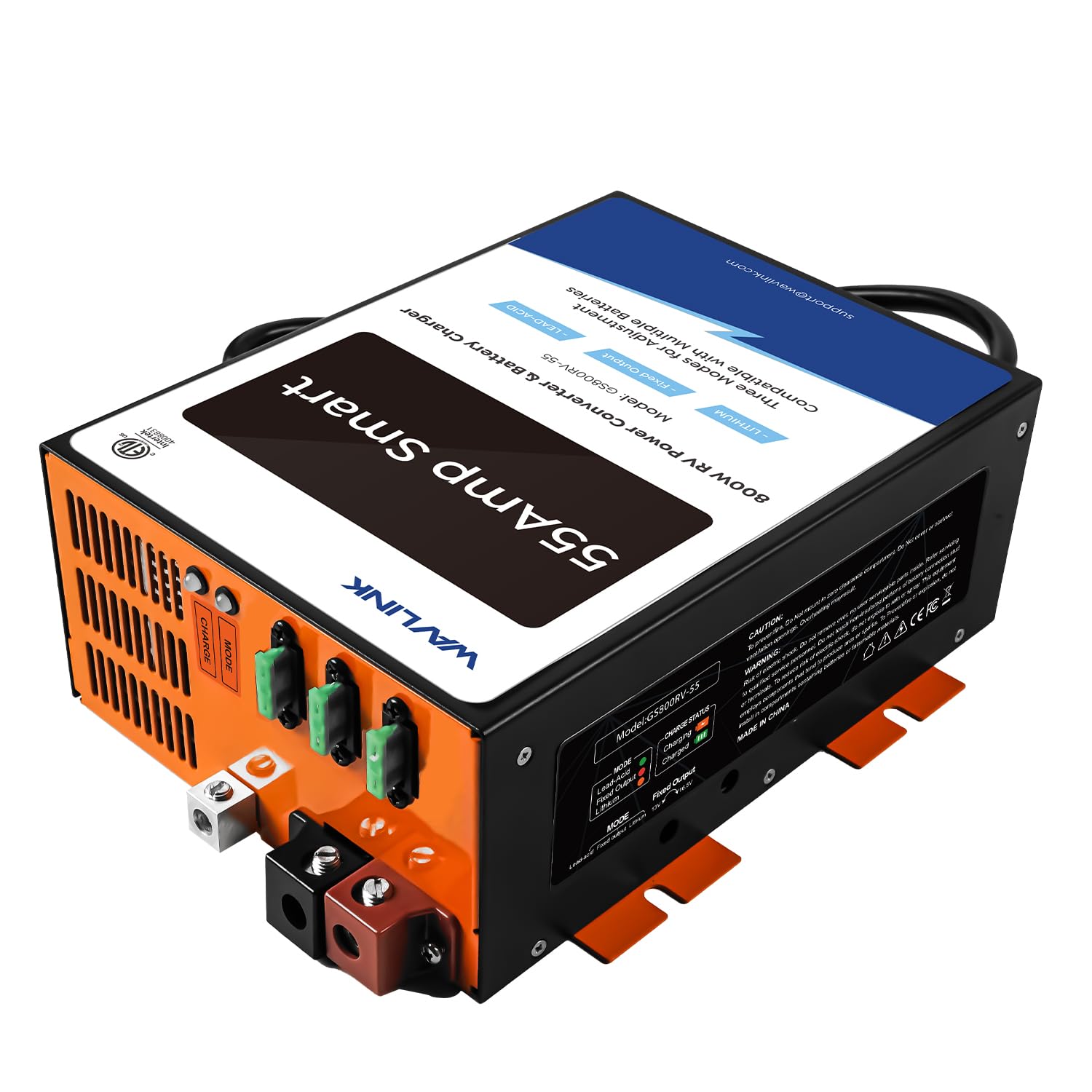
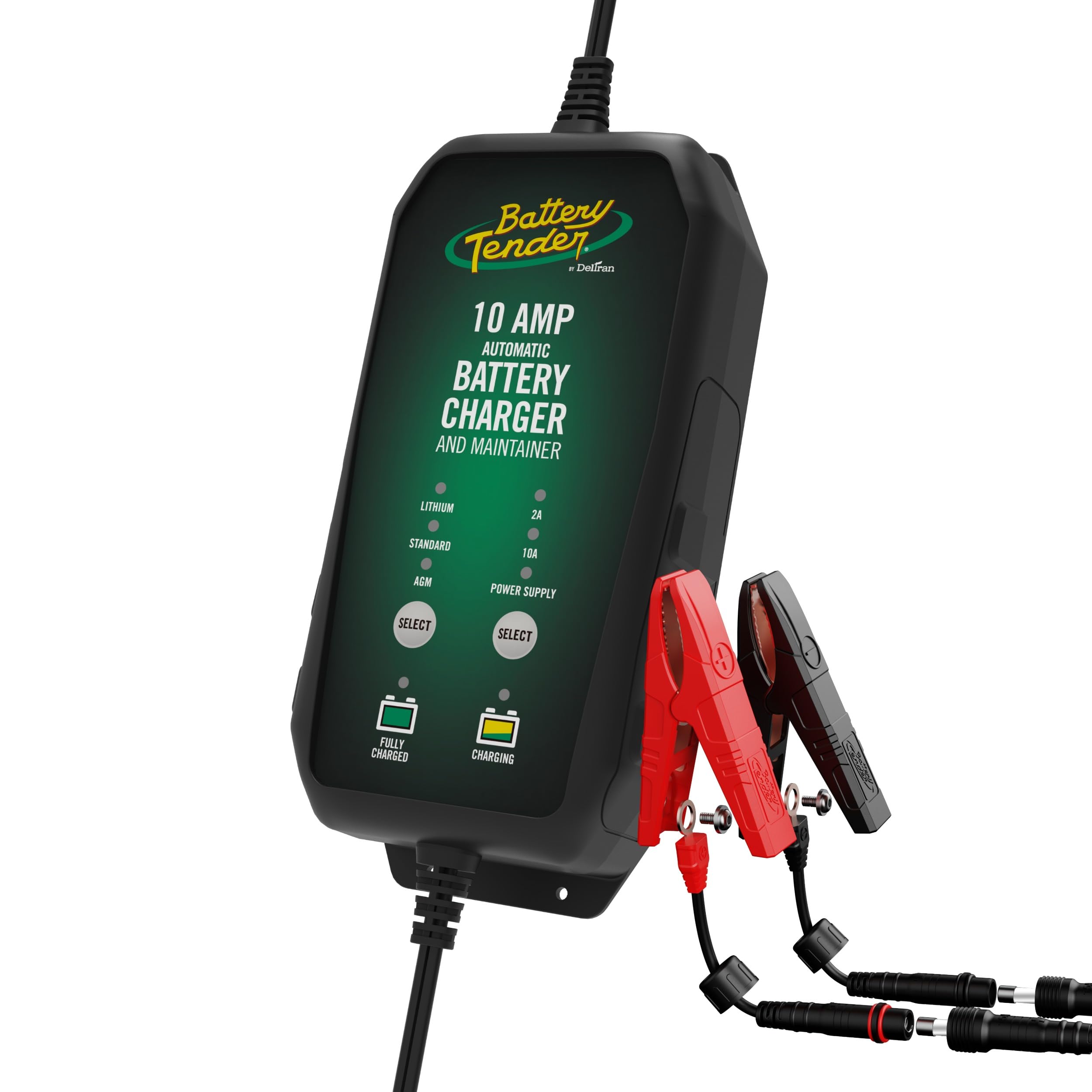
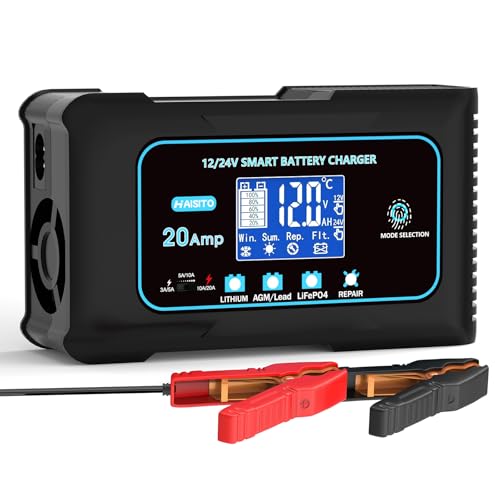
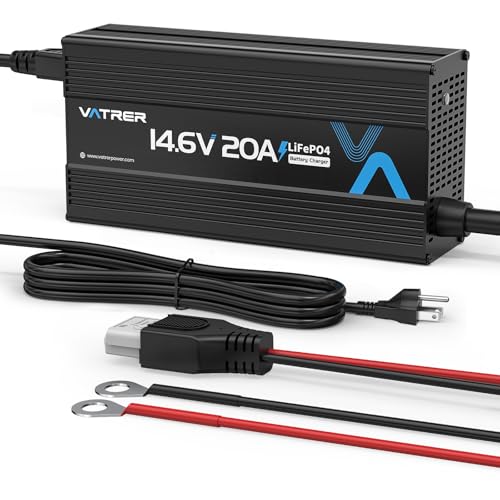
Who Should Buy Which Battery Charger for an RV?
RV owners use chargers in three distinct patterns, and each pattern wants a different tool.
Seasonal Owners Storing the RV for Months
Your charger works hardest when the RV does nothing. Parasitic loads such as detectors and control boards drain the bank slowly, and an unattended flooded bank can sulfate or freeze when discharged. A smart maintainer that tops up automatically and switches to a float or storage mode protects the bank all season. Our guide to the best trickle battery charger designs explains how modern maintainers differ from old constant trickle units.
Full Timers and Frequent Travelers
You cycle the bank often, so recharge speed matters. A higher amp smart charger refills an overnight stay worth of use during a few generator hours or a shore power stop, and multi stage charging treats the bank gently enough for daily duty. If your rig converter charger is aging or single stage, a modern portable or onboard smart charger is often the single best electrical upgrade you can make.
Boondockers Pairing Solar With a Plug In Charger
Off grid owners split charging between roof panels and a plug in unit for cloudy weeks and pre trip conditioning. A charger that plays well beside solar, without back feeding or confusing the solar controller, keeps the system simple. Our overview of the best solar battery charger options covers the panel side of that pairing, including storage lots where a small panel alone can hold a bank.
Key Features to Compare
Apply these checks in order and the right charger for your bank usually selects itself.
Amp Output Matched to Bank Size
A practical rule sizes charger amps at roughly 10 to 20 percent of bank capacity in amp hours. A single 100 amp hour battery does well on about 10 to 15 amps, while a 300 amp hour bank wants 30 amps or more to recharge in reasonable time. Too small a charger takes a full day to refill a bank; too large is merely wasted money on flooded batteries, which accept charge slowly as they fill. Car sized chargers from our best battery charger for cars guide often fall short here, since car batteries are a fraction of an RV bank.
Charge Profiles for Your Chemistry
Flooded, AGM and lithium batteries want different voltages and ending behavior. A proper charger lets you select the profile: flooded banks also benefit from an occasional equalization only when the battery maker allows it, AGM needs slightly lower voltages and no equalization, and lithium needs a profile with no float or a lithium specific low float and no temperature compensation. Using a lithium bank on a lead acid profile undercharges it for years, so profile selection is not a luxury feature.
Multi Stage Smart Charging and Storage Modes
Multi stage charging moves through bulk, absorption and float steps, filling the bank fully without holding it at high voltage longer than needed. For storage, look for a mode that rests the battery and tops up only when voltage falls, which is gentler than a constant float over months. A charger that restarts automatically after a power outage matters in storage lots, where a tripped breaker should not mean a dead bank by spring.
Temperature Compensation and Safety Protections
Charge voltage should fall as batteries warm and rise as they cool, and a charger with a temperature sensor does this automatically. Cold storage buildings and hot summer compartments swing widely, so compensation protects the bank at both ends. Also confirm reverse polarity and spark protection, and choose a charger with a sealed or fan cooled design that tolerates compartment dust. The wider best battery charger category shows how these protections appear across charger classes.
Portable Unit or Onboard Mount
A portable smart charger with clamps and ring terminals serves the RV plus your tow vehicle and mower, while a mounted onboard charger wires in once and works every time you plug in. Mounted units suit full timers and owners whose rig converter is weak. Whichever you choose, add fused ring terminals on the bank so connection takes seconds, because a charger that is annoying to connect will not get connected in storage.
Sizing Charger Amps to Your Battery Bank
Work an example. Two golf cart style batteries or two 100 amp hour batteries in parallel give you a bank near 200 amp hours, of which about half is usable on lead acid. A 20 amp charger restores a typical weekend draw overnight, while a 5 amp maintainer would need days. That maintainer is still the right tool for storage, where the job is holding a full bank rather than refilling an empty one, so many owners keep both sizes.
One safety point belongs with sizing. Flooded batteries release hydrogen gas while charging, so charge with the compartment vented and never create sparks near the battery tops; if you ever smell rotten eggs strongly or see a case swelling, stop charging and have the bank inspected before further use. Keep chargers and connections dry, and disconnect shore power before working on the 12 volt wiring if your rig converter is also feeding the bank.
Common Mistakes to Avoid
- Buying a small car charger for a large house bank, so a depleted bank takes days to refill and sulfates meanwhile.
- Charging a lithium bank on a lead acid profile, which undercharges it and can trigger protection shutdowns at bad moments.
- Storing the RV with the bank partly discharged and no maintainer, letting parasitic loads pull it into damaging deep discharge.
- Equalizing AGM batteries as if they were flooded, which vents gas they cannot replace and shortens their life.
- Clamping charger leads loosely onto corroded terminals, which heats the connection and starves the bank of charge current.
How to Make Your RV Battery Charger Last Longer
Keep the charger dry and out of direct weather, and coil its cables loosely rather than winding them tight around the case, which cracks insulation at the strain reliefs over time. Clean the clamps or ring terminals when you clean battery posts, because a green clamp passes little current no matter how smart the charger is. Store the unit indoors during the off season if it is portable.
Check the fan intake and vents for dust each season and blow them clear gently, since chargers that run hot age their electronics quickly. Inspect cables for nicks before storage duty, because a charger left running for months deserves intact insulation. With dry storage and clean connections, a quality smart charger serves through several sets of house batteries.
FAQ
What should I look for in a battery charger for an RV?
Look for amp output sized near 10 to 20 percent of your bank capacity, selectable profiles for flooded, AGM and lithium batteries, and a true storage or maintenance mode for the off season. Add temperature compensation if your RV stores in very hot or cold places. Finally, confirm the charger restarts itself after outages, since storage power is rarely perfect.
Can you leave an RV battery charger connected all winter?
Yes, if it is a smart charger with a proper float or storage mode, and that is exactly what such modes are designed for. The charger holds the bank full against parasitic loads without the overcharging a basic constant voltage unit would cause. Check the setup monthly if you can: confirm the charger is running, cables are tight and, on flooded batteries, water levels still cover the plates.
How long does a battery charger last?
A quality smart charger typically lasts many years, and fan cooled units often need a fan replacement or a dust cleaning before the electronics give trouble. The cables and clamps usually age first. Cheap units fail sooner, often at the switch or the fan. Because battery chemistry in RVs is shifting toward lithium, a charger with all three profiles also lasts longer in usefulness, not just in hardware.
Is a smart battery charger worth it for an RV?
Yes, because house batteries are expensive and dumb charging is their main avoidable killer. A smart charger fills the bank fully, then rests it, which stretches battery life across seasons of storage and travel. Replacing one deep cycle bank early costs more than the charger itself. For rigs still running an old single stage converter, the improvement in battery life is usually obvious within a year.
How do you clean and maintain an RV battery charger?
Wipe the case with a dry cloth, keep vents and fan intakes free of dust, and clean the clamps or ring terminals whenever you service the battery posts. Never spray water or cleaner into the housing. Inspect cables for cracked insulation before any long storage connection, and store the charger in a dry place when it is not mounted in the rig.
Final Thoughts
Size the amps to your bank, match the profile to your chemistry, and insist on a storage mode that restarts itself. The best battery charger for RV owners is the one quietly protecting the bank in February, not just refilling it in July. Compare your finalists against your bank figures in the product table, and remember that prices and availability can change, so check the product page before ordering.


