
Best Battery Chargers of 2026: A Complete Buying Guide
Disclosure: We may earn a commission when you buy through links on this page, at no extra cost to you. As an Amazon Associate I earn from qualifying purchases. Learn more

Choose the best battery charger with this guide to amp ratings, smart stages, maintainer modes, AGM and lithium support, safety features and prices.
A car that sits for two weeks and then refuses to start is not always a dead battery problem. More often it is a slow drain that a small charger could have prevented for the price of a tank of fuel. Picking the best battery charger comes down to three things: how many amps you need, which battery chemistries it supports, and whether it can stay connected for weeks as a maintainer without cooking the battery.
This guide explains charge rates, charging stages and safety features in plain terms, so you can compare the chargers in the product table and match one to your garage, your vehicles and your storage habits.

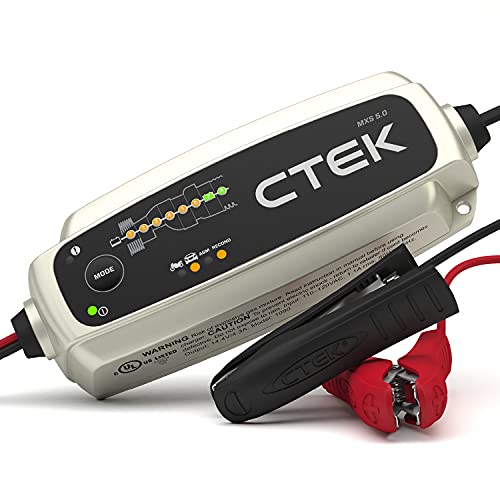


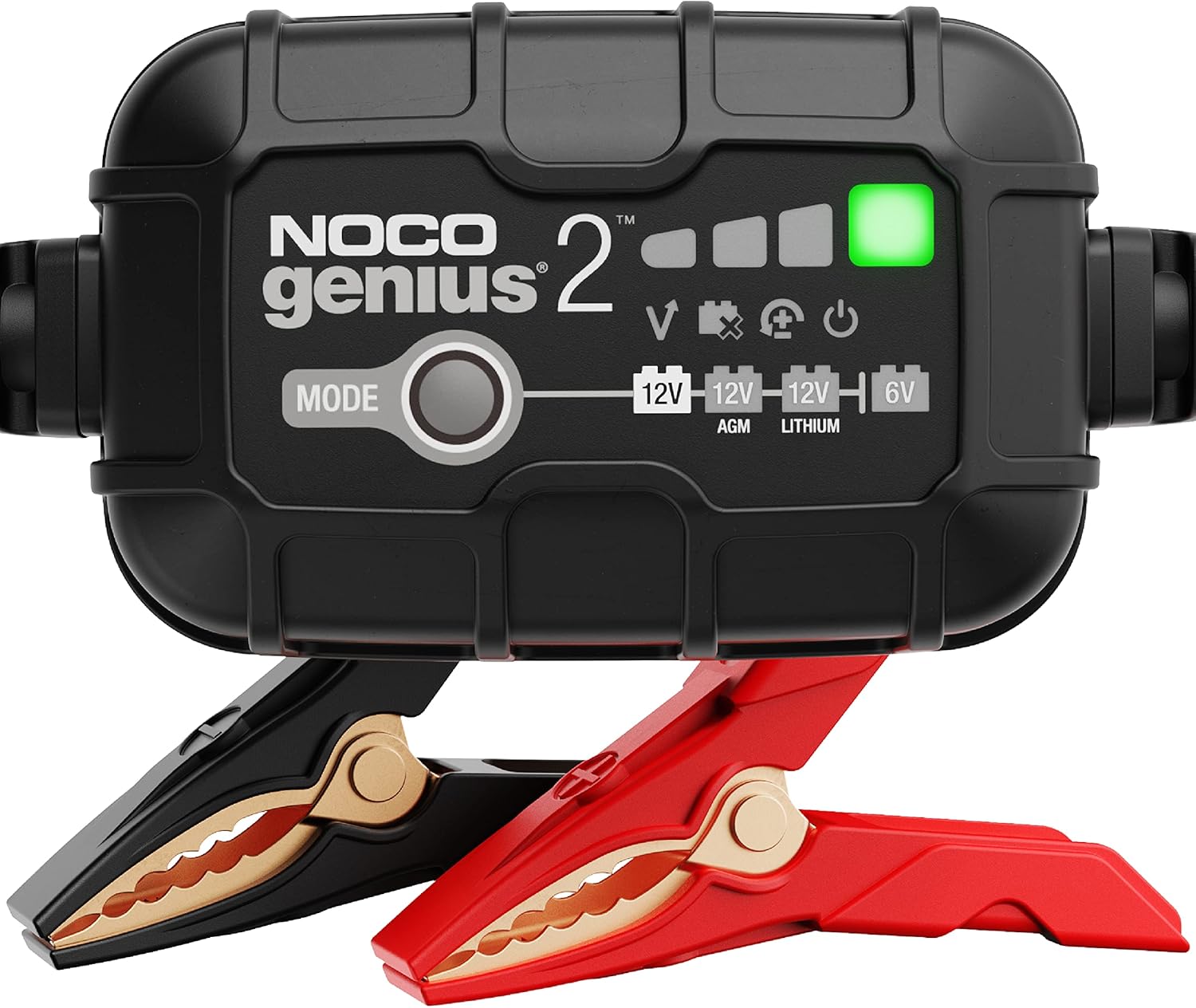
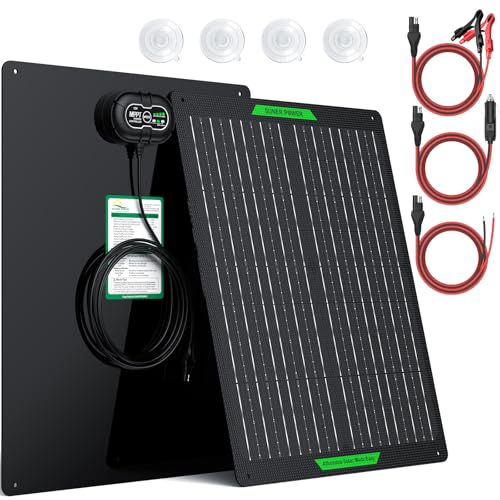

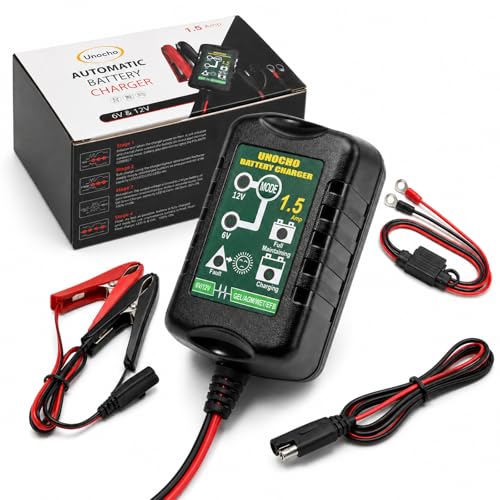

Who Should Buy Which Battery Charger?
Owners of Cars That Sit Between Drives
If a vehicle waits a week or more between trips, a low amp smart maintainer is your tool. Look for a unit in the 1 to 2 amp range with a true float or maintenance stage, and leave it connected whenever the car is parked. Our guide to the best trickle battery charger explains how modern maintainer modes differ from old style trickle chargers that never shut off. A ring terminal lead bolted to the battery makes each hookup a ten second job.
Households With Several Vehicles and Toys
Multiple cars, a motorcycle, a mower and a boat battery argue for a mid range charger of 4 to 10 amps with selectable chemistry modes. It charges a flat car battery overnight, maintains small powersport batteries on the low setting and handles deep cycle duty in the off season. If cars are your main use, our guide to the best battery charger for cars sizes amp ratings against typical sedan and truck batteries in more depth.
Rural Owners and Off Grid Users
Where outlets are far from where batteries live, charging gets creative. A solar maintainer keeps a gate, tractor or boat battery topped up with no wiring at all, and our guide to the best solar battery charger covers panel sizing and controller basics. For a workshop that sees jump starts and fast turnarounds, a wheeled shop charger with an engine start mode is the step up, though it is more tool than most garages need.
Key Features to Compare
Charge Rate in Amps
Amps decide speed. A 1 to 2 amp charger is a maintainer, perfect for keeping a stored battery full but slow on a flat one, sometimes two days slow. A 4 to 5 amp unit charges a typical car battery overnight, and 10 amps cuts that to a few hours. The rule of thumb is to charge at about 10 percent of the battery amp hour rating, so a 60 amp hour car battery likes roughly 6 amps. Chargers with several selectable rates cover more of your fleet with one purchase.
Smart Charging Stages and Automatic Shutoff
A smart charger moves through stages: bulk charging at full rate, absorption at a controlled voltage, then a float stage that holds the battery full without overcharging. That last stage is what makes a charger safe to leave connected for months. Older basic chargers keep pushing current until you unplug them, and a weekend of that can boil a small battery. Look for wording like fully automatic, and for a maintainer mode that restarts charging when voltage drifts down during storage.
Battery Chemistry Support
Flooded lead acid, AGM, gel and lithium iron phosphate batteries each want a different voltage profile. Charging a lithium battery on a lead acid setting can leave it undercharged, and using a lithium profile on lead acid can overcharge it. If your vehicle runs an AGM battery, start with our guide to the best battery charger for AGM batteries and match the voltage specs. A mode button with labeled settings for each chemistry is a good sign; a single mystery mode is not.
Repair and Desulfation Modes
When a lead acid battery sits discharged, sulfate crystals harden on the plates and capacity falls. Some smart chargers offer a repair or recondition mode that pulses current to break up soft sulfation and recover part of that lost capacity. It is not a miracle: a battery with a shorted cell or years of neglect will not come back. Treat the mode as a second chance for a battery that was healthy last season, and test the battery under load afterward before trusting it in winter.
Safety Protections
Good chargers protect you from your own tired evenings in the garage. Reverse polarity protection prevents damage when clamps land on the wrong posts, and spark proof clamps reduce the pop when you connect near battery gases. Temperature compensation adjusts voltage on hot or cold days, which matters in unheated garages, because a battery in winter needs a slightly higher charging voltage. An Ingress rating or a sealed housing also helps if the charger lives in a damp barn or near a boat slip.
How Long Charging Actually Takes
Estimate with simple math. A half drained 60 amp hour car battery needs about 30 amp hours returned, plus losses. At 5 amps that is roughly 7 to 8 hours; at 2 amps, close to a full day; at 10 amps, about 4 hours, because the final absorption stage always slows down. Small batteries follow the same rule scaled down: a 12 amp hour mower battery on a 1 amp maintainer needs an overnight session. If you need a vehicle back the same morning, charge rate, not brand, is what saves you.
What the Price Tiers Get You
Basic maintainers around $25 to $50 cover one vehicle with a single chemistry and modest weather protection. The sweet middle, about $50 to $100, buys selectable amp rates, AGM and lithium modes, repair functions and better clamps. Premium units above $100 add higher output for large truck and deep cycle batteries, longer leads and sometimes Bluetooth monitoring. Paying more mainly buys speed and flexibility across a fleet; a single stored car gains little from the top tier.
Common Mistakes to Avoid
- Leaving an old manual charger connected all weekend, which overcharges and quietly shortens battery life.
- Charging a frozen battery, which can crack the case, so let it warm to room temperature first.
- Using a high amp setting on a tiny motorcycle battery, cooking it instead of charging it.
- Clamping onto corroded posts and blaming the charger, when a wire brush would have fixed the connection.
- Storing a battery on a bare concrete floor for months without a maintainer, then finding it sulfated in spring.
- Assuming a charger can save a battery with a shorted cell, which no charging profile can repair.
How to Make Your Battery Charger Last Longer
Coil the leads loosely instead of wrapping them tight around the housing, because tight bends break the conductors inside the insulation over time. Keep the charger off the floor where meltwater and spills collect, and wipe the clamps clean after use so corrosion does not raise resistance at the jaws. A quick check twice a year is enough: inspect the cable for nicks, confirm the fan or vents are clear of dust, and run it on a known good battery to be sure the indicator stages still cycle as they should.
FAQ
Is a battery charger worth it?
Yes, if any vehicle or machine sits unused for weeks at a time. A maintainer costs less than a single jump start service call and far less than replacing a battery that sulfated in storage. The value shows up in winter, when a fully charged battery cranks faster and survives cold snaps that kill half charged ones. Even a daily driver benefits from a full charge a few times a year if most trips are short.
Can a battery charger revive a completely dead battery?
Sometimes. A battery drained by a forgotten light often recovers with a slow charge, and a repair mode can recover some capacity lost to soft sulfation. But a battery that reads near zero volts for weeks, or one with a shorted cell, usually will not hold a charge again. Note that many smart chargers refuse to start on a battery under about 1 volt, so an older basic charger or a parallel good battery may be needed to wake it up.
How long does a battery charger last?
A decent smart charger lasts 5 to 10 years of garage duty. The failures are usually physical rather than electronic: frayed leads, corroded clamps, or a cooling fan choked with dust. Chargers that live in damp barns or get dragged by their cables die sooner. Storing yours on a shelf with the leads coiled loosely, and keeping the housing vents clean, is most of what long life requires.
How do you clean a battery charger?
Unplug it and let it sit for a few minutes. Wipe the housing with a dry or slightly damp cloth, blow dust out of vents with compressed air, and scrub the clamp jaws with a wire brush until the contact faces shine. Check for green corrosion where the cable meets each clamp and clean it off, because resistance there steals charging current. Never wash a charger with water or solvents.
What makes a battery charger brand reliable?
Judge by specifics rather than fame: published voltage profiles for each chemistry, honest amp ratings, and a warranty that lasts longer than one season. Standard clamp sizes and replaceable leads matter too, because the first failure is usually a cable, not the electronics. A brand that documents its float voltage lets you verify its claims with a multimeter, which says more about trust than any badge.
Final Thoughts
Size the amps to your largest battery, insist on a true automatic maintainer stage, and match the chemistry modes to what you own. Do that, and compare the finalists in the product table, and the best battery charger for your garage becomes a straightforward pick. Prices and availability can change, so check the product page before ordering.


