
Best American Made Generators: A Buyer Checklist for 2026
Disclosure: We may earn a commission when you buy through links on this page, at no extra cost to you. As an Amazon Associate I earn from qualifying purchases. Learn more

Use this checklist to pick the best american made generators: what the origin label means, plus watts, fuel, runtime, safety and parts support for your home.
Many shoppers want a generator built close to home, with parts, service, and support that are easy to reach when something fails during an outage. This checklist led guide to the best american made generators explains what the origin claim really means, then scores each type on power, fuel, safety, and long term support.
Use it as a worksheet rather than a ranking, because the right answer depends on your loads, your fuel access, and how automatic you want the system to be. Start with the comparison table below, then run each candidate through the criteria that follow.

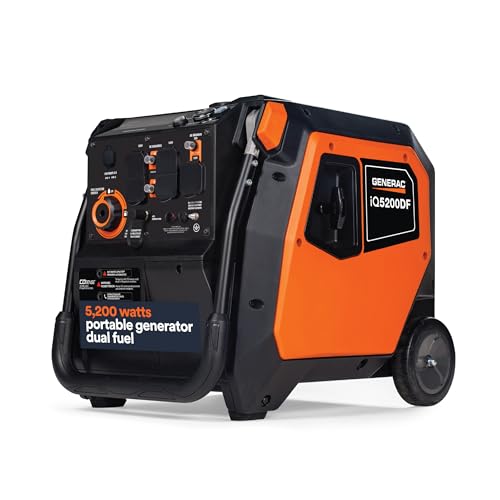


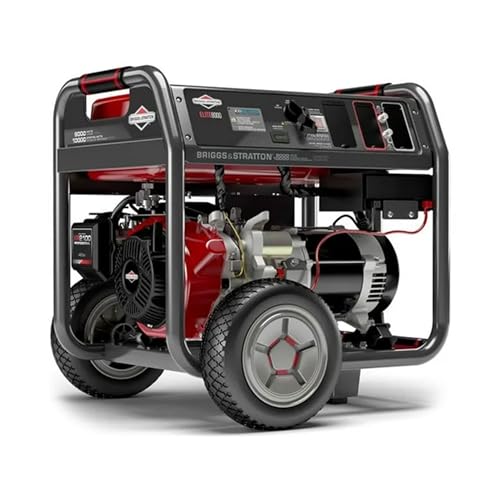

Who Should Buy Which American Made Generator?
Homeowners Who Want Automatic Storm Backup
You value a system that starts on its own when the grid drops, so a permanently installed standby unit with an automatic transfer switch fits you best. Expect the highest total cost once installation is included, in return for hands free protection of heating, refrigeration, and medical equipment. This group should weigh warranty length and local dealer coverage heavily, because a standby unit is a long term fixture of the house rather than a tool you store in a corner.
Rural Owners Who Rely on Wells and Outbuildings
You need backup that covers a well pump, a freezer, and perhaps a barn or workshop, and you may lose power more often and for longer than city households. A large portable or a mid size standby unit both work, so decide by distance: one building favors a portable you can move, while several buildings favor a fixed unit at the main panel. Fuel storage matters more for you than for most buyers, since delivery can be slow after a regional storm.
Buyers Who Prioritize Service and Parts Availability
You are less interested in the lowest price and more interested in owning a machine that a local shop can repair ten years from now. Look for a maker with a published dealer network, parts lists you can actually open, and a warranty handled inside the United States. Shoppers in this group often start from our guide to the best household generators and then narrow the list by origin and support.
Key Features to Compare
What American Made Actually Means on the Label
Origin wording is the first item on the checklist, because similar phrases can describe very different facts about a generator. A strict Made in USA claim generally means the product is made in the United States with domestic parts, or nearly so, while assembled in the USA can mean final assembly at home using parts sourced from several countries. Neither phrase is automatically better for reliability, but the distinction tells you where your money goes and how exposed the supply chain is to overseas delays. Read the fine print on the product page and the maker site, note where the engine itself is built, and treat vague flag imagery without a clear written claim as marketing rather than information.
Generator Type and How Automatic It Is
Generator type decides your outage routine, from dragging a portable unit outside in the rain to a standby system that starts before you notice the lights flicker. Portable models cost the least and can travel between properties, inverter models run quieter with cleaner power for electronics, and standby models cost the most but ask nothing of you during a storm. Solar power stations are silent and safe indoors, yet they store limited energy and suit short outages or a few small loads. Match the type to your physical ability and your absence pattern, because a home that sits empty for weeks needs automation more than a home with an able adult always present.
Running Watts, Starting Watts, and Your Load List
Output is scored against your own load list, never against a headline number, since a generator that cannot start your largest motor is the wrong size at any price. Running watts cover steady loads such as lights and a refrigerator, while starting watts cover the surge when a pump or air conditioner kicks on. Add your steady loads, add the largest single surge, then keep a margin so the engine is not running at its ceiling for hours. Buyers who only need essentials protected may find the range in our guide to the best backup generators is a useful reality check before paying for capacity they will never use.
Fuel Choice, Runtime, and Storage Reality
Fuel decides how long your backup lasts and how much planning an outage demands, so score it by what you can store and refill safely at home. Gasoline is widely available but goes stale in months, propane stores for years and suits dual fuel portables, and natural gas standby units remove refueling entirely where a gas line exists. Runtime figures should be compared at the same load, usually half load, because a long claim at quarter load flatters every model. Also consider cold weather starting and delivery access after a storm, since the best fuel on paper is the one you can actually obtain in your area.
Transfer Switch, Outlets, and Power Quality
Safe connection is a pass or fail checklist item, because a fine generator connected badly is still a hazard to your home and to utility crews. A transfer switch or listed interlock isolates your panel from the grid, and standby models pair with automatic versions that handle the changeover for you, a setup covered in our guide to the best automatic generators. Check total harmonic distortion if you plan to power modern electronics, furnaces with sensitive control boards, or medical devices, and favor lower figures or inverter designs there. Outlet layout matters on portables as well, since a 50 amp receptacle is what makes whole panel feeding practical.
Warranty, Parts, and Dealer Support
Support is where domestic production should prove itself, so score warranty terms, parts availability, and service access with the same care as watts. A longer residential warranty, commonly about 5 to 10 years on standby units and about 2 to 3 years on portables, signals confidence, but only if a service network exists near you. Check whether wear items such as filters, brushes, and control boards can be ordered by part number, and whether the maker publishes manuals freely. A generator you can repair locally will outlast a cheaper import that waits months for a single board.
What Each Price Tier Usually Delivers
Portable models from American makers or American assembly lines generally run about $700 to $2500 depending on output and fuel options, and they deliver strong value for occasional outages. At the lower end you give up electric start, quiet operation, and the cleanest power, while the upper end adds dual fuel, larger tanks, and better frames. Treat installation gear, cords, and a transfer switch as separate budget lines, since they can add several hundred dollars to any portable plan.
Standby systems sit in a different league, often about $4000 to $12000 for the unit with installation adding a similar scale of cost depending on gas and electrical work. What the extra money buys is automation, longer service intervals, and quieter enclosed operation close to the house. For many households the deciding question is outage frequency: power that fails twice a year rarely justifies standby money, while monthly failures or medical needs can justify it quickly.
Common Mistakes to Avoid
- Assuming a flag on the box proves full domestic production, which can mean you paid a premium for assembly only without checking the written claim.
- Scoring only the purchase price, which hides installation, fuel storage, and service costs that decide what the generator truly costs to own.
- Choosing a standby unit without confirming local dealer coverage, which leaves you waiting for a traveling technician during a regional outage.
- Feeding house circuits without a transfer switch or interlock, which risks backfeeding the grid and harming utility workers.
- Letting the generator sit unused for a year or more, which drains starter batteries and lets fuel and oil age past the point of easy starting.
How to Make Your Generator Last Longer
Exercise the generator regularly, monthly for portables and on the automatic weekly cycle most standby units provide, because moving parts, seals, and batteries all age faster in stillness than in use. Keep oil changes on schedule and log them, since a large engine running for days during one outage can consume its whole service interval in a single event. Inspect the air filter, spark plug or plugs, battery terminals, and fuel lines each season, and clear leaves and nesting material from enclosures before they block cooling air.
Store portables dry with the fuel system treated or drained as the manual directs, and keep spare oil, filters, and a plug with the machine so a fault found during a trial run can be fixed the same day. For standby units, keep the area around the cabinet clear for airflow and service access, and arrange a professional inspection about once a year. Small habits like these are what turn a generator into a twenty year appliance rather than a five year disappointment.
FAQ
How long can an American made generator run during an outage?
An American made portable generator can typically run about 8 to 12 hours per tank at half load, while a standby unit on natural gas can run for days within its service limits. The real boundaries are oil level, heat, and the service interval, so long events call for shutdown checks rather than blind continuous running. Keep spare oil on hand for any outage you expect to last beyond a single day.
Is an inverter generator or a conventional generator better for home electronics?
An inverter generator is better for sensitive electronics, because its cleaner output and steadier voltage are gentler on laptops, modern televisions, and control boards. A conventional generator remains a sound choice for motors, lights, and heating at a lower price, especially when sensitive items run through a separate protective device. If one machine must do everything, the inverter design is the safer single answer despite its higher cost.
Can an American made generator run a refrigerator through a long outage?
Yes, a generator of almost any size in this category can run a refrigerator, since a typical unit draws only about 150 to 250 running watts once its compressor is going. The starting surge is the part to plan for, and it is small compared with pumps or air conditioners. A useful trick is to keep the refrigerator closed and let it cycle, which cuts fuel use noticeably over a long outage.
What size generator does a house with a well pump need?
A house with a well pump usually needs at least about 5000 to 7500 running watts, because the pump surge sets the floor for the whole system. Add heating, refrigeration, and lighting on top of that surge, then choose the next comfortable size up rather than the bare minimum. If a licensed electrician measures your actual starting loads, you can often buy one size smaller with confidence instead of guessing upward.
Do I need a transfer switch with an American made standby generator?
Yes, a standby generator needs a transfer switch, and most installations use an automatic model that senses the outage and switches loads without your help. The switch is also a code and safety requirement, since it keeps generator power from reaching the grid. Portable setups can use a manual switch or interlock instead, but some listed isolation device is always required for panel feeding.
Final Thoughts
Score origin honestly, size from your own load list, and support by the dealer and parts network you can actually reach, and the shortlist becomes small and clear. Compare your finalists in the product table above, paying as much attention to warranty and fuel as to watts. Judged on those terms, the best american made generators earn their premium through years of repairable, well supported service rather than through a label alone.


