
Best And Worst Inverter Generators for 2026: What Actually Matters Before You Buy
Disclosure: We may earn a commission when you buy through links on this page, at no extra cost to you. As an Amazon Associate I earn from qualifying purchases. Learn more

Learn what separates the best and worst inverter generators, from clean power and noise to safety and value, with a clear checklist before you buy.
Inverter generators range from quiet, well built machines that start on the first pull to loud, rough units that surge and stall. This checklist for the best and worst inverter generators shows you the traits that separate the two groups, so you can judge any model on evidence instead of advertising. The comparison table below lists current options while you learn what to look for.
We score each trait the same way: what good looks like, what bad looks like, and the number or feature that tells them apart. By the end, a listing page will tell you in minutes whether a unit belongs in your cart or on your avoid list.
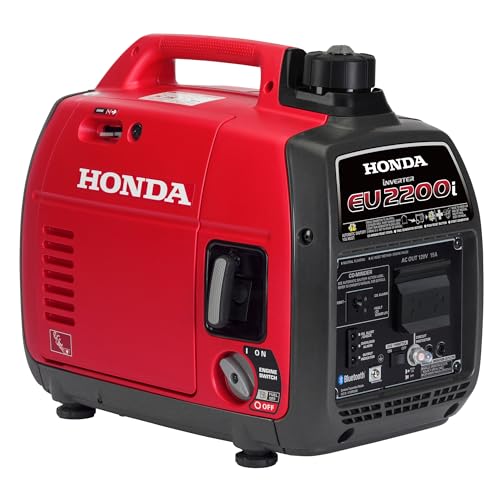


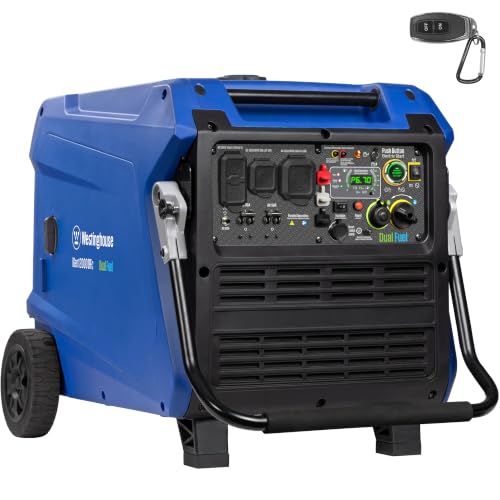
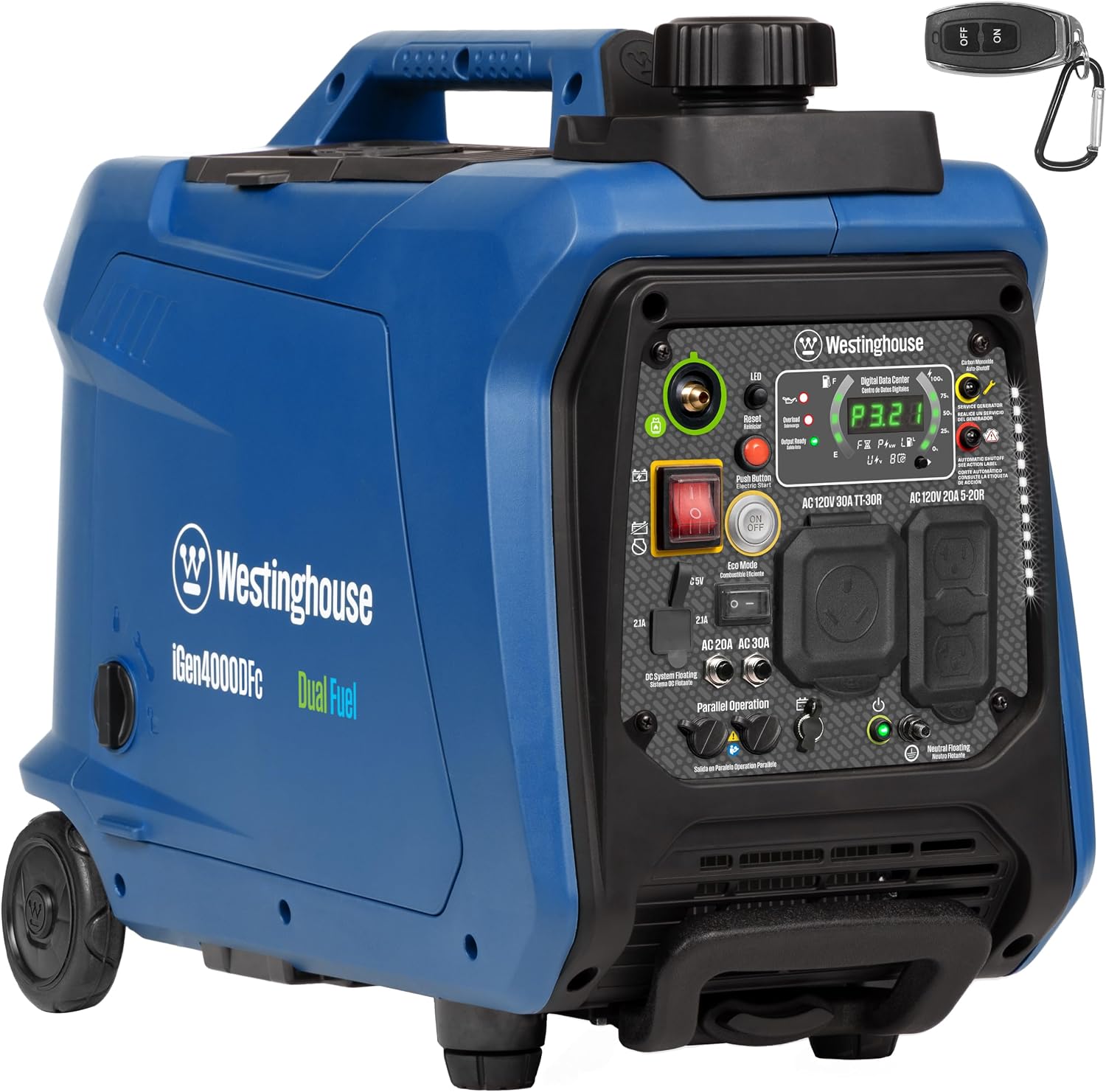


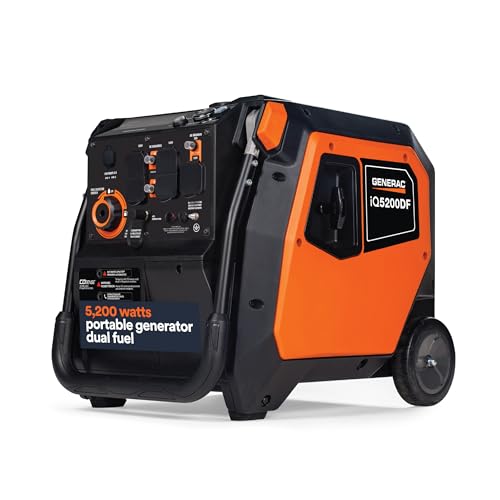
Who Should Buy Which Inverter Generator?
Inverter generators serve different buyers at different sizes, and the traits that matter shift with the job. A camper cares most about noise and weight, while a homeowner cares about runtime and home connection. Start with your group below, then use the checklist sections to grade the models you are considering. If your main use is road travel, our guide to the best inverter generators for RV use covers campground rules and RV outlets in detail.
Homeowners Who Need Quiet Outage Power Near Neighbors
You need a fridge, lights, a sump pump, and chargers through an outage, and your neighbors are close enough to hear everything. A midsize inverter around 3,000 to 4,500 running watts with a strong eco mode covers that load quietly. Budget around $700 to $1,300 for a well built unit in this class. Your deciding traits are low noise at light load, a carbon monoxide shutoff sensor, and runtime long enough to sleep through the night. Skip open frame construction entirely, because its noise is the trait that defines the worst units for this use.
RV Travelers and Campers Who Run Sensitive Gear
You run a laptop, a CPAP machine, and maybe a small air conditioner, and campground quiet hours are strict. Clean power and a noise rating under about 60 dBA at light load matter more to you than raw watts. A compact unit around 2,000 to 2,500 running watts suits most RV loads, and parallel ports let you link two small units later if you need more. Weight counts every time you load up, so favor a unit you can lift alone. Dual fuel versions add flexibility on long trips where propane is already on board.
Job Site and Cabin Users Who Need More Muscle
You run power tools, a well pump, or a small workshop, and you need starting surge as much as steady watts. Look at larger inverters around 5,000 running watts and up, with sturdy frames, big tanks, and electric start. Our guide to the best large inverter generators covers that class on its own. Your deciding traits are honest surge ratings, long runtime at half load, and parts support, because a unit that works daily earns its keep or fails fast. Noise still matters, but durability and service decide this purchase.
Key Features to Compare
Clean Power: Total Harmonic Distortion
Total harmonic distortion, or THD, measures how clean the power is, and the best inverter generators hold it under 3 percent at typical loads. That clean output is safe for laptops, TVs, medical devices, and modern appliances with electronic controls. The worst units blur this spec, quote it only at a tiny load, or omit it entirely, and their rough power can make electronics misbehave or overheat over time. Treat a clearly published THD figure as a basic honesty test. If a maker will not state it, assume the power is not clean enough for sensitive gear and move on.
Noise Level in Decibels
Noise is quoted in dBA, usually at about 23 feet and at 25 percent load, and small differences matter because the scale is not linear. Strong units rate around 52 to 60 dBA at light load, about the level of normal conversation, while poor units are far louder and get worse fast as load rises. Check the fine print for the test conditions, because a rating taken at a greater distance flatters the number. Our guide to the best quiet inverter generators focuses only on this trait if quiet is your top priority. Remember that eco mode keeps noise down only while the load stays light.
Running Watts, Starting Watts, and Parallel Capability
Judge a unit by running watts, the power it can sustain, and treat starting watts as a brief surge allowance for motors. Refrigerators and pumps can demand two to three times their running watts at startup, so your total running load plus the largest surge must fit with about 20 percent to spare. The worst listings headline the surge figure as if it were continuous power, which misleads buyers into undersizing. Parallel capability is the inverter advantage to look for: two smaller units linked together give flexible power and a backup if one fails, at the cost of buying a parallel kit.
Fuel Options and Runtime
Gasoline only units are simple and common, while dual fuel models add propane, which stores for years without going stale and burns cleaner. Propane delivers slightly fewer watts and a bit less runtime per tank, so check both ratings instead of assuming they match. Runtime claims should be read at the load stated, usually 25 percent or 50 percent, and honest makers publish both figures. The worst units quote a huge runtime at a load so light it powers almost nothing. As a guide, a midsize inverter should run about 8 to 12 hours at a quarter load on one tank to be competitive.
Safety Features: CO Shutoff and Outlets
A carbon monoxide sensor that shuts the engine down when gas accumulates is the single most important safety feature on any fuel generator, and the best units include it as standard. Low oil shutoff, overload protection, and ground fault protected outlets round out a proper safety set. The worst units still ship without a CO sensor to cut cost, and that saving is never worth the risk. Whatever you buy, the rules of use do not change: outdoors only, at least 20 feet from doors and windows, with the exhaust pointed away from the house. Check local rules for any added restrictions in your area.
Weight, Handles, and Build Quality
Inverter generators are bought to be moved, so weight and handle design decide whether you actually use the unit. Compact models around 40 to 60 pounds suit one person lifting, while larger units need wheels and a folding handle to be practical. Build quality shows in the details: a metal fuel cap, a covered outlet panel, and a frame that does not flex when lifted. The worst units cut corners you can feel, with thin plastic, loose panels, and pull starters that feel fragile. Read the warranty too, because about 3 years of coverage signals a maker willing to stand behind the build.
Signs of the Best and Warning Signs of the Worst
The strongest models publish full specs, including THD, noise at a stated distance and load, and runtime at two loads, and they carry a CO shutoff sensor and a warranty of about 2 to 3 years with US parts support. Weak models hide behind a single headline watt number, skip the THD figure, and offer a short warranty with no clear parts channel. Another warning sign is a price far below every comparable unit with no clear reason, because the savings usually come out of the engine, the alternator, or the safety set. When you compare the best and worst inverter generators side by side in the product table above, these gaps in the spec sheet are the fastest way to sort them.
Common Mistakes to Avoid
- Sizing by the starting watts headline, so the generator overloads once real loads run at the same time.
- Trusting a noise figure with no stated distance or load, which can hide a genuinely loud machine.
- Running any fuel generator in a garage or near windows, which can fill the home with carbon monoxide.
- Buying the cheapest unit with no CO shutoff sensor, trading a core safety feature for a small saving.
- Ignoring parallel ports when buying small, then needing a full second purchase when your loads grow.
How to Make Your Inverter Generator Last Longer
Run the generator monthly under a real load for about 20 minutes, because regular use keeps fuel fresh in the system and seals in good condition. Change the oil at the intervals in the manual, clean the air filter and spark arrestor as directed, and use fuel stabilizer in stored gasoline. Before long storage, run the carburetor dry if the maker advises it, and store the unit clean, dry, and indoors. For a wider view of well regarded models and their support records, see our guide to the best rated portable inverter generators. A yearly trial run of your full outage setup catches problems while they are still cheap to fix.
FAQ
Is an inverter generator or a conventional generator better?
An inverter generator is better for most homes, RVs, and any load with electronics, because its power is cleaner and its engine slows down at light loads, saving fuel and noise. A conventional generator costs less per watt and suits rough job site tools that do not care about power quality. If your loads include a laptop, a TV, or a modern furnace control board, the inverter is the safer choice. If you only run basic power tools outdoors, the conventional unit can be the smarter spend.
How long can an inverter generator run continuously?
Most inverter generators run about 8 to 12 hours on one tank at a light load, and less at heavy load. You can refuel and keep going for days during an outage if you shut down to refuel, let the unit cool, and check the oil each day. Continuous running still wears an engine, so follow the manual on oil change intervals during long events. A unit that needs oil attention far more often than rivals is a quiet sign of a weaker engine design.
Can an inverter generator run a refrigerator?
Yes, an inverter generator runs a refrigerator easily, because a fridge draws about 100 to 200 running watts. The point to check is the startup surge of the compressor, which can briefly reach several times the running figure. Any inverter of about 1,800 running watts or more absorbs that surge without trouble while also feeding lights and chargers. Clean inverter power is also gentler on the fridge electronics than the rough output of a cheap conventional unit, which matters for modern appliances.
Do I need a transfer switch with an inverter generator?
You only need a transfer switch or an interlock inlet if you want to power house circuits, such as a furnace or a hardwired sump pump. Extension cords to individual appliances need no switch and suit most portable setups. A switch adds safety and convenience, and it must be installed by a licensed electrician under local code. Never feed a home through a wall outlet, because backfeed can injure utility workers and damage your wiring. Decide by your must run list, not by generator size.
What size inverter generator do I need to power a house?
For essentials only, about 3,000 to 5,000 running watts covers a refrigerator, lights, a sump pump, and electronics in most homes. Running central air conditioning or an electric range pushes the requirement far higher and usually calls for a standby unit instead. The reliable method is to list your own devices, add their running watts, add the largest motor surge, and keep about 20 percent spare. Many buyers discover their true essential load is modest, which lets a quieter and cheaper unit do the job well.
Final Thoughts
Sort every model by the same evidence: published THD under 3 percent, an honest noise rating, running watts that fit your load with margin, a CO shutoff sensor, and a warranty backed by real parts support. Units that hide those numbers are telling you something. Compare your shortlist in the product table above and pick from the best and worst inverter generators with the worst firmly ruled out.


