
Best Attachment Capable String Trimmers for 2026: A Practical Buying Guide
Disclosure: We may earn a commission when you buy through links on this page, at no extra cost to you. As an Amazon Associate I earn from qualifying purchases. Learn more

The best attachment capable string trimmer matches its coupler system, power and attachments to your yard jobs. Compare powerheads and plan your add ons.
One engine or motor, many tools. An attachment capable trimmer splits at the middle of the shaft, so the same powerhead that trims your lawn in the morning can edge the drive, prune the oak, and blow the patio by lunch. The promise is real, but so are the compromises, and the best attachment capable string trimmer is the one whose coupler system, power, and attachment range match the jobs you actually plan to hand it. Buying a powerhead for attachments you will never fit is just buying a heavier trimmer.
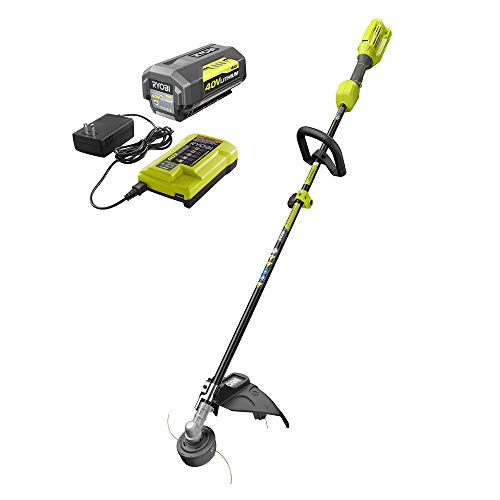
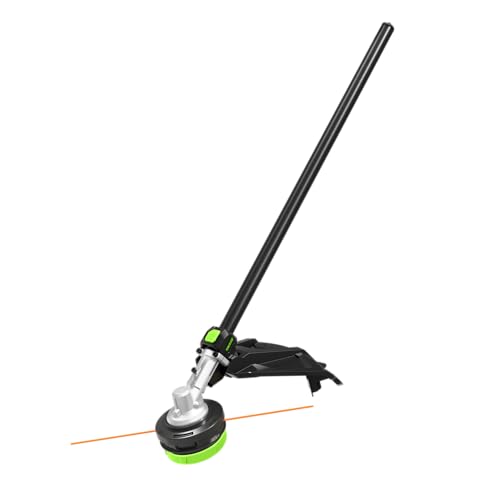
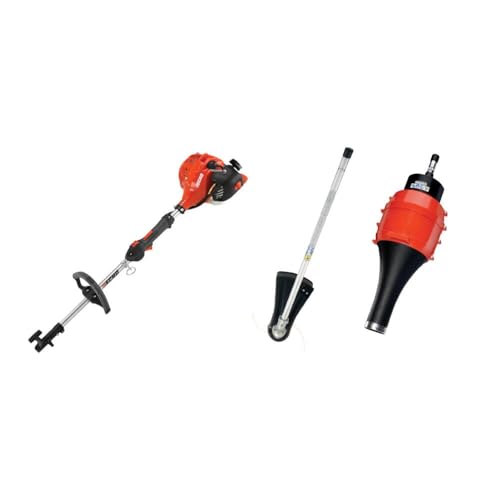
This guide explains how coupler systems differ, which attachments earn their keep, and where dedicated tools still win. The comparison table below outlines the main powerhead classes before we get into the details.




Who Should Buy Which Attachment Capable String Trimmer?
Homeowners With Small Storage and Four or Five Yard Jobs
This is the group the whole concept serves. If one garage wall must hold your trimmer, edger, blower, and hedge tool, a powerhead system stores all four on the footprint of one. Choose a mid powered gas or high voltage battery powerhead, add attachments as the yard demands them, and your tool wall stays sane. The more of your jobs are light to moderate, the better this system fits, because attachments shine at homeowner duty levels.
Property Owners Who Prune and Edge as Much as They Trim
If your Saturdays include limbs over the roof line and a long driveway edge, weight your choice toward the attachments. A pole saw attachment reaches roughly 8 to 10 feet with the extension fitted, and a wheeled edger attachment cuts a cleaner line than any trimmer held sideways. Pick the powerhead from the brand whose pole saw and edger attachments get your respect, since those two tools will justify the system while the trimmer head simply comes along for the ride.
Buyers Tempted by the Tiller Attachment
Slow down and think about soil. The small cultivator attachment stirs mulch and loosens already worked beds nicely, and it is genuinely useful in raised beds. It is not a rototiller, and it will bounce off compacted clay and new ground. If breaking new garden ground is a yearly job on your list, buy or rent a real tiller and let the trimmer system do what it does well. Shoppers burned by this one mismatch are the loudest critics of systems that serve everyone else fine.
Key Features to Compare
Coupler System and Attachment Compatibility
The coupler is the heart of the whole idea. Many brands follow a shared universal pattern, so attachments from several makers fit one powerhead, while some brands use a closed system that only accepts their own attachments. Universal fit gives you price competition and a huge attachment catalog. Closed systems can feel tighter and better finished but lock your future purchases to one shelf. Before you buy, list the attachments you want over the next three years and confirm each one exists for the system you are choosing, in the quality tier you want to own.
Powerhead Power and Drivetrain
Attachments ask more of a powerhead than trimming does. A pole saw chain, a tiller tine set, and a brush blade all load the drive harder than line ever will, so this class rewards stepping up in power: a gas engine in the upper homeowner range or a battery platform at the strong end of its brand. Solid shaft drives handle attachment loads and blade work better than cable drives. Our best gas string trimmer guide covers engine sizing in depth, and the same logic applies when the engine must also run a saw chain ten feet away.
Connection Play and Clamp Quality
Every split shaft joint can develop a little wobble, and wobble at the coupler becomes whip at the far end of a pole saw. Better systems use a positive locking knob plus a locating pin, clamp down with no perceptible play, and keep that fit after hundreds of swaps. When you read listings, look for couplers described as tool free with a spring pin and a clamp lever, and favor metal hardware over plastic at the joint. This is the one feature where paying more is visible every single time you change attachments.
The Attachments That Earn Their Keep
Ranked by owner satisfaction across this category, the edger and pole saw attachments usually come first: both do work a trimmer alone does badly. The blower attachment is handy for light cleanup, though weaker than a mid range dedicated blower. Hedge trimmer attachments add reach for tall hedges and beat handheld units on ladder work. Brush cutter attachments turn a strong powerhead into a genuine clearing tool with the right blade. Snow thrower and power broom attachments exist too, but they are seasonal specialists. Buy the system for the first two attachments on your list and treat the rest as bonuses.
Weight and Fatigue Across a Full Session
A powerhead plus attachments weighs more than a basic trimmer, and the weight sits differently with each tool fitted. A pole saw at full reach is a shoulder workout no matter the brand, and a tiller attachment pulls and bucks in soil. Battery powerheads carry their pack weight on the tool, which helps balance long attachments but adds heft to simple trimming. If most of your work is plain trimming, compare the base trimmer weight honestly, because that is the configuration your arms will know best. The best cordless string trimmer class shows how widely platform weights vary.
Cost Math Versus Dedicated Tools
Price the system, not the powerhead. Add the edger, pole saw, and blower attachments you truly want, then compare the total against dedicated tools of similar quality. The system usually wins on money and always wins on storage, and it loses on peak performance in each single job. Runtime is shared too: one battery platform feeds everything, which is efficient until two jobs want the packs at once. Shoppers who already own a strong battery platform should price that brand powerhead first, as our best battery string trimmer roundup logic suggests, since shared packs cut the true cost sharply.
Matching Attachments to a Season of Yard Work
Plan the system as a calendar. Spring wants the edger and the cultivator for beds, summer wants the trimmer and hedge attachment, autumn wants the pole saw and blower. If three seasons of your calendar light up, the powerhead earns its place on the wall. If only one season does, a dedicated tool is the simpler buy, and the best string trimmer guide will steer you to a plain trimmer that does that one job without compromise. There is no prize for owning attachments that hang untouched for years.
Common Mistakes to Avoid
- Buying a closed coupler system before checking that every attachment on your wish list exists for it.
- Choosing the weakest powerhead to save money, then running a pole saw and tiller that strain it on every job.
- Expecting the cultivator attachment to break new ground, when it is built for loosening worked soil and mulch.
- Ignoring coupler play in reviews and listings, then fighting a wobbling pole saw at full reach.
- Counting only the powerhead price, and discovering the three attachments you want double the real cost.
- Storing attachments on a damp floor, where saw chains and tiller tines rust between seasons.
How to Make Your Attachment Capable String Trimmer Last Longer
The coupler is a wear point, so keep it clean. Blow grit out of the joint before every swap, because sand inside the clamp grinds the mating surfaces each time you tighten it. A drop of light oil on the locating pin keeps changes smooth. Check the clamp knob for cracks each season, since a failed coupler drops an attachment mid job.
Each attachment has its own small ritual. Pole saw chains need bar oil in the reservoir and a file to stay keen, edger blades are cheap and should be replaced rather than nursed along when worn thin, and tiller tines need the wrapped grass and string cleared after every use. Store attachments hanging or on a shelf with the working ends dry. The powerhead itself follows normal trimmer care: fresh fuel or healthy batteries, a clean head, and line stored out of the sun. Systems die from neglected joints and rusty attachments far more often than from worn out powerheads.
FAQ
Do attachments from one brand fit another brand powerhead?
Often, yes. A large share of the market follows a shared coupler pattern, so many attachments swap between brands freely. Some major brands run closed systems that accept only their own attachments, and adapters do not always solve the mismatch cleanly. The safe method is to check the attachment listing for your exact powerhead system before ordering, and to treat works with most brands claims as a prompt to verify, not as a guarantee.
Is an attachment capable trimmer as good as dedicated tools?
For homeowner duty, it comes close enough that most owners never miss the difference. The edger and pole saw attachments perform near their dedicated cousins, while blower and tiller attachments give up the most ground. The honest gap appears at heavy duty levels: thick brush, big gardens, and daily use reward dedicated machines. Judge by your hardest regular job. If the system handles that job well, it will cruise through everything smaller.
Gas or battery powerhead for an attachment system?
Gas still leads on raw sustained power and low system cost, and it runs any attachment as long as the fuel lasts. Battery leads on convenience, quiet, and shared packs with your other tools, and the strong platforms now run pole saws and edgers convincingly. Runtime is the battery limit to plan around on tiller and blower work. Pick the fuel your other tools already use, because shared fuel or shared packs quietly decide how much the system gets used.
How many attachments should you buy at the start?
Start with the trimmer head plus one attachment, the one tied to your most annoying chore. Live with the system for a season. You will learn how the coupler feels, how the powerhead handles load, and which second attachment you actually miss. Owners who buy five attachments on day one usually find two of them still in the box a year later, while owners who grow the system job by job tend to use everything they own.
Can an attachment capable trimmer run a brush blade?
Many can, provided the powerhead has a solid shaft drive and the manufacturer rates it for blade use. Fit the blade the system specifies, use the guard and harness the manual requires, and treat the setup with the respect a spinning steel blade deserves. Cable drive powerheads and light homeowner models should stay with line and plastic blades. When in doubt, the manual answer wins over any listing claim.
Final Thoughts
A powerhead system is a storage and money decision as much as a tool decision. Choose the coupler for the attachments you truly want, buy enough power for the hardest attachment on that list, and grow the set one job at a time. Done that way, the best attachment capable string trimmer replaces a wall of single tools with one machine you know deeply and maintain once. Compare the powerhead classes in the product table above, price your full system before you order, and let your calendar of yard jobs have the final vote.


