
Best Backup Generators on the Market Made Simple: A Clear Buying Guide for 2026
Disclosure: We may earn a commission when you buy through links on this page, at no extra cost to you. As an Amazon Associate I earn from qualifying purchases. Learn more

Shopping for the best backup generators on the market for the first time? Learn the terms, compare options, and avoid rookie mistakes with this easy guide.
Buying backup power for the first time feels confusing because every listing throws watts, fuels, and decibels at you at once. The good news is that the decision rests on a few plain questions: what must stay on, for how long, and how much setup work you accept. This guide explains the best backup generators on the market in simple language, from the basic types to the safety steps that matter on day one.
Work through the product table as you read, and jot down your answers to each section. By the final section you will know your size range, your fuel, and your connection method, which turns a wall of listings into a short and confident shortlist.






Who Should Buy Which Backup Generator?
Buyers fall into three broad camps. Your camp decides the format first, and the brand and model questions come later.
Homeowners Who Need the Essentials Covered
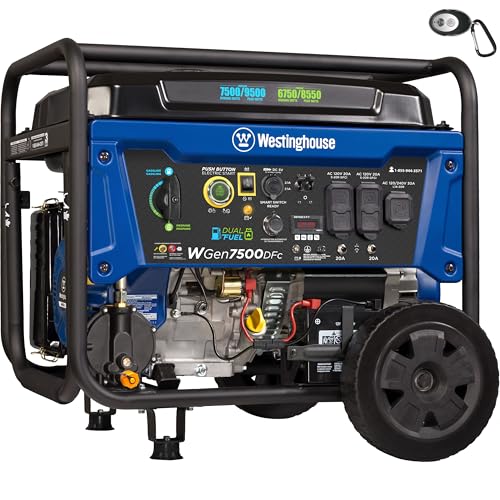
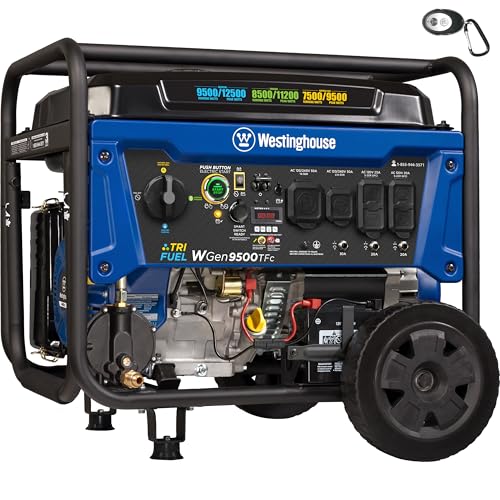
You want the refrigerator cold, the furnace or a fan running, lights on, and phones charged until the grid returns. A midsize portable or inverter generator in the range of about 3,500 to 7,500 watts covers that list for most homes. You will connect through extension cords or a simple inlet and manual switch. This is the most common first purchase, and our guide to the best portable generators on the market compares the movable options in this class.
Apartment Renters and Condo Owners
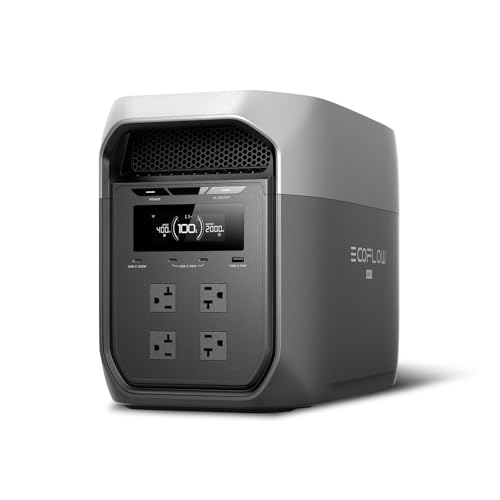
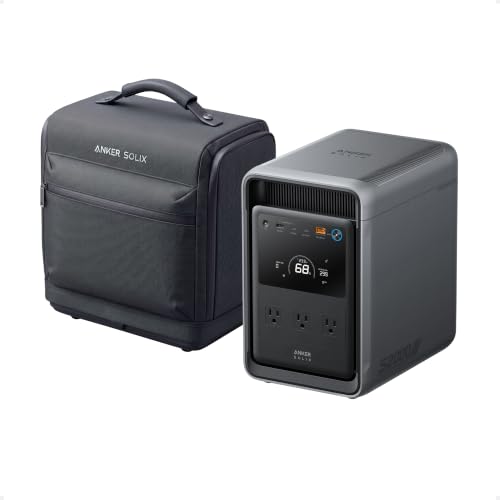
You cannot run an engine on a balcony or store gasoline indoors, so a battery power station is your backup generator. It charges from a wall outlet or solar panels, runs silently, and powers a refrigerator for hours plus lights, a router, and small medical devices. Capacity in watt hours is your headline number here. Just accept the limit: a station stores energy rather than making it, so a multi day outage demands either solar input or a plan to recharge elsewhere.
Homes With Frequent or Long Outages
Storms, rural lines, or an aging grid leave you dark several times a year, sometimes for days. A standby generator that starts on its own and feeds the panel through an automatic transfer switch removes the setup work entirely. It costs far more to buy and install, yet it protects pipes, food, and a home business while you are away. Our guide to the best standby generators on the market explains what installation involves.
Key Features to Compare
Six plain terms explain nearly every listing you will read. Learn these and you can judge any model in minutes.
Running Watts and Starting Watts
Running watts are the steady power a generator delivers, and starting watts are the brief extra burst it gives a motor at startup. Add the running watts of everything you plan to use together, then make sure the biggest motor surge fits within the starting figure. A refrigerator may run on about 150 watts yet surge near 800 watts for a moment. Buyers who add only the running figures end up with a generator that trips the moment two motors start together.
Generator Types in Plain English
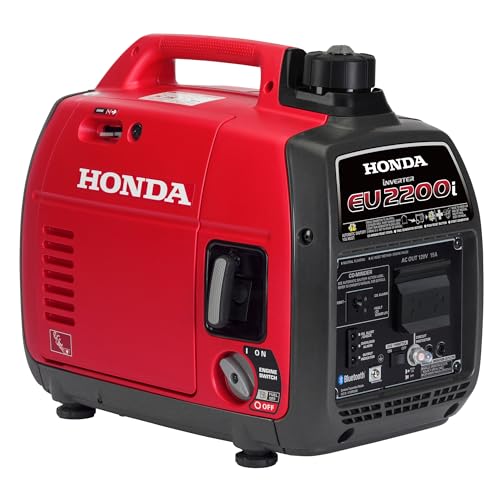
Conventional portable generators are the budget workhorses: loud, simple, and fine for tools and basic outage duty. Inverter generators cost more and give quieter, cleaner power that suits electronics and camping as well as home backup. Standby generators are fixed home systems that start automatically. Battery power stations are silent boxes of stored power, ideal indoors and for short outages. None of these types is best in the abstract; each one wins in the situation it was built for.
Fuel Choice and How You Store It
Gasoline is available everywhere but goes stale in months, so you must rotate stored fuel and add stabilizer. Propane keeps for years in its tank and burns cleanly, which makes dual fuel models popular with first time buyers who may not use the generator often. Natural gas suits standby systems with a utility line. Solar input suits battery stations and stretches their stored energy on sunny days. Pick the fuel you can store safely and actually obtain during a widespread outage.
Runtime and Tank or Battery Size
Listings quote runtime at half load or quarter load, and your real figure lands between them based on what you run. A portable with a 4 to 6 gallon tank may run roughly 10 to 14 hours at half load, which covers a night without a cold refueling trip. Battery stations quote watt hours instead: a 1,000 watt hour station runs a refrigerator for perhaps 8 to 12 hours as the compressor cycles. Always match the runtime claim to the load percentage printed beside it.
Clean Power for Electronics
Total harmonic distortion, or THD, describes how smooth the electrical output is, and lower is better for laptops, televisions, and modern appliance boards. Inverter models commonly deliver under 3 percent, while basic conventional units can run far higher. If your backup plan includes a computer, a smart television, or a CPAP machine, choose inverter output or a battery station. This is one place where spending a bit more protects devices that cost far more than the generator itself.
Safety Features and Noise
Look for a carbon monoxide sensor that shuts the engine down if exhaust builds up nearby, plus covered outlets and a clear fuel gauge. Noise deserves a look as well: conventional portables often exceed 70 decibels under load, while inverter models can sit in the high 50s at light load. During a long outage you and your neighbors will hear this machine for hours, so a lower rating improves the whole experience. For a wider market view, our guide to the best generators on the market puts backup models beside other generator types.
Getting Started: Setup and First Use
When your generator arrives, read the manual fully, add the oil the maker specifies, and do a trial run in calm weather rather than during your first storm. Place a fuel burning unit outdoors, at least 20 feet from doors and windows, with the exhaust pointing away from the home. Never run one in a garage, even with the door open, because exhaust can still build up and drift inside.
Practice the full routine once: roll the unit out, connect your cords or inlet cable, start the heaviest load first, then add smaller items. Label the breaker panel circuits you plan to feed if you use an inlet, and keep a printed load list taped inside the storage spot. Shoppers still weighing formats can compare the cord and panel options in our guide to the best backup generators, which focuses on home outage setups. A calm rehearsal turns a stressful night into a routine you have already done.
Common Mistakes to Avoid
- Buying on starting watts alone: the running rating decides what stays powered, so an impressive surge figure hides a small machine.
- Placing the generator in a garage or porch: exhaust buildup can push carbon monoxide into living spaces within minutes.
- Skipping the practice run: first time setup in rain and darkness leads to crossed cords, overloads, and a cold house.
- Storing untreated gasoline all year: stale fuel clogs the carburetor and the generator fails exactly when you need it.
- Overloading with electric heat: one space heater can consume half a midsize unit and leave nothing for the refrigerator.
How to Make Your Backup Generator Last Longer
Readiness is the real product you bought, so maintenance matters as much as specs. Run a fuel generator monthly for about 20 minutes under a genuine load, such as a work light or a small heater used outdoors with care. Change the oil after the first short break in period the manual describes, then on the yearly or hourly schedule that follows. Check the air filter and spark plug each season, and keep a spare plug and a quart of oil beside the machine.
Store the unit with stabilized fuel or a drained carburetor, and keep battery stations partly charged, topping them up every few months. Owners drawn to stored solar energy can see how stations compare in our guide to the best solar generators on the market. A generator that starts on the first pull during a storm is almost always a generator that someone exercised, fueled, and stored with a little discipline.
FAQ
Do I need a transfer switch for a backup generator?
You need a transfer switch or an approved interlock only when the generator feeds house circuits through the electrical panel. Powering items with extension cords needs no switch. Many first time buyers start with cords, then add an inlet box and a manual switch later once they know which circuits matter most. An electrician should handle any panel work, since a wrong connection can backfeed the grid.
What size generator do I need to power a house?
Most homes cover the essentials with about 3,500 to 7,500 watts, while full comfort with central air conditioning can take 14,000 watts or more. The honest method is a list: add running watts for your chosen items, then check the largest motor surge. If your list keeps growing toward whole home comfort, a standby system becomes the practical answer rather than a bigger portable.
How long can a backup generator run continuously?
A portable backup generator can run for about 10 to 14 hours on a tank at half load, and owners often run one for days during an outage with breaks for fuel and oil checks. Let the engine cool before refueling, and shut down if the oil level drops. Battery stations differ, since they run only until the stored charge is spent.
Is an inverter or a conventional generator better for a first purchase?
An inverter generator is better for most first purchases that include electronics, close neighbors, or camping use, because it runs quieter and delivers cleaner power. A conventional model wins on price and simple ruggedness for tool power and basic outage duty. Decide by your load list: if a laptop, a television, or a CPAP machine appears on it, the inverter premium usually pays for itself in calm and safety.
Can a backup generator run a refrigerator?
Yes, nearly any backup generator of 2,000 watts or more runs a household refrigerator with ease. Start the refrigerator first so its compressor surge has the full output to itself, then add lights and chargers. Keep the doors closed during the outage and the food will stay cold for many hours even between runs, which lets you rest the generator overnight.
Final Thoughts
Start with your load list, pick the format that fits your home and your willingness to set it up, and treat safety placement as part of the purchase. Do that, and choosing among the best backup generators on the market becomes a short and calm decision instead of a panic buy during storm season. Compare your finalists in the product table, rehearse your setup on a sunny day, and you will be ready long before the lights go out.


