
Best Battery Chargers for Motorcycles in 2026: A Buying Guide
Disclosure: We may earn a commission when you buy through links on this page, at no extra cost to you. As an Amazon Associate I earn from qualifying purchases. Learn more

Pick the best battery charger for motorcycles with gentle low amp charging, storage maintenance and ring lead connections for small bike batteries.
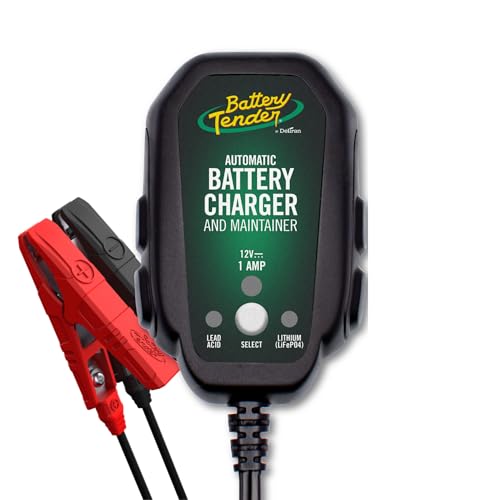
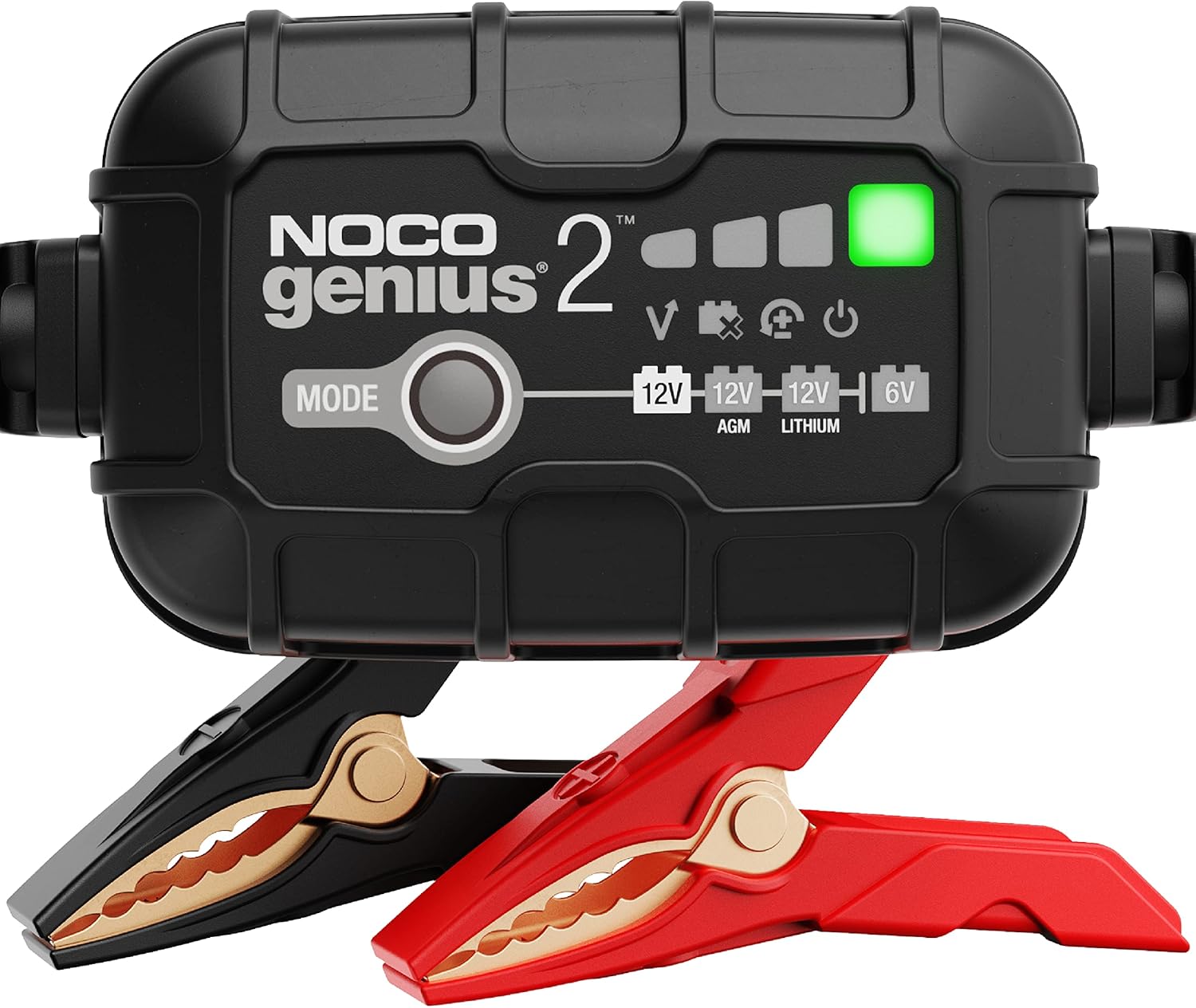
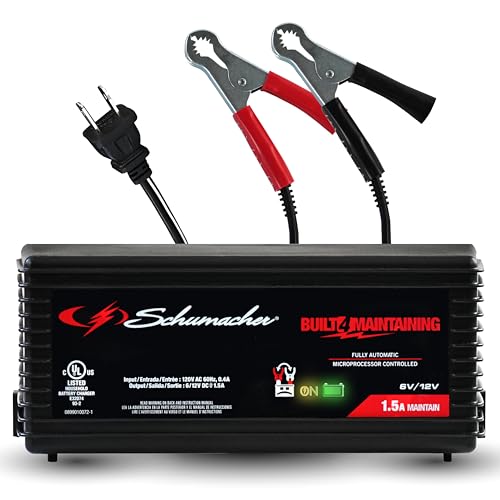
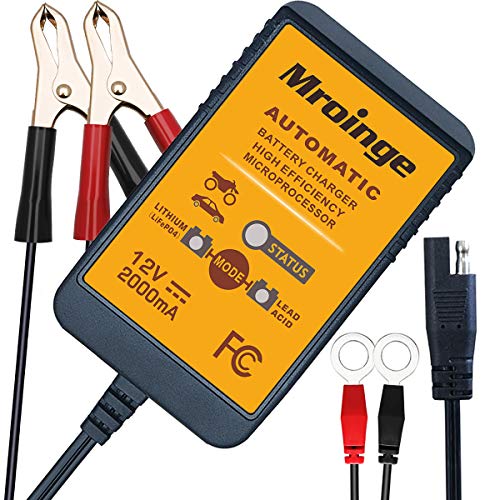
A motorcycle battery is small, often only about 10 to 20 amp hours, and it lives a hard life of short trips and long idle months. The best battery charger for motorcycles charges gently at low amps, then settles into a true maintenance mode that keeps the battery ready through winter without cooking it. A car charger at full output is simply too much current for a pack this size.
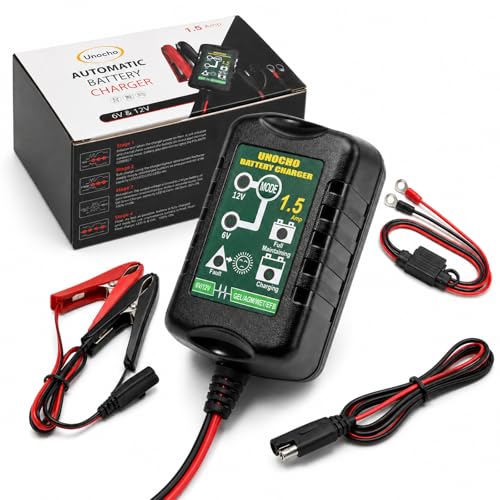
This guide walks through the product table with a rider eye view: charge rate, ring terminal leads, lithium modes for modern bikes, and weather resistance for unheated garages. By the end you will know which charger style suits a daily commuter, a stored classic, or a garage with several bikes on rotation.






Who Should Buy Which Battery Charger for a Motorcycle?
Winter Storage Riders in Cold Climates
If your bike sleeps for three to five months, a smart maintainer is the whole ballgame. It charges fully, then monitors and tops up only when voltage dips, which is exactly what a stored lead acid battery needs. The wider best trickle battery charger category explains the difference between a true maintainer and an old style trickle unit that can overcharge. Choose the maintainer and connect it before the first freeze.
Daily Commuters With Short Trips
Short rides with lights and heated grips can leave a battery slightly undercharged week after week, until one cold morning it will not crank. A compact charger with a quick connect lead lets you plug in overnight once a week without removing the seat. Riders who also maintain a car can compare the higher output best battery charger for cars options, but the bike still wants its own gentle rate or a selectable low amp mode.
Owners of Several Bikes or a Mixed Garage
Multiple bikes reward a charger with several connection options and a clear mode display, so each battery gets the right profile. Ring leads on every bike and one charger rotated between them is the budget pattern; one charger per bike is the convenience pattern. The hub overview of the best battery charger range helps you size the shared unit for the biggest battery in the building.
Key Features to Compare
Low Amp Charge Rate for Small Batteries
Motorcycle batteries charge best at about 0.75 to 2 amps, roughly a tenth of their amp hour capacity. A charger that forces 5 or 10 amps into a small pack heats it and shortens its life, even if the battery seems to accept the charge. Some smart chargers auto sense and scale down, but a selectable motorcycle or small battery mode is clearer. Recovery modes that blast a weak battery should be used sparingly on bike packs for the same reason.
True Maintenance Mode and Voltage Monitoring
A maintainer charges to full, then either switches off and watches voltage or holds a safe float around 13.2 to 13.6 volts for lead acid. That behavior keeps a stored bike ready for months without the slow water loss an always on trickle causes. Look for clear language about monitoring and recharging cycles rather than a vague smart claim. An indicator light that shows storage mode at a glance saves you from guessing across a dark garage.
Ring Terminal Quick Connect Leads
The single best convenience feature is a fused ring lead bolted to the battery, with the plug tucked where you can reach it without tools. Many bike batteries hide under the seat or a side panel, and removing bodywork for every charge guarantees you will skip charges. The SAE style connector is the common standard and swaps between chargers and accessories like heated gear. Keep the cap on the lead when riding, since road grime corrodes an open connector quickly.
Lithium Mode for Modern Powersport Batteries
Many newer and upgraded bikes run lithium iron phosphate batteries that weigh a fraction of lead acid and need their own charge profile. If your bike has one, the charger must offer a true lithium mode with no desulfation pulse, because high voltage pulses can upset the battery electronics. Confirm the mode before the first connection, and remember that a lithium pack low voltage cutoff needs a charger with a wake up function to recover it.
Weather Resistance and Garage Worthiness
Motorcycle chargers often live in unheated garages, sheds, and carports, so sealed housings and decent water resistance ratings earn their keep. A unit rated for damp locations shrugs off the humidity that fogs a cold garage in spring. Long leads help when the outlet sits across the bay from the bike. For a shed with no power at all, a best solar battery charger panel setup can maintain a stored bike through the season without running a cord.
Protections and Clear Indicators
Reverse polarity protection matters on bikes because terminals are close together and often worked on by feel under a seat. Spark proof connections and short circuit protection should be standard on any modern smart charger. A simple display that shows charge stage, full, and fault beats a single mysterious light. When a charger flags a fault on an older battery, believe it and test the battery, since small packs fail suddenly and a warning is cheap information.
Setting Up a Stored Bike for the Season
Charge the battery fully before storage, either with a ride of at least half an hour or a session on the charger. Bolt on the ring lead, route the plug to an accessible spot away from heat and steering movement, and connect the maintainer. If the bike must sit without power, remove the battery to a cool dry shelf and charge it monthly instead. Top up conventional flooded cells with distilled water before storage where the design allows. Paired with the best battery charger for motorcycles habits above, this setup keeps the pack healthy until spring.
Common Mistakes to Avoid
- Using a high amp car charger on a small bike battery, which overheats the plates and shortens its life.
- Leaving an old style trickle charger connected all winter, slowly boiling a battery it was meant to save.
- Removing the seat and bodywork for every charge instead of fitting a ring lead once.
- Charging a lithium bike battery on a lead acid mode with a desulfation pulse enabled.
- Storing the bike with a half charged battery, letting sulfation set in before spring arrives.
How to Make Your Motorcycle Battery and Charger Last Longer
Keep terminals clean and snug, because a loose connection fools a smart charger into ending the charge early. Store the charger itself indoors in a dry spot rather than on a damp garage floor, and coil its leads loosely. Check a stored battery monthly with a quick voltage glance if it is not on a maintainer. Replace a battery that needs charging more and more often rather than leaning on the charger harder, since a fading pack strands riders at the worst moments.
FAQ
How many amps should a motorcycle battery charger have?
About 0.75 to 2 amps suits nearly all motorcycle batteries, matching roughly a tenth of their capacity in amp hours. That gentle rate fills an overnight charge without heating the small plates. Chargers with automatic sensing or a motorcycle mode handle the scaling for you. Bigger is not better here; a 10 amp automotive rate is a liability on a pack this size unless the charger clearly limits itself.
Can I leave a charger on my motorcycle all winter?
Yes, if it is a smart maintainer that monitors voltage and only tops up when needed. That is exactly the job these units are built for, and it keeps the battery ready for the first warm day. An old constant trickle charger is different and can overcharge over months. Check the stored setup every few weeks for chewed cords, tripped breakers, or a fault light.
What is the difference between a maintainer and a trickle charger?
A maintainer is smart: it charges fully, then watches the battery and adds charge only when voltage falls. A basic trickle charger pushes a small constant current forever, which slowly overcharges a battery left connected for months. The price difference is small and the outcome difference is large. For any storage longer than a few weeks, the maintainer is the correct tool.
Does my lithium motorcycle battery need a special charger?
Yes, it needs a charger with a dedicated lithium mode that skips desulfation pulses and targets the lithium voltage profile. Many multi mode chargers include one, but you must select it before connecting. A wake up function also helps if the battery protection ever cuts in after a deep discharge. Check the battery maker guidance, because a few brands specify their own charger settings.
Why does my bike battery die every spring?
Usually it was stored partly charged, and cold months plus self discharge let sulfation harden on the plates. Parasitic draws from clocks and alarms speed the decline. The cure is a full charge before storage and a maintainer through the season, or monthly charges if no outlet is nearby. Once a battery has sulfated badly, a charger can rarely restore it, so prevention is the whole strategy.
Final Thoughts
The product table compares charge rates and maintenance behavior so you can match a unit to your battery size and storage setup. The best battery charger for motorcycles for your garage charges gently, maintains intelligently, and connects in seconds through a ring lead you fitted once. Set that up before winter and spring starts become a non event.


