
Best Battery Leaf Blowers (2026): How to Match Air Power and Runtime
Disclosure: We may earn a commission when you buy through links on this page, at no extra cost to you. As an Amazon Associate I earn from qualifying purchases. Learn more

Match the best battery leaf blower to your yard by comparing airflow, voltage platforms, runtime per charge, weight and noise against your leaf load.
A battery leaf blower lives or dies by two numbers: how much air it moves and how long the pack lasts. Spec sheets shout about speed, platforms multiply every year, and runtime claims rarely match a real yard full of wet oak leaves. This guide cuts through that noise so you can pick the best battery leaf blower for your property and the tools you already own. The product table lets you compare the main voltage classes on power, weight, and typical runtime.
Buying into a battery platform is a longer commitment than buying one blower. The same packs usually run your string trimmer, hedge trimmer, and chainsaw, so the smartest purchase often starts with the battery shelf in your garage. Work through the factors below in order and the right class of blower usually picks itself.

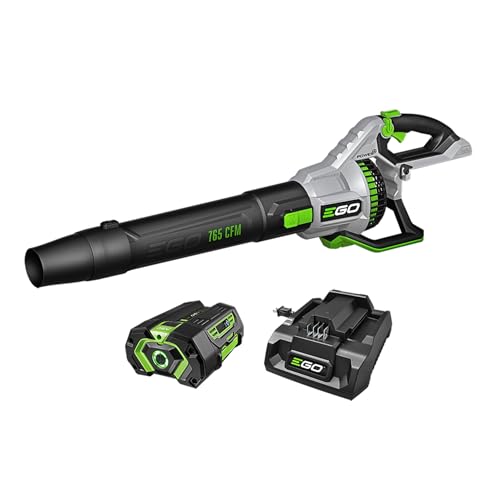


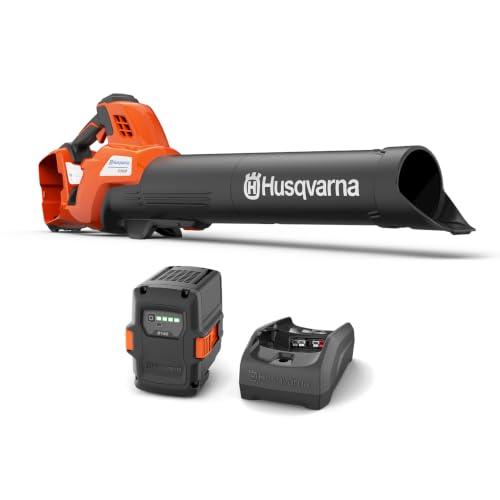
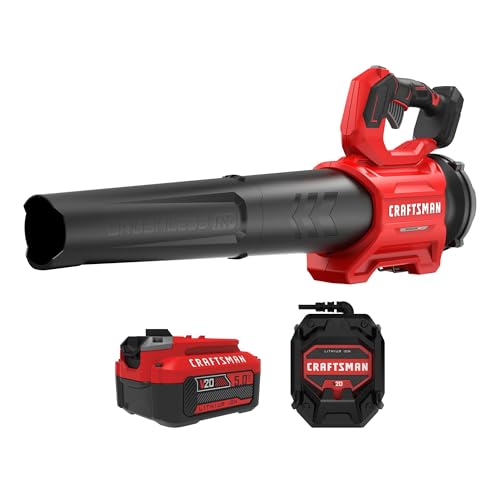
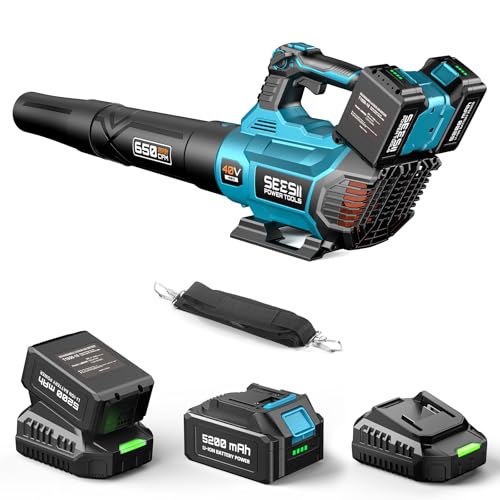
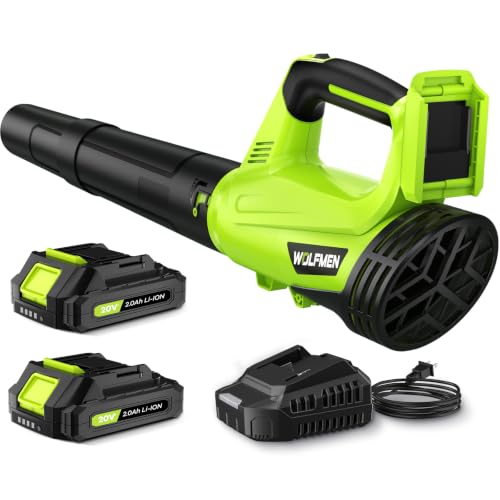
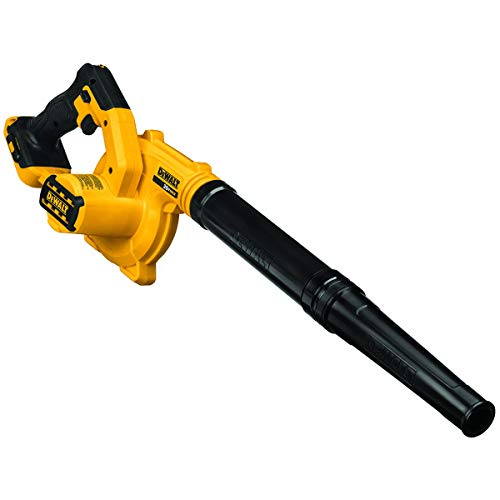
Who Should Buy Which Battery Leaf Blower?
Three kinds of yards dominate battery blower sales, and each one wants a different balance of power and runtime.
Homeowners Already Invested in a Battery Platform
If your garage already holds several packs from one tool brand, staying on that platform is usually the best value, because bare tools cost far less than kits with batteries and chargers. Check that your existing packs have enough capacity for blower duty, since blowing drains a pack faster than almost any other garden tool. Owners in this group often buy the blower body only and add one larger pack for autumn. The wider family of cordless yard tools is covered in our guide to the best leaf blower types, if you are still deciding between power sources.
Suburban Yards With Heavy Fall Leaf Drop
A half acre with mature maples or oaks drops a serious volume of leaves in a few short weeks. You need strong airflow to move piles, plus either several mid size packs or one or two high capacity packs to finish without a charging break. A blower in the higher voltage classes with a turbo mode for stubborn patches suits you, and a second charger earns its shelf space every October.
Noise Sensitive Streets and Early Morning Users
Battery blowers are the quiet option many neighborhoods now expect, and some towns restrict gas blower hours or seasons. If you clear a driveway before work or tidy a patio on Sunday morning, a battery model in the 60 to 70 decibel range keeps the peace. Compact handheld units serve this group well, and our guide to the best handheld leaf blower designs compares the lightest shapes for quick jobs.
Key Features to Compare
Compare these six factors and ignore most of the marketing around them. Together they predict how a blower will feel on your street in November.
Airflow in CFM vs Speed in MPH
Cubic feet per minute (CFM) measures how much air the blower moves, and it is the number that pushes a pile of leaves across the lawn. Miles per hour (MPH) measures how fast that air travels, which helps scour stuck debris off concrete and out of corners. For general leaf work, CFM matters more: a blower around 450 to 600 CFM handles dry leaves on grass with ease, while lower figures suit patios and decks. High MPH with low CFM feels fierce at the nozzle yet moves piles slowly, a trap for first time buyers who only read the speed figure.
Voltage Platform: 18 to 20 Volt, 40 Volt, and Higher
Voltage classes roughly sort blowers by appetite for work. The 18 to 20 volt tools share packs with drills and trimmers and suit small yards and hard surfaces. The 40 volt class is the suburban sweet spot, with enough airflow for real leaf piles and manageable weight. Platforms at 56, 60, or 80 volts chase gas like power for big properties, at gas like prices and pack weights. Dual pack designs run two batteries together for more output, which can rescue owners whose platform tops out at lower voltage. Match the class to your largest autumn job, not your average one.
Battery Capacity and Honest Runtime
Capacity is measured in amp hours, and runtime follows a simple trade: more amp hours, more minutes, more weight. A 4 to 5 amp hour pack on a strong blower often delivers about 15 to 25 minutes at full throttle, and much longer at the low speeds used for patios. Turbo buttons can halve that figure in minutes. Treat printed runtime claims as best case numbers gathered at gentle settings, and plan your pack collection around your biggest cleanup day. If your leaves take an hour of steady blowing, you need either three mid size packs or a fast charger rotating two large ones.
Brushless Motor and Efficiency
Brushless motors convert more of each charge into airflow and typically last longer than brushed designs, because there are no brushes to wear out. In practice you feel the difference as a few extra minutes per pack and stronger sustained output as the pack drains. Nearly every mid range and premium blower is brushless now, so treat a brushed motor as a budget signal and price the tool accordingly.
Weight and Balance With the Pack Installed
Advertised weights often exclude the battery, which is the heaviest part of the machine. A large 8 amp hour pack can add several pounds at the back of the tool, changing the balance and tiring your wrist on long sessions. Before buying, add the pack weight to the tool weight and imagine holding the total at arm height for twenty minutes. Backpack battery options and shoulder straps exist for the biggest platforms, and they transform comfort on properties where blowing takes an hour or more.
Speed Control: Trigger, Dial, and Cruise
Leaves on gravel, mulch beds, and flower beds need a whisper, while piles on the lawn need everything the motor has. A variable speed trigger gives that control in the moment, and a cruise lever or dial holds a chosen speed so your finger can relax. Turbo buttons are best reserved for wet mats and stuck corners, used in short bursts. Good control also stretches runtime, because most blowing tasks do not need full power once the pile is moving.
Runtime Math: Turning Amp Hours Into a Cleanup Plan
Do a quick estimate before you buy. Time how long your current routine takes, or pace your yard and count the trees. Then assume a strong blower gives roughly 4 to 6 minutes of high speed work per amp hour of pack capacity, and two to three times that at gentle settings. A yard needing 40 minutes of real blowing wants about 8 to 10 amp hours of packs on hand, in whatever combination your platform offers.
Charger speed changes the plan as much as pack count. A rapid charger that refills a large pack in under an hour lets two packs alternate through a long session, while a slow overnight charger cannot. If you are choosing between a second pack and a faster charger at similar prices, the charger usually wins for owners with one big weekly job, and the extra pack wins for owners who blow a little every day. And if the math never works for your lot, a corded model removes batteries from the equation entirely; our guide to the best electric leaf blower options covers that alternative.
Common Mistakes to Avoid
- Judging by MPH alone, so you end up with a fast but weak airstream that cannot push a leaf pile across grass.
- Buying a bare tool for a platform whose packs are all small drill batteries, leaving you with five minute runtimes.
- Running turbo constantly, which drains the pack in minutes and rarely moves leaves any faster once they are airborne.
- Ignoring tool weight without the battery, then discovering the real working weight is several pounds higher.
- Mixing platforms yard by yard, so chargers and spare packs multiply and none of them fit the next tool.
- Blowing wet leaves at full throttle against a fence corner, where a rake or a tarp would finish the job in half the time.
How to Make Your Battery Leaf Blower Last Longer
Store packs indoors at moderate temperatures, ideally partly charged rather than full or empty, because heat and deep discharge age lithium cells fastest. Keep the blower intake screen clear of dust and leaf fragments, since a starved fan works harder and drains packs sooner. Wipe the tube and housing after wet sessions and store the tool dry, off the floor of a damp shed.
Treat the packs as the investment they are. Rotate two or more packs instead of hammering one to empty every session, let a hot pack cool before charging, and keep contacts clean and dry. Note which pack fades first over the seasons; replacing one tired pack early keeps the whole platform feeling strong. The blower itself has few wear parts beyond the trigger and fan, so battery care is most of the maintenance story.
Frequently Asked Questions
How long does a battery leaf blower run on one charge?
Expect about 15 to 30 minutes of hard blowing from a typical 4 to 5 amp hour pack, and up to an hour at the low settings used on decks and garages. Runtime depends more on your speed setting than on the brand, since full throttle can draw three times the power of a gentle setting. Owners with long sessions rotate packs on a rapid charger rather than searching for one magic battery.
Is CFM or MPH more important for a leaf blower?
CFM does most of the work in a yard, because moving a pile takes volume. MPH helps in narrow roles: lifting wet leaves off concrete, clearing corners, and scouring gravel edges carefully. A balanced blower for suburban yards pairs roughly 450 to 600 CFM with moderate speed. If two models cost the same and one trades speed for volume, take the volume for leaf season and you will finish faster.
Can a battery leaf blower handle wet leaves?
Yes, with technique. Work in shallow layers, use turbo in short bursts to break a wet mat loose, and blow on a second dry day when the pile is heavy and soaked. Very wet leaves plastered to a lawn sometimes move better after an hour of sun. A battery model in the higher voltage classes has the torque for this work, but runtime shrinks fast, so have a second pack ready.
Should you buy a leaf blower kit or the bare tool?
Buy the kit if this is your first tool on the platform, because packs and a charger bought separately cost much more. Buy the bare tool when your shelf already holds two or more healthy packs with enough capacity for blowing. One caution: a kit that bundles small 2 amp hour packs is no bargain for blower duty, since those packs fade in minutes under blower load.
Are battery leaf blowers as strong as gas models?
The strongest battery models now match mid range gas handhelds for airflow, which covers most suburban yards. Gas still wins for all day commercial work, huge properties, and places with no easy charging. For a typical home, the honest limits of battery are runtime and recharge planning, not raw power, and most owners adapt within the first season.
Final Thoughts
Start with your platform and your biggest leaf day, then buy airflow and amp hours to match. The product table lines up the voltage classes so you can see the trade between power, weight, and runtime at a glance. Pick the best battery leaf blower for your yard, keep a spare pack charged in October, and leaf season becomes a series of short, quiet sessions instead of one long battle.


